




Vintage Minton Ceramic
Vintage minton ceramic pieces bring together storied British pottery traditions and striking Victorian or Edwardian design.
Vintage Minton Ceramic
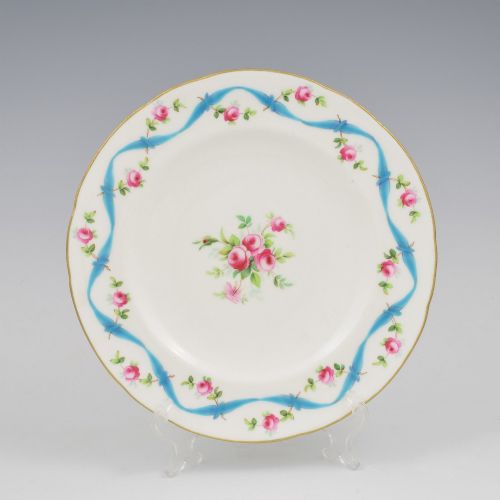
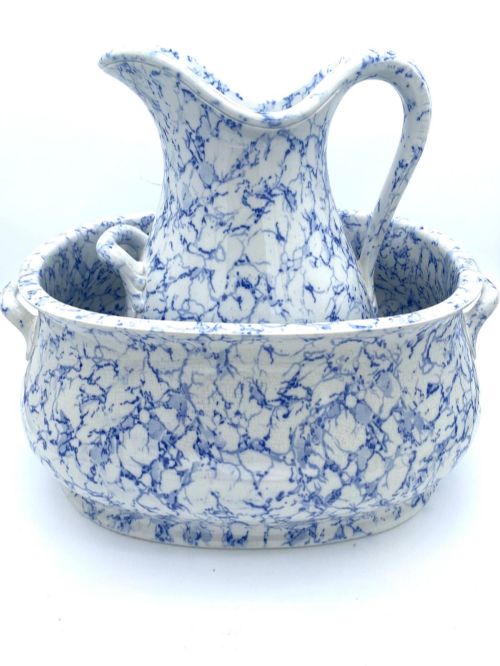
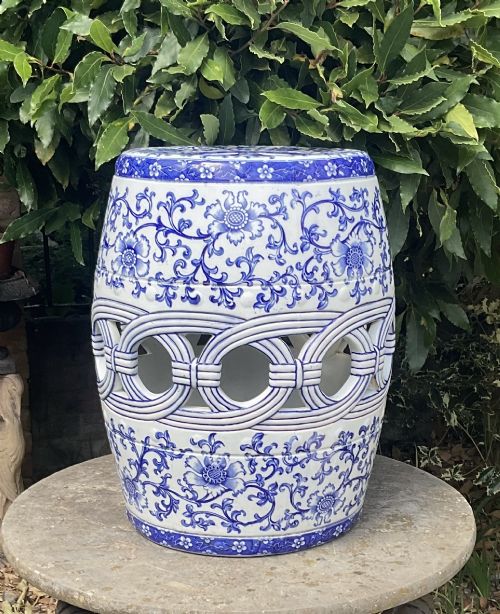
When you search for vintage minton ceramic, you encounter a diverse selection of nineteenth and early twentieth century British works, spanning large pedestal bowls, garden seats, and water jugs. The pieces represented here extend across periods from the mid-nineteenth century through the Edwardian era and the 1920s.
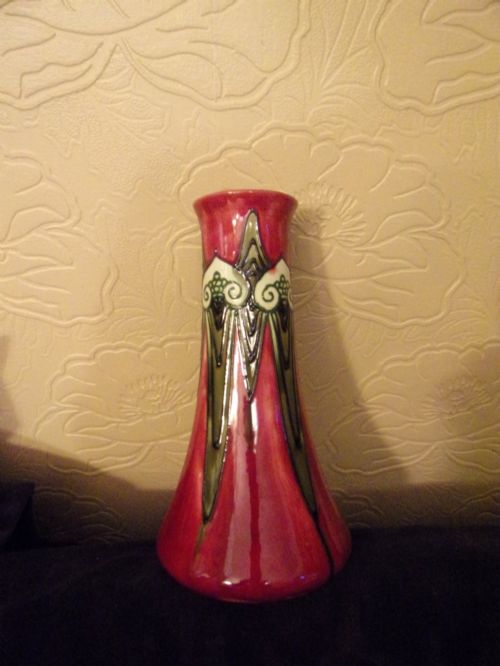
The items you are most likely to meet on this page include decorative tiles, vases, and wash sets, executed in styles ranging from Victorian Imari and Chinoiserie to Art Nouveau and Arts and Crafts. These domestic and decorative items reflect the shifting aesthetic movements of their respective decades.
Makers and collaborators associated with these listings include Minton and Hollins, alongside pieces attributed to designers such as Dr Christopher Dresser. Their output demonstrates the considerable scope of nineteenth and twentieth century ceramic production.
What varies in quality
The distinction between standard commercial output and exceptional studio work lies in the crispness of the transfer printing and the precision of the hand-applied enamels. Pieces featuring complex tube lined designs or specialised lustre glazes demand a higher degree of technical mastery from the decorator.
Subtleties in glaze consistency and the alignment of pattern work across large forms, such as pedestal bowls and garden seats, separate ambitious showcase pieces from routine domestic wares. The involvement of recognised designers or specific regional tile works further elevates the standing of an individual object.
Vintage Minton Ceramic Retail Price Guide 2026
Typical asking prices for vintage minton ceramic among the pieces listed under this phrase on Sellingantiques today, from the lower quarter to the upper quarter. They describe what is for sale here now, not the wider market.
Keep an eye out for glazed ceramic parrots that manage to look simultaneously judgmental and deeply philosophical.
Minton·Minton and Hollins·Dr Christopher Dresser
The Vintage Minton Ceramic Glossary
- Ironstone
- A dense, durable type of earthenware patented in the nineteenth century to imitate Chinese porcelain. It provides a robust body suitable for heavy domestic vessels.
- Tube lined
- A ceramic decoration technique where a fine line of clay slip is squeezed from a bulb onto the surface to outline a pattern before glazing. This creates raised boundaries that hold coloured enamels in place.
- Flow blue
- A transfer printing method where volatile chloride of lime was added to the kiln atmosphere, causing the cobalt blue print to blur slightly into the white glaze. The technique originated in Staffordshire and became characteristic of mid-nineteenth century wares.
- Secessionist
- An Art Nouveau style embraced by British potteries in the early twentieth century, characterised by organic forms and flowing, stylised motifs. Minton produced notable examples of this ware with distinctive fluid glazes.
- Lustre
- A metallic surface finish applied to pottery and fired in a reduced oxygen atmosphere to produce an iridescent sheen. This technique reflects light with a warm, rainbow-like metallic glow.
Vintage Minton Ceramic: Frequently Asked Questions
What is vintage minton ceramic?
Vintage minton ceramic encompasses decorative and functional pottery produced by the historic Minton factory and its collaborators in Britain. The output ranges from mid-nineteenth century ironstone bowls to early twentieth century Art Nouveau vases.
Collectors encounter various forms, including tiles, garden seats, and wash jugs, reflecting changing tastes from the Victorian era to the 1920s.
How do I date a minton piece?
Dating relies on factory backstamps, stylistic markers, and the specific materials or decorative techniques used during manufacture. Aesthetic Movement and Victorian pieces show different palette choices compared to later Secessionist or Art Deco designs.
Reference marks and registered design numbers stamped into the ceramic base often provide precise chronological clues.
Were these pieces used daily?
Many items, such as water jugs, wash sets, and footbaths, served practical functions in nineteenth century households before becoming decorative display objects. Other pieces, including garden seats and large vases, were intended specifically for interior and conservatory ornamentation.
Tiles were integrated directly into architectural surrounds, fireplaces, and furniture.
How do I care for antique ceramic?
Keep ceramic pieces out of direct sunlight to prevent fading in hand-applied enamels and gold leaf details. Clean surfaces gently with a soft, dry cloth rather than using harsh chemical detergents or submerging antique porous wares.
Display heavy pedestal bowls and garden seats on stable, level surfaces to ensure their physical security.