





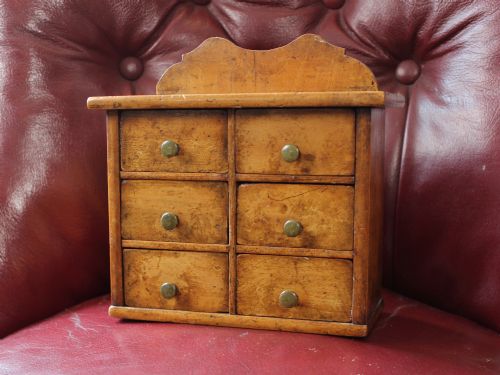
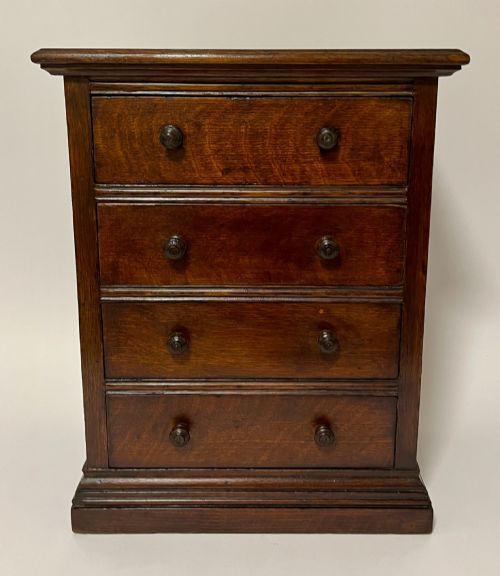
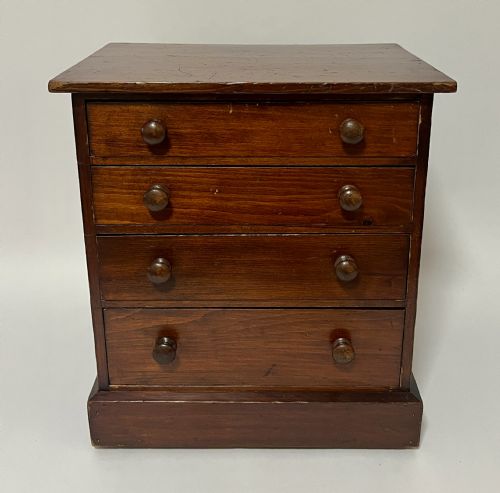
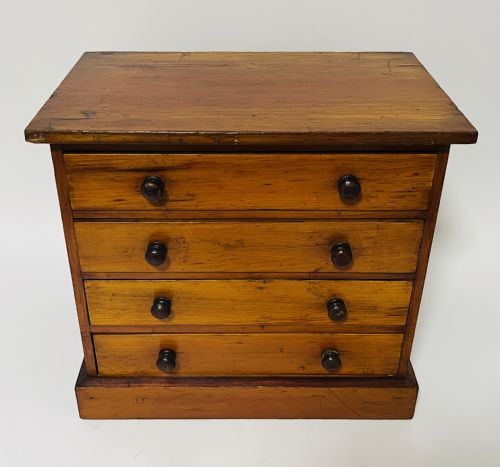
Vintage Miniature Chest
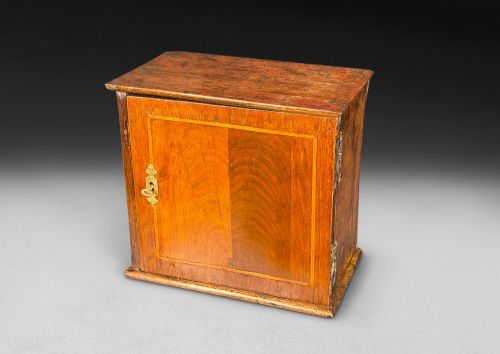
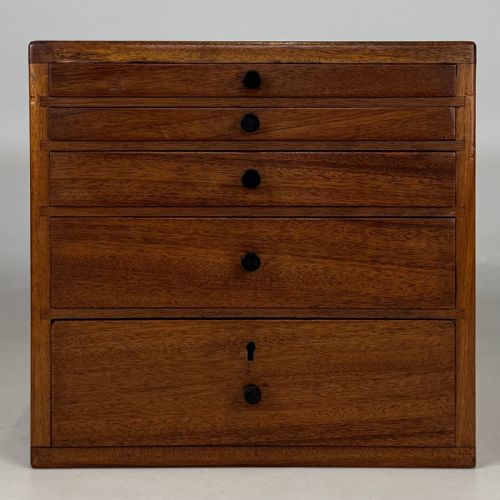
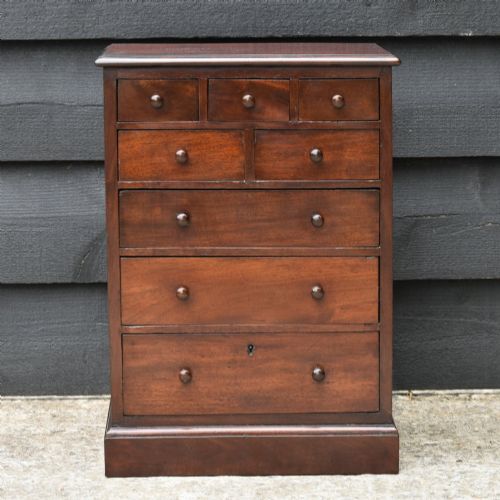
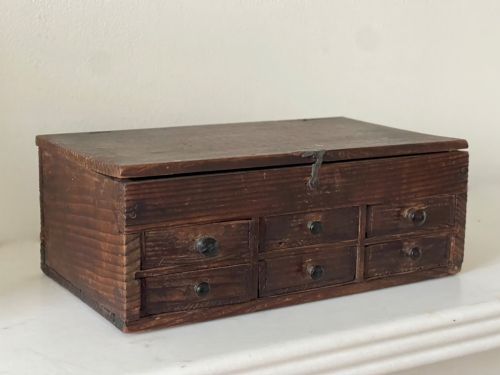
A vintage miniature chest condenses the presence of full-scale cabinetmaking into a tabletop format that holds precious items.
Vintage Miniature Chest
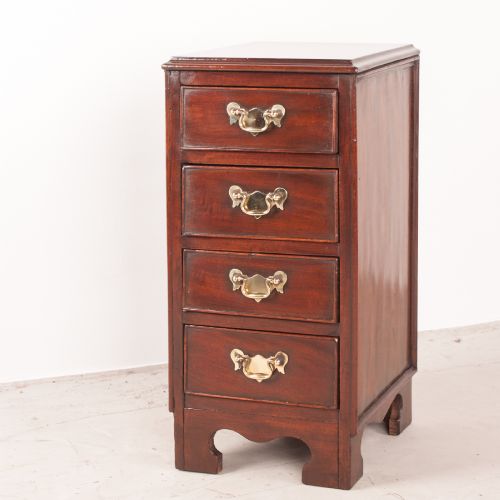
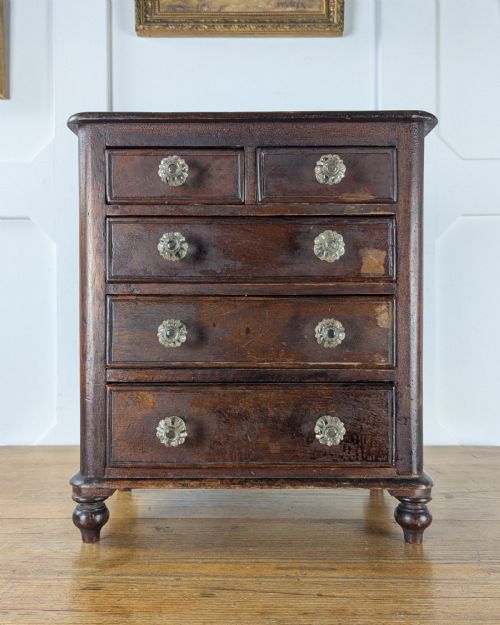
A vintage miniature chest represents scaled-down case furniture designed for small-scale storage, travel use, or display. These pieces mirror the proportions and decorative schemes of full-sized furniture from corresponding periods.
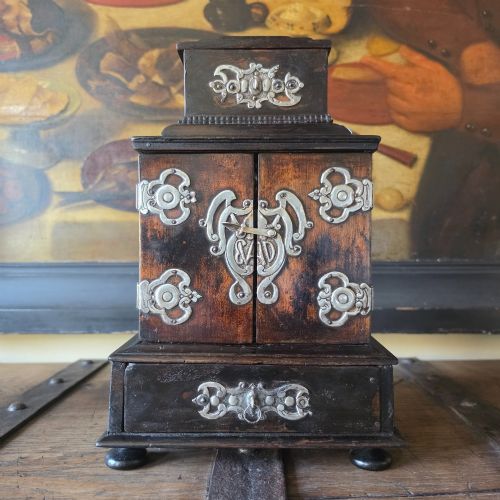
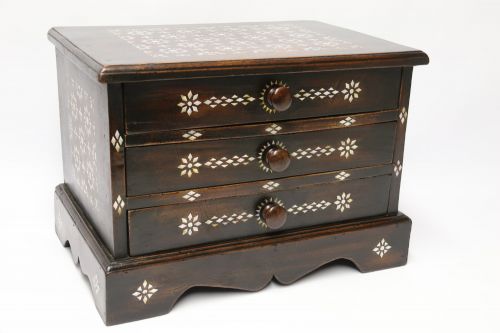
The selections encountered here span multiple decades and centuries, ranging from formal Georgian designs to utilitarian Victorian pieces. Domestic forms include miniature chests of drawers, spice cabinets, and jewellery boxes.
Makers produced these items for various specialised purposes, including trade samples, apothecary storage, and desktop organisation. The resulting objects provide functional compartments in a compact footprint suitable for modern interiors.
Materials and construction methods
Cabinetmakers utilised dense hardwoods such as mahogany, walnut, and oak to construct the primary carcasses of these small chests. Secondary timbers like pine and deal appear on internal components and drawer linings.
Joinery methods replicate large-scale furniture techniques, employing precise dovetail joints for drawer construction and sturdy corner framing. Hardware components typically include brass pulls, escutcheons, and hinges tailored to the reduced scale.
Vintage Miniature Chest Retail Price Guide 2026
Typical asking prices for vintage miniature chest among the pieces listed under this phrase on Sellingantiques today, from the lower quarter to the upper quarter. They describe what is for sale here now, not the wider market.
Some miniature chests come equipped with tiny operating keys that still lock away secrets after two centuries.
Evaluating craftsmanship and execution
Construction fidelity distinguishes superior examples, notably in the precision of the drawer dovetailing and the seamless fit of the carcass. Finer pieces maintain correct architectural proportions relative to their larger counterparts rather than appearing clumsy.
Material selection dictates much of the visual merit, where well-figured timber grain and original hardware elevate the object. Subtle details such as turned feet, integrated locks with working keys, and specialised internal linings indicate greater workshop investment.
The Vintage Miniature Chest Glossary
- Apprentice piece
- A small-scale item demonstrated to a guild to prove a cabinetmaker's mastery of scaling and joinery techniques. These pieces display standard furniture details adapted to diminutive proportions.
- Spice cabinet
- A small wall-mounted or tabletop case fitted with multiple small drawers for storing culinary herbs and aromatics. These date predominantly from the eighteenth and nineteenth centuries.
- Collectors cabinet
- A specialised storage unit containing numerous shallow drawers designed to house natural history specimens or small artefacts. Microscopic slide cabinets represent an advanced form of this type.
- Table cabinet
- A freestanding piece designed to sit on a desk or surface rather than rest upon the floor. They frequently house jewellery, documents, or medical instruments.
- Dovetail
- An interlocking wood joint formed by interlocking wedge-shaped fingers that provides high tensile strength. This joint remains a primary indicator of traditional cabinetmaking skill.
Vintage Miniature Chest: Frequently Asked Questions
What were vintage miniature chests used for?
These small pieces served various domestic and professional functions, from storing precious jewellery and sewing implements to organising spices and apothecary supplies.
Cabinetmakers also produced them as portable travel containers or as demonstration pieces that showcased their joinery skills to prospective clients.
How do I date a miniature chest?
Dating relies on identifying the primary wood species, construction techniques, and stylistic markers associated with specific historical periods like the Georgian or Victorian eras.
Examine the secondary timbers inside the drawers and the type of hardware used, as these elements often reveal the manufacturing decade.
Where should I place one at home?
Their compact scale allows them to sit comfortably on top of sideboards, desks, or dressing tables without consuming valuable floor space.
They function effectively as decorative display objects while continuing to provide secure storage for small daily items like keys or trinkets.
Are apprentice pieces different from regular miniature chests?
Apprentice pieces were traditionally created by trainees to demonstrate competence in mastering complex furniture joints at a reduced scale.
While they share the same physical form as standard miniature chests of drawers, their construction often reflects rigorous adherence to contemporary full-size joinery standards.