

Vintage Miniature Art
Vintage miniature art captures the meticulous detail of past centuries in portable formats, offering intimate portraits and delicate objects that reward close study.
Vintage Miniature Art
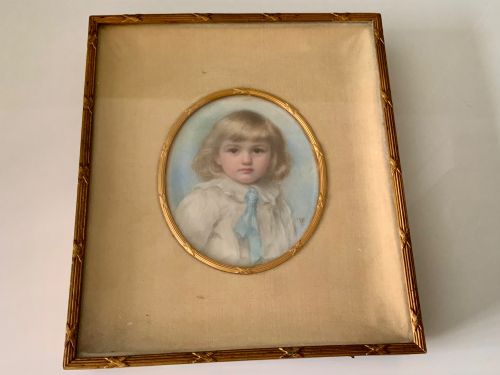
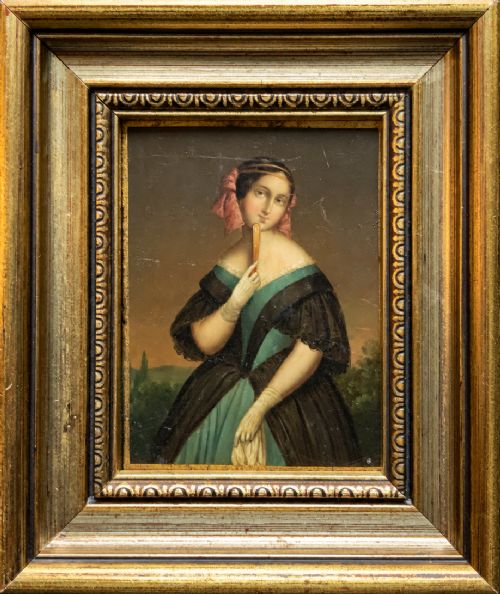
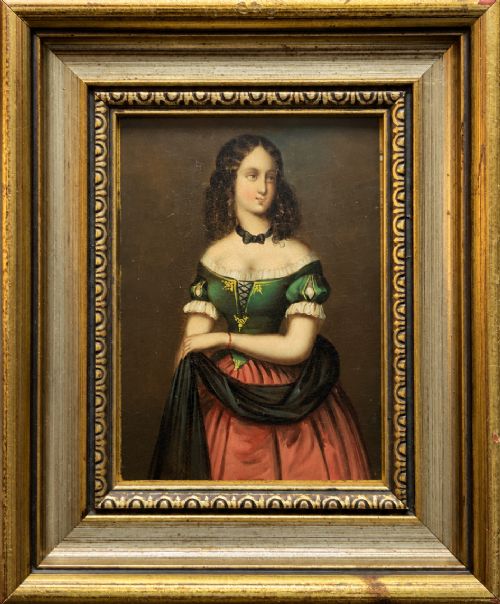
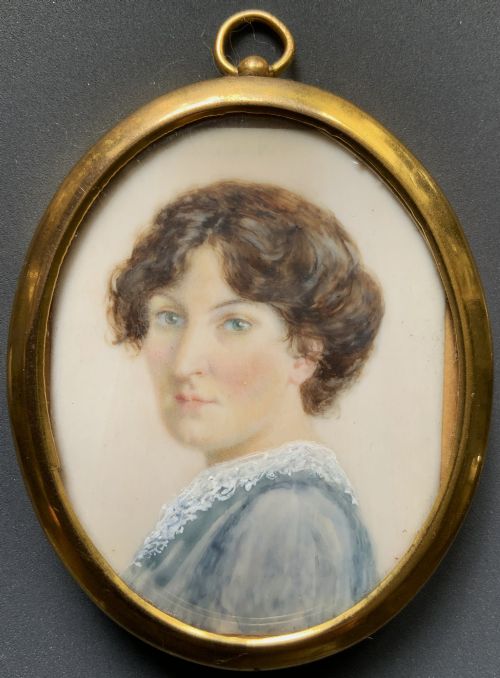
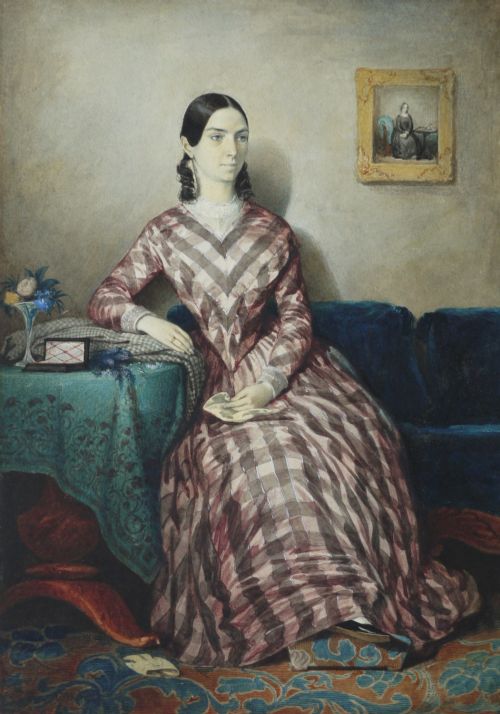
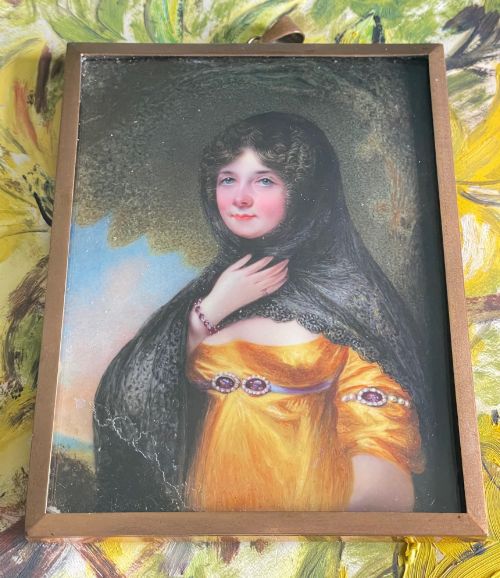
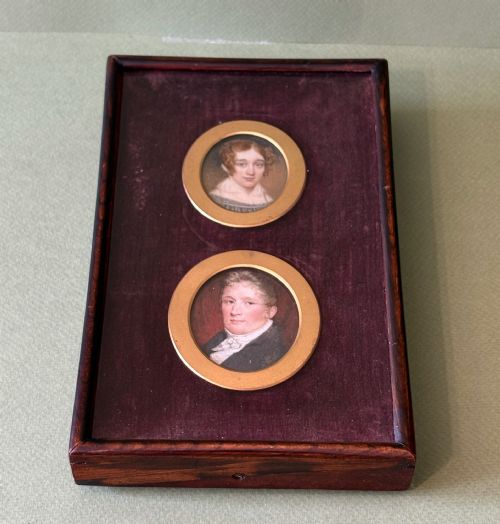
Vintage miniature art encompasses a diverse range of small-scale works, from delicate portrait miniatures and framed watercolours to intricate silhouettes and carved wood objects. These pieces cross multiple periods, with nineteenth-century portraits and early twentieth-century decorative items appearing frequently across the selection.
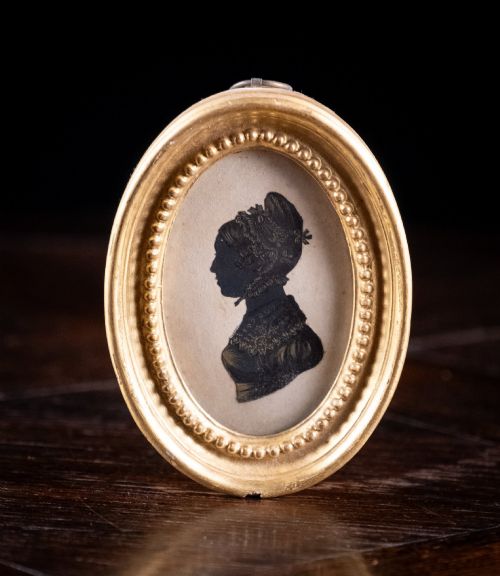
Buyers encounter various formats, including oval watercolour paintings, cut-paper silhouettes, and small framed studies. The materials span traditional paper and watercolour alongside enamel, wood, and glass, reflecting both fine art traditions and folk craft.
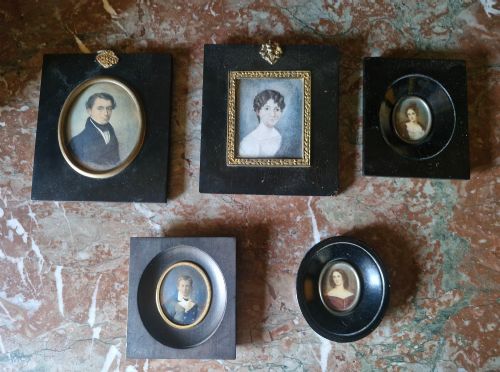
Origins vary widely, bringing together English, French, Indian, and Chinese examples. Portrait miniatures dominate the selection, often housed in period frames of brass, gilt metal, or ebonised wood.
Materials and construction
Artists typically worked on paper, card, or ivory surfaces using watercolour, gouache, or plumbago, applying fine brushwork to achieve remarkable detail on a small scale. Enamel pieces involved fusing powdered glass to metal bases under high heat, creating durable surfaces with rich colour.
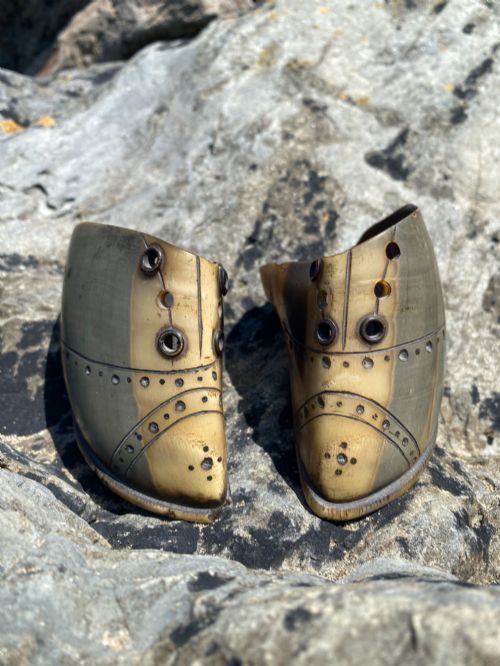
Frames and housings utilised wood, brass, and gilt metal, often incorporating glass to protect the delicate media within. Skilled makers also employed paper-cutting techniques for silhouettes and carved wood or papier-mâché for three-dimensional objects.
Vintage Miniature Art Retail Price Guide 2026
Typical asking prices for vintage miniature art among the pieces listed under this phrase on Sellingantiques today, from the lower quarter to the upper quarter. They describe what is for sale here now, not the wider market.
Several makers squeezed entire worlds into tiny vessels, including detailed sailing ships housed permanently inside glass bottles.
Judging quality in miniature works
The preservation of the surface and the originality of the frame also dictate value. Works retaining their original glass, backing, and housing offer a more authentic historical record than those reconstructed in later mounts.
Alessandro Cittadini·Bateman·Augustin Edouart·John C D Engleheart·Henry Williamson
The Vintage Miniature Art Glossary
- Plumbago
- A drawing executed in graphite, taking its name from the Latin word for lead. These works rely on subtle tonal gradations rather than colour.
- Silhouette
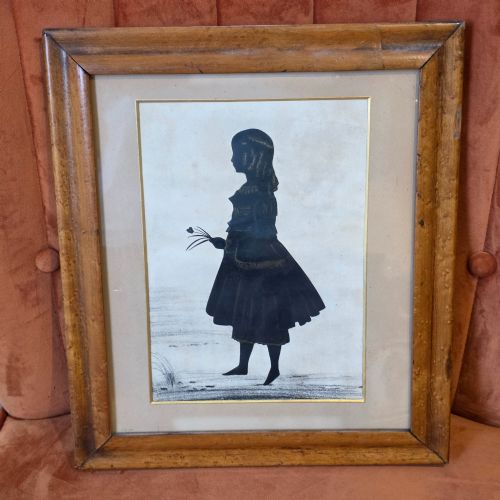
- A portrait profile cut from dark paper or painted in solid black against a lighter background. They gained immense popularity during the eighteenth and nineteenth centuries.
- Cloisonne
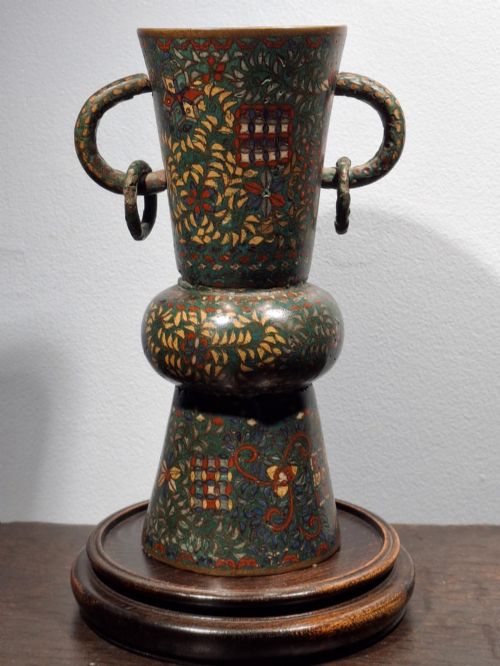
- Enamelwork in which thin metal wires form compartments on a metal surface to hold coloured pastes before firing. This technique produces vibrant, patterned decorative objects.
- Guilloche
- An intricate mechanical engraving technique that produces precise, repeating geometric patterns on metal surfaces. It frequently appears beneath translucent enamel on small personal accessories.
- Gilt metal
- Base metal treated with a thin layer of gold or gold-coloured wash to simulate solid precious metal. It provides durable decorative framing for small artworks.
Vintage Miniature Art: Frequently Asked Questions
How were portrait miniatures displayed?
These small portraits were frequently framed for hanging on parlour walls, mounted in hinged leather cases for travel, or incorporated into wearable lockets and brooches.
Their portable nature allowed owners to keep likenesses of family members close at hand during journeys or daily life.
What subjects appear most often?
Human subjects dominate, ranging from commissioned likenesses of Regency gentlefolk to anonymous silhouettes and children in period dress.
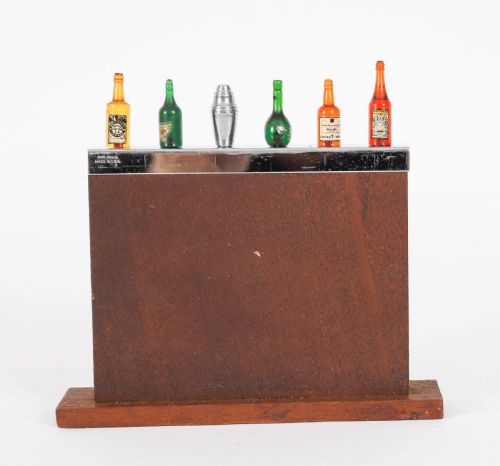
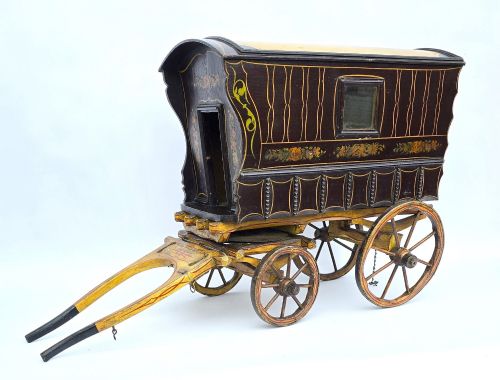
Beyond portraits, the category includes decorative scenes, landscape studies, and novelty items like painted boxes or small models.
How should paper miniatures be preserved?
Paper and watercolour works require protection from direct sunlight to prevent fading of the delicate pigments over time.
Keeping them in stable, low-humidity environments prevents warping of the paper and protects the original framing materials.
How do I date a silhouette?
Costume details, hairstyles, and the style of the surrounding frame offer the clearest clues to a silhouette's age.
Early examples often feature handwritten artist signatures or trade labels on the reverse that help pinpoint the decade of creation.