

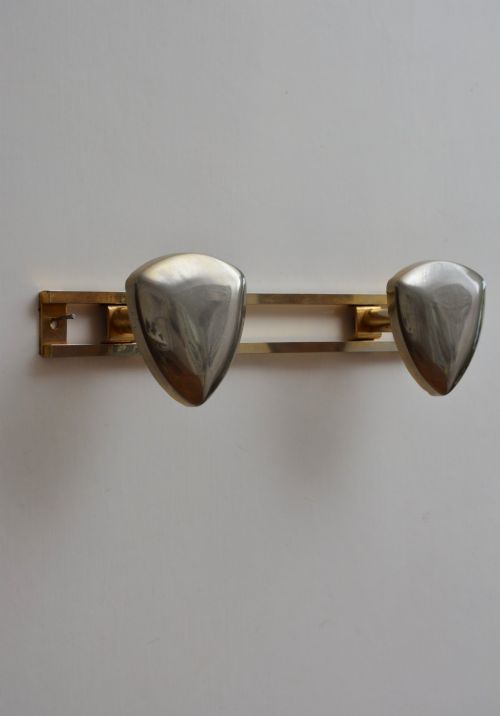


Vintage Metal Wall Art
These vintage metal wall art pieces bring character to interiors through hammered copper, brass, wrought iron, and enamel spanning the nineteenth and twentieth centuries.
Vintage Metal Wall Art
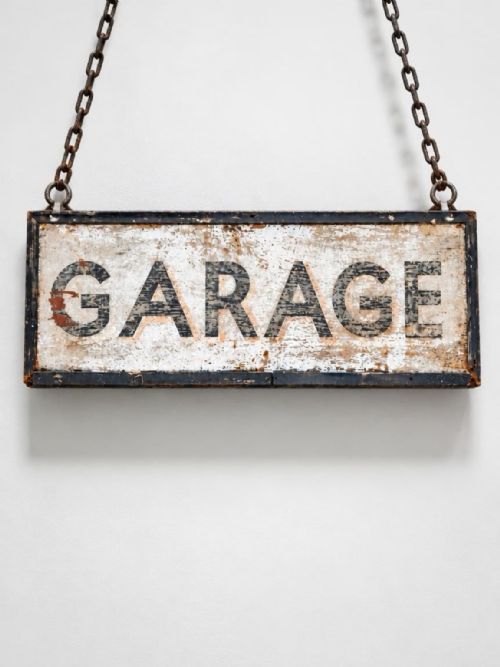
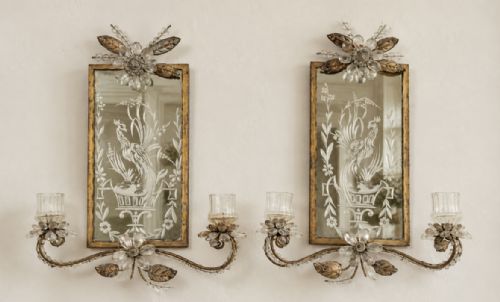
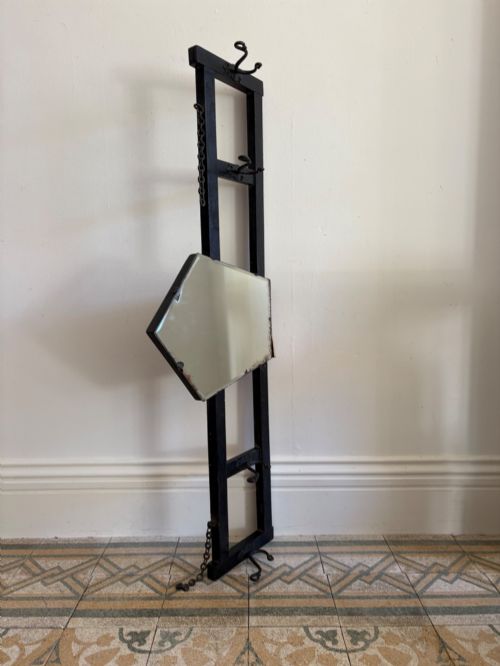
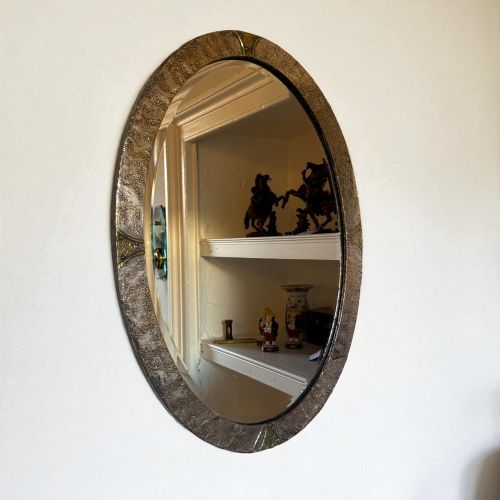
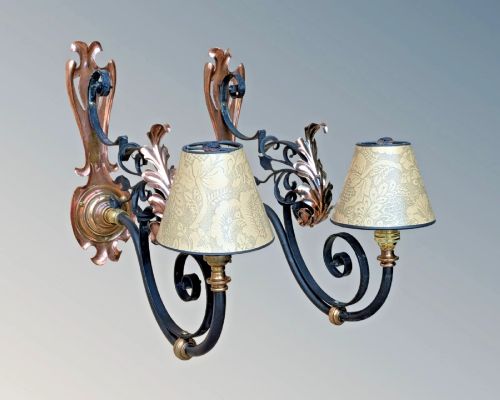
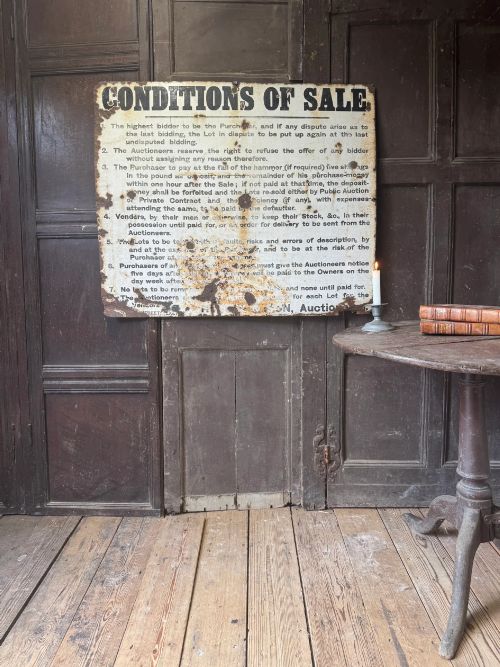
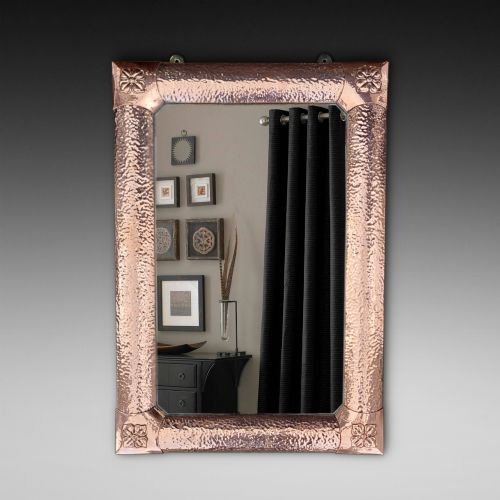
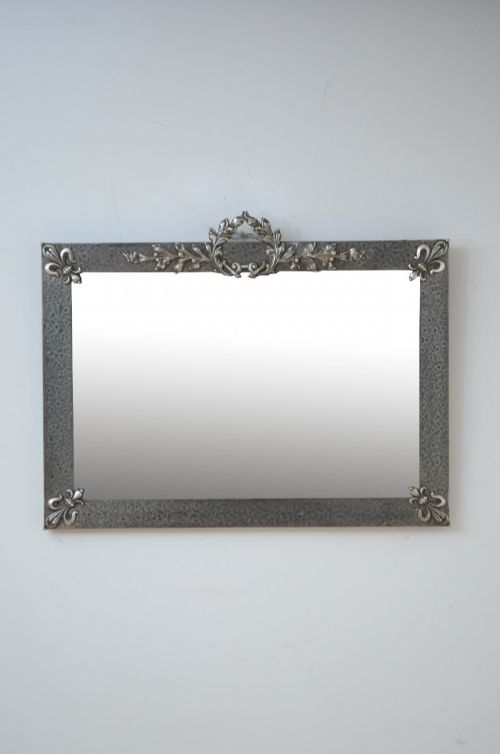
When you search for vintage metal wall art, you encounter a diverse selection of functional and decorative items designed to be mounted on interior surfaces. The offerings span various forms including mirrors, wall lights, sconces, coat racks, advertising signs, architectural salvage, and wall clocks.
The most common versions met on this page originate from the early decades of the twentieth century, alongside items from the nineteenth century and the mid-twentieth century. Styles represented include Art Deco, Arts and Crafts, Industrial, Art Nouveau, Edwardian, Folk Art, and Mid-Century Industrial.
Makers and workshops utilised a variety of base metals to create plates, plaques, and display pieces that reflect period tastes ranging from geometric Deco designs to hand-beaten Arts and Crafts textures.
How they were made
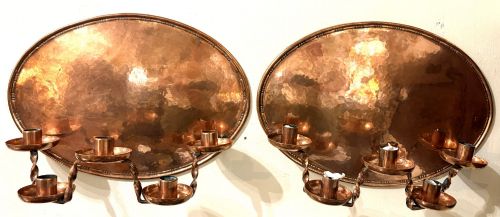
Makers fashioned these pieces using metals such as copper, brass, wrought iron, bronze, sheet metal, and pewter, often combining them with glass, wood, or enamel. Techniques involved hand-beating, hammering, and casting to shape the metal plates, sconces, and frames.
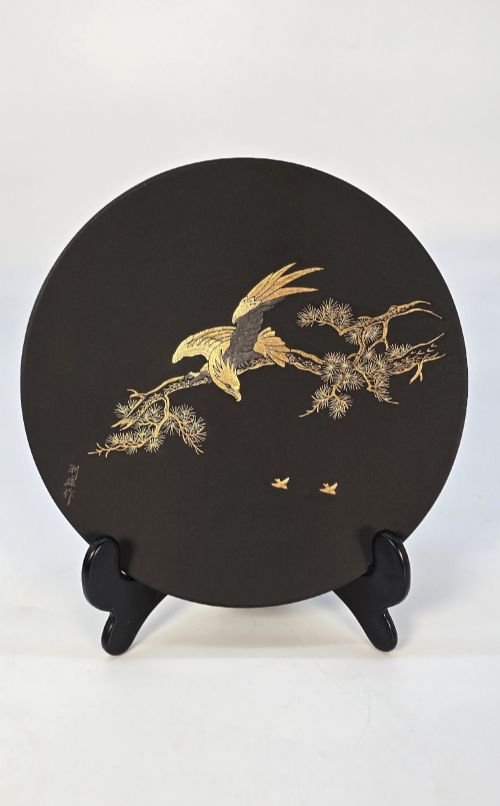
Surface decoration frequently incorporated patination, nickel plating, chrome plating, or gold and silver inlay, as well as applied cabochons and enamel work to add colour and textural contrast.
Vintage Metal Wall Art Retail Price Guide 2026
Typical asking prices for vintage metal wall art among the pieces listed under this phrase on Sellingantiques today, from the lower quarter to the upper quarter. They describe what is for sale here now, not the wider market.
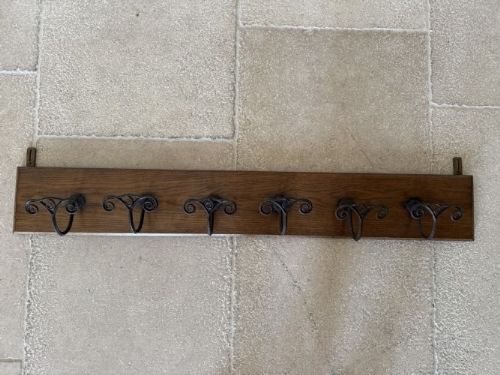
Object types range from functional luggage racks and coat hooks to decorative plaques, mirrors, and advertising signs.
What varies in quality
The distinction between standard items and superior pieces rests on the depth of hand-craftsmanship, such as the intricacy of beaten work on copper and pewter plaques or the crispness of casting in bronze and iron elements. Pieces featuring signed details, integrated cabochons, or specialised inlays demonstrate a higher level of workshop execution.
Condition and originality also dictate standing, with items retaining their original patination, complete mounting hardware, and unaltered enamel or painted advertising surfaces holding greater integrity than those with extensive later interventions.
Raymond Subes·Smiths Sectric·Zenith
The Vintage Metal Wall Art Glossary
- Arts and Crafts
- A design movement prioritising hand-craftsmanship, vernacular traditions, and natural motifs, frequently seen in hammered copper and brass metalwork.
- Art Deco
- A style characterised by streamlined geometric forms, stylised patterns, and modern industrial materials popular during the interwar period.
- Repoussé
- A metalworking technique where the artist hammers the metal from the reverse side to form a raised design in relief on the front.
- Patination
- The natural or induced surface ageing and coloration that develops on metals like bronze, copper, and brass over time.
- Cloisonné
- An enamelwork technique where thin metal wires form compartments to hold coloured glass paste before firing.
Vintage Metal Wall Art: Frequently Asked Questions
What periods do these metal wall pieces come from?
The pieces span from the late nineteenth century through the Edwardian era and the interwar decades up to the mid-twentieth century. You will find items representing specific periods such as the eighteen-nineties, nineteen-tens, nineteen-twenties, and nineteen-thirties.
Design influences shift from nineteenth-century revivalism and Arts and Crafts handcrafting to Art Deco symmetry and mid-century industrial utility.
How were these metal items originally used?
Many items served practical daily functions in homes, public spaces, and businesses, acting as coat racks, luggage holders, wall lighting, or timepieces. Others served an informational or decorative purpose through painted advertising signs, sacred plaques, and decorative wall art.
Their dual role combined utility with interior decoration, integrating metalwork into hallways, bathrooms, and living spaces.
How do I hang heavy metal wall art safely?
Heavier pieces such as cast iron brackets, large mirrors, and loaded coat racks require secure fixing into solid wall anchors or timber studs. Using appropriate hardware suited to the weight of brass, copper, and iron ensures safe mounting.
Consulting a professional installer helps prevent damage to both the wall surface and the antique structure of the piece.
How do I distinguish Arts and Crafts metalwork from Art Deco?
Arts and Crafts metalwork displays visible hand-beaten textures, organic motifs, and an emphasis on skilled artisanal fabrication, predominantly in copper and brass. Art Deco pieces favour sleek lines, geometric symmetry, machine-finished metals like nickel plating, and stylised modern forms.
Examining the surface finish and overall silhouette clarifies which stylistic movement influenced the maker.