
Vintage Metal Vessel
A vintage metal vessel brings tactile weight and industrial history into a room, spanning everything from humble copper jam pans to intricate bronze censers.
Vintage Metal Vessel
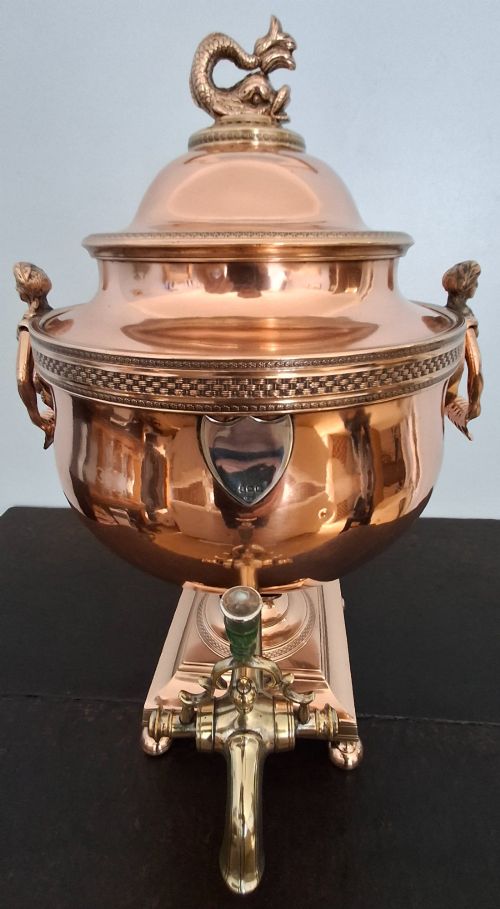
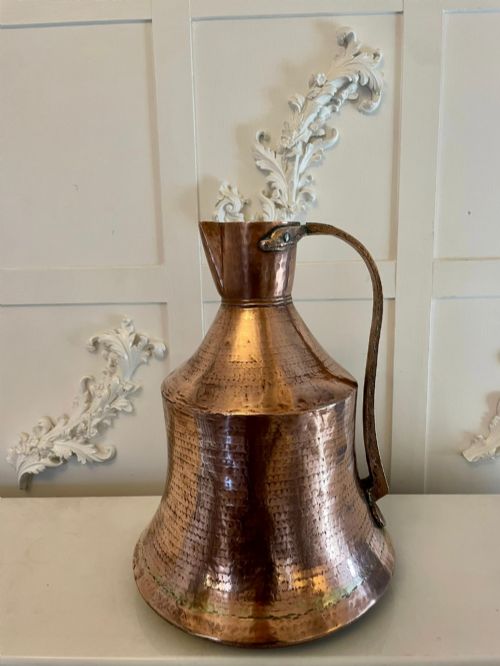
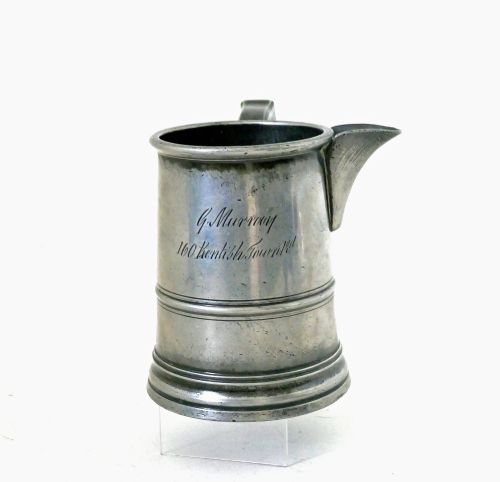
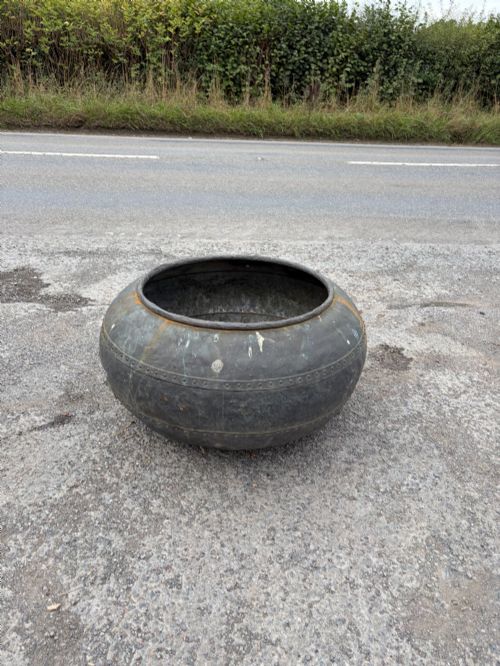
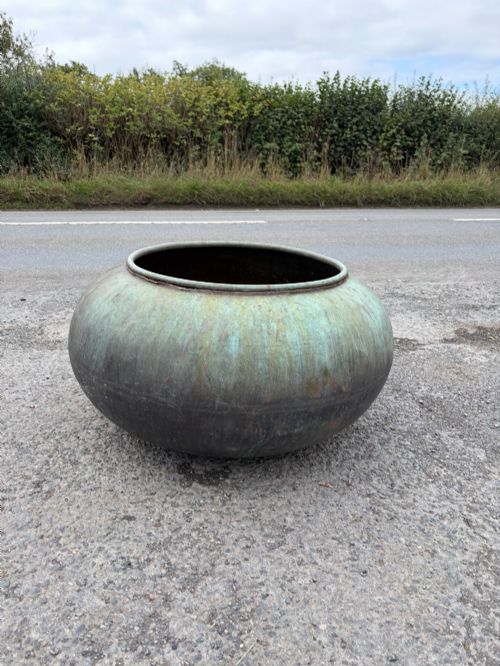
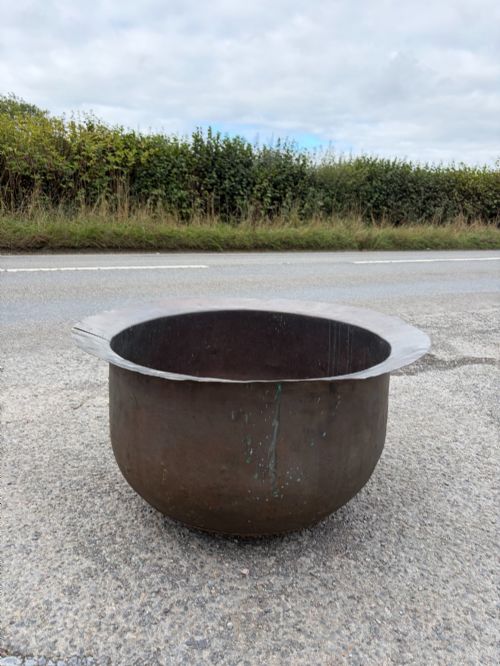
When searching for a vintage metal vessel, collectors encounter a diverse array of utilitarian and decorative objects spanning multiple centuries and global traditions. The selection heavily comprises nineteenth-century copper ware, ranging from large garden pots and log bins to heavy kitchen cauldrons and boiling vats. Alongside these British and French utility pieces, one regularly finds brass planters, cast iron garden urns, and decorative eastern metalwork.
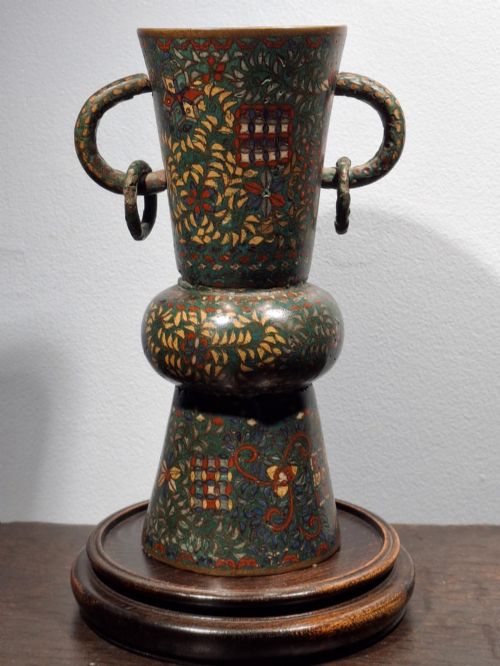
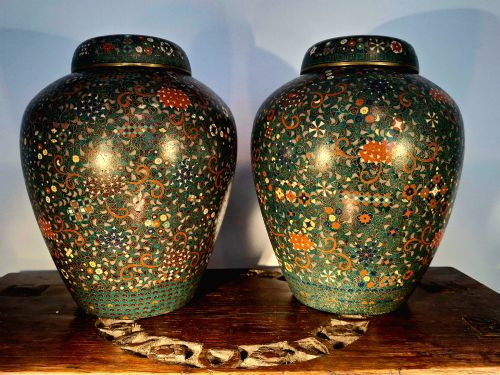
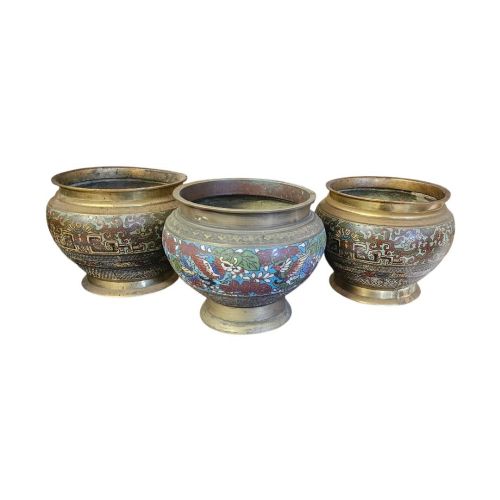
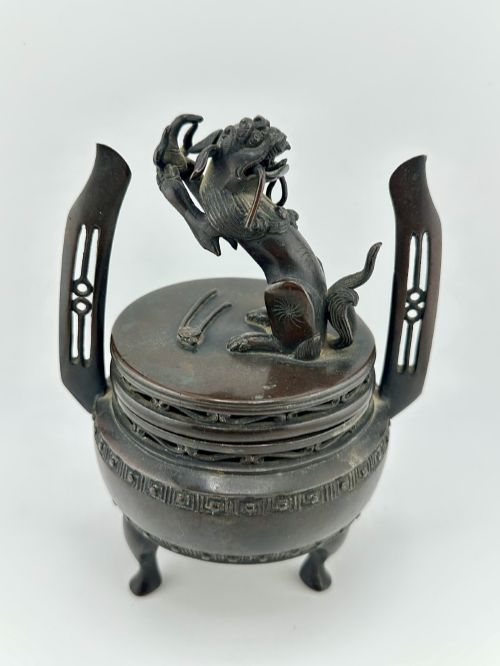
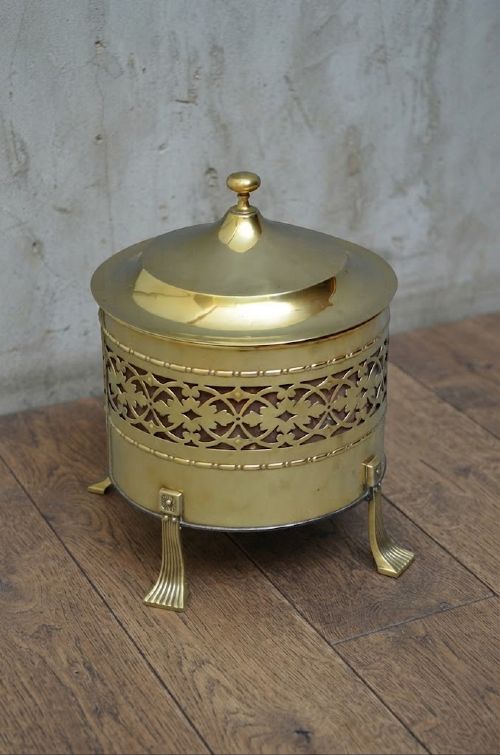
Domestic and culinary items form a substantial part of the available forms, including coffee pots, brandy warmers, spirit kettles, and ewers. Planters, jardinieres, and umbrella stands are equally prevalent, often rendered in brass or copper with decorative handles, crests, and fretwork designs. Far eastern examples introduce bronze tripod censers, cloisonne vases, and repousse copper vessels into the mix.
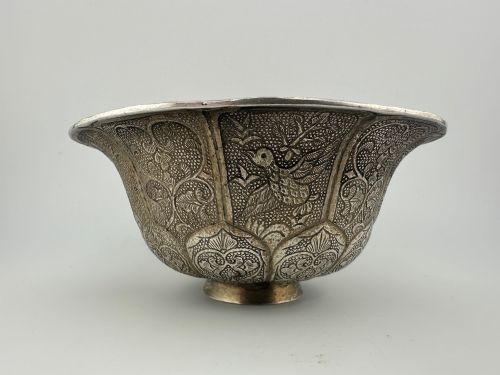
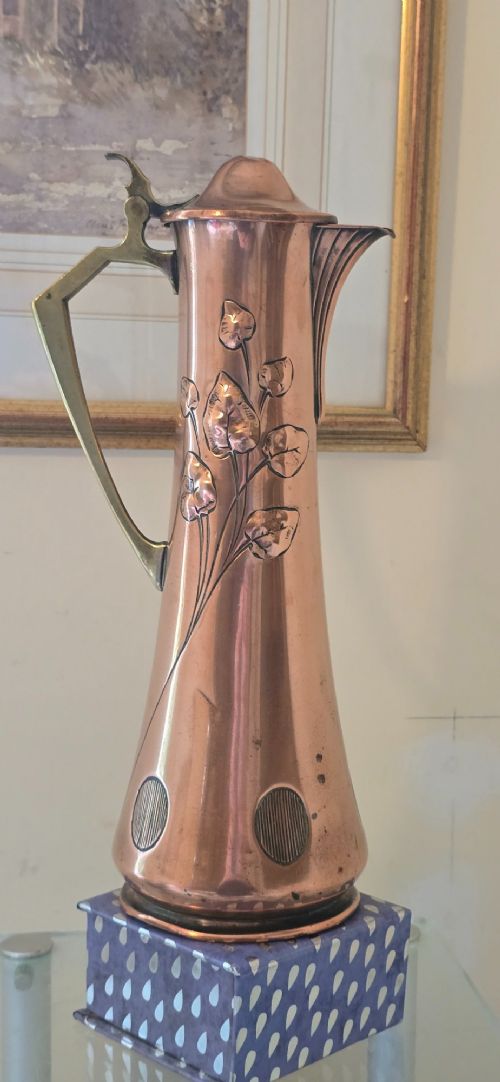
The periods represented stretch from the eighteenth century through the Edwardian era and into the early twentieth century, taking in Georgian elegance, Victorian utility, Art Nouveau styling, and Meiji period craftsmanship. Anglo-Indian campaign buckets and Islamic silver-inlaid wash bowls demonstrate the wide geographic reach of these manufactured objects. Buyers primarily select these pieces to anchor modern interiors with authentic period patina and robust metalwork.
Materials and Construction Techniques
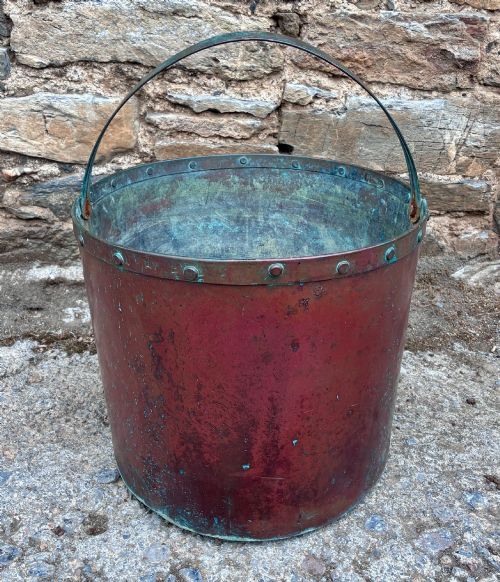
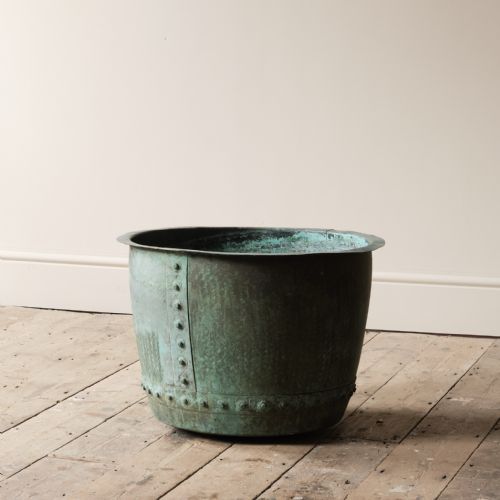
Copper dominates the material record, shaped into large garden vessels, jam pans, and wash tubs through intensive manual forming. Artisans joined heavy sheets using hand-riveting techniques, leaving visible seams and structural joints that contribute significantly to the industrial character of nineteenth-century examples. Riveted construction ensured structural integrity for vessels holding water, coal, or boiling liquids.
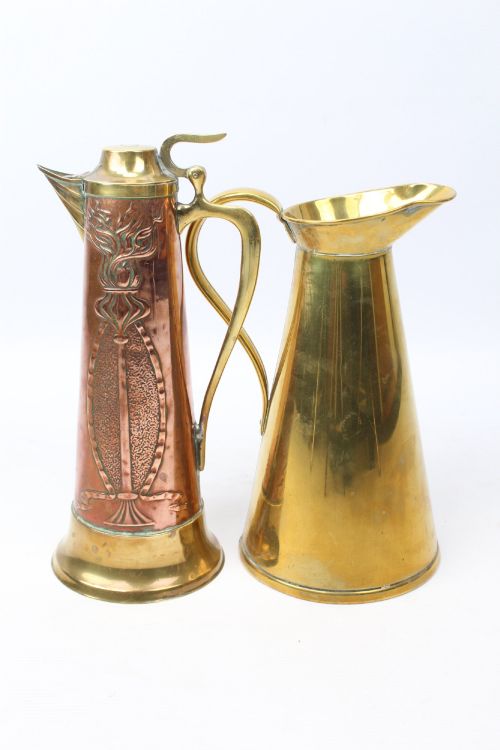
Brass and bronze permitted alternative methods of shaping, including casting for campana urns, mortars, and tripod censers. Workers utilised repousse and chasing techniques on copper and brass surfaces to create detailed floral reliefs, foliage, and figurative motifs. Silver plating over base metals and enamel additions also appear on tankards, samovars, and decorative vases from the Edwardian period.
An eighteenth-century copper warming flask comes complete with its original detachable oak handle for quick midnight retreats.
Determining Quality and Execution
Quality rests upon the heft of the metal and the integrity of the original construction rather than decorative surface treatment alone. Heavy-gauge copper with substantial hand-riveting demonstrates superior durability compared to thinner machine-pressed alternatives from later periods. Cast iron mortars and urns reveal quality through the crispness of the casting and the thickness of the walls.
Refinement of detail distinguishes standard utilitarian containers from exceptional decorative pieces. The precision of repousse work on Indian vases, the articulation of handles and finials on bronze censers, and the balanced integration of contrasting brass elements on copper bodies separate standard workshop output from superior examples.
William Soutter & Sons·Walker & Hall·Andrew Handyside
The Vintage Metal Vessel Glossary
- Censer
- An incense burner, often raised on three legs with a fitted cover, frequently cast in bronze during the late Qing dynasty.
- Jardiniere
- An ornamental pot or stand designed to hold growing plants or flowers, commonly rendered in heavy brass or copper during the Victorian and Edwardian eras.
- Repousse
- A metalworking technique where the artisan hammers the metal from the reverse side to form a raised design in relief on the front.
- Verdigris
- The green patina or crust that naturally forms on copper, brass, and bronze surfaces through prolonged exposure to atmospheric elements.
- Campana
- A bell-shaped garden urn, typically cast in iron and associated with classical revival forms used in nineteenth-century landscaping.
- Samovar
- A heated metal container traditionally used to boil water for tea, often plated in silver during the early twentieth century.
Vintage Metal Vessel: Frequently Asked Questions
How do I clean verdigris from copper vessels?
A gentle wash with warm soapy water removes surface dirt without disturbing the underlying oxidation. Collectors generally prefer to preserve the natural aged patina rather than aggressively polishing historical metalwork.
Harsh chemical cleaners strip away centuries of character and diminish the visual depth of antique copper and brass. Light dusting and occasional waxing protect the surface while maintaining historical integrity.
Were these copper pots used for cooking?
Many nineteenth-century copper vessels, such as jam pans and coffee pots, served active culinary purposes in large domestic kitchens. Heavy-gauge walls allowed for even heat distribution during food preparation.
Other large copper containers functioned as laundry wash tubs or garden planters rather than kitchenware. Examining the interior wear and scaling helps determine the original domestic application of each piece.
How do I date a brass coal bucket?
Edwardian and Victorian brass buckets often feature specific construction traits like dovetailed base joints and riveted swing handles. Fretwork designs and applied crests point towards late nineteenth or early twentieth-century manufacturing trends.
Comparing the weight, handle attachments, and foot styles with documented period examples confirms the era of production. Subtle shifts in decorative motifs differentiate Georgian items from later Victorian revivals.
Can cast iron urns stay outside?
Nineteenth-century cast iron urns were specifically designed to withstand prolonged outdoor exposure in gardens and courtyards. The heavy metal composition resists standard weathering while developing a stable, protective rust finish.
Regular inspection prevents excessive corrosion in structural joints during freezing winter months. Placing them on stable stone bases protects the iron from ground moisture.