

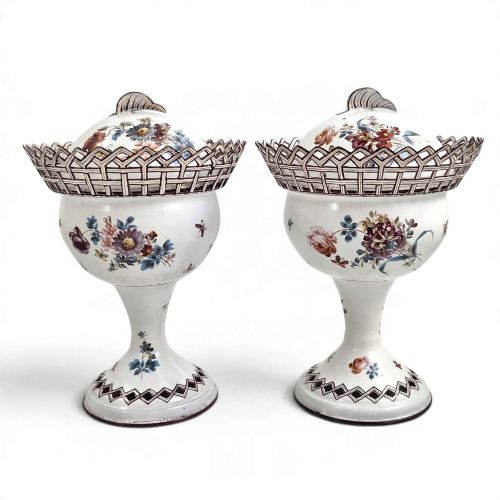
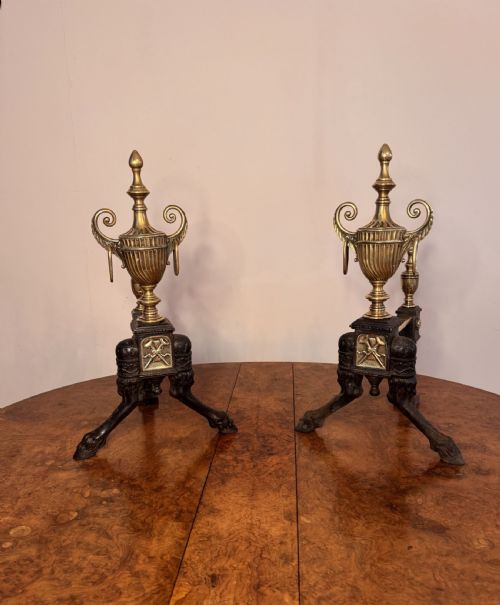
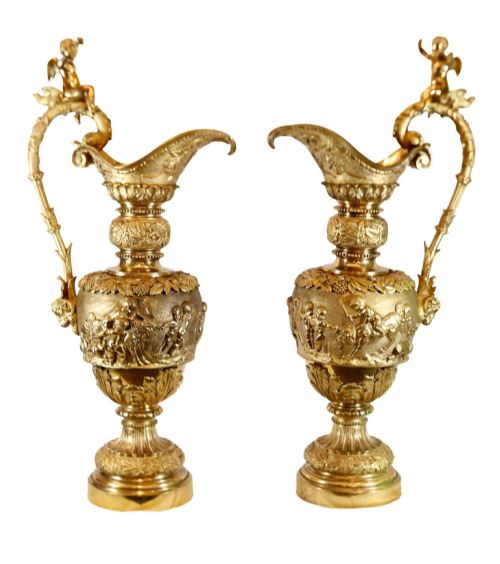
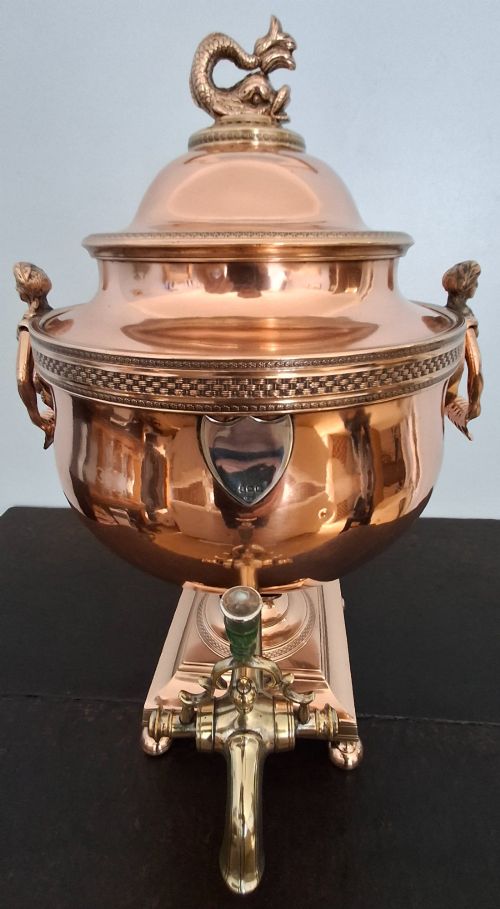


Vintage Metal Urn
These vintage metal urn pieces bring classical gravity and utilitarian utility to domestic spaces, combining robust materials with decorative presence.
Vintage Metal Urn
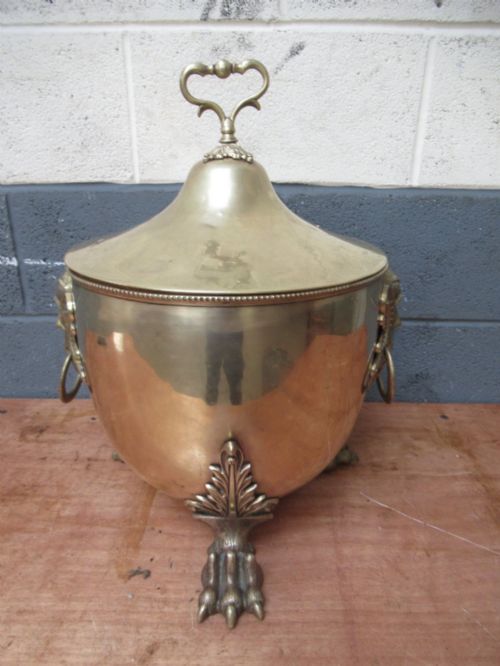
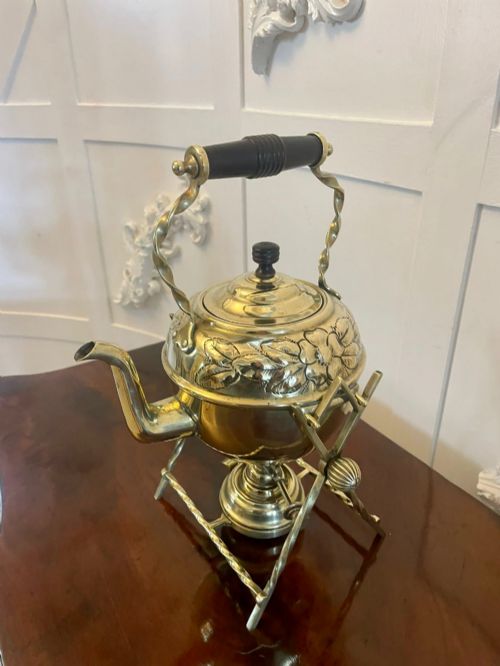
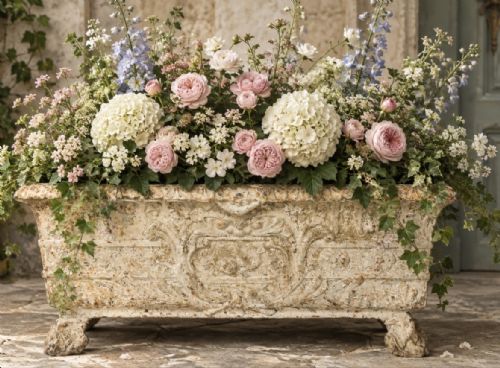
A vintage metal urn encompasses a varied group of utilitarian and decorative vessels fashioned from brass, copper, cast iron, and bronze across the eighteenth, nineteenth, and early twentieth centuries. Buyers searching this phrase meet everything from heavy garden planters and campana garden urns to domestic tea urns, samovars, spirit kettles, and table lamps.
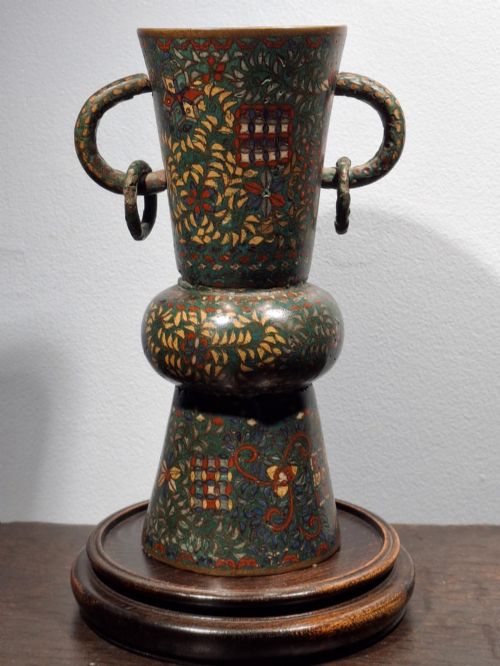
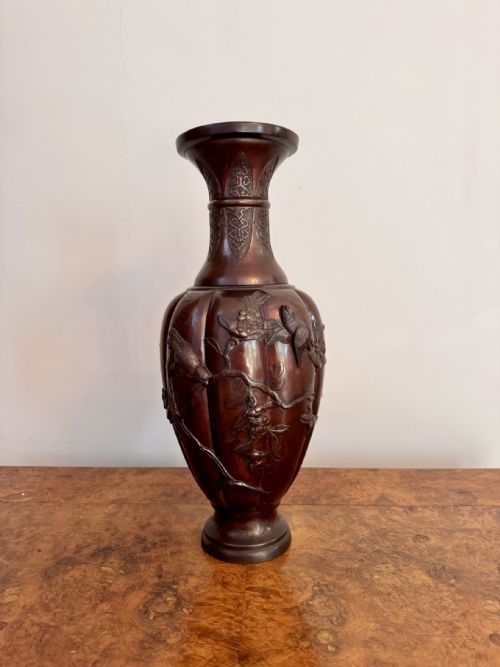
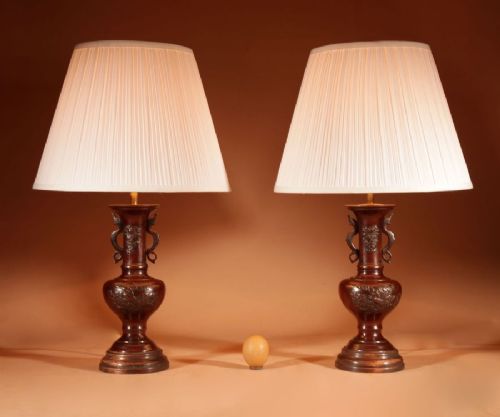
The selections span distinct periods and stylistic influences, ranging from Georgian and Victorian British pieces to French chateau ironwork, Neoclassical designs, and Japanese Meiji period bronze or cloisonne examples. Most surviving domestic examples originate from the nineteenth century, functioning originally for beverage service or interior decoration before transitioning to purely ornamental roles.
Materials and construction
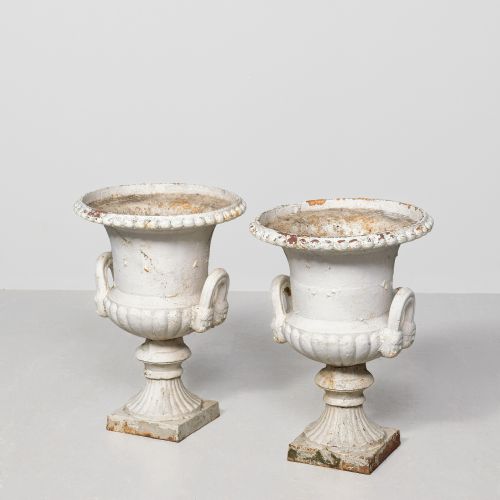
Makers utilised heavy casting techniques for iron and bronze garden pieces, pouring molten metal into detailed moulds to create crisp foliage, handles, and classical Campagna profiles. Foundries such as Val d'Osne produced durable cast iron planters designed to withstand outdoor weathering while maintaining architectural clarity.
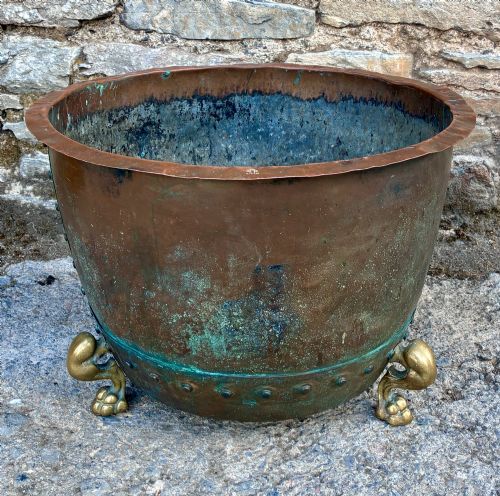
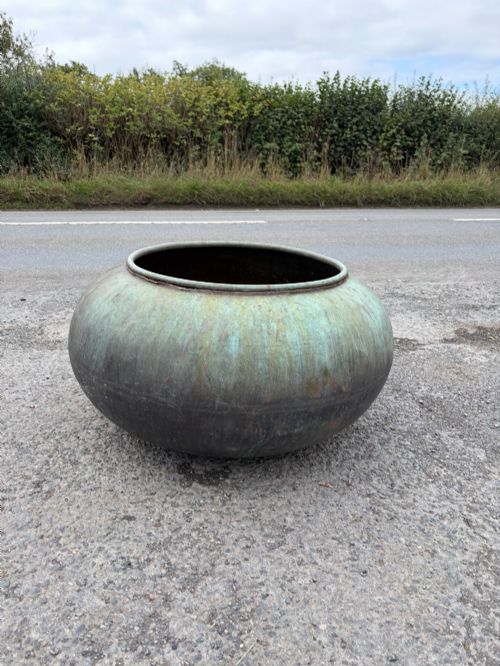
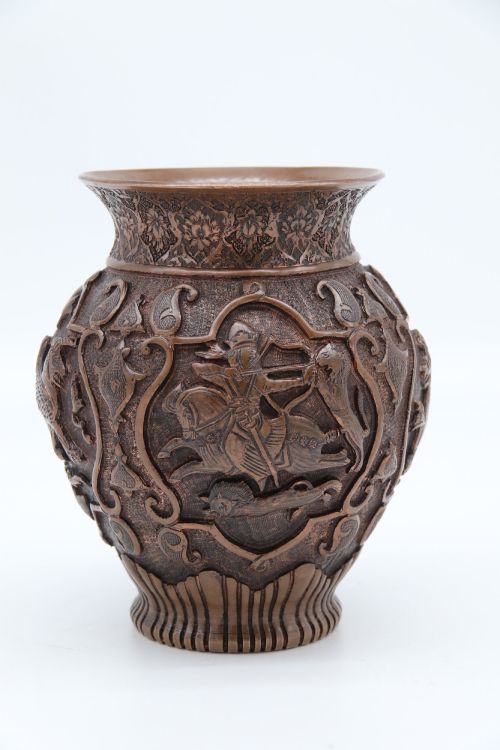
Sheet metals like copper and brass were beaten, riveted, or spun by hand for vessels intended to hold liquids, such as samovars and spirit kettles. Artisans applied repoussé and embossing techniques to create surface relief, sometimes combining silver plating or enamel work for refined interior decorative items.
Vintage Metal Urn Retail Price Guide 2026
Typical asking prices for vintage metal urn among the pieces listed under this phrase on Sellingantiques today, from the lower quarter to the upper quarter. They describe what is for sale here now, not the wider market.
Listings feature periods spanning from the eighteenth century through the Edwardian era, incorporating materials like cast iron, bronze, copper, and enamel.
Distinctions in quality
Quality rests upon the crispness of the casting or the precision of the hand-beaten seams, distinguishing heavy structural integrity from purely decorative mass-produced substitutes. Superior examples display balanced proportions, authentic surface patination, and maker attribution or foundry marks that verify their origin.
The integrity of joins, handles, and spigots on functional vessels like samovars separates utilitarian grade items from finer display pieces. Furthermore, the complexity of decorative enrichment, whether finely chased bronze or detailed cloisonne enamel, dictates the upper tier of the range.
Val d'Osne Foundry·Andrew Handyside·William Soutter And Sons·Walker And Hall
The Vintage Metal Urn Glossary
- Campana urn
- A bell-shaped garden vessel with a flared lip and footed base, frequently cast in iron for nineteenth-century terraces. This classical silhouette derives from antique stone excavation models.
- Samovar
- A heated metal container traditionally used to boil water for tea, often featuring an internal vertical metal tube. These domestic service pieces commonly combine brass and copper elements.
- Repoussé
- A metalworking technique where the artisan hammers the metal from the reverse side to form a raised design in relief. This method appears frequently on nineteenth-century copper vases and kettles.
- Cloisonné
- An enamelwork process where thin metal wires are soldered to a base to form compartments filled with vitreous paste. Japanese examples from the Meiji period utilise this method.
- Jardiniere
- An ornamental pot or stand designed to hold growing plants or floral arrangements, typically cast in iron or brass. These decorative pieces frequently incorporate classical or floral motifs.
Vintage Metal Urn: Frequently Asked Questions
What is a vintage metal urn?
A vintage metal urn is a decorative or functional vessel shaped from copper, brass, iron, or bronze during the eighteenth, nineteenth, or early twentieth centuries. These objects include garden planters, tea samovars, and decorative vases.
They serve as focal points in interiors and gardens, combining historic manufacturing methods with classical silhouettes.
How were metal samovars used?
Metal samovars functioned primarily to heat water for tea service in domestic settings throughout the Georgian and Victorian periods. Water boiled via an internal vertical metal tube while the surrounding chamber maintained temperature.
Today, collectors appreciate them as sculptural decorative objects on sideboards or mantelpieces.
Where were cast iron urns placed?
Cast iron urns were designed to occupy prominent positions in nineteenth-century gardens, patios, and terrace entrances. Their heavy construction allowed them to remain stable outdoors.
Modern interiors and gardens utilise them to house large plants or as architectural garden ornaments.
How do I date a metal urn?
Dating relies upon examining construction marks, material composition, and stylistic details such as Neoclassical or Victorian motifs. Riveted seams, foundry stamps, and surface patination provide clues to the manufacturing era.
Comparing the form to documented nineteenth-century foundry catalogues helps establish a precise period.