
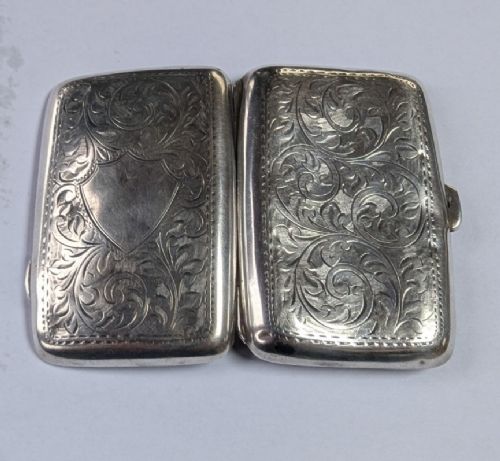


Vintage Metal Trinket Box
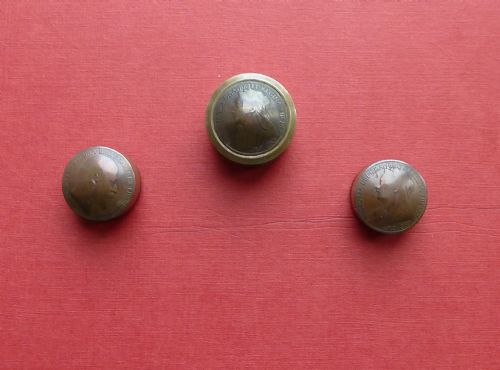
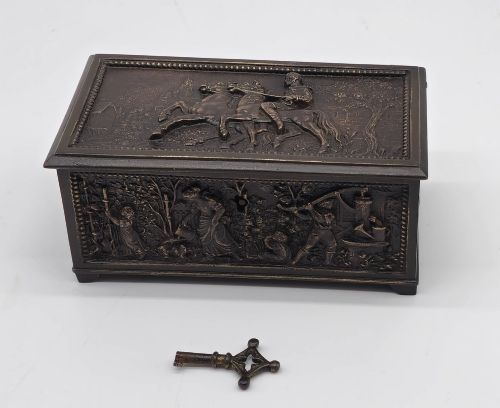
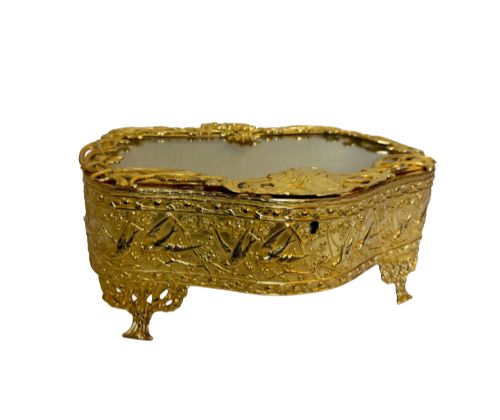
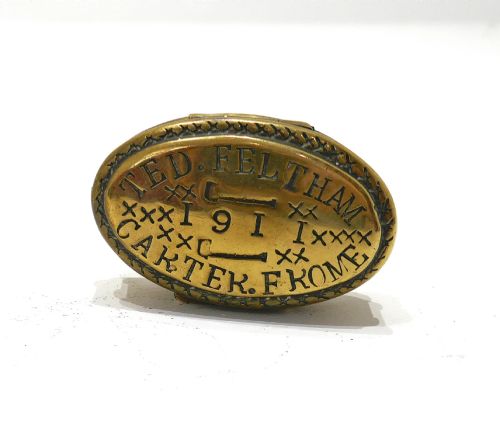
These vintage metal trinket boxes span brass, bronze, and pewter, offering small containers designed to hold keepsakes and jewellery.
Vintage Metal Trinket Box
A vintage metal trinket box takes many forms, ranging from pocket snuff boxes and card boxes to larger jewellery caskets and decorative containers. You will encounter pieces spanning the nineteenth century through the art deco and arts and crafts periods.
The selection includes French ormolu and glass caskets, copper boxes decorated in a William Morris style, and heavy cast metal vessels. Styles stretch from Georgian and Victorian to art nouveau and gothic revival.
Origin points vary widely across the inventory, taking in English brass work, French gilt metal, German steel, and Austrian bronze. These items served functional roles for tobacco, snuff, or cards before becoming display pieces.
Materials and construction methods
Metals form the core of these objects, utilising brass, copper, bronze, pewter, and steel alongside gilt metal, silver plate, and ormolu. Artisans combined these base metals with glass panels, enamel inlays, and hand-painted details.
Techniques recorded in the pieces include repoussé hand decoration, surface engraving, chisel work, and heavy casting. Boxes often feature hinged lids, lined interiors, or applied ornamental motifs such as bamboo patterns or figural scenes.
The inventory records pieces spanning the eighteenth century through the 1940s, highlighting brass, copper, bronze, and pewter.
Distinctions in execution and design
Quality rests in the crispness of the casting, the depth of hand-chased or repoussé work, and the integration of secondary materials like enamel and glass. Finer examples display meticulous detail in pictorial scenes or botanical motifs.
Construction integrity distinguishes better pieces, seen in the smooth operation of hinges, the snug fit of lids, and the weight of the base metal. Maker attribution and specific regional styles also separate standard production items from distinguished studio works.
W M F·Liberty And Co·S Theeman·Hunter And Palmer·Cartier London
The Vintage Metal Trinket Box Glossary
- Ormolu
- A gilt bronze technique used extensively on nineteenth-century French decorative items and mounts. It provides a bright golden finish to cast metal.
- Repoussé
- A metalworking method where an artisan hammers the design from the reverse side to form a raised relief on the front. This technique appears frequently on arts and crafts copper boxes.
- Vinaigrette
- A small ornamental box fitted with an internal perforated grille, used originally to hold a sponge soaked in aromatic vinegar. These are typically tiny and finely worked in silver or gilt metal.
- Tole ware
- Lacquered or enamelled metalware, usually tin, painted with decorative scenes. It offers durable colour and pattern on everyday containers.
- Casket
- A larger decorative box, often footed and lined, designed to hold jewellery or precious items rather than dry goods like snuff or tobacco.
Vintage Metal Trinket Box: Frequently Asked Questions
What were these metal boxes originally used for?
Many containers were made for specific dry goods, such as tobacco, snuff, cigars, or tea. Others served as personal receptacles for calling cards, postage stamps, or small pieces of jewellery.
Over time, their practical function shifted into decorative display. Today, they sit on dressing tables and desks to store modern keepsakes.
How do I identify an Art Nouveau metal box?
Art nouveau items rely on organic lines, stylized plant motifs, and flowing asymmetrical shapes. You will often see whiplash curves, floral elements, and depictions of maidens or insects.
Parks of the design frequently incorporate hammered copper, bronze, or specialised enamel panels characteristic of the turn of the twentieth century.
What is the difference between a trinket box and a jewellery casket?
A trinket box generally refers to smaller containers meant for pins, rings, or coins. They are straightforward in their capacity and layout.
Jewellery caskets tend to be larger, heavier, and more architectural in design. They frequently feature detailed feet, glazed panels, or fitted velvet interiors.
How should I care for antique metal boxes?
Keep metal boxes away from damp environments to prevent corrosion on steel, copper, and brass surfaces. Dust them gently with a soft dry cloth.
Avoid aggressive metal polishes that can strip away original patinas, gilding, or delicate hand-painted details on enamel and tole ware.