

Vintage Metal Table Light
A vintage metal table light brings focused illumination and period character to a room, spanning styles from Georgian to Art Deco.
Vintage Metal Table Light
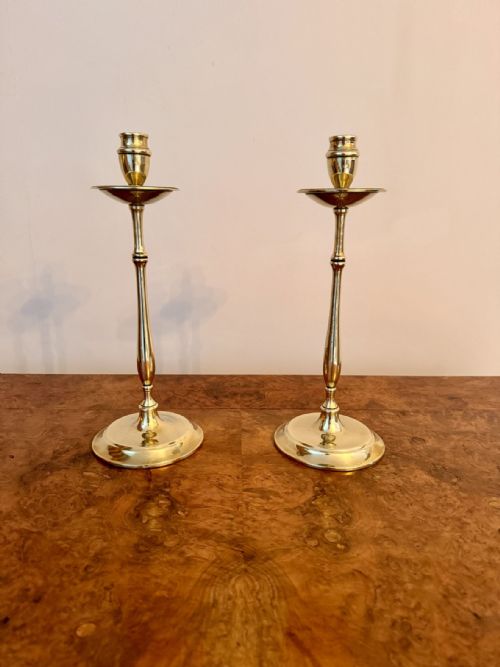
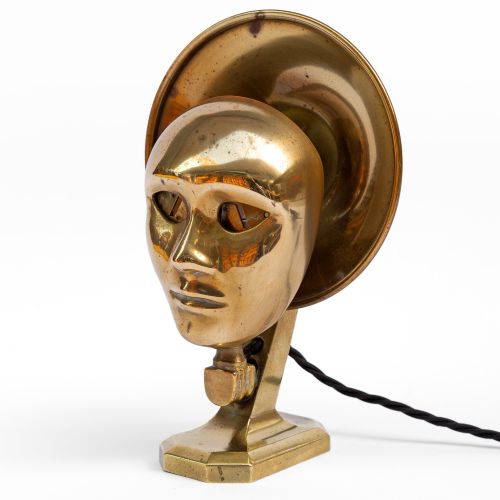
A vintage metal table light encompasses functional desk lamps, converted candlesticks, and decorative illumination pieces spanning multiple centuries of design. When searching for a vintage metal table light, buyers encounter everything from early brass ejector candlesticks to Machine Age chrome task lighting. The selection draws on diverse origins, including French Empire, Arts and Crafts, and Art Deco workshops.
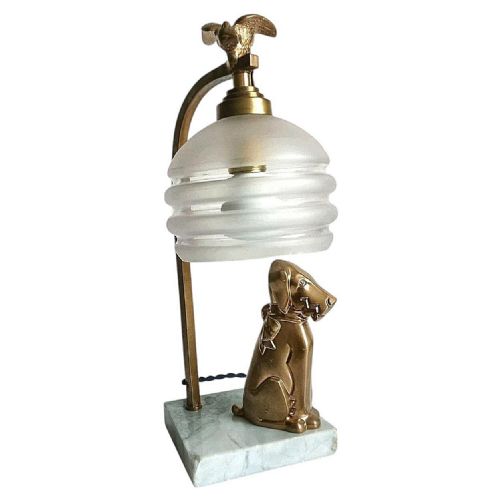
The objects take many physical forms, ranging from towering candelabra and bouillotte desk lamps to novelty animal figures and repurposed tea canisters. Materials extend beyond plain metal to incorporate marble, alabaster, glass, and fabric shades. Pieces emerge from diverse global traditions, including Japanese bronze work and Indian brass manufacturing alongside traditional European idioms.
Materials and construction methods
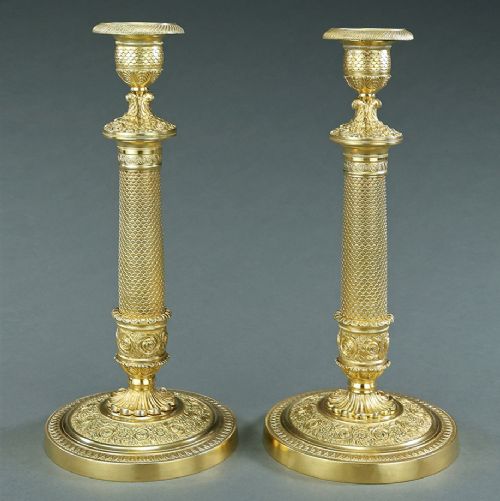
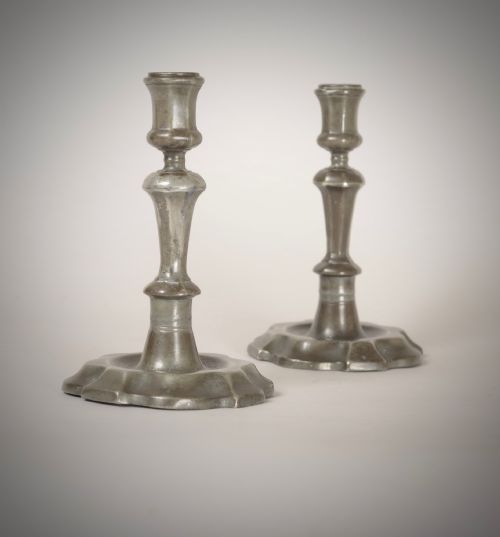
Construction relies heavily on copper alloys such as brass and bronze, alongside cast iron, white metal, pewter, and silver plate. Artisans utilised techniques like casting, seaming, beating, and patination to shape the metal bodies. Gilt metal and ormolu finishes provide surface brilliance on pieces influenced by French Neoclassical and Rococo tastes.
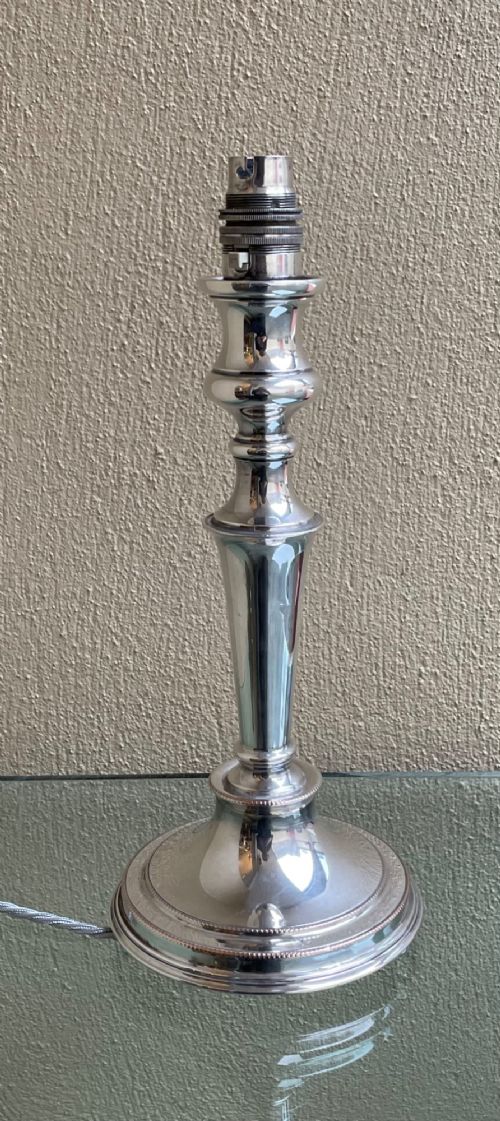
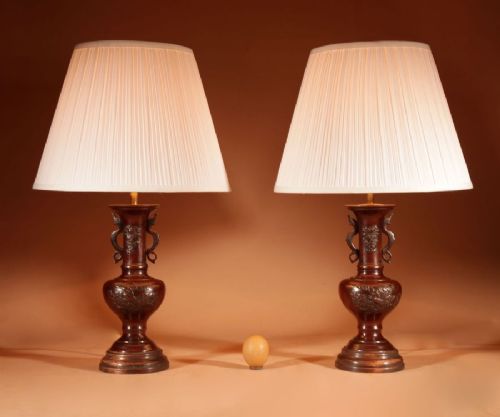
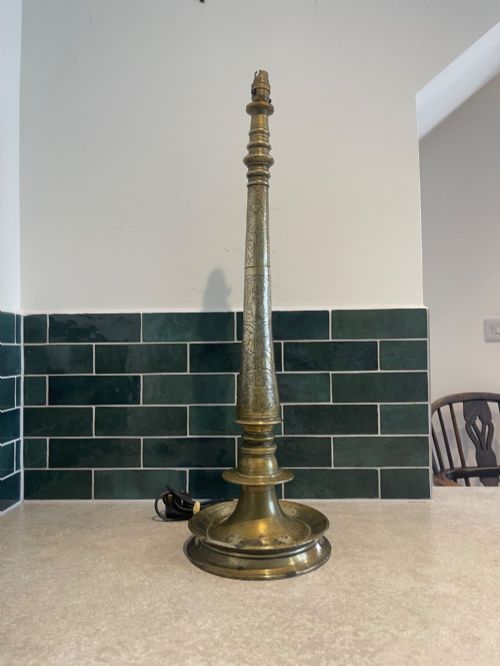
Many items begin life as utilitarian objects or candleholders before undergoing later conversion into wired lamps. Structural elements frequently integrate secondary materials including carved marble bases, alabaster mounts, and hand-painted tole-peinte shades. Maker methods range from heavy industrial stamping in Machine Age chrome to delicate cloisonné enamelling on bronze.
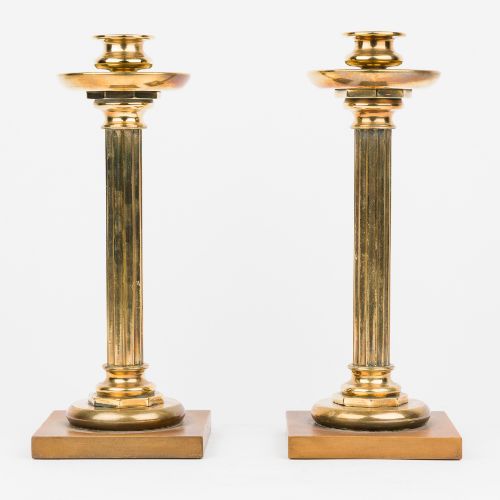
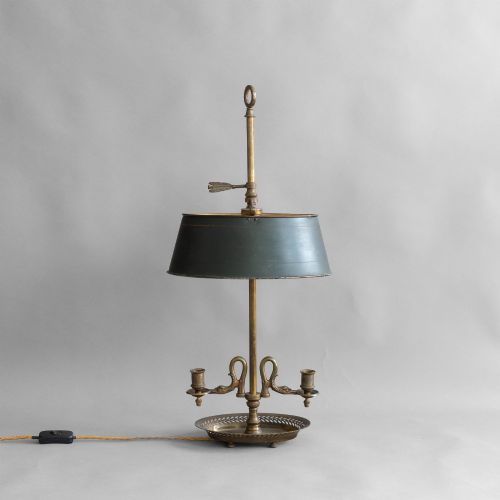
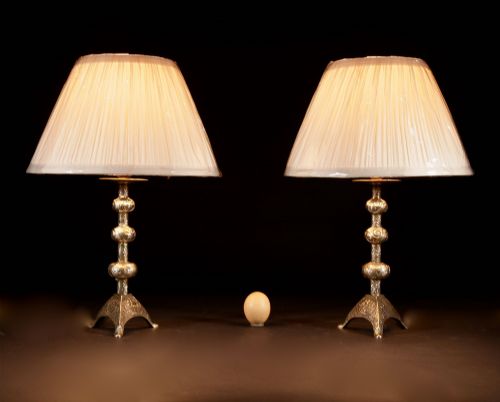
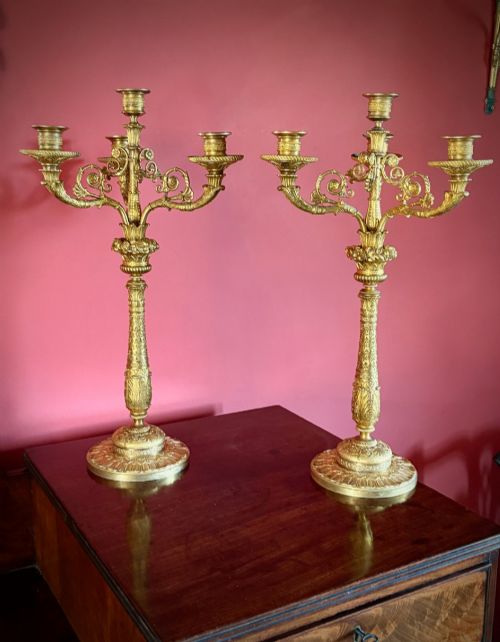
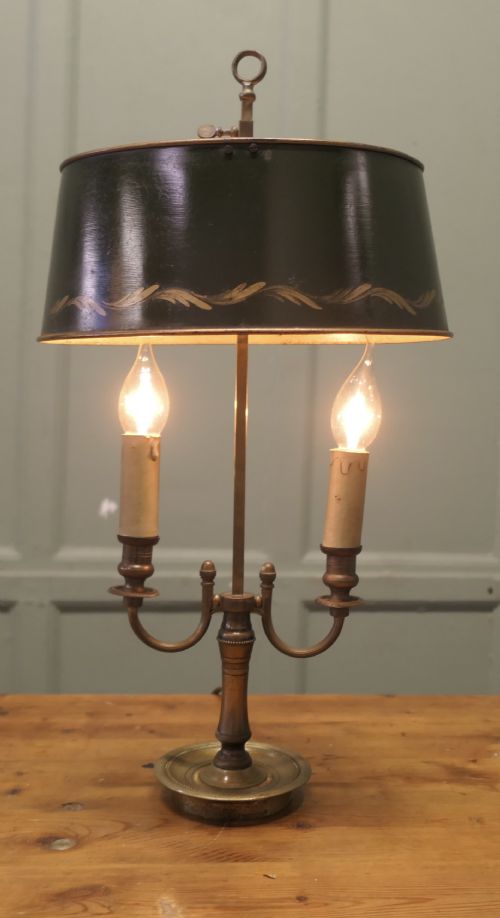
Object forms include desk lamps, candlesticks, candelabra, and bouillotte lights inspired by French and English designs.
Distinctions in craftsmanship and design
Quality rests in the crispness of cast ornamentation and the integrity of the original metal patination. Superior examples display thoughtful proportions, balanced weight, and integrated wiring solutions that respect the historic body. Pieces signed by known designers or produced during distinct stylistic movements hold particular distinction.
Lesser items may suffer from heavy wear to plated surfaces, poorly executed conversions, or mismatched components added during later repairs. The distinction between mass production and individual studio output shapes the overall character and visual impact of each light.
Eileen Grey·E Rousseau·Wild And Wessel·Herbert Terry·WAS Benson
The Vintage Metal Table Light Glossary
- Ormolu
- Gilded bronze produced by applying a finely ground mercury and gold amalgam to cast bronze. This technique creates a rich, enduring golden finish seen on French Empire and Regency pieces.
- Toleware
- Lacquered or enamelled metalware, typically iron or steel, painted with decorative scenes or solid colours. It frequently appears on bouillotte lamps and column lights from the nineteenth and early twentieth centuries.
- Spelter
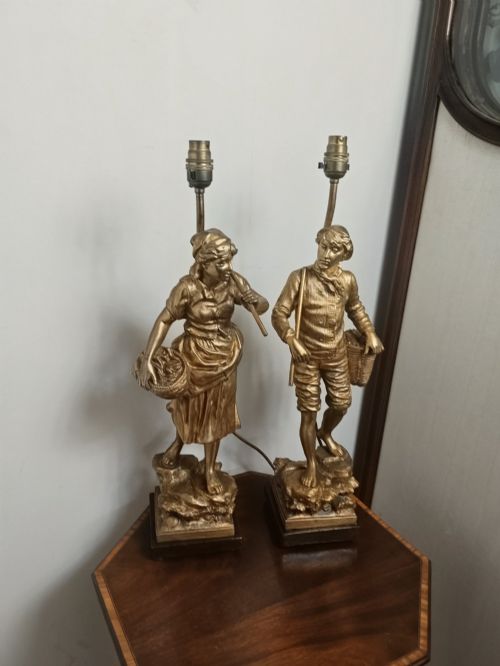
- An alloy of zinc and lead cast into decorative figures and lamp bases, often given a bronze or patinated finish. It serves as a more affordable alternative to solid bronze in many twentieth-century items.
- Bouillotte lamp
- A traditional desk or table lamp featuring a central stem and an adjustable metal shade that directs light downward. They often incorporate twin or multi-light configurations over a circular tray base.
- Ejector candlestick
- A domestic candlestick containing an internal sliding mechanism designed to push out the remaining candle stub. These pieces date back to the eighteenth century in solid brass.
Vintage Metal Table Light: Frequently Asked Questions
How do I wire an old metal lamp safely?
Older metal lamps require professional rewiring with modern insulated flex and compliant lamp holders to ensure domestic electrical safety. A qualified electrician can thread modern cord through historic bodies without damaging the underlying metal structure or patination.
Many antique lamps arrive already converted or rewired for contemporary use, but checking the internal earthing is essential for metal-bodied lights. Retain original switches and plugs where possible if they contribute to the historic integrity of the piece.
Were these always electric lamps?
Most antique metal lighting started life as an oil lamp, gas fixture, or a simple candlestick before electricity became common in homes. Artisans later adapted these functional household objects into table lamps by routing wires through existing stems or burners.
This history of adaptation means that many pieces show signs of previous fuel or flame use alongside modern electrical components. Such conversions represent a standard part of living with antique lighting.
How do I clean patinated metal surfaces?
Gentle dusting with a dry microfibre cloth is generally sufficient to remove surface debris from bronze, brass, and copper. Avoid harsh chemical cleaners or abrasive metal polishes that strip away the historic patinated layers accumulated over decades.
Preserving the natural oxidation maintains the visual depth and authenticity of the metal. Consult a specialist restorer if the surface requires deeper intervention or stabilization.
What styles dominate early twentieth-century lighting?
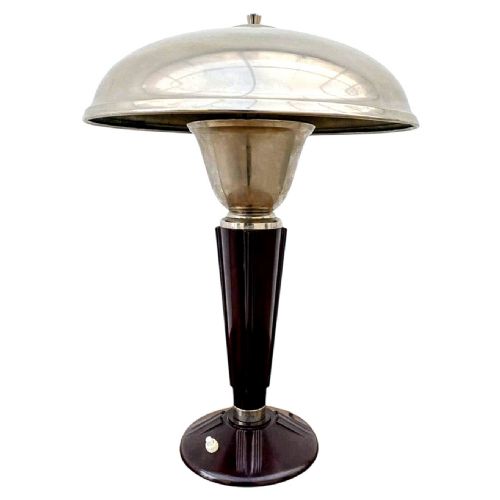
The early twentieth century saw a shift toward Art Deco geometry, Arts and Crafts hand-beaten textures, and industrial Machine Age chrome. Designers experimented with novel materials like Bakelite and utilised animal motifs alongside modernist silhouettes.
This era balances traditional casting methods with emerging industrial techniques inspired by film, architecture, and mass production. Pieces from this period reflect a distinct departure from Victorian ornamentation.