

Vintage Metal Stick Holder
A vintage metal stick holder brings sturdy organisation to a hallway, channelling utilitarian history into everyday utility.
Vintage Metal Stick Holder
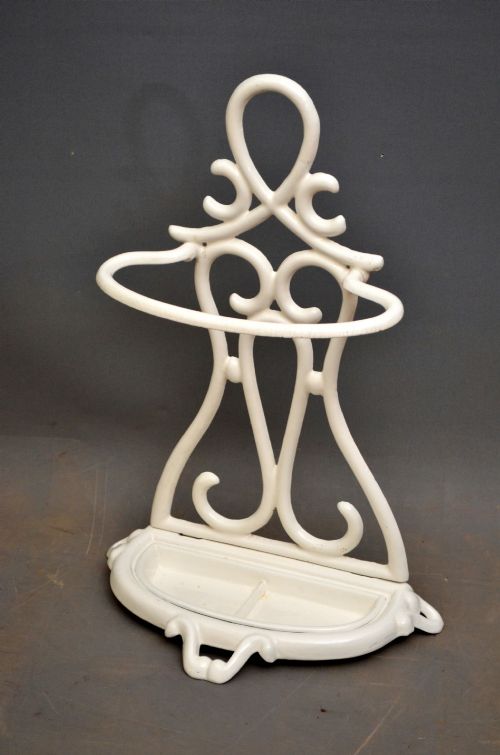
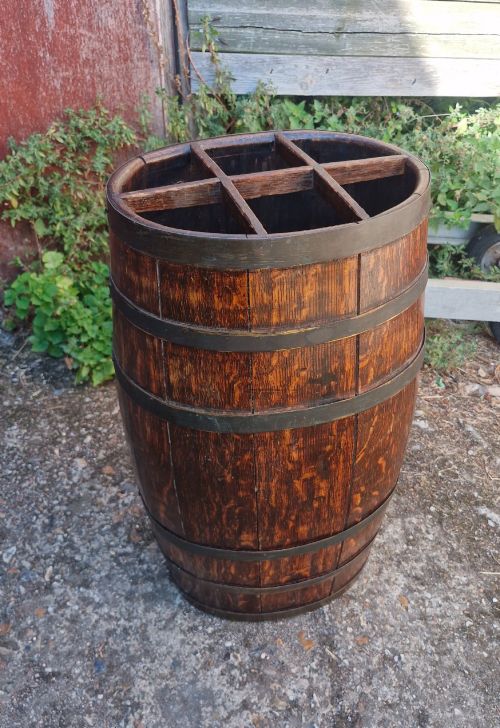
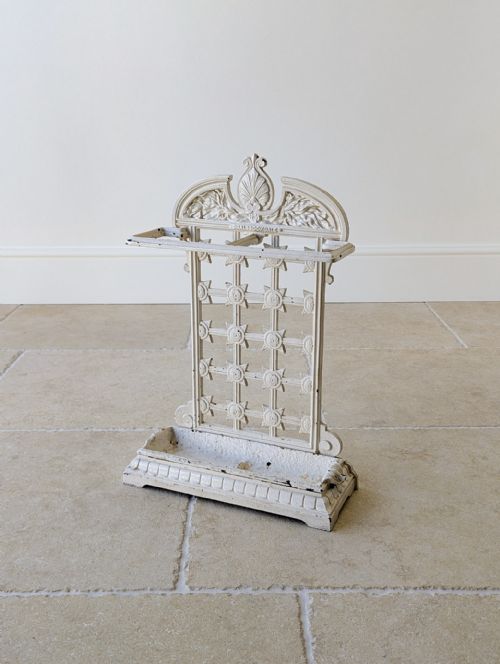
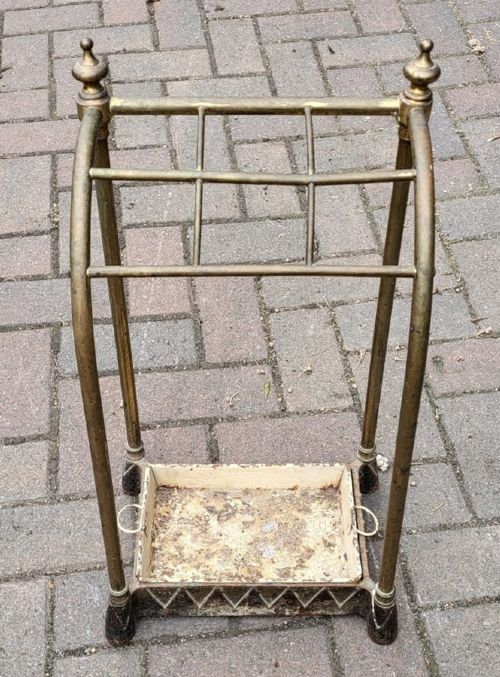
When searching for a vintage metal stick holder, buyers encounter robust hallway furnishings designed to corral walking sticks, umbrellas and canes. The selections here span sturdy 19th century foundations through to sleek 1930s creations.
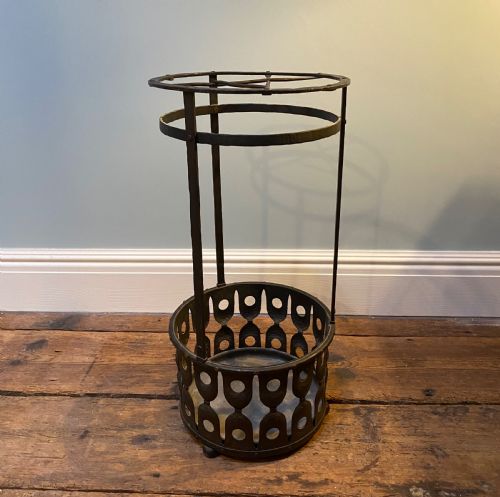
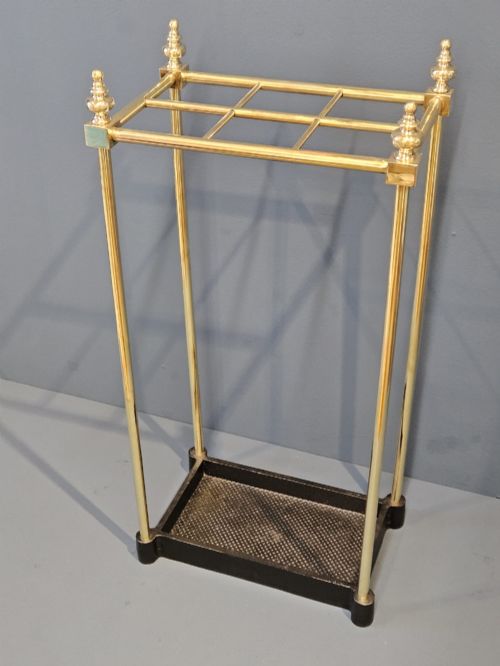
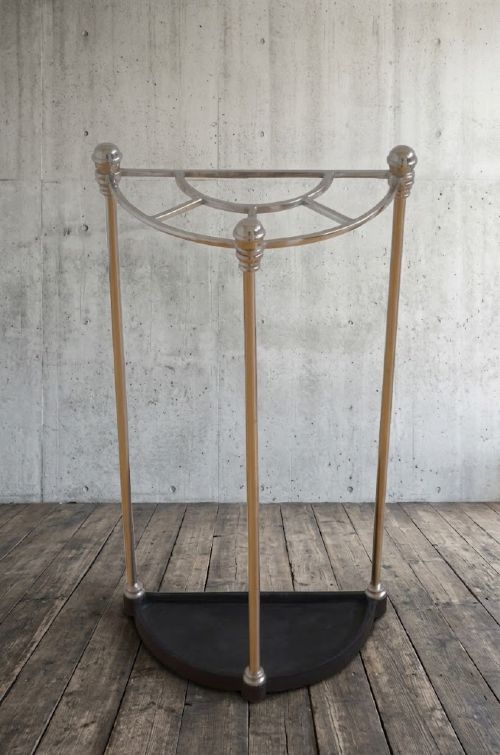
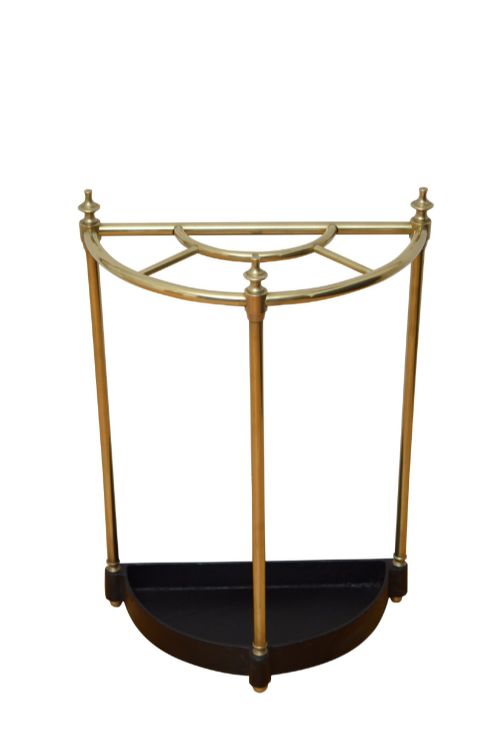
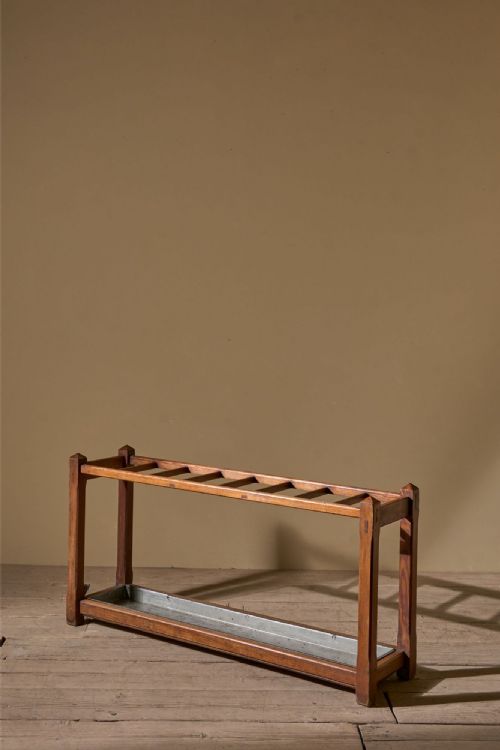
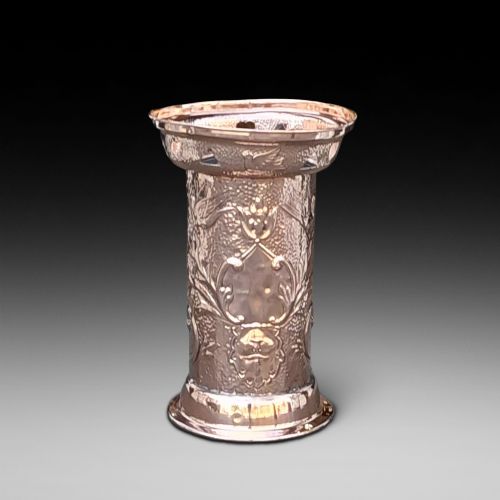
Most examples appearing on this page take the form of half-round demi-lune designs or substantial upright cylinders. They emerge from periods ranging from the Victorian era up to the Art Deco decades, shaped by utilitarian needs.
Makers utilised resilient metals to withstand daily domestic use in country houses and town residences alike. The resulting vessels combine functional drainage bases with decorative framework intended for prominent entrance hall placement.
Materials and construction
Foundations rely heavily on cast iron for heavy-gauge stability, paired with sheet brass or copper for visible structural framing. Manufacturers often integrated heavy cast bases to prevent tipping when loaded with wet umbrellas.
Surface treatments incorporate applied white enamel finishes, nickel plating or polished brass surfaces to resist moisture corrosion. Wrought iron variants display blacksmith-forged joints and riveted assemblies designed for enduring strength.
Art Nouveau and Art Deco pieces employ stamped sheet metal and sectional casting to achieve organic curves or geometric divisions. These techniques allowed workshops to produce compartmentalised frames that kept individual sticks upright.
Vintage Metal Stick Holder Retail Price Guide 2026
Typical asking prices for vintage metal stick holder among the pieces listed under this phrase on Sellingantiques today, from the lower quarter to the upper quarter. They describe what is for sale here now, not the wider market.
Judging build and design
Superior examples distinguish themselves through substantial weight in the base and crisp casting definition in the metalwork. Lesser items rely on thin gauge sheet metal that flexes under pressure and lacks structural rigidity.
The sophistication of the division framework separates standard utility items from decorative showpieces. Finishes such as heavy nickel plating or integrated drip pans indicate higher manufacturing ambition.
Maker attribution elevates certain cast iron examples, particularly those originating from prominent foundries like Coalbrookdale. The crispness of relief detailing and the integrity of original surface patination dictate desirability.
Coalbrookdale·Sudre
The Vintage Metal Stick Holder Glossary
- Demi-lune
- A half-moon shape used in the footprint of wall-fitting stick stands to save hallway space. This curved profile allows the holder to sit flat against a wall.
- Cast iron
- Molten iron poured into a sand mould to create rigid, heavy forms with intricate detail. It provides the essential ballast for umbrella stands.
- Nickel plating
- A protective and decorative coating applied to base metals to give a bright, silver-coloured finish. It prevents corrosion from damp umbrella tips.
- Wrought iron
- Iron heated and hammered into shape by a blacksmith rather than cast in a mould. This technique yields fibrous, tough structural components.
- Drip pan
- A removable tray positioned at the base of a stand to catch water from wet umbrellas. It protects flooring from moisture accumulation.
Vintage Metal Stick Holder: Frequently Asked Questions
Where should I place a metal stick stand?
Position your stand in an entrance hall or porch where walking sticks and wet umbrellas see frequent use. Ensure the floor surface underneath can handle potential moisture from damp items.
Because these vessels possess heavy iron or brass bases, they anchor hallway corners securely while keeping everyday accessories organised.
How do I clean a brass stick holder?
Dust the metal regularly with a soft dry cloth to prevent grime accumulation in recessed details. Avoid harsh chemical polishes that strip away the aged patina accumulated over decades.
Preserving the natural surface coloration maintains the historical character of Victorian and Edwardian metalwork without risking damage to the underlying material.
Are these stands suitable for wet umbrellas?
Most antique metal stands were built precisely to accommodate wet umbrellas returning from inclement weather. Many incorporate built-in or removable trays at the base to catch drainage.
Checking the condition of the lower interior ensures the metal remains sound and capable of handling daily moisture exposure.