






Vintage Metal Signage
Vintage metal signage brings industrial presence and public history into your rooms through advertising signs, street markers, and trade notices.
Vintage Metal Signage
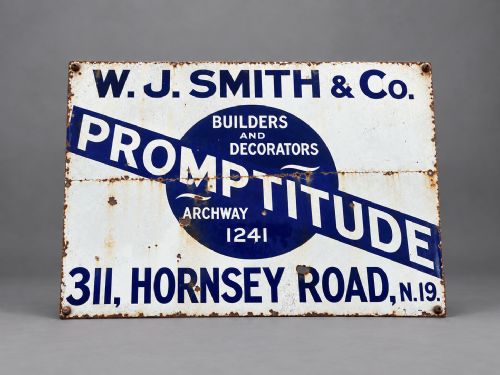
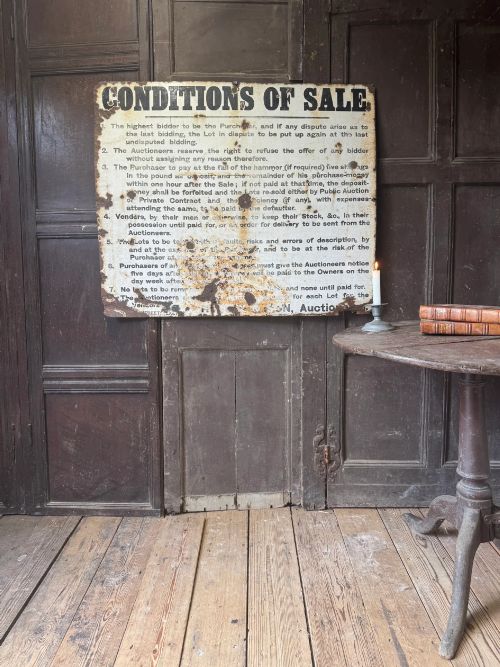
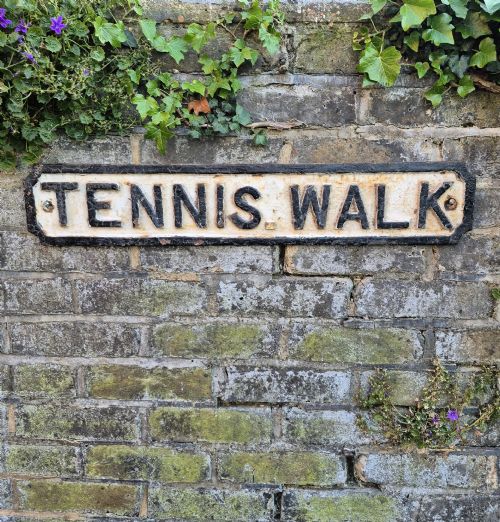
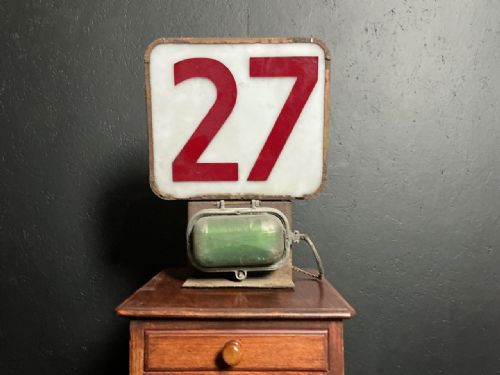
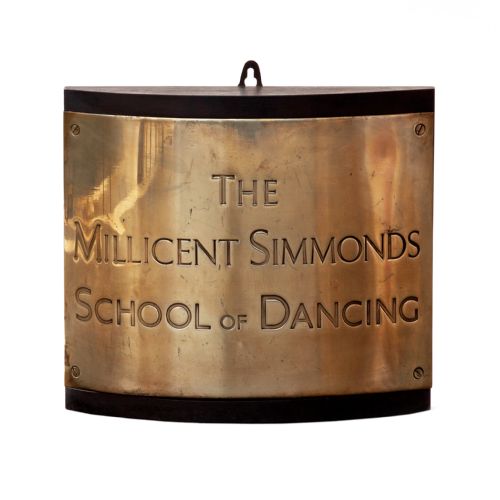
Vintage metal signage encompasses advertising signs, trade signs, street signs, and pub signs originating from periods such as the Victorian era, the Edwardian period, and the early twentieth century. Buyers seeking this phrase encounter wall signage, hanging pub signs, curved brass exterior notices, and double-sided enamelled markers. These objects served utilitarian purposes in railway stations, auctions, shops, and streets before entering the decorative market.
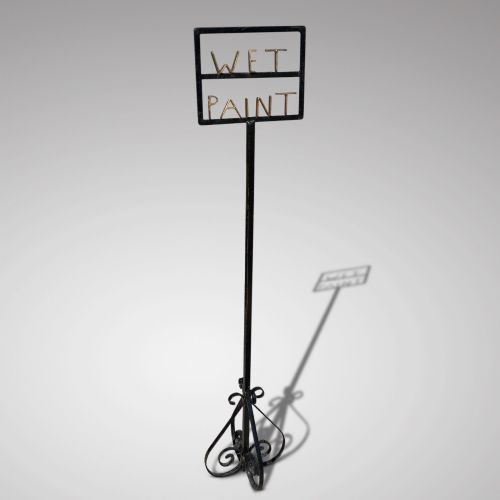
The pieces on this page span diverse forms, including large enamel advertising boards, cast iron trade markers, and painted sheet metal auctioneers' conditions of sale. You will find items ranging from nineteenth-century servants' bell name plates to mid-twentieth-century industrial auction signs and French tradesman notices. Each piece reflects the commercial and municipal communication methods of its specific decade.
Materials and construction methods
Makers utilised vitreous enamel on iron and steel sheets to create durable, weather-resistant advertising boards that retained their bold typography and colour outdoors. Painted metal and sheet metal served for auction notices and tradesman signs, whilst cast iron and wrought iron provided robust support for heavy hanging pub signs and trade markers. Brass featured in exterior signage where a polished or finer metallic finish was required for public-facing businesses.
Vintage Metal Signage Retail Price Guide 2026
Typical asking prices for vintage metal signage among the pieces listed under this phrase on Sellingantiques today, from the lower quarter to the upper quarter. They describe what is for sale here now, not the wider market.
Listings feature pieces spanning the Victorian era, the Edwardian period, and the 1900s through to the 1950s in iron, brass, and enamel.
Assessing quality in metal signs
Quality rests upon the crispness of the original typography, the integrity of the vitreous enamel surface, and the preservation of the underlying metal substrate. Signs featuring complex multi-coloured enamel work or specialised trade graphics demonstrate superior manufacturing effort compared to plain painted alternatives. The depth of cast iron lettering and the heaviness of the mounting brackets also indicate the original grade of the piece.
The retention of original paint layers and authentic mounting hardware elevates the standing of a piece within its category. Signs that retain their structural fasteners and original hanging arms show greater historical completeness. Condition variation depends on how well the protective enamel or paint coating shielded the iron, steel, or brass from environmental wear.
The Vintage Metal Signage Glossary
- Vitreous Enamel
- A material made by fusing powdered glass to a substrate by firing, creating a durable and glossy coloured surface. This technique protected advertising signs from rust and fading.
- Trade Sign
- A marker used by a merchant, artisan, or professional to advertise their business premises. Examples include dentist, pharmacy, and painter notices.
- Pub Sign
- A hanging sign displayed outside an establishment to identify the public house. These often utilised heavy iron brackets and weather-resistant boards.
- Sheet Metal
- Flat metal formed into thin pieces used as a base for painted auctioneers' conditions and commercial notices. It offered a lighter alternative to cast iron.
- Cast Iron
- Iron poured into a mould to create rigid trade signs and name plates with raised lettering. This material provided substantial weight and durability.
Vintage Metal Signage: Frequently Asked Questions
How do I hang heavy metal signs?
Heavy iron and enamel signs require secure wall anchors matched to the weight of the specific bracket or hanging arm.
Ensure fixings engage directly with structural studs or solid masonry to support the cantilevered load safely.
Can these signs stay outdoors?
Vitreous enamel and cast iron pieces tolerate outdoor conditions well because their original manufacturing finishes were designed for exterior exposure.
Painted sheet metal pieces benefit from sheltered placement to prevent moisture from degrading the exposed metal.
How do I clean a vintage sign?
Wash surfaces gently with warm water and mild soap using a soft cloth to remove accumulated dust and surface grime.
Avoid abrasive scouring pads or harsh chemical solvents that might damage original paint layers or enamel gloss.
How are different periods identified?
Period identification relies on typography styles, manufacturing materials, and the specific phrasing used in the trade or street notices.
Victorian and Edwardian pieces often feature distinct serif lettering styles, whilst mid-century examples show simpler industrial fonts.