



Vintage Metal Screen
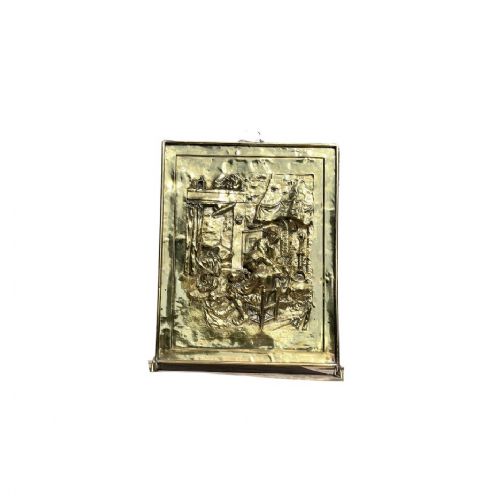
A vintage metal screen stands before an idle hearth, turning brass, copper and iron into architectural theatre.
Vintage Metal Screen
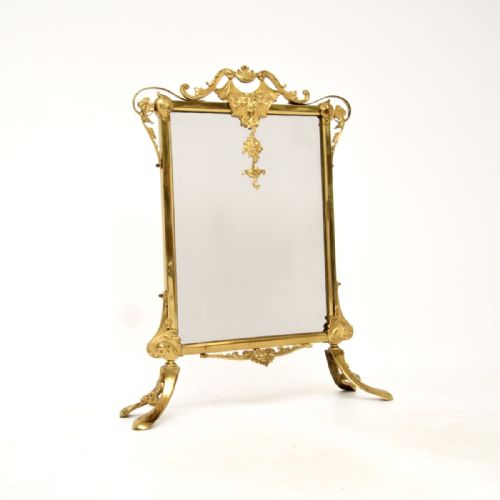
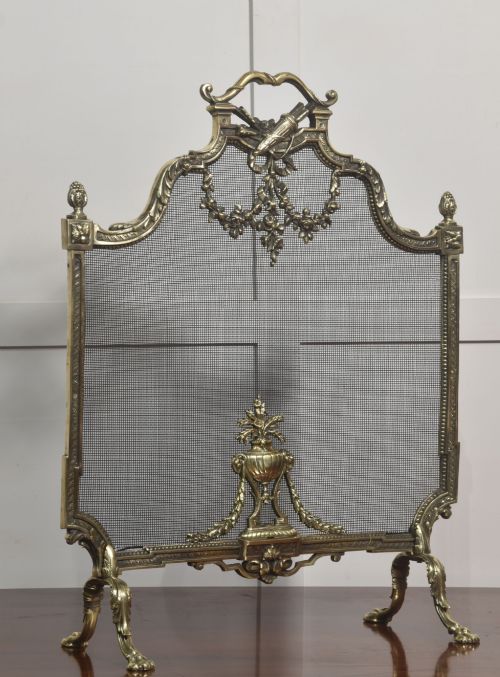
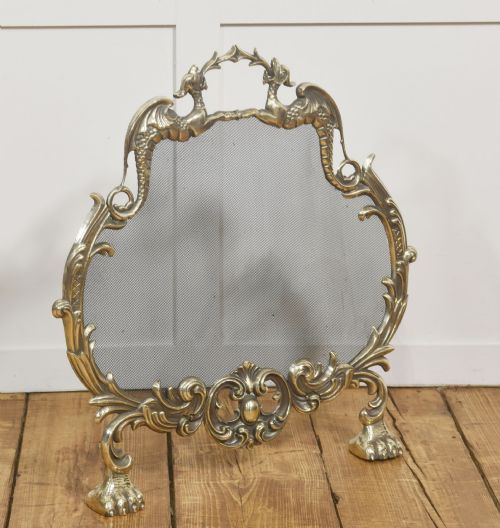
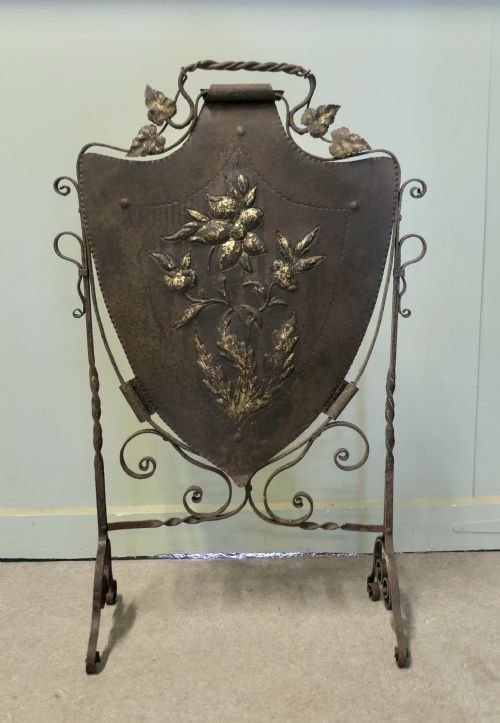
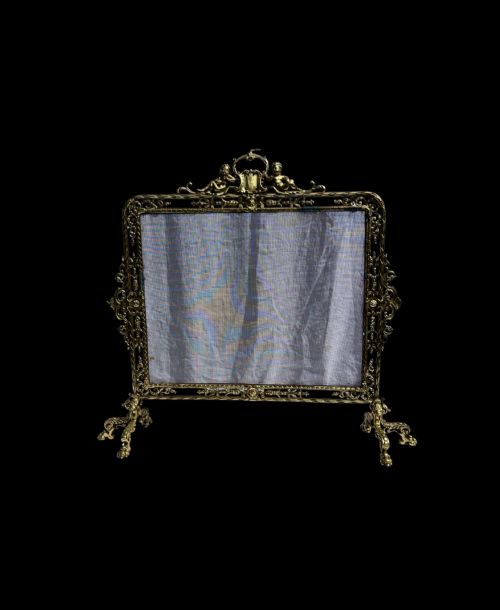
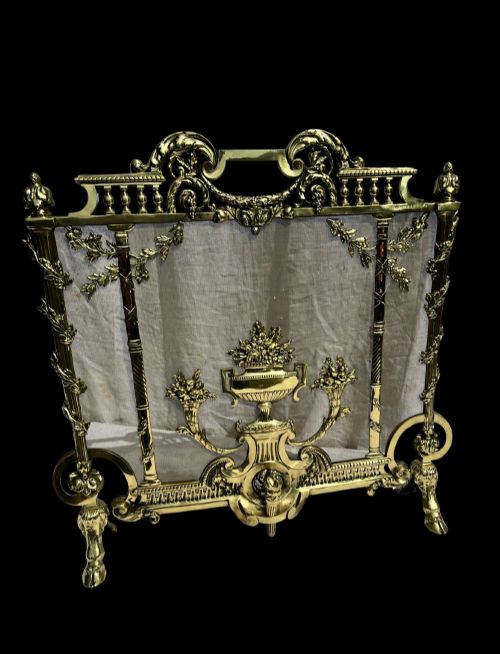
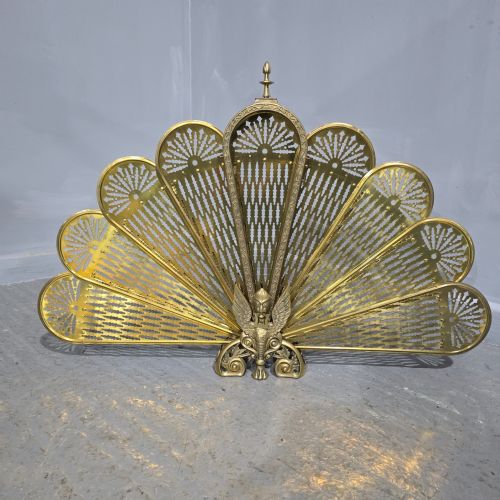
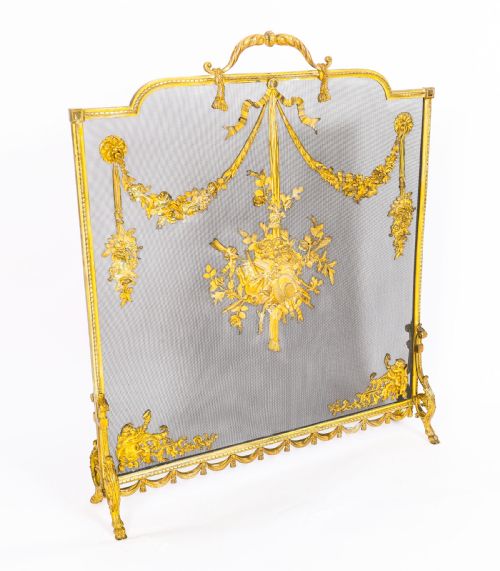
A vintage metal screen most often takes the form of a fireplace accessory, appearing as a folding spark guard, a rigid brass frame enclosing wire mesh, or a heavy wrought iron panel designed to tame open flames. These pieces span the nineteenth century through the Edwardian era, incorporating French Rococo revival curves and austere Arts and Crafts construction into domestic interiors.
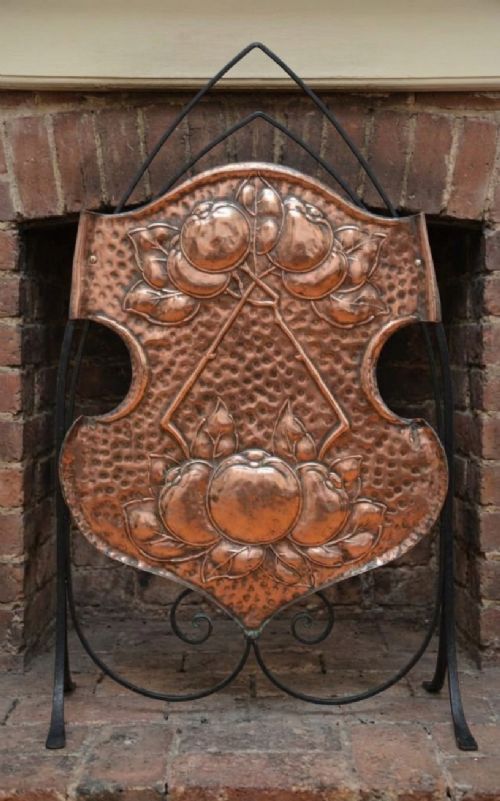
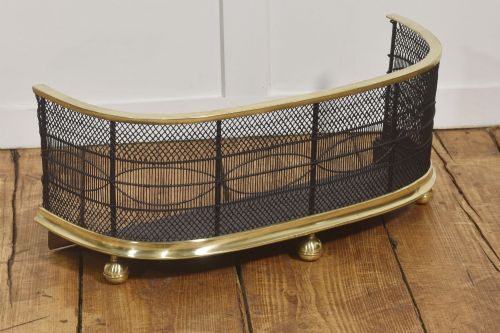
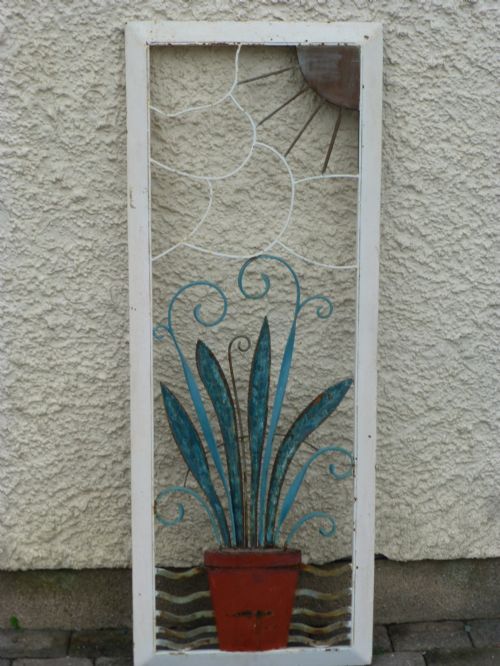
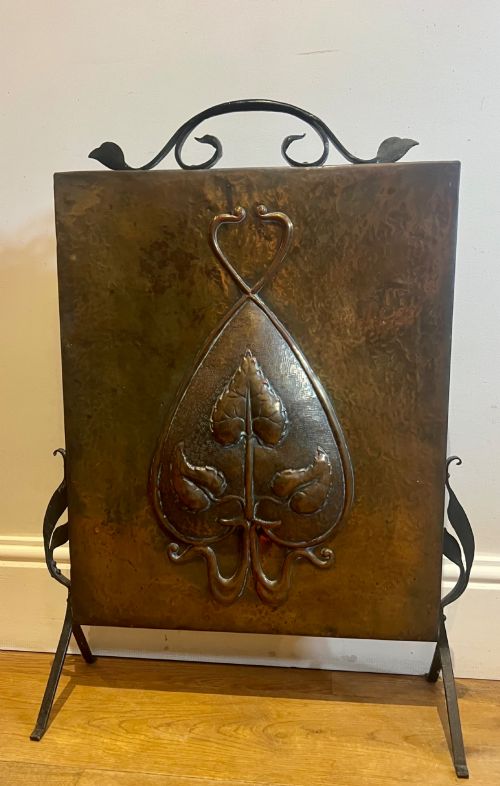
The most common examples met here are brass and wirework fire guards or copper panels shaped by the hand of the maker. Beyond hearth accessories, the category stretches to include architectural panels, folding spark guards and nursery fenders fitted with clothes rails. Each piece balances functional protection with the decorative ambitions of its period.
Judging quality in metal screens
Quality in these pieces rests upon the crispness of the casting, the weight of the metal, and the integrity of the joinery. Superior examples display deeply chased gilt bronze or brass with finely pierced grilles, whereas lesser items rely on thin stamped sheet metal and rudimentary spot welds.
The distinction also lies in the material execution, such as the hand-beaten texture of a copper panel versus the plain industrial finish of simple wirework. Substantial gauge brass and robust wrought iron frames maintain their structural rigidity over decades of heat and movement.
Vintage Metal Screen Retail Price Guide 2026
Typical asking prices for vintage metal screen among the pieces listed under this phrase on Sellingantiques today, from the lower quarter to the upper quarter. They describe what is for sale here now, not the wider market.
Listings span the nineteenth century to the Edwardian period, uniting French Rococo revival, Gothic architecture, and Arts and Crafts copperwork.
The Vintage Metal Screen Glossary
- Fire guard
- A protective barrier placed in front of an open fireplace to contain sparks and ash. These items range from simple wire mesh frames to ornate brass constructions.
- Nursery fender
- A low metal barrier enclosing the hearth specifically to keep children at a safe distance from the fire. Many Victorian and Edwardian examples include integrated rails for drying clothes.
- Spark screen
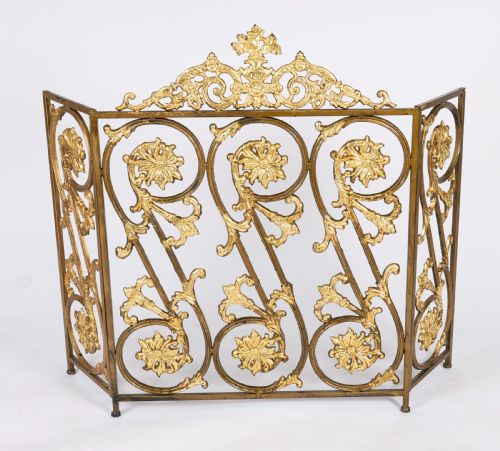
- A fine wire mesh panel designed to prevent embers from escaping the hearth into the room. They often feature folding wings for adjustable coverage.
- Gilt bronze
- Bronze that has been coated with a thin layer of gold or gold-coloured paint. This technique is frequently found on French revival fireplace accessories from the nineteenth century.
- Rococo revival
- A nineteenth-century design style drawing on eighteenth-century French motifs, characterised by asymmetrical scrolling, C-scrolls, and floral asymmetry.
Vintage Metal Screen: Frequently Asked Questions
How do I choose the right size?
Measure the opening and width of your hearth before selecting a screen to ensure the barrier covers the entire fire zone safely. Consider whether you need a rigid single panel or a folding design that accommodates the projection of your fireplace surround.
Take note of the frame height, particularly if you are placing the piece in a room with high ceilings or an expansive mantelpiece. Proportion matters visually, as a heavy wrought iron panel requires adequate surrounding space to sit comfortably in the room.
Can these be used with a working fire?
Most of these pieces were originally constructed for active hearths, utilising wire mesh and solid metal to block sparks and falling embers. You should check the condition of the mesh and the stability of the frame before exposing the piece to intense heat.
Folding spark guards and heavy brass screens function well with modern open fires if the metal has not been compromised by deep corrosion. Ensure any vintage fabric elements, such as old tapestry banner hangers, are kept well away from naked flames.
How do I clean and polish them?
Remove surface dust using a dry microfibre cloth or a soft brush, taking care not to snag delicate wire mesh or old woven panels. Avoid harsh chemical dips that strip away the aged patina built up over generations of use.
For unlacquered brass and copper, a gentle application of traditional metal polish restores brightness without erasing surface character. Wrought iron surfaces benefit from a light coat of paste wax to protect against moisture and rust.
How do I date a piece?
Look to the decorative style and manufacturing technique to place an item within the nineteenth-century or Edwardian eras. Heavy casting, elaborate Rococo revival scrolls, and gilt bronze often point to the mid-to-late nineteenth century, whilst simpler hammered copper surfaces suggest Arts and Crafts influence.
Examine the fixings and construction methods, as hand-cut screws and heavy cast iron indicate earlier nineteenth-century production. Edwardian and later pieces frequently employ standardised wire mesh and lighter tubular brass frames.