

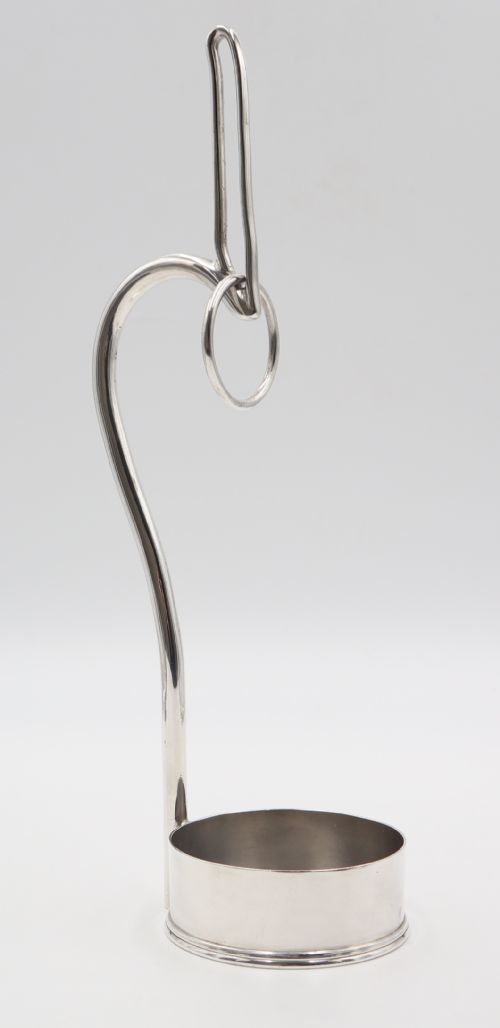
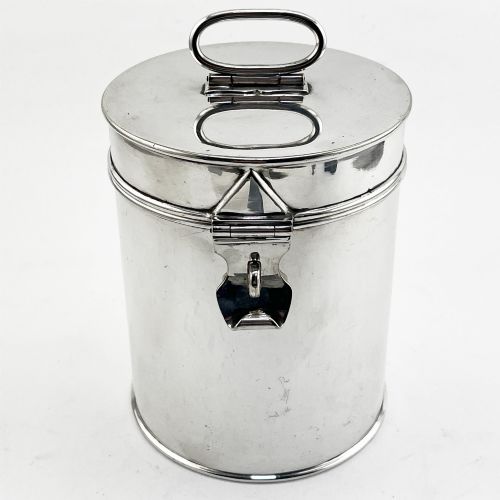
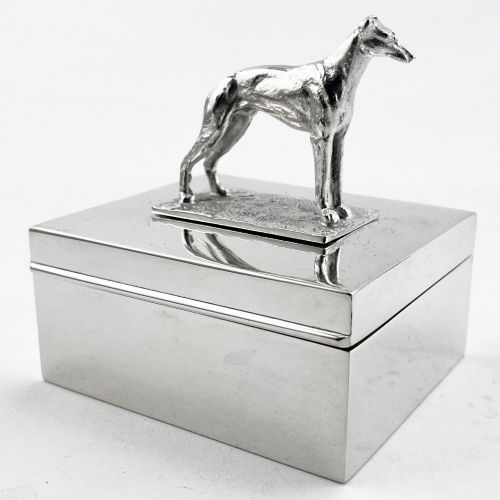
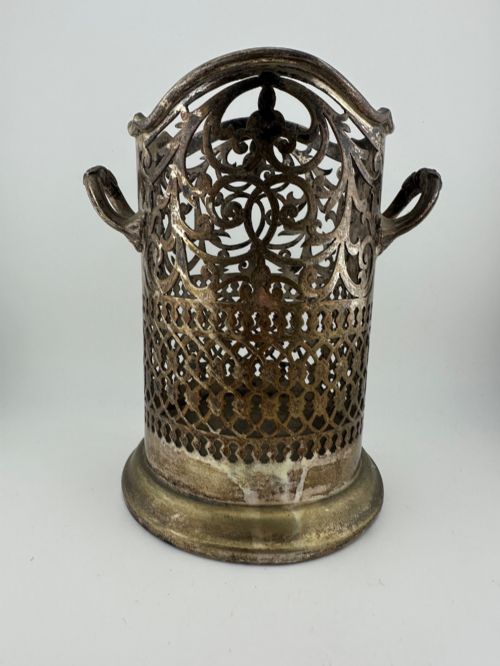
Vintage Metal Plate
These vintage metal plate pieces and related domestic metalwork offer both practical utility and decorative presence for the home.
Vintage Metal Plate
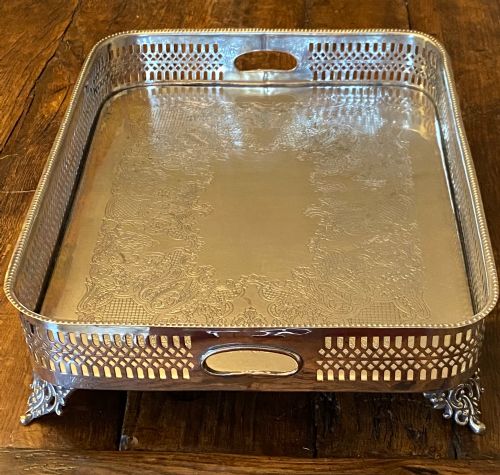
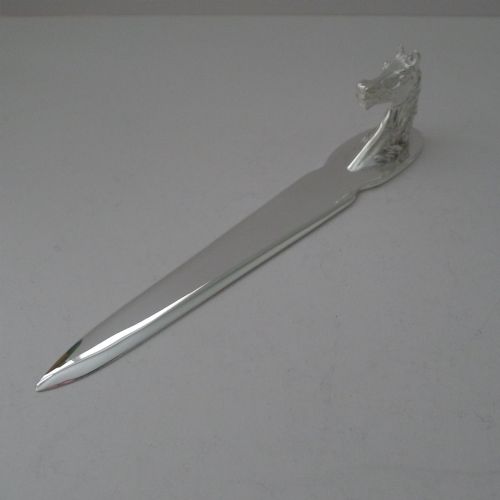
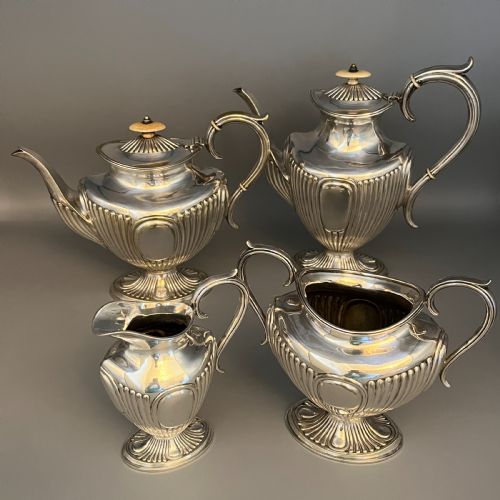
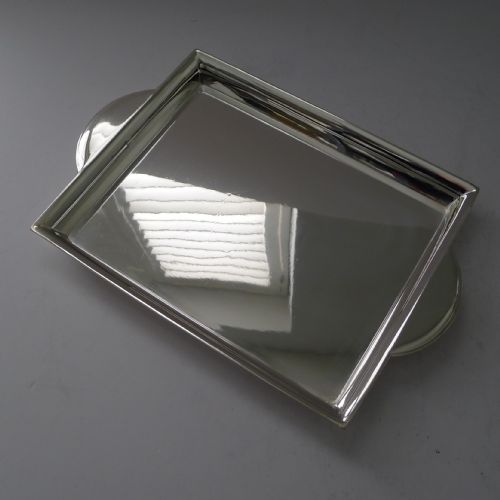
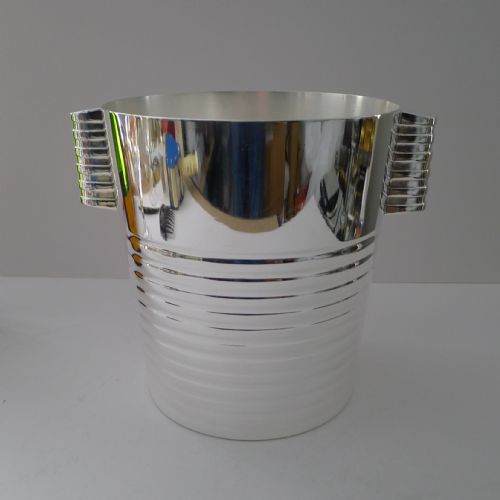
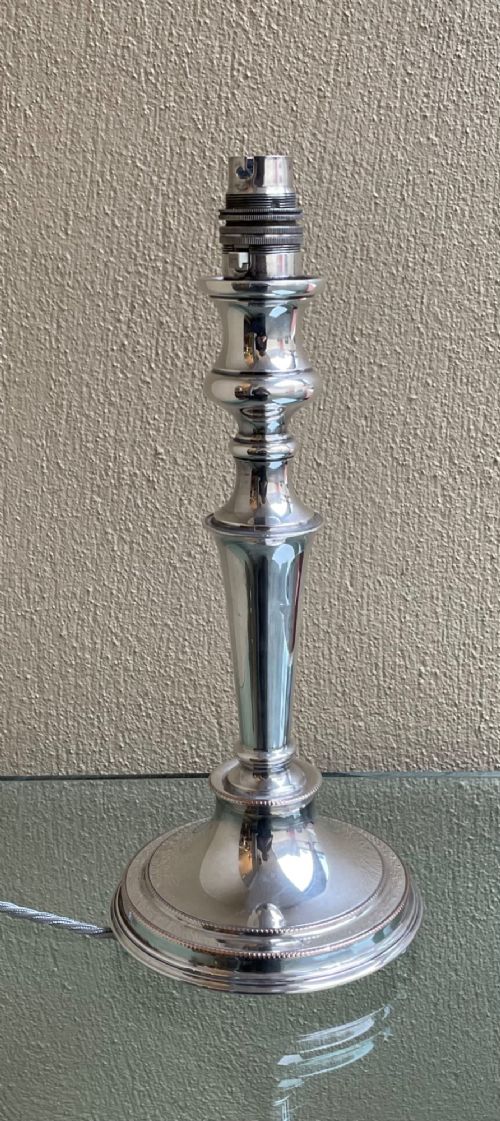
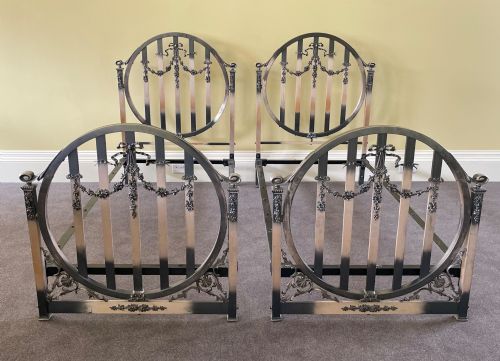
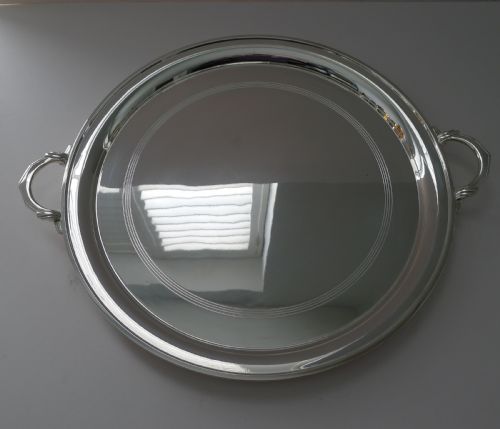
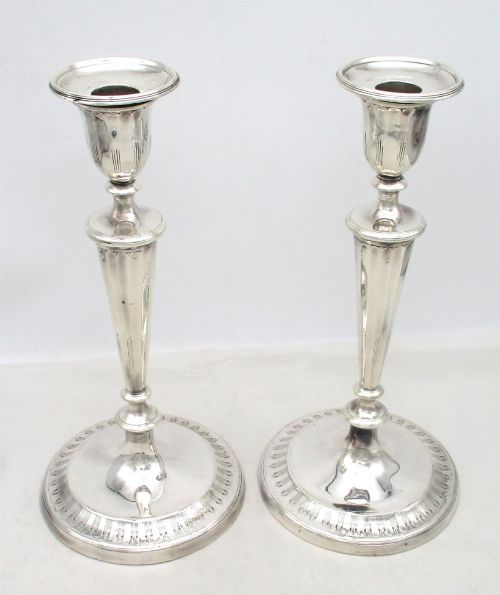
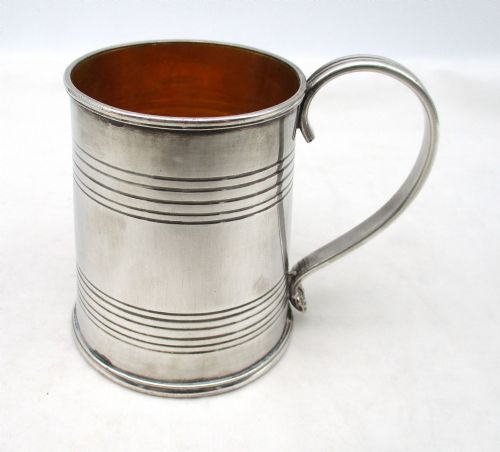
When you search for vintage metal plate, you encounter a diverse selection of household items ranging from serving trays and decorative dishes to lighting fixtures and tableware. The inventory spans multiple periods, featuring Victorian, Edwardian, and Art Deco designs alongside earlier Georgian and 19th-century works.
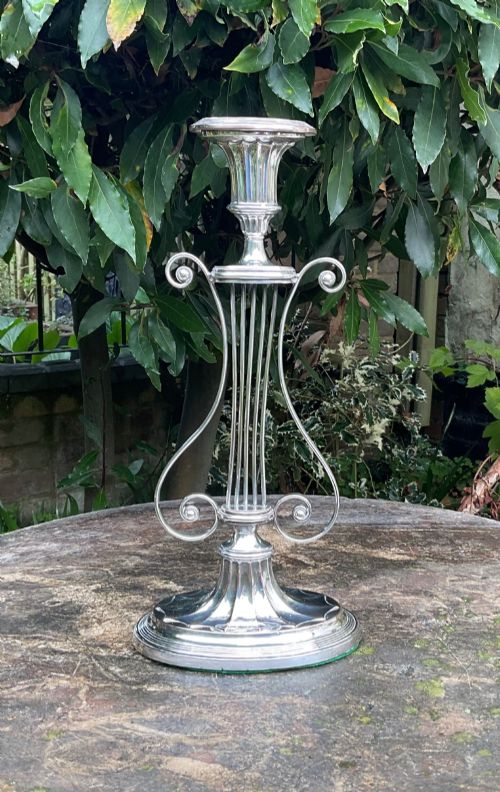
The most common forms on this page include serving trays, platters, and smaller dishes, alongside specialised items such as cocktail shakers, tankards, and candlesticks. Materials vary widely from silver plate and nickel silver to copper, brass, pewter, and white metal.
Origins stretch across Britain, France, Germany, and further afield to Japanese Meiji period bronzes and Chinese export pieces. Buyers select these items for their historic character and durable metallic construction.
Methods of manufacture
The pieces listed utilise a variety of foundational metals, including copper, iron, brass, and pewter, often treated with surface plating. Silver plating and nickel plating are prevalent methods used to provide a bright finish over a base metal core.
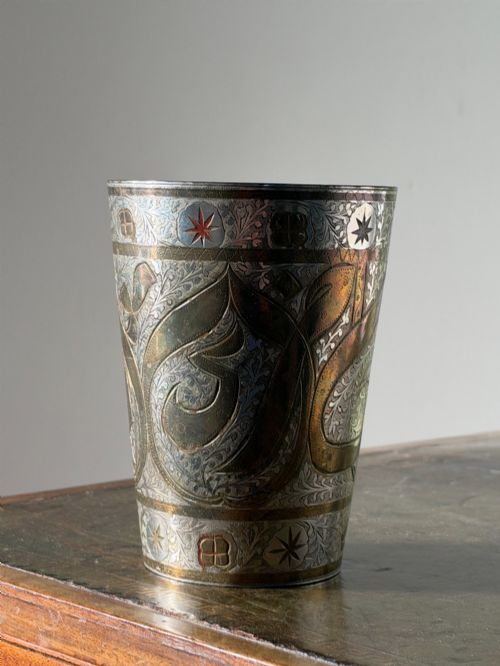
Decorative techniques recorded in the evidence include hand hammering, patination, and intricate metal inlay work in gold, silver, or other contrasting alloys. Cast iron elements exhibit detailed moulded relief patterns such as feathers and ivy.
Vintage Metal Plate Retail Price Guide 2026
Typical asking prices for vintage metal plate among the pieces listed under this phrase on Sellingantiques today, from the lower quarter to the upper quarter. They describe what is for sale here now, not the wider market.
Listings feature items from the 18th century through to the 1940s, encompassing silver plate, copper, brass, pewter, and enamel.
Judging quality in metalware
Quality in these items is determined by the crispness of casting detail, the weight and balance of the object, and the integrity of any applied plating or surface inlay. Superior pieces retain their original decorative motifs and structural firmness without excessive wear to the underlying base metal.
Maker attribution and design provenance also separate standard domestic items from exceptional works associated with known firms or specific stylistic movements like Art Nouveau and Art Deco.
Christofle·Mappin & Webb·WMF·Walker & Hall·Mabie Todd & Co
The Vintage Metal Plate Glossary
- Silver Plate
- A base metal such as copper, nickel, or brass coated with a thin layer of silver. This technique allowed makers to produce items with the appearance of solid silver at a lower cost.
- White Metal
- An alloy of low-melting-point metals, often including tin, lead, or antimony, used as a base for plating or for cast decorative objects.
- Patinated
- A surface treatment achieved through chemical means, age, or controlled oxidation to alter the colour of the metal and highlight relief details.
- Old Sheffield Plated
- An early method of fusing a thin sheet of silver to a thicker copper ingot before rolling and shaping the combined metal.
- Samovar
- A traditional metal urn used to heat and boil water for tea, often featuring a central internal heating pipe.
Vintage Metal Plate: Frequently Asked Questions
How do I clean silver plated items?
Use a soft cloth and a gentle metal cleaner specifically formulated for plated surfaces to avoid wearing through the thin silver layer.
Avoid harsh abrasives and chemical dips that can strip the finish and damage the underlying base metal.
What is the difference between brass and copper?
Copper is a pure metallic element with a distinct reddish-brown tone, while brass is an alloy composed primarily of copper and zinc, resulting in a bright yellow appearance.
Both materials were utilised extensively across the Victorian and Edwardian periods for decorative and functional homeware.
How can I date my metal item?
Examine the object for maker marks, registration stamps, or stylistic indicators that point to specific design movements such as Art Nouveau, Art Deco, or the Meiji period.
Construction techniques, such as hand hammering versus machine pressing, also help narrow down the period of manufacture.
Are these items safe for daily use?
Many items, such as trays, dishes, and tankards, were originally designed for dining and entertaining, though older pieces with worn silver plate may require careful handling.
Display pieces and lighting fixtures are best reserved for decorative purposes within the modern home.