


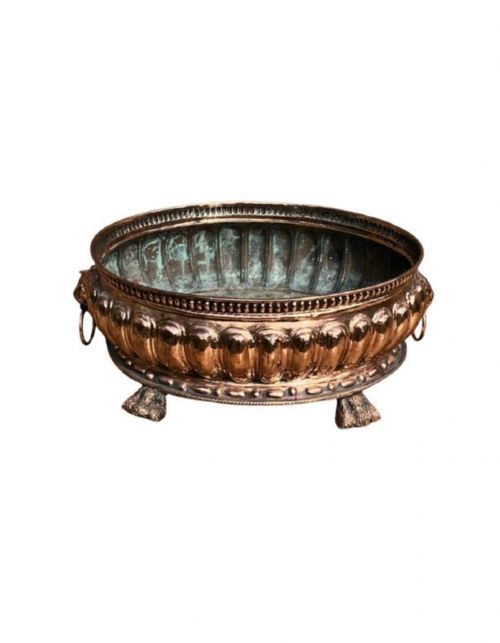


Vintage Metal Planter Bowl
A vintage metal planter bowl brings enduring character to interior spaces, combining robust materials with decorative design.
Vintage Metal Planter Bowl
The selection on this page draws primarily from the nineteenth century, alongside eighteenth-century and early twentieth-century examples. Common stylistic influences include Victorian, Arts and Crafts, Regency, and French regional designs.
Vessels take various shapes, including deep bowls, pedestal stands, and handled urns. Materials span brass, copper, cast iron, bronze, steel, and enamel, reflecting diverse domestic and utilitarian origins.
What varies in quality
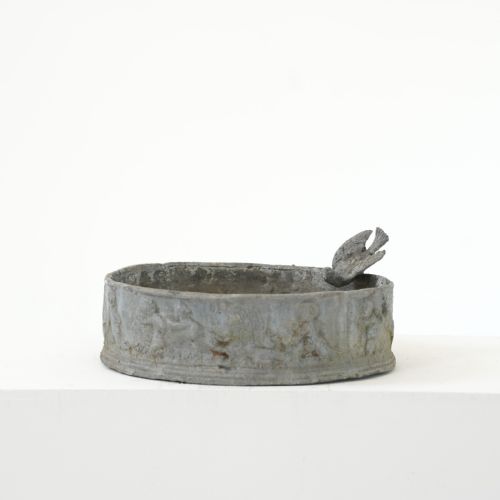
The thickness and weight of the metal distinguish utilitarian vessels from finer decorative items. Substantial gauge copper and heavy cast iron provide structural integrity that lighter sheets lack.
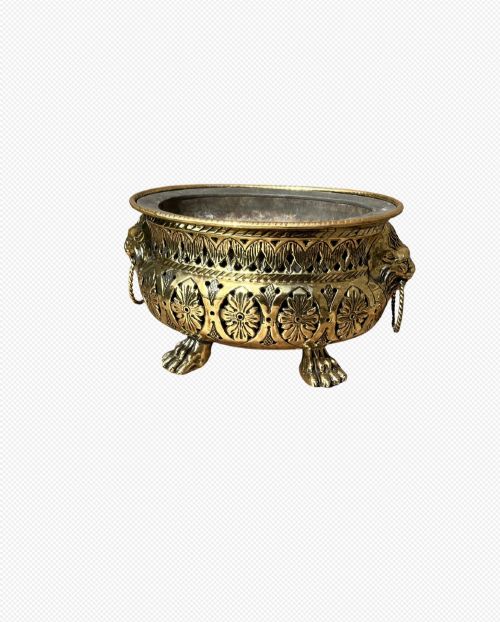
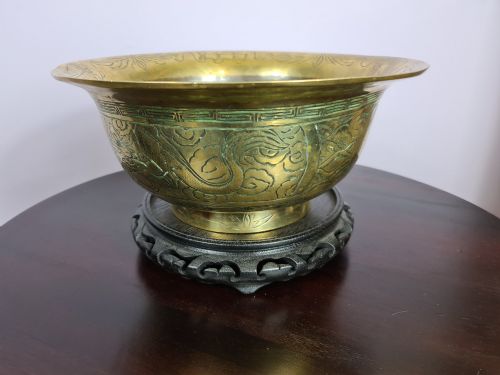
Artisanal execution dictates the visual appeal, seen in the crispness of repoussé animal heads, lion mask handles, or intricate piercing. The integration of decorative elements like enamel cabochons or specialised stands elevates a utilitarian container into a designed showpiece.
Vintage Metal Planter Bowl Retail Price Guide 2026
Typical asking prices for vintage metal planter bowl among the pieces listed under this phrase on Sellingantiques today, from the lower quarter to the upper quarter. They describe what is for sale here now, not the wider market.
Design styles span Victorian, Arts and Crafts, Regency, and French regional movements.
The Vintage Metal Planter Bowl Glossary
- Jardiniere
- An ornamental pot or stand for holding flowers or plants. These often feature decorative handles or repoussé motifs.
- Repoussé
- A metalworking technique where a design is hammered into relief from the reverse side. This creates tactile surface patterns on brass and copper vessels.
- Cloisonné
- An ancient technique for decorating metalwork objects with coloured material held in place by thin metal strips. It appears on bronze bowls from the period.
- Mortar
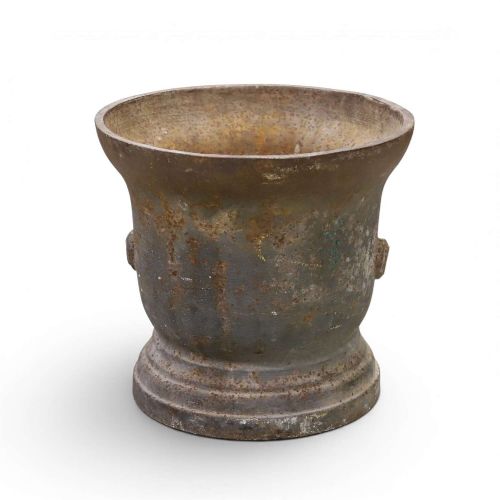
- A heavy vessel used in pharmacy or cooking for crushing substances with a pestle. Heavy examples frequently find secondary use as planters.
- Arts and Crafts
- A design movement emphasising handcraftsmanship and traditional materials. Pieces from this style often combine hammered copper with decorative stones.
Vintage Metal Planter Bowl: Frequently Asked Questions
How do I clean a brass planter?
Maintenance depends on the desired finish, as many collectors prefer to leave an aged patina intact rather than polish the metal to a bright shine.
Gentle washing with warm soapy water removes accumulated dust and dirt without damaging the historical surface.
Can I use these bowls for live plants?
Most antique metal vessels were originally designed as jardiniere pots or decorative bowls rather than direct-planting containers.
Using a plastic liner inside the metal bowl protects the interior from moisture and soil erosion.
How do I identify a Victorian piece?
Victorian items frequently exhibit Gothic, classical, or ornate floral motifs such as lions' mask handles and heavy brass construction.
Examining the manufacturing marks, fastening methods, and overall weight helps distinguish nineteenth-century production.
What is the difference between a jardiniere and a bowl?
A jardiniere is specifically shaped to hold potted plants, often featuring a wider opening and decorative feet or handles.
Decorative bowls serve more general display purposes, though the terms frequently overlap in historical listings.