


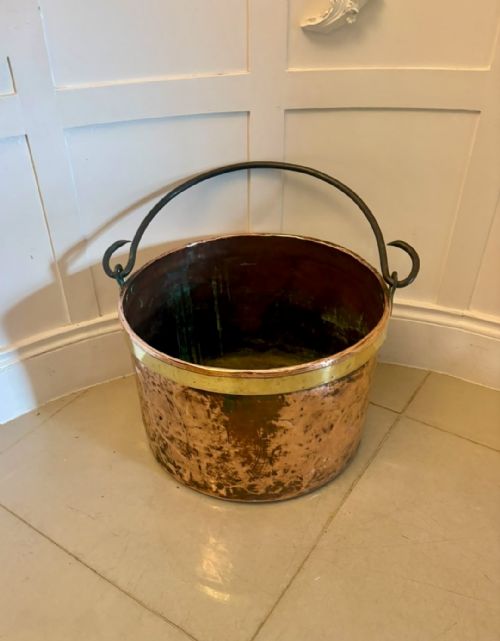


Vintage Metal Log Bucket
A vintage metal log bucket brings functional warmth to a hearth, holding fuel while adding solid texture and period character to a room.
Vintage Metal Log Bucket
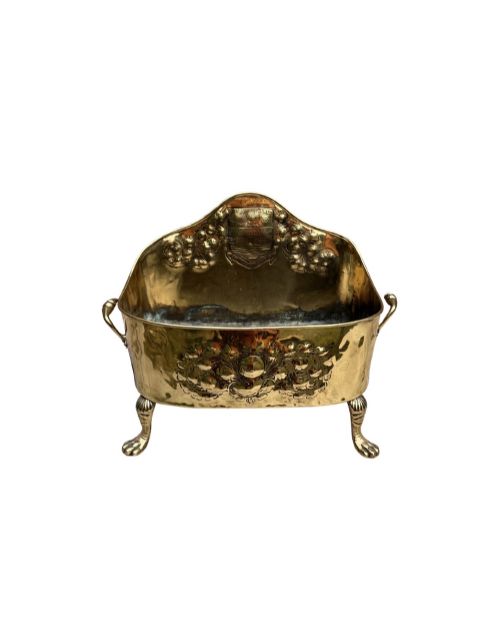
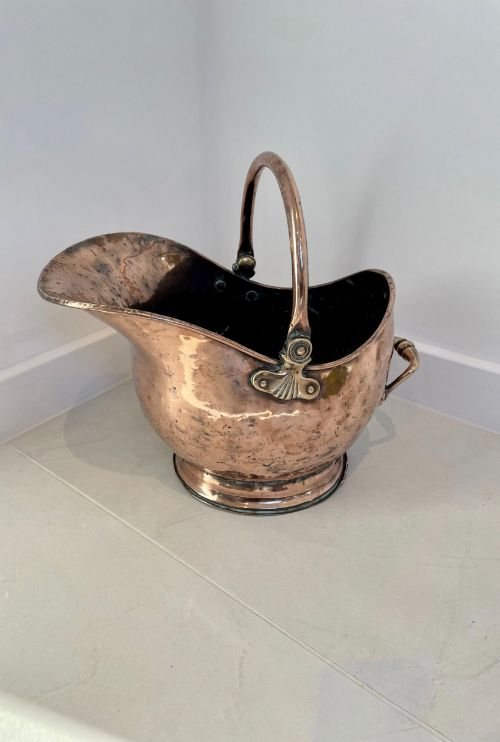
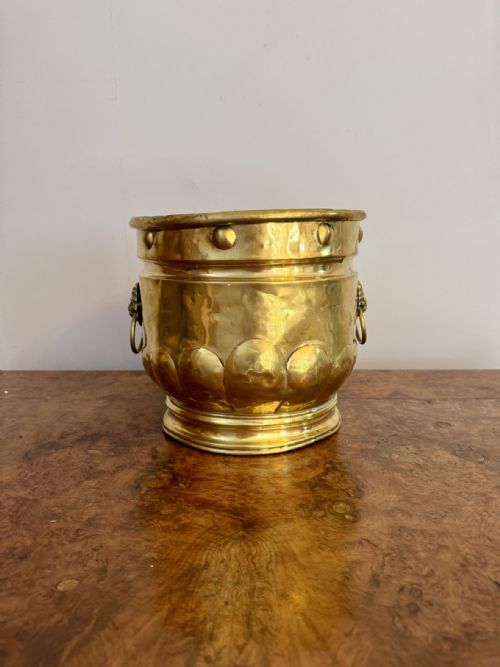
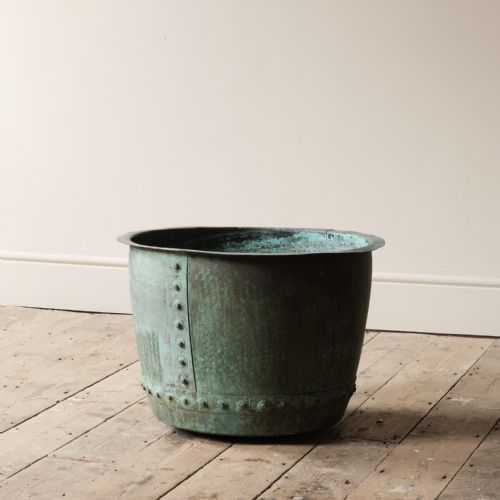
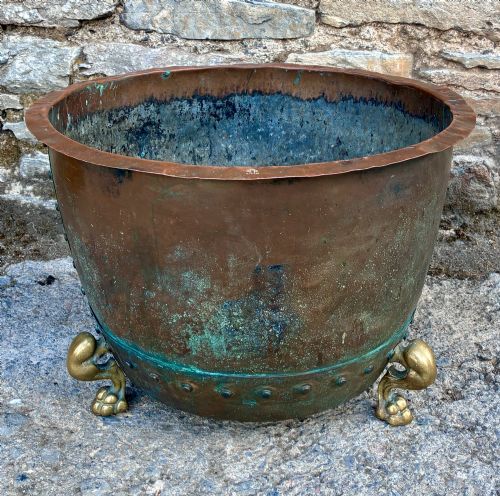
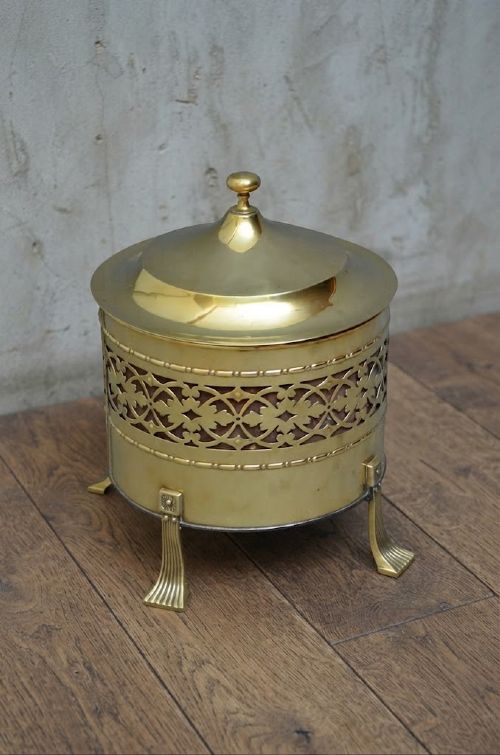
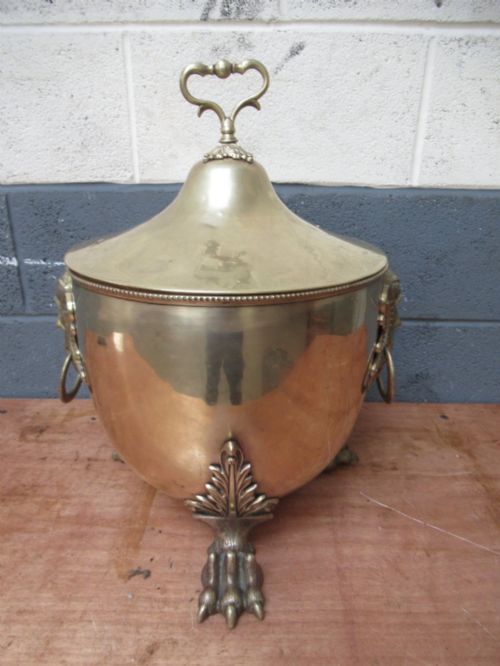
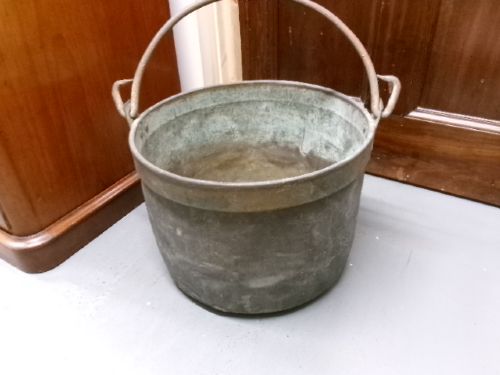
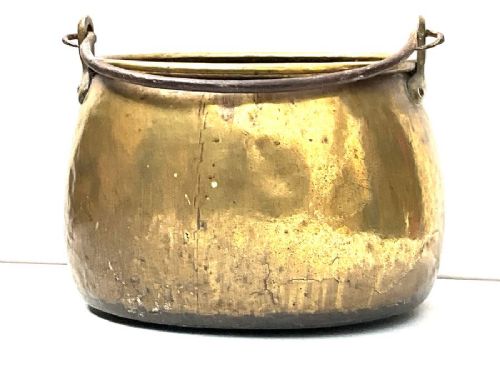
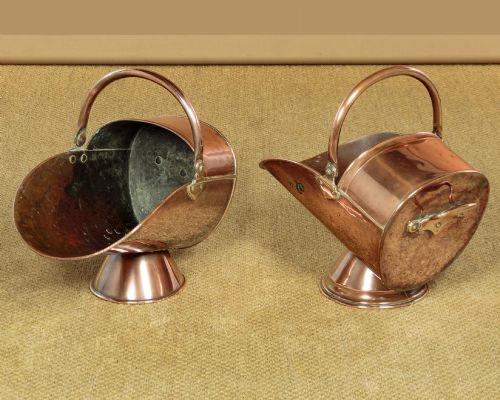
A vintage metal log bucket serves primarily as a fireside container for holding fuel near an open hearth. When searching for a vintage metal log bucket, buyers encounter various forms including coal scuttles, helmet-shaped buckets, heavy cauldrons, and large bins.
The pieces originating from this selection span several periods, most notably the nineteenth century, Victorian era, and early twentieth century. Common stylistic influences appearing alongside these vessels include Arts and Crafts, Art Nouveau, and Georgian designs.
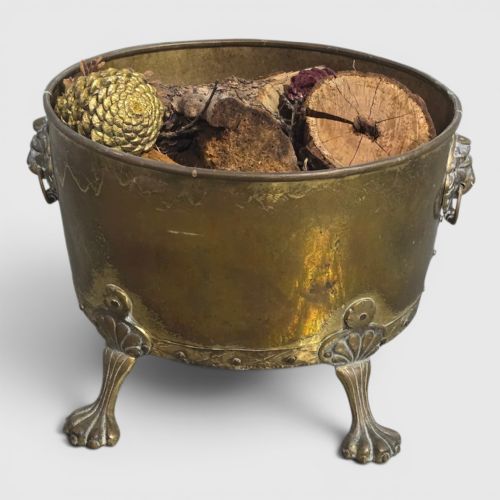
Beyond holding logs or coal, these metal vessels frequently function as planters and jardinieres within domestic interiors. Brass and copper dominate the available forms, often paired with wrought iron handles or wooden accents.
Materials and Construction
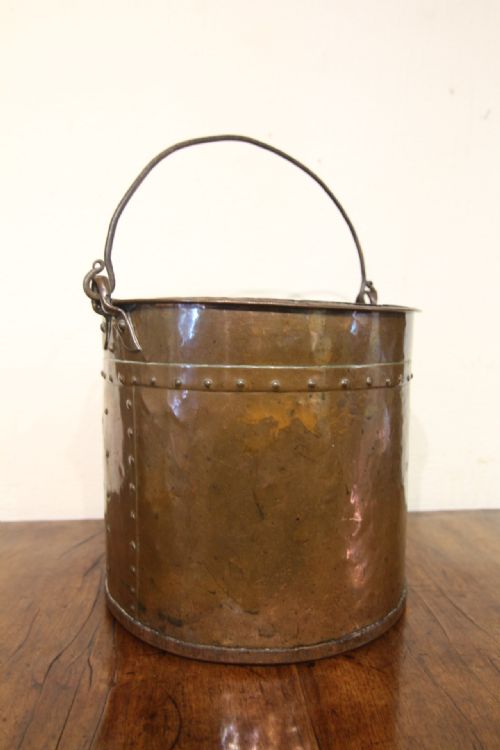
Makers formed these vessels predominantly from sheet copper and brass, sometimes incorporating iron, zinc, or oak for structure and contrast. Riveting metal panels together was a standard method of construction, particularly for heavy-duty copper buckets and cauldrons designed to hold substantial weight.
Vintage Metal Log Bucket Retail Price Guide 2026
Typical asking prices for vintage metal log bucket among the pieces listed under this phrase on Sellingantiques today, from the lower quarter to the upper quarter. They describe what is for sale here now, not the wider market.
Listings feature items spanning the eighteenth, nineteenth, and early twentieth centuries, constructed primarily in copper, brass, and wrought iron.
Factors of Quality
The standard of a vintage metal log bucket depends largely on the weight of the metal and the integrity of its construction. Heavier gauges of copper and brass indicate sturdiness, ensuring the vessel maintains its shape under the strain of heavy logs.
Attention to detail in handles, riveted seams, and original mountings distinguishes superior examples from standard utility items. The presence of decorative work, such as hand-hammering or cast brass mounts, elevates the character of the piece.
The Vintage Metal Log Bucket Glossary
- Coal scuttle
- A container designed specifically for holding and carrying coal to a fireplace, often featuring a sloping lip or helmet shape for easy pouring.
- Jardiniere
- An ornamental pot or stand used for holding flowers or plants, frequently repurposed from antique metal vessels.
- Cauldron
- A large round metal pot with a swing handle, traditionally used over fires but later adapted for household storage.
- Helmet bucket
- A fireside bucket with a distinctive flared brim resembling a classical helmet, popular during the Georgian and Victorian periods.
- Fretwork
- Ornamental design consisting of pierced or perforated patterns cut into sheet metal or wood.
Vintage Metal Log Bucket: Frequently Asked Questions
What is a vintage metal log bucket used for?
These vessels serve as practical containers for storing firewood and coal directly beside a domestic fireplace.
Beyond fireside use, many owners utilise them as decorative planters or waste bins within living spaces.
How do I date a brass or copper bucket?
Dating relies on observing construction methods such as hand-riveting, along with stylistic cues from periods like the Victorian era or Arts and Crafts movement.
Examining the type of handles and overall wear helps place the piece within the nineteenth or early twentieth century.
Are these buckets made of solid copper?
Many examples consist of heavy gauge sheet copper, frequently paired with brass mounts and wrought iron swing handles.
Other pieces utilise brass entirely or combine iron frames with copper bodies for added structural support.
Can I use an old coal bucket outside?
While durable, antique metal vessels require care to prevent excessive oxidation and pitting from prolonged weather exposure.
Using them as indoor plant holders or hearth accessories preserves their historical surface condition.