





Vintage Metal Kitchenalia
These vintage metal kitchenalia pieces are heavy utility wares shaped from copper, pewter, brass, and iron for daily nineteenth-century cooking.
Vintage Metal Kitchenalia
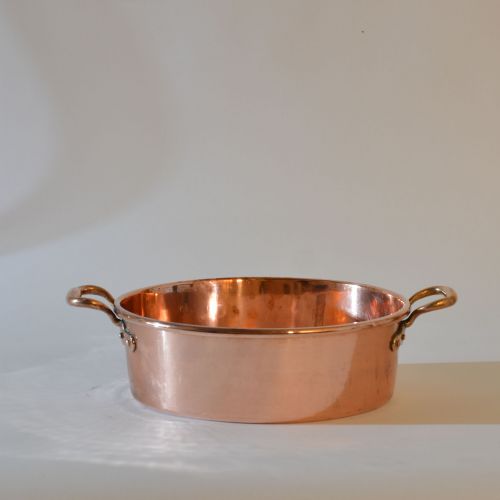
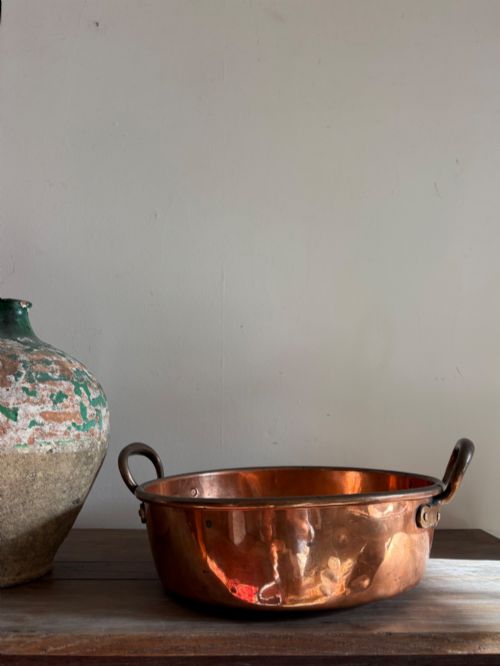
Vintage metal kitchenalia covers functional nineteenth-century culinary equipment fashioned from copper, pewter, brass, and iron. Buyers seeking these items encounter preserve pans, jelly moulds, ladles, and nutmeg graters originating from the Georgian and Victorian periods.
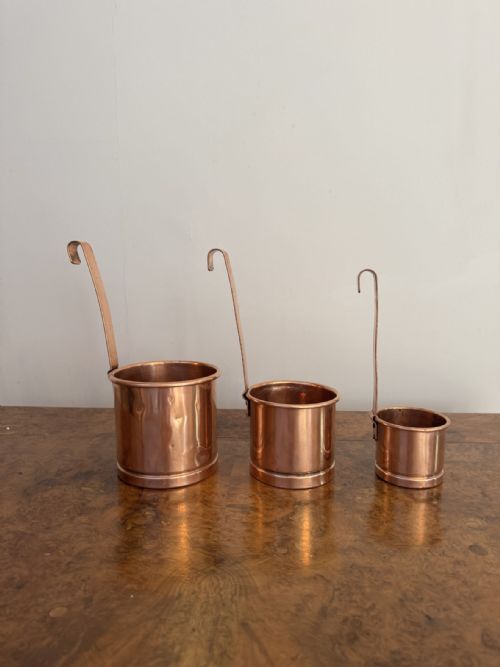
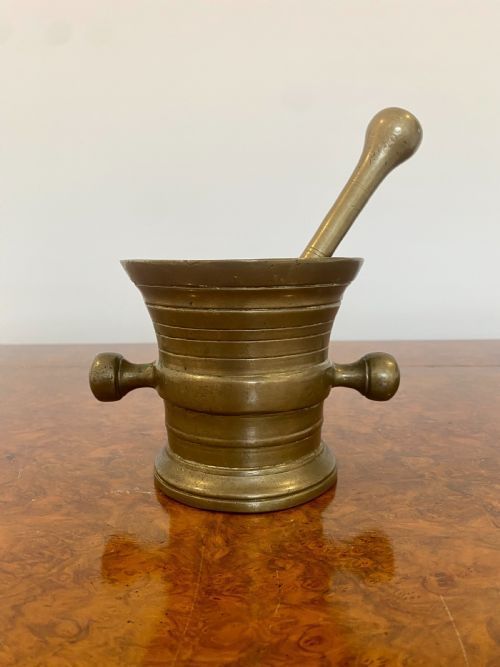
The selection here leans heavily towards heavy copper cookware alongside pewter basting spoons and cast bronze pestles. These utensils reflect the robust preparation methods of British kitchens before aluminium and plastics displaced traditional metals.
Materials and construction
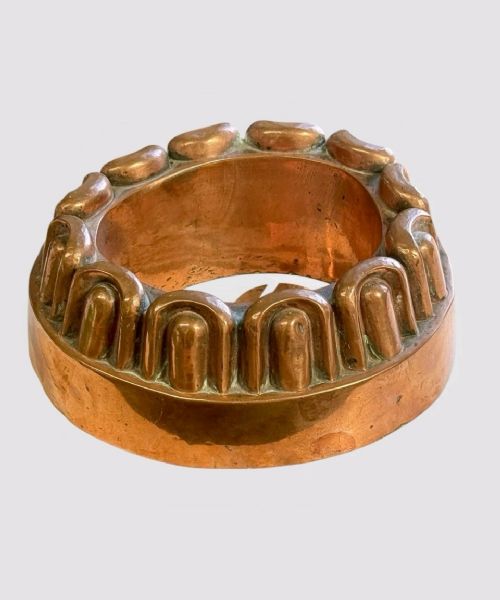
Makers shaped heavy copper into preserving pans, saucepans, and intricate jelly moulds, often finishing the copper vessels with tin linings for safe food contact. Handles in brass or iron were riveted securely to the heavy bodies to withstand constant hearth use.
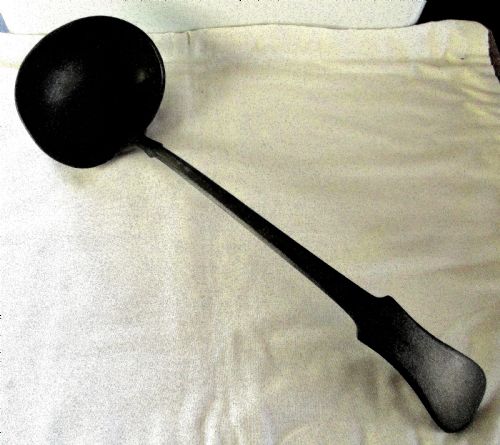
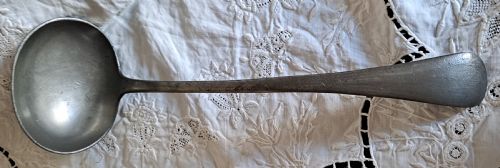
Pewter ladles were cast in moulds and finished by hand, while smaller items like pocket nutmeg graters combine steel rasping components within fitted metal cases. Bronze pestles and mortars were cast solidly to withstand the vigorous grinding of spices and herbs.
Vintage Metal Kitchenalia Retail Price Guide 2026
Typical asking prices for vintage metal kitchenalia among the pieces listed under this phrase on Sellingantiques today, from the lower quarter to the upper quarter. They describe what is for sale here now, not the wider market.
A pocket nutmeg grater lets you carry your own fresh spice rasping solution directly to the Georgian dining table.
Distinctions in quality
Weight and gauge set the better pans and preserve pots apart from lighter domestic utilitarian wares. Substantial metal thickness ensures even heat distribution and prevents warping over direct fire use.
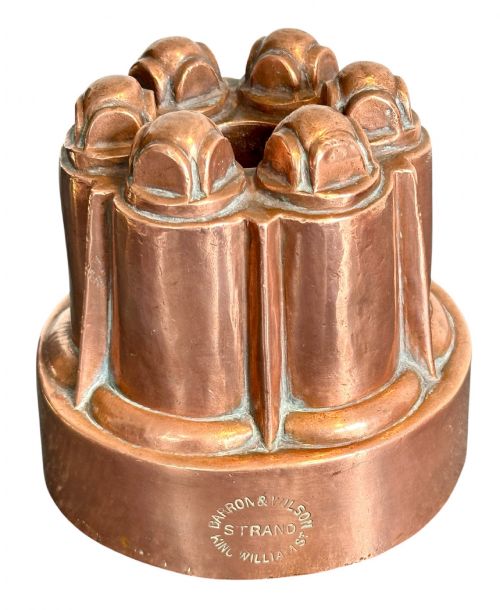
Maker marks and retailer stamps, such as those from department stores or known pewterers, elevate the standing of a piece. Finer copper jelly moulds display crisp, deep fluting and clean soldering seams rather than rough assembly.
John Yates·Dixon & Son·Harrods
The Vintage Metal Kitchenalia Glossary
- Tinplate
- Thin sheet iron or steel coated with tin to prevent rusting. It provides a smooth, protective surface for baking equipment.
- Preserve pan
- A wide, open metal vessel designed for boiling fruit and sugar. These pans use a large surface area to speed evaporation during jam making.
- Basting ladle
- A long-handled spoon used to scoop pan juices over roasting meat. Pewter and copper examples were common in larger nineteenth-century kitchens.
- Pestle and mortar
- A heavy bowl and club used for crushing ingredients. Bronze and stone versions were essential kitchen tools for grinding dried spices.
Vintage Metal Kitchenalia: Frequently Asked Questions
What are vintage metal kitchenalia pieces made of?
The pieces span several durable metals including copper, pewter, brass, iron, and tinplate. Each material was chosen for specific culinary tasks like heat conduction or corrosion resistance.
Heavier metals dominate the selection, particularly copper for pans and moulds and pewter for serving spoons and ladles.
How were copper jelly moulds used?
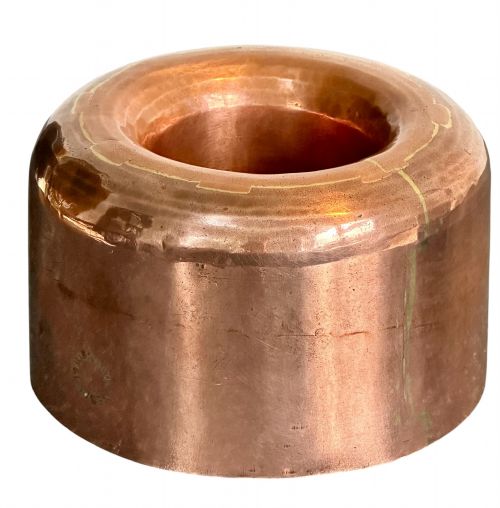
Cooks filled these shaped copper vessels with gelatin mixtures and chilled them before turning out decorative aspics and sweet jellies. The thermal conductivity of copper helped the contents set rapidly in cold environments.
Many retain interior tin linings which prevented the acidic fruit juices from reacting directly with the copper.
Can I still cook with antique copper pans?
Preserving pans and saucepans of this age require careful assessment of their interior tin linings before food use. If the tin layer is worn through to the raw copper, professional retinning is necessary.
Many buyers choose to display these substantial pieces or use them exclusively for dry goods and decorative storage.
How do I date nineteenth-century kitchen metalwork?
Dating relies on manufacturing marks, handle attachment styles, and the specific weight and purity of the metals used. Georgian and Victorian pieces often show hand-beaten surfaces or early machine rolling marks.
Maker stamps and touchmarks on pewter and bronze offer direct clues to the workshop origins and decades of production.