



Vintage Metal Flower Holder
These vintage metal flower holder pieces are robust vessels designed to display blooms, ranging from heavy brass jardinieres to sleek Art Deco chrome vases.
Vintage Metal Flower Holder
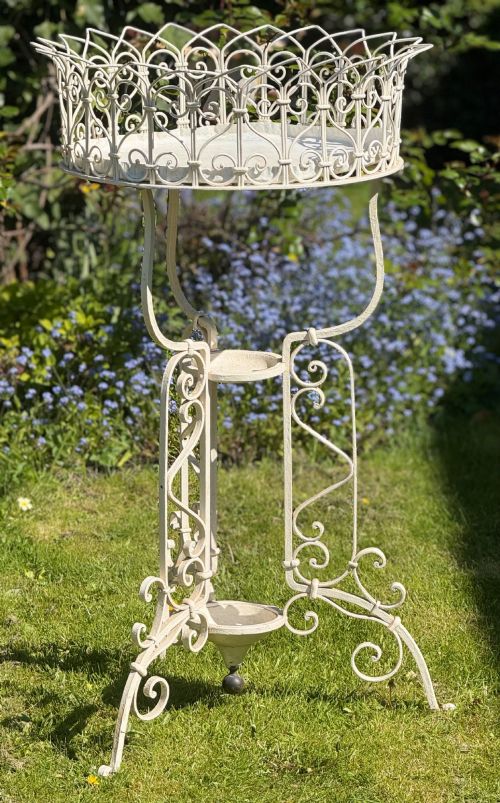
When you search for vintage metal flower holder designs, you encounter jardiniere planters, garden jardinieres, plant stands, centrepieces, hanging baskets, and vases. These objects span the nineteenth century, nineteen hundred, nineteen ten, nineteen twenty, and nineteen thirty periods, originating from British, Dutch, and Japanese workshops.
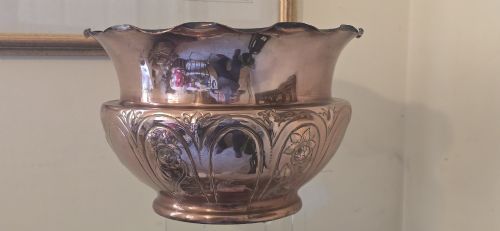
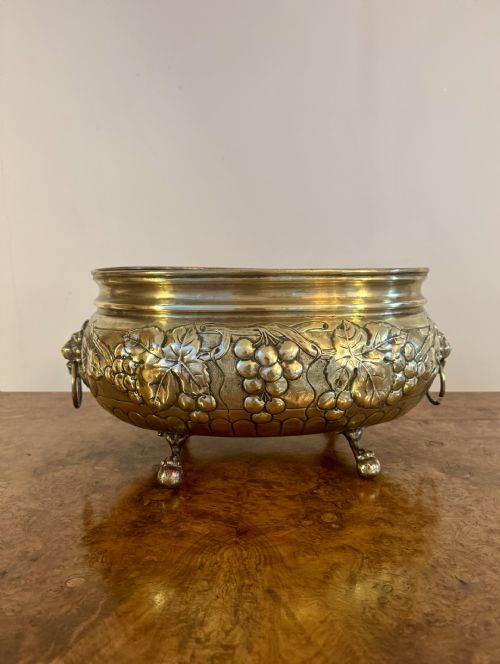
You are most likely to meet brass and copper planters from the Art Nouveau and Arts and Crafts movements on this page. These frequently take the form of heavy jardiniere vessels, often fitted with handles or original stands.
How they were made
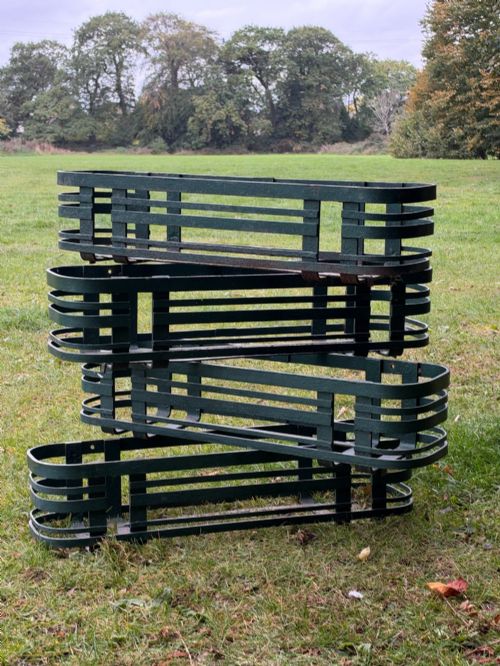
Makers shaped these pieces from brass, copper, silver plate, painted iron, wrought iron, and bronze, sometimes combining them with cut glass inserts. Techniques rely on hammering, casting, and strapwork construction to build rigid structures capable of holding heavy earth and water.
Surface treatments include applied paint, chrome plating, and electroplated nickel silver. Details such as lion mask handles and stylized floral motifs are cast or riveted directly to the metal body.
Vintage Metal Flower Holder Retail Price Guide 2026
Typical asking prices for vintage metal flower holder among the pieces listed under this phrase on Sellingantiques today, from the lower quarter to the upper quarter. They describe what is for sale here now, not the wider market.
Listings span periods from the nineteenth century through nineteen thirty, utilising brass, copper, silver plate, and painted iron.
What varies in quality
The distinction between standard utility items and finer pieces lies in the weight of the metal and the crispness of the chased or cast ornamentation. Heavier gauges of brass and bronze maintain their structural integrity far better than thin sheet metal.
Design execution separates mass production from considered craftsmanship, visible in the integration of handles, the stability of original stands, and the proportional balance of the vessel form.
J Sankey and Sons·Beldray Ltd
The Vintage Metal Flower Holder Glossary
- Jardiniere
- A large ornamental pot or stand designed to hold a plant or floral arrangement. These vessels usually sit on a tabletop or floor rather than hanging.
- Strapwork
- Flat bands of metal riveted or welded in geometric patterns to form a basket or structural frame. This technique provides rigid support while keeping the overall weight manageable.
- Electroplated Nickel Silver
- A base metal alloy coated with a layer of silver through an electrolytic process. It offered an affordable alternative to solid silver items during the late nineteenth and early twentieth centuries.
- Art Nouveau
- A decorative style characterised by flowing, organic lines and stylized plant motifs. It heavily influenced metalwork produced around nineteen hundred.
Vintage Metal Flower Holder: Frequently Asked Questions
What is a jardiniere?
A jardiniere is a large decorative pot designed specifically for housing potted plants or cut flowers. They often feature sturdy handles and heavy metal construction to support damp soil.
Unlike standard vases, jardinieres are generally wider and deeper, intended to serve as a prominent focal point on tables or plant stands.
How do I clean antique brass?
Cleaning depends on the level of patination you prefer to maintain on your metal flower holder. Gentle dusting with a dry cloth is usually sufficient for everyday maintenance.
Avoid harsh chemical dips that strip away the aged surface character entirely, as collectors generally value a natural, undisturbed vintage finish.
Are these suitable for live plants?
Many of these metal vessels were originally built to hold potted plants or heavy floral displays. However, moisture can accelerate corrosion over time if left standing inside unprotected metal.
Using a modern waterproof liner inside the vintage container helps protect the historical metalwork from water damage while allowing you to display fresh greenery.
How do I identify Art Nouveau pieces?
Art Nouveau metalwork typically displays fluid, whip-like lines and motifs drawn from stems, flowers, and natural forms. Makers during this period embraced stylized curves rather than rigid geometric shapes.
Checking for maker marks and characteristic nineteenth-century or nineteen-hundred manufacturing techniques helps confirm the period of origin.