



Vintage Metal Floor Light
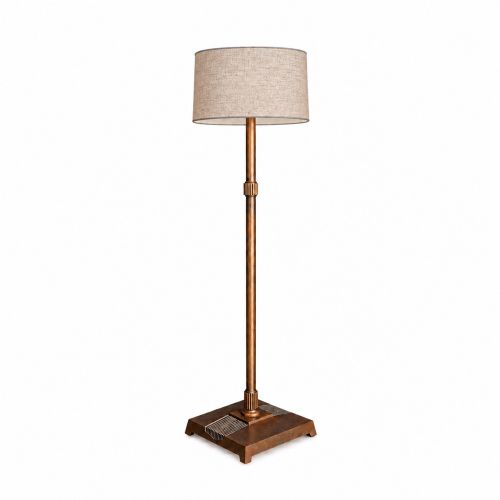
A vintage metal floor light brings weight and height to a room, offering both functional illumination and a commanding vertical presence.
Vintage Metal Floor Light
A vintage metal floor light encompasses standard lamps, adjustable reading pieces, and heavy torchieres spanning periods from the Victorian era through the 1960s.
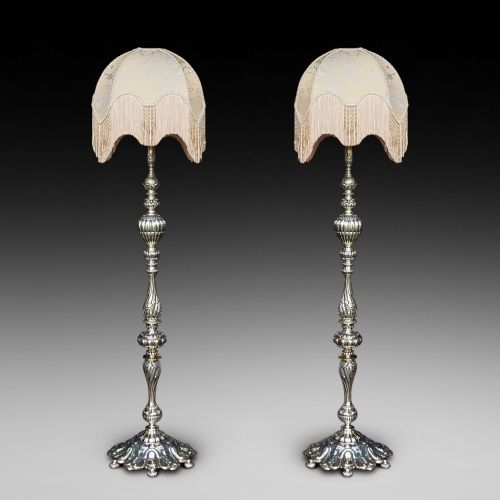
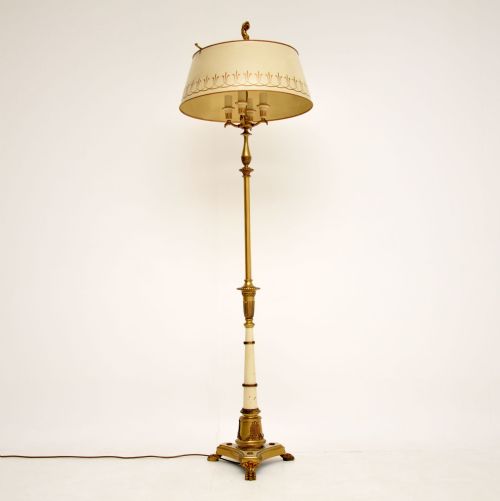
Buyers seeking a vintage metal floor light will find variations ranging from elaborate French Neoclassical to functional Art Deco uplighters and utilitarian searchlights.
How they were made
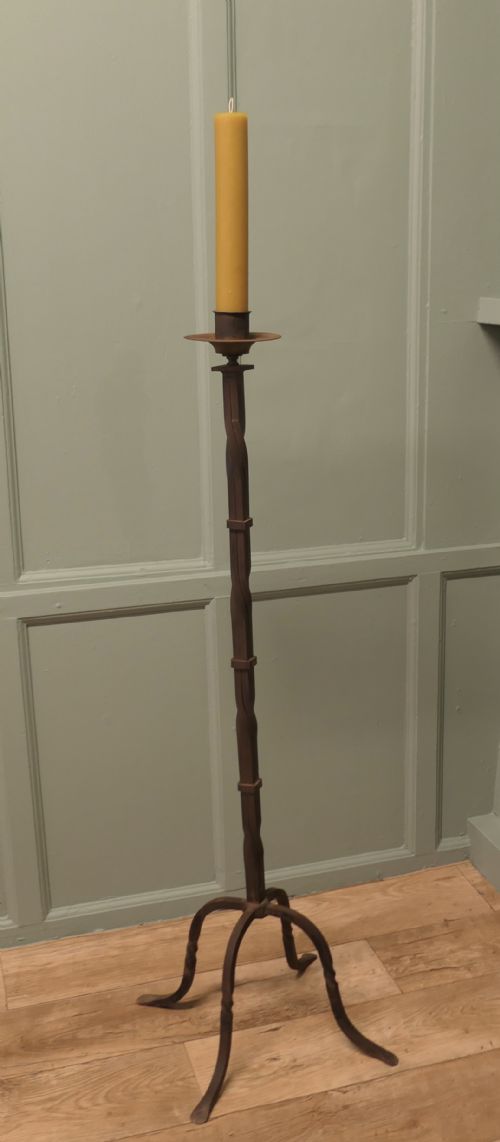
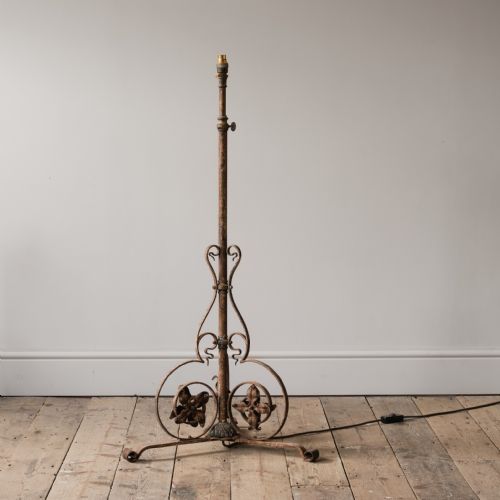
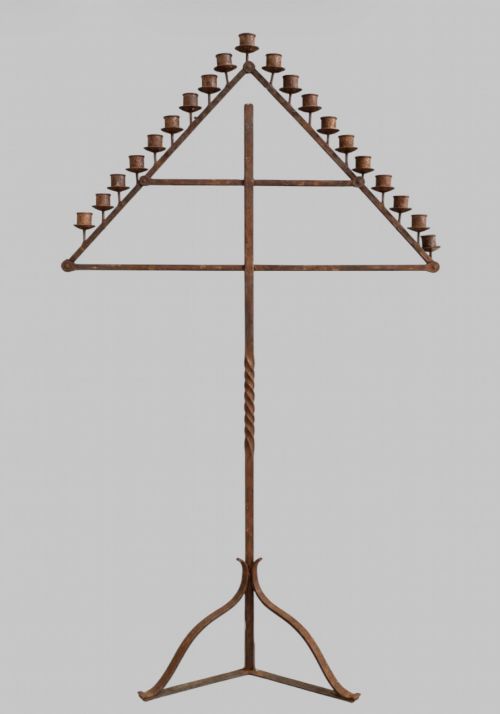
Makers utilised heavy brass, cast iron, and hand-forged wrought iron to provide stability at height, often combining copper and bronze for contrasting detail.
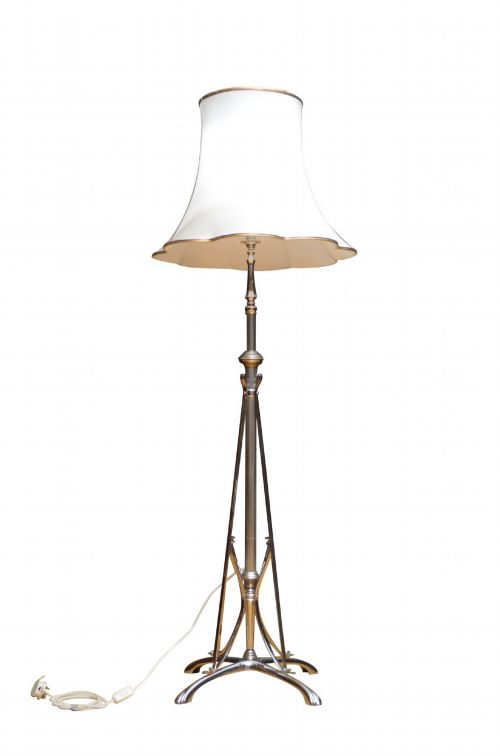
Adjustable mechanisms relied on solid metal threading, telescopic sleeves, and weighted bases to support fabric shades, glass elements, or exposed bulbs.
Historical periods represented in the collection range from the eighteenth century through the Victorian era and into the mid-twentieth century.
What varies in quality
Substantial gauge metal and honest period fixings separate solid structural examples from lighter, purely decorative reproductions.
The precision of telescopic adjustments, the integrity of original weighted bases, and the quality of surface patination determine the grade of a piece.
Bleriot·Rene Mathieu·Strand
The Vintage Metal Floor Light Glossary
- Torchiere
- A tall floor lamp designed to direct light upwards toward the ceiling. These pieces often feature decorative metalwork along the main column.
- Telescopic
- A stem construction allowing the height of the lamp to be adjusted via an inner sliding tube. This mechanism is frequently secured with a metal key or screw.
- Standard Lamp
- A traditional British term for a floor-standing lamp with a vertical pole. They typically support a large fabric shade.
- Cairoware
- Metalwork inlaid with silver or copper, originating from Cairo and popular in decorative standard lamps from the early twentieth century.
- Uplighter
- A lighting fixture focused entirely upward to wash a ceiling in indirect illumination. Art Deco examples often incorporate heavy cast metal bowls.
Vintage Metal Floor Light: Frequently Asked Questions
How do I adjust a telescopic floor lamp?
Older telescopic metal lamps use a mechanical collar, screw, or inner spring mechanism to hold the central column at the desired height. Support the upper section firmly by hand before releasing the fastener to prevent sudden drops.
Ensure any internal wiring is not twisted or strained as the inner brass or iron tube moves up and down within the lower shaft.
Were these lights originally electrified?
Many nineteenth and early twentieth century examples began life as oil lamps, gas standards, or heavy candle holders before later conversion to electricity. Wrought iron and brass standards often show evidence of past fuel fonts or burner fittings.
Converted pieces retain their original weight and proportion while housing modern wiring threaded discreetly through the historic metal shaft.
How do I clean brass and wrought iron?
Unlacquered brass benefits from a gentle polish with a soft cloth to maintain its brightness, though many collectors prefer a darker, untouched historic patina. Wrought iron and cast iron require only a dry dust or a very light application of wax to prevent oxidation.
Avoid harsh chemical cleaners that strip away the aged surface character accumulated over decades of use.
Are heavy metal floor lights stable on carpets?
The substantial mass of cast iron bases, brass reservoirs, and forged iron feet provides a naturally low centre of gravity. This weight helps the standard lamp remain secure on thick carpets or uneven historic floorboards.
Adjustable arms should be kept balanced directly over the footprint of the heavy base to prevent any tipping hazard.