



Vintage Metal Flagon
These vintage metal flagon examples span centuries of utility, offering robust form and historic character to any interior.
Vintage Metal Flagon
When you search for a vintage metal flagon, you encounter robust vessels designed primarily to hold liquids, often appearing as monumental flagons, communion jugs, tankards, and capacity measures. These objects serve as tangible links to past domestic, religious, and commercial life, utilised for ale, wine, and water.
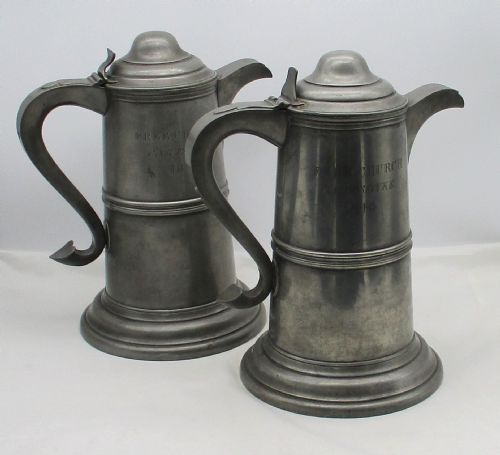
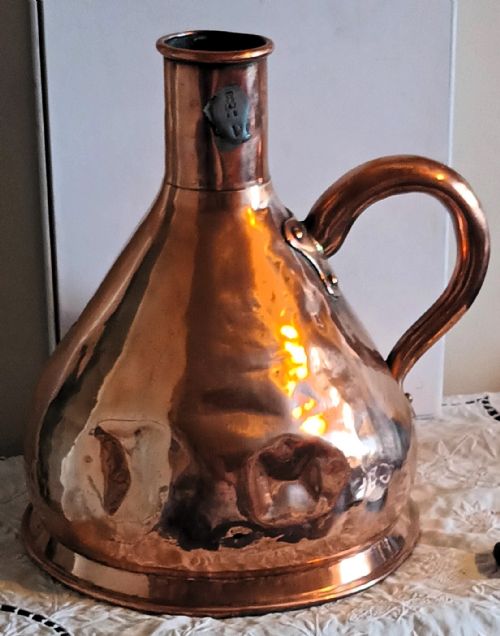
The selections available on this page most frequently take the form of eighteenth-century and nineteenth-century pewter or copper specimens, ranging from Scottish tappit hens and flat-lid flagons to large imperial measures and copper pitchers. Such items carry the marks of heavy daily service or formal ecclesiastical ritual, possessing deep historical resonance.
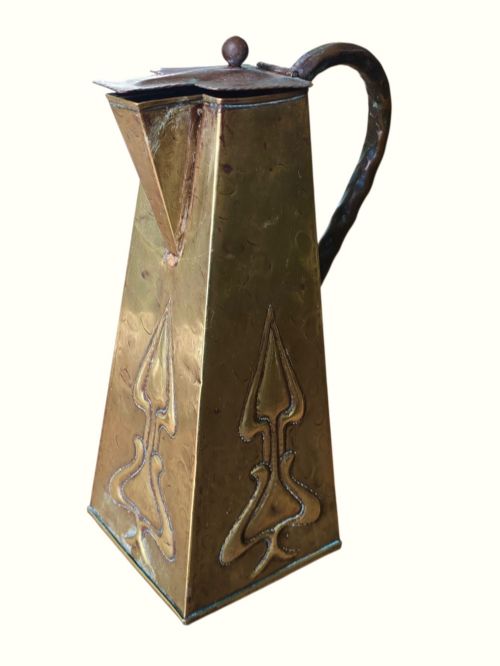
Origins span English, Scottish, German, and broader European workshops, encompassing periods from the Georgian era through the Victorian epoch and into Art Nouveau designs. Buyers encounter everything from stark utilitarian ale jugs to decorated German beer flagons adorned with botanical motifs.
How they were made
Pewter pieces rely on casting and soldering alloys of tin combined with lead or copper, shaping metal into substantial bodies with applied handles and thumbpieces. Makers often reinforced rims and lids to withstand frequent lifting and pouring in busy taverns and churches.
Copper and brass examples utilise sheet metal fabrication, employing hand-beaten panels joined by dovetail seams or brazing, complemented by riveted handles. Old Sheffield Plate and silver plated items apply thin layers of silver over copper or base metal substrates, marrying durability with decorative brilliance.
Vintage Metal Flagon Retail Price Guide 2026
Typical asking prices for vintage metal flagon among the pieces listed under this phrase on Sellingantiques today, from the lower quarter to the upper quarter. They describe what is for sale here now, not the wider market.
Current listings demonstrate a strong representation of 18th-century and 19th-century British pewter and copper, alongside continental European items from the Art Nouveau period.
What varies in quality
Substantial wall thickness and reassuring heft distinguish superior specimens from lighter, purely decorative items, reflecting the original intention for rigorous service. The integrity of original construction, including tight-fitting lids, secure hinges, and uncompromised seams, dictates the standing of a piece.
Casting crispness and the subtlety of hand-beaten contours separate ordinary utility ware from exceptional examples featuring fine touches such as heraldic crests, maker touchmarks, or sculptural cast handles. Surface condition and the presence of honest patination earned through decades of handling complete the picture of quality.
The Vintage Metal Flagon Glossary
- Flagon
- A large vessel with a handle and spout or lid, traditionally used for holding beverages such as ale or wine. These pieces often feature hinged covers and substantial bases.
- Tappit Hen
- A traditional Scottish type of pewter drinking measure characterised by a tapering body and a lid topped with a knob resembling a nesting hen. These containers held specific liquid volumes for trade and consumption.
- Imperial Measure
- A vessel calibrated to official British capacity standards introduced in the nineteenth century, ensuring accurate measurement for ale and spirits. These items display government verification stamps or capacity marks.
- Old Sheffield Plate
- An early composite material produced by fusing a thin sheet of silver to a thicker copper base under high heat. This technique predates electroplating and exhibits rich tonal depth.
- Touchmark
- An identifying stamp or hallmark impressed into pewter by a maker or guild member to guarantee metal purity and workshop origin. These marks assist historians in dating and attributing pieces.
Vintage Metal Flagon: Frequently Asked Questions
What is a metal flagon used for?
These vessels originally served to transport, store, and pour liquids such as ale, wine, water, or communion wine in homes, taverns, and churches. Their generous capacities made them practical tools for communal dining and public hospitality.
Today, collectors utilise them as decorative focal points, flower vases, or sculptural elements in traditional and modern interiors alike.
How do I clean old pewter?
Historic pewter requires minimal intervention to preserve its accumulated patination and soft grey lustre. Gentle washing with mild soap and warm water removes surface dust without harming the metal.
Avoid aggressive metal polishes or abrasive pads, which strip away centuries of character and reduce the historical value of the piece.
Are these flagons safe for drinking?
Many older pewter items contain lead or other metal alloys that are unsuitable for modern consumption of acidic or alcoholic beverages. It is best to treat them as decorative objects rather than functional tableware.
Copper and silver-plated examples similarly require careful assessment of internal linings before any culinary use.
How do I date a copper jug?
Dating relies on observing manufacturing techniques, such as hand-beaten seams, early dovetailing, and the style of applied handles and spouts. Government capacity stamps and maker marks provide definitive chronological markers.
Comparing the weight, metal composition, and form against established historical typologies helps narrow down the decade of production.