

Vintage Metal Cookware
Vintage metal cookware brings heavy copper and brass pans into modern kitchens to cook and display with enduring character.
Vintage Metal Cookware
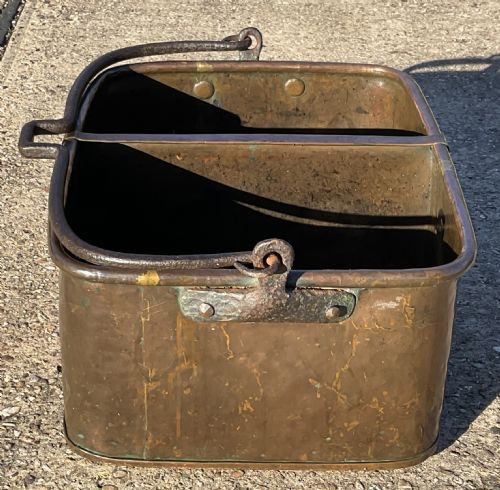
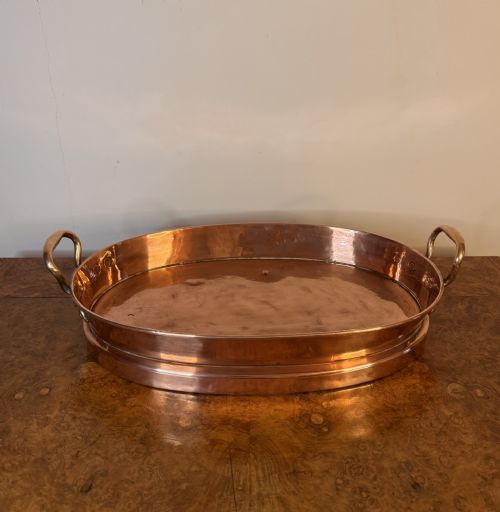
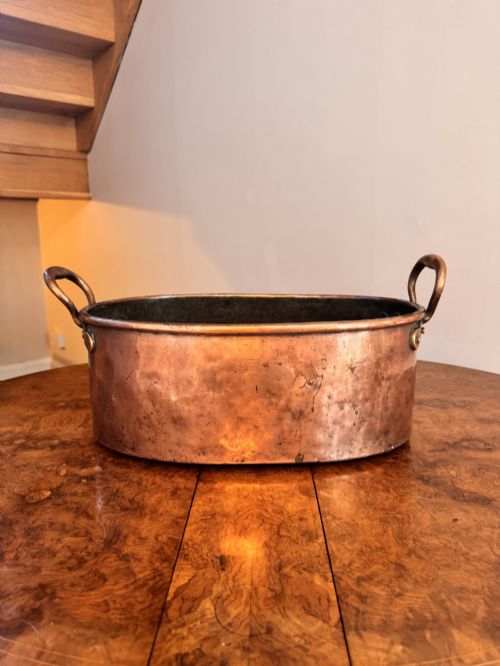
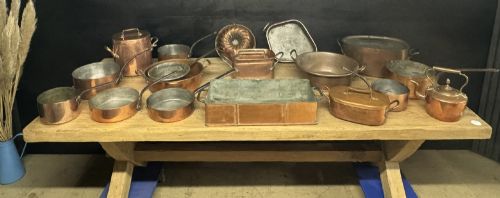
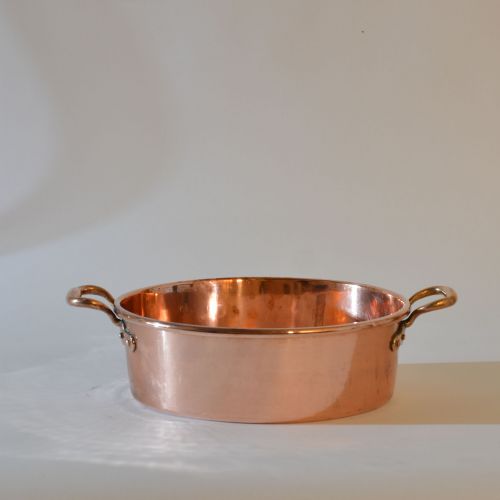
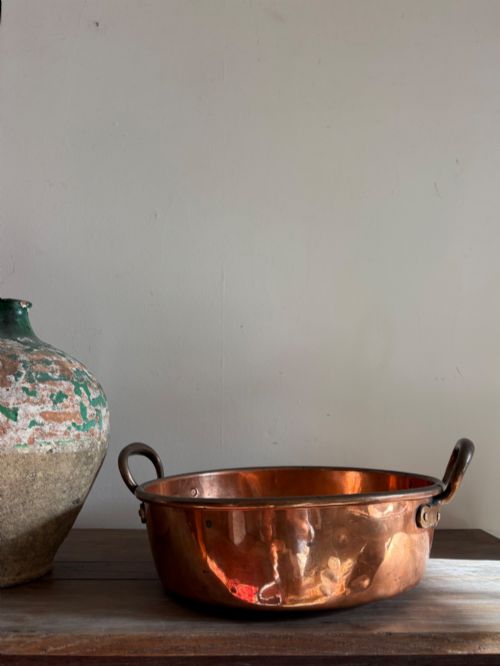
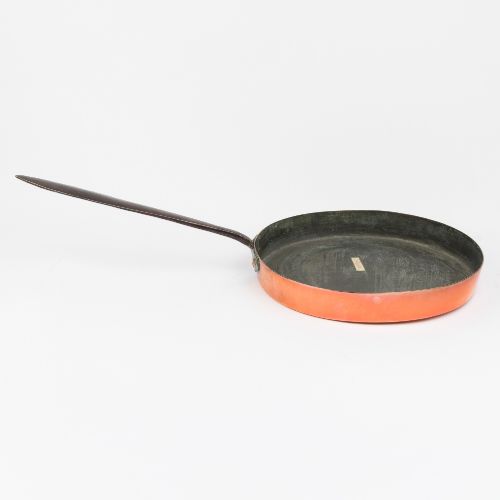
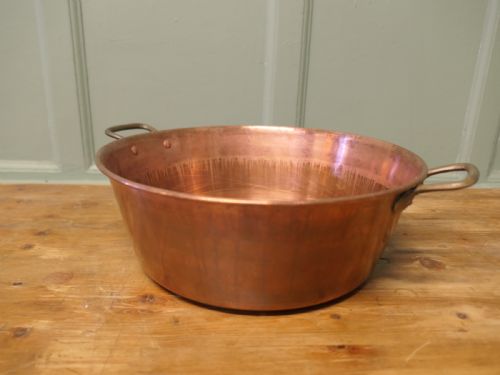
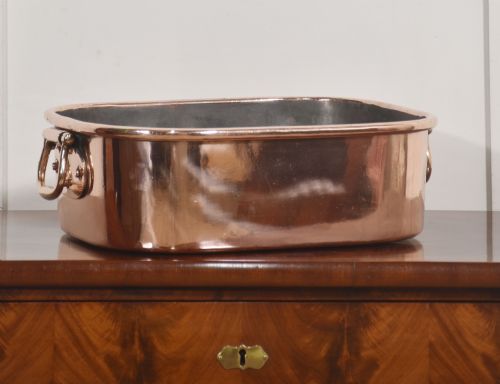
Vintage metal cookware gathers heavy copper pans, preserving pots, kettles, and jelly moulds produced across the Georgian, Victorian, and nineteenth-century periods. These items range from large jam pans and French daubières to miniature jelly moulds and sets of graduated saucepans.
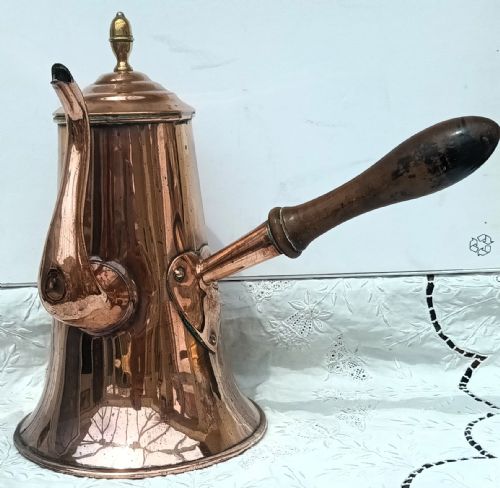
Buyers seeking vintage metal cookware most often encounter nineteenth-century copper preserving pans and Victorian kitchenalia designed for both practical culinary use and rustic farmhouse display. The selection also embraces brass pans, wrought iron pot stands, and copper coffee pots shaped in traditional English and French country styles.
Materials and construction methods
Makers formed these vessels using heavy-gauge copper, brass, and wrought iron, often shaping the metal with hand-beaten techniques. Interior surfaces typically received a protective lining of tin to prevent food reactions during cooking.
Handles were cast in brass or forged from iron, secured with rivets to heavy copper bodies built to withstand daily kitchen service. Stands and racks utilised sturdy wrought iron with multiple tiers and integrated hooks for hanging heavy cookware.
Vintage Metal Cookware Retail Price Guide 2026
Typical asking prices for vintage metal cookware among the pieces listed under this phrase on Sellingantiques today, from the lower quarter to the upper quarter. They describe what is for sale here now, not the wider market.
Listings feature items from the Georgian and Victorian periods, constructed primarily in copper, brass, and wrought iron.
What sets individual pieces apart
Quality rests in the weight of the metal gauge and the integrity of the original construction, where heavier copper and solid brass handles denote superior utility. Pieces retaining intact hand-beaten marks and well-fitted cast elements demonstrate high standards of period craftsmanship.
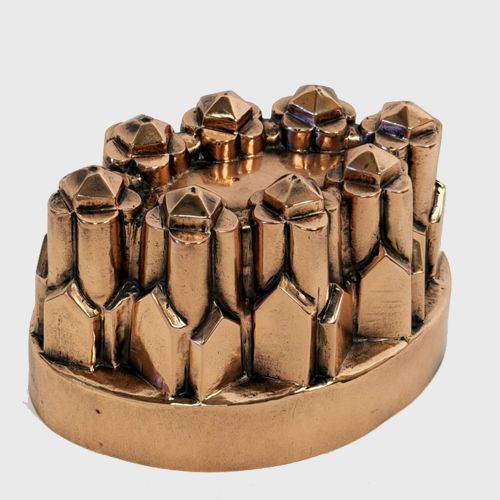
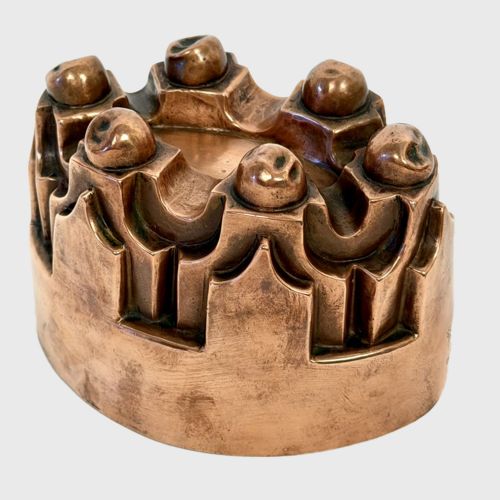
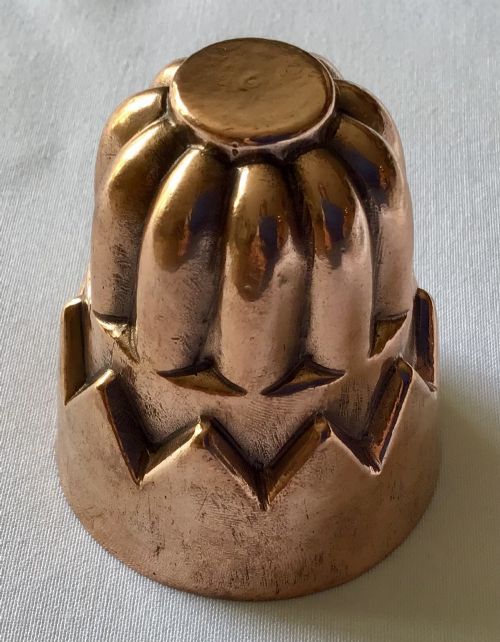
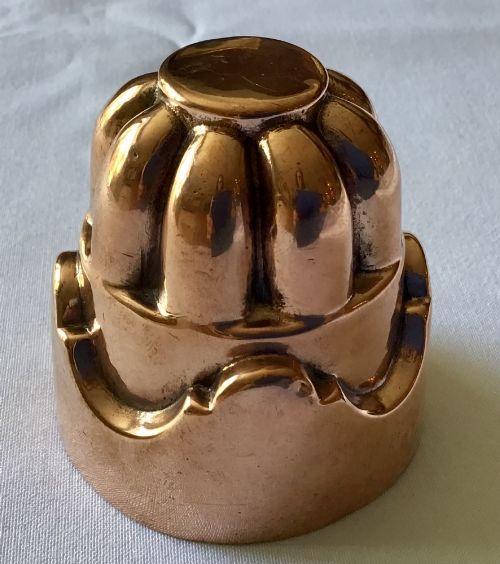
The presence of maker stamps, matching sets of graduated pans, and intricate castle-top jelly mould designs distinguish exceptional examples from standard kitchen utilitarian items. Retained interior linings and uncompromised structural rivets also elevate the standing of individual pieces.
William Soutter & Sons·Hodges & Sons·Harrods
The Vintage Metal Cookware Glossary
- Preserving pan
- A wide, open metal vessel designed for boiling jams and preserves, usually featuring a strong handle for lifting heavy loads of fruit and sugar.
- Daubière
- A specialised cooking pot with a tight-fitting lid used historically for braising meats slowly in French culinary traditions.
- Kitchenalia
- Domestic utensils and culinary equipment collected for their decorative rustic appeal and historical association with past domestic life.
- Heavy gauge
- A measurement indicating thicker, more durable metal sheets used in construction to resist warping under high heat.
Vintage Metal Cookware: Frequently Asked Questions
Can I still cook with vintage copper pans?
Many heavy copper and brass vessels remain entirely functional for modern cooking tasks, provided the interior tin lining is intact and healthy.
Buyers often use preserving pans and saucepans for daily kitchen work or display them on wrought iron pot stands when not in active service.
How do I clean vintage copper cookware?
Traditional cleaning involves gentle metal polishes designed specifically for copper and brass to remove oxidation without harming the surface.
Avoiding abrasive scrubbers preserves the hand-beaten texture and historical patina built up over centuries of use.
What is a jelly mould used for?
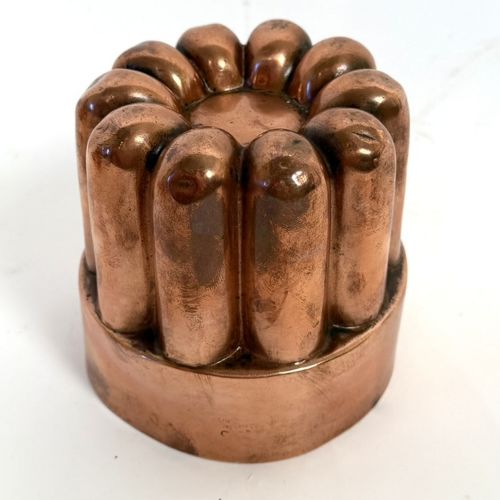
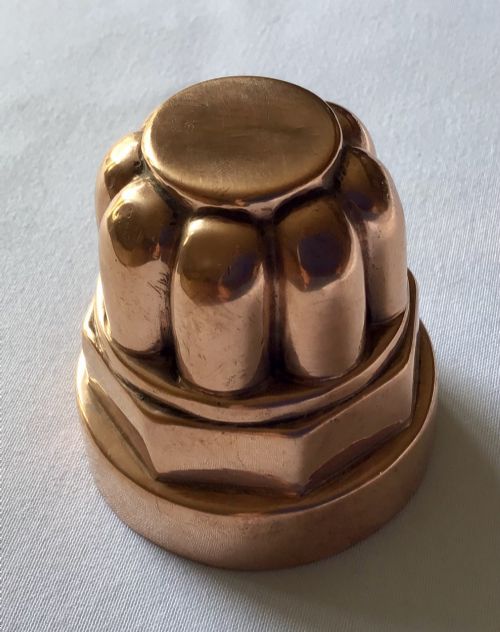
These shaped vessels formed decorative sweet or savoury jellies for grand dining tables, featuring complex designs like castle tops.
Victorian kitchens utilised them extensively, and today they appear frequently as wall-hung kitchenalia collections.
How do I date an antique copper pan?
Dating relies on manufacturing traits such as dovetail seams, cast brass handle attachments, and the weight of the metal gauge.
Georgian and Victorian pieces display distinct hand-beaten characteristics that separate them from later twentieth-century reproductions.