







Vintage Metal Commercial Sign
A vintage metal commercial sign brings genuine working history onto a wall, offering direct trade and advertising heritage from past decades.
Vintage Metal Commercial Sign
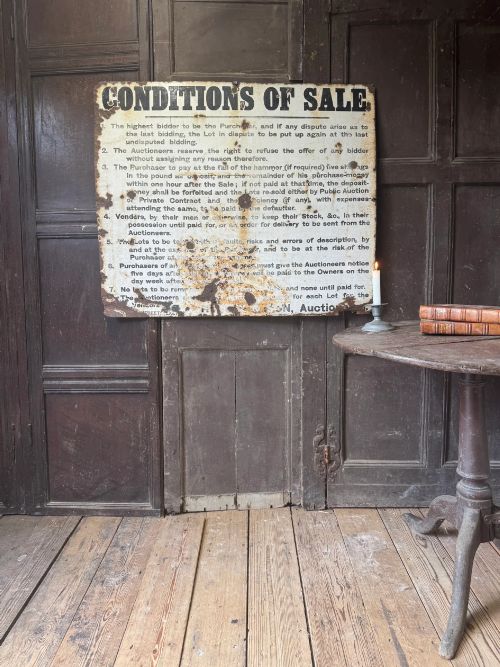
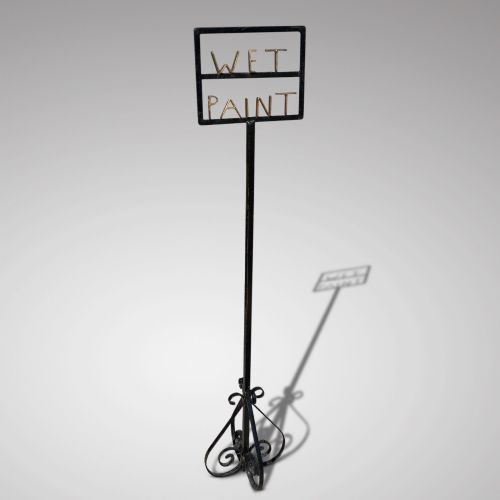
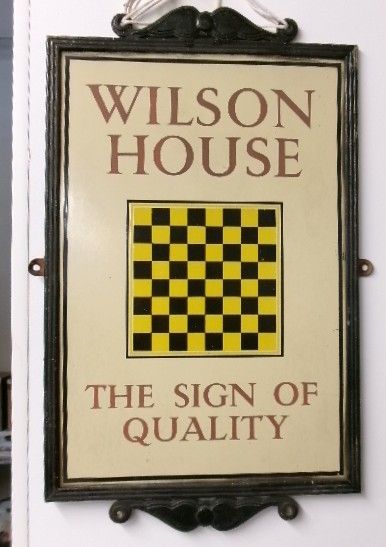
When you search for a vintage metal commercial sign, you are looking at trade boards, advertising displays, and exterior shop markers made to inform the public. These objects span the Victorian, Edwardian, and mid-century periods, capturing the visual language of past commerce.
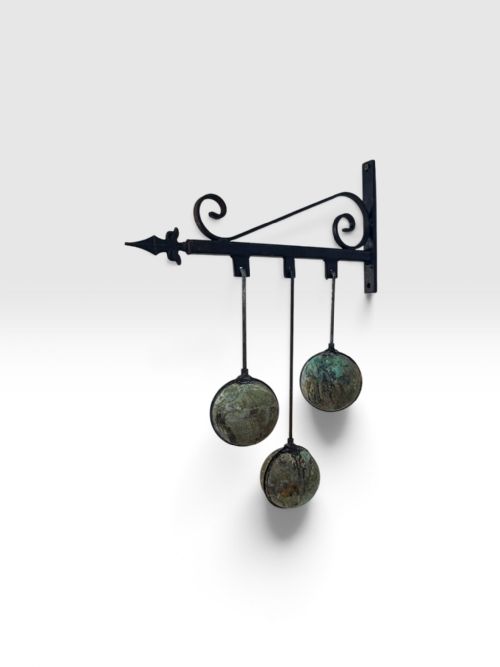
The pieces on this page lean heavily towards industrial and trade applications, including hanging pub signs, railway notices, chemist markers, and shop signage. Formats vary from flat wall signs to double-sided hanging pieces and shaped items modelled as pocket watches.
Origins include English, French, and general European workshops, showing how different trades communicated identity and instruction. Most examples rely on durable metals designed to withstand outdoor conditions on high streets and railway platforms.
What varies in quality
Quality rests in the crispness of the original lettering, the stability of the metal substrate, and the integrity of the surface finish whether painted or enamelled. Signs that retain their original brackets, hanging irons, or framing hold a stronger material completeness.
Pieces showing distinct trade attribution, such as specific chemist, pawnbroker, or auctioneer details, carry greater documentary weight than generic markers. The balance between industrial utility and graphic clarity defines the character of each surviving example.
Pawnbrokers and watchmakers regularly used oversized metal pocket watches as trade signs so customers could spot the shop from down the street.
Smiths of London·Josef Herzog·J and H Keyworth and Co
The Vintage Metal Commercial Sign Glossary
- Trade sign
- A marker displayed outside a business to indicate the profession or services offered within. These objects often took symbolic forms such as pocket watches or pawnbroker motifs.
- Enamel sign
- A metal plate fused with powdered glass through high-heat firing to create a glossy, weather-resistant surface. This technique protected advertising text from fading in outdoor conditions.
- Wrought iron
- Iron beaten into shape while hot by a blacksmith, commonly utilised for structural brackets and hanging frames. It provides rigid support for heavy exterior signage.
- Double sided sign
- A marker designed to be viewed from two directions, typically projecting perpendicularly from a building wall. These pieces caught the attention of pedestrians walking along the street.
Vintage Metal Commercial Sign: Frequently Asked Questions
How were these signs originally mounted?
Many trade signs utilised wrought iron brackets, wall fixings, or hanging chains to project outwards from shop fronts and railway stations.
Projecting double-sided versions allowed pedestrians to read the commercial message from multiple directions along a busy street.
What trades used metal signage?
Pawnbrokers, chemists, dentists, auctioneers, and pub landlords all employed metal and enamel signs to advertise their services.
Specialist trades also relied on pictorial symbols like pocket watches or painted trade boards to identify their shops.
How do I date a metal sign?
Dating relies on the combination of period materials, typography styles, and manufacturing techniques such as early enamel work or hand-painted lettering.
References to specific transport networks, railway companies, or obsolete business types often narrow the production era.
Are these signs suitable for outdoor display?
While originally constructed for exterior use, surviving antique and vintage pieces often feature patinated metal and aged enamel surfaces.
Protecting them from prolonged harsh weather helps preserve their historical paint layers and structural integrity.