






Vintage Metal Chest
When you search for a vintage metal chest, you find functional storage pieces built from iron, steel, and brass for travel and security.
Vintage Metal Chest
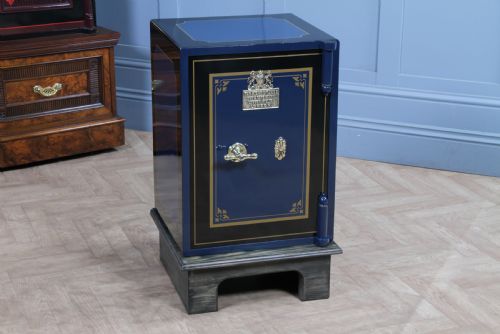
A vintage metal chest encompasses travel trunks, deed boxes, secure safes, and storage chests produced across the nineteenth and early twentieth centuries. These objects served utilitarian purposes for travellers, merchants, and households requiring durable containers for valuables, documents, and clothing.
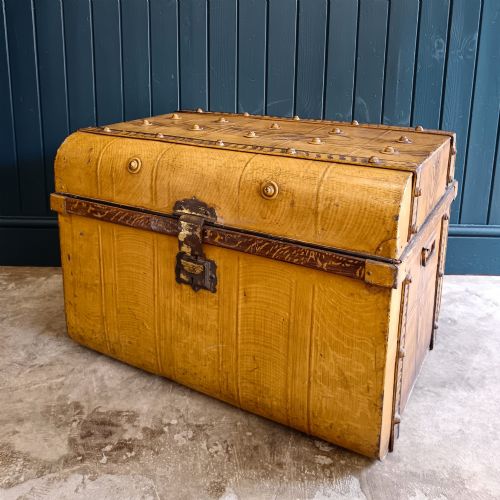
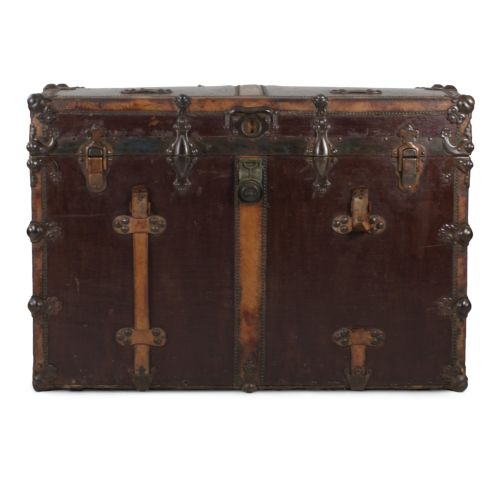
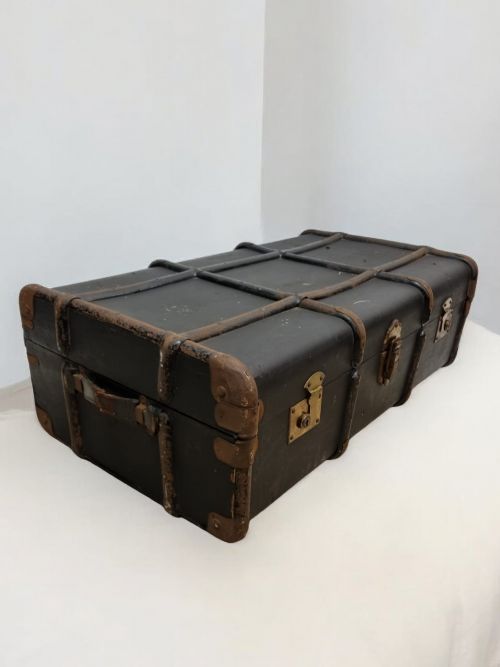
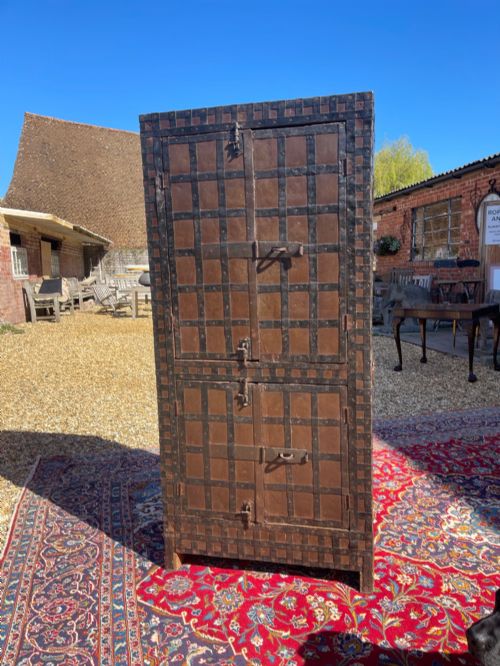
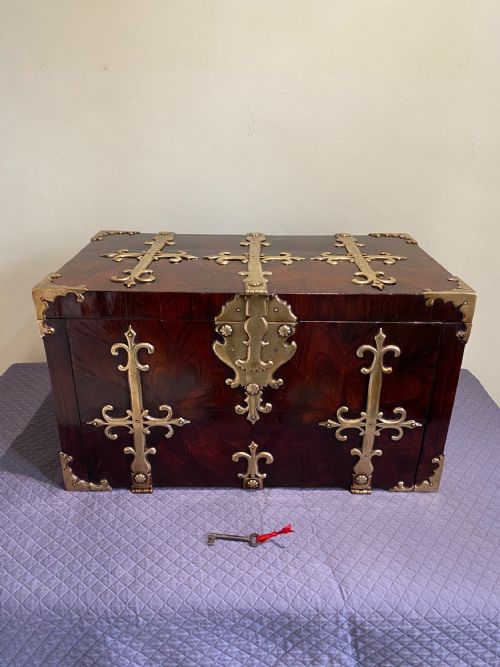
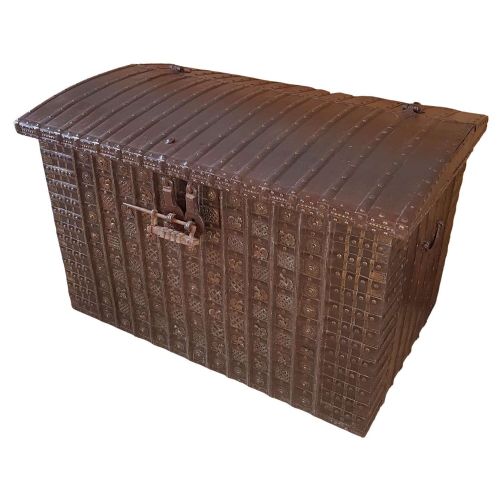
The pieces encountered on this page range from heavy iron-banded timber trunks and brass-mounted Zanzibar chests to industrial steel travel luggage and tinplate deed boxes. Makers utilised structural metals alongside woods such as oak, pine, and teak to withstand the rigours of maritime and land journeys.
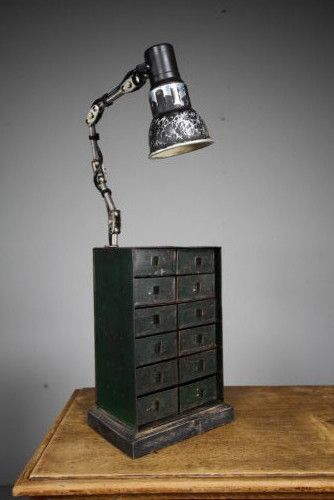
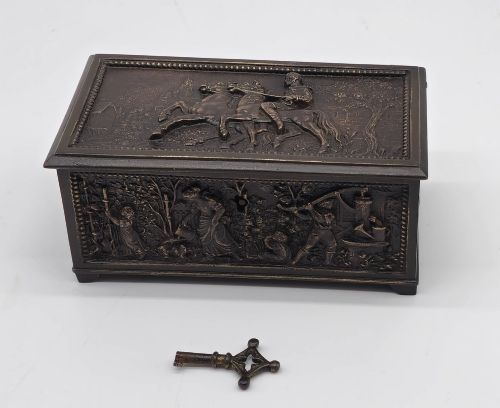
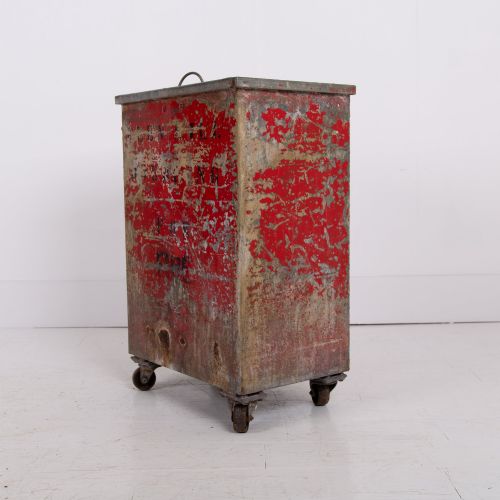
Industrial forms such as fire bins, coal boxes, and filing cabinets also appear within the selection, alongside decorative bronze and copper caskets. Victorian and Edwardian examples dominate the inventory, reflecting periods of industrial expansion and global travel.
How they were made
Construction relies upon combinations of durable metals and structural timbers, incorporating iron bands, brass corners, and steel plating to reinforce wooden carcases. Tinplate, bronze, and copper appear on smaller deed boxes and decorative caskets.
Joining techniques combine traditional cabinetmaking with metalworking methods, using hand-hammered rivets, forged strapwork, and dovetail joints. Original hardware includes heavy-duty padlocks, strap hinges, and inset brass carrying handles designed for transit.
The inventory includes industrial filing cabinets, campaign travel trunks, and decorative nineteenth-century bronze caskets.
What varies in quality
Quality rests upon the integrity of the original construction, the robustness of the metal reinforcement, and the survival of working locks and keys. Pieces retaining matching hardware, leather binding, and fitted internal compartments demonstrate superior original manufacture.
The grade of materials distinguishes standard utilitarian boxes from luxury travel pieces built by specialist makers. Original painted surfaces, stencilled transit markings, and untouched patination elevate the distinction of surviving examples.
Samuel Pratt·Tanns Defiance London·Richard Arkwright Masson Mills·Seaward·Allen of London·S Theeman·Milners of Liverpool·Jones Bros
The Vintage Metal Chest Glossary
- Deed box
- A secure metal container designed for storing legal documents, paper records, and valuable certificates. These boxes typically feature robust locking mechanisms and durable metal outer plates.
- Steamer trunk
- A luggage chest constructed for ocean liner travel, built with a lower profile to fit beneath cabin berths. They often combine wood and metal construction with internal trays.
- Campaign case
- Portable military furniture and storage designed for officers on active service abroad. These pieces incorporate brass corners and recessed handles for protection during transit.
- Tinplate
- Thin sheet iron or steel coated with tin to prevent corrosion. It provided a lightweight alternative to solid iron for travel trunks and deed boxes.
- Coffer
- A heavy storage chest traditionally reinforced with iron straps. Early examples utilise solid timber carcases with forged metal banding for security.
Vintage Metal Chest: Frequently Asked Questions
What were vintage metal chests used for?
These chests served primarily for secure transport and storage of personal belongings, silver, and important documents during travel. Merchants, military officers, and households relied upon their robust metal construction for protection against theft and the elements.
Later examples transitioned into domestic storage functions, holding household goods, blankets, and coal near fireplaces. Their durable build allowed them to endure decades of active service in transit and domestic settings.
How do I date a vintage metal chest?
Dating relies upon examining construction methods, lock types, and materials alongside any maker stamps or stencilled travel labels. Nineteenth-century examples often feature hand-forged iron straps and dovetailed timber interiors, whereas later pieces incorporate machine-rolled steel and industrial fixings.
Stylistic indicators such as Arts and Crafts decorative work or Victorian brass mounts provide further chronological markers. Patent dates on locks and safes offer precise manufacturing benchmarks.
How do I clean and care for a metal chest?
Maintenance involves preserving the natural patination of the metal and wood without removing historical wear. Gentle dusting and application of microcrystalline wax help protect iron surfaces and leather bindings from moisture.
Harsh chemical cleaners should be avoided, as they strip the aged finish and destroy surface character. Regular treatment of wooden elements with appropriate wax maintains the condition of the carcase.
Are replacement keys common for these chests?
Many surviving chests retain their original locks, though working keys are occasionally modern replacements fitted by specialist locksmiths. Complex security locks by makers such as Milner or Tann often require specialist attention if keys are missing.
Collectors generally value original locking mechanisms, even if the key is a later working replacement. The presence of functional locking hardware enhances the practical utility of the chest.