





Vintage Metal Champagne Cooler
A vintage metal champagne cooler holds ice and wine with weight and presence, turning a simple bottle into a centrepiece.
Vintage Metal Champagne Cooler
A vintage metal champagne cooler serves as a utilitarian vessel for chilling wine and champagne, taking the form of buckets, bowls, and footed vessels. When you search for a vintage metal champagne cooler, you encounter pieces designed to hold ice and bottles simultaneously for dining and entertaining.
The selections span centuries, incorporating forms from the eighteenth century, the Victorian era, and the Art Deco period. Common designations include wine coolers, ice buckets, and punch bowls that double as beverage vessels.
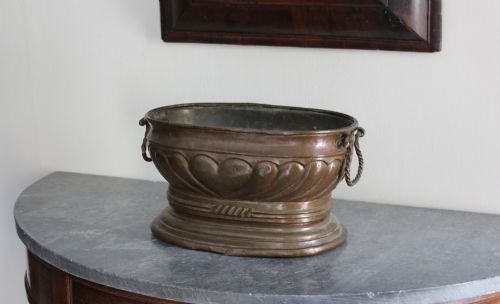
Origins vary across French and English workshops, ranging from rustic copper basins to polished silver plate creations. These items appear in materials such as brass, tin, base metal, and chrome alongside heavy silverplate.
How they were made
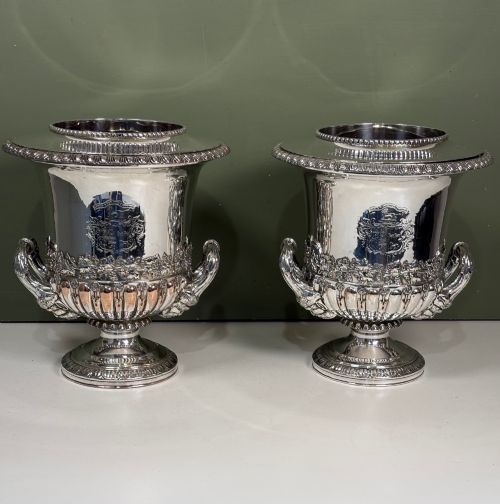
Makers shaped copper, brass, and base metal through hand-hammering, spinning, and casting, often mounting handles or rings securely to the body. Pieces from the nineteenth and twentieth centuries frequently employ silver plating over a base metal foundation to achieve a bright, reflective surface.
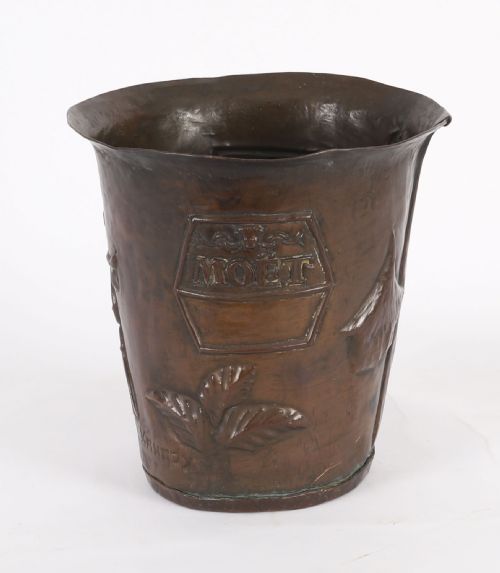
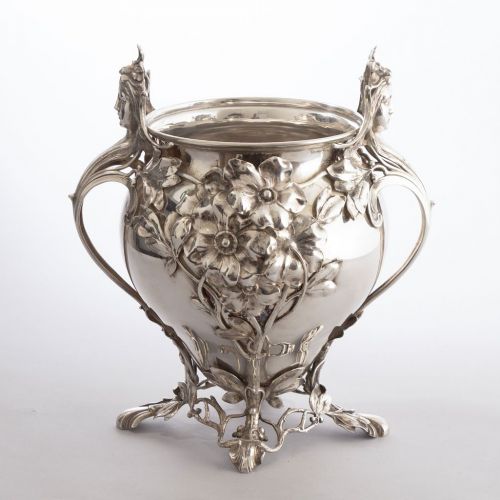
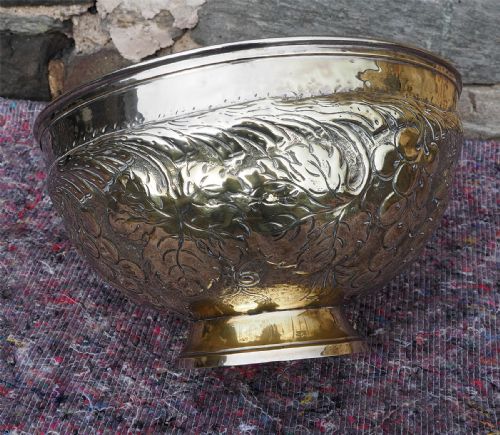
Decoration techniques include heavy embossing, applied tendrils, and floral motifs characteristic of the Art Nouveau style, or clean geometric lines typical of Art Deco design. Artisans utilised soldering and riveting to join components, ensuring the vessels held water and ice reliably.
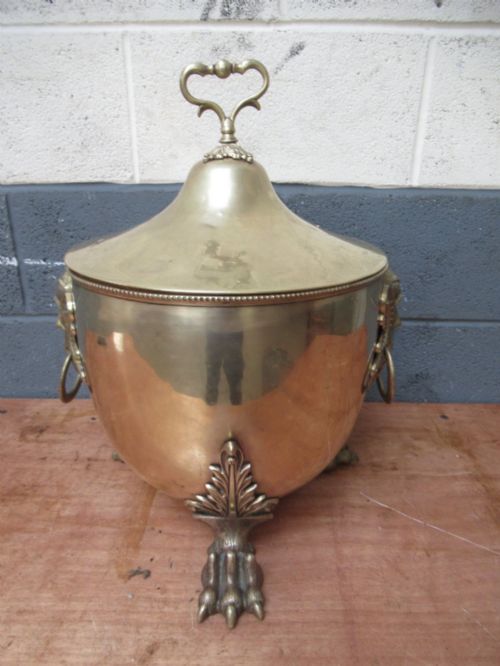
Some nineteenth-century champagne buckets arrived with roaring lion handles, standing ready to guard your vintage whilst it chills.
What varies in quality
Substance separates simpler vessels from superior examples, where thick-gauge copper, heavy silver plate, or substantial brass provide reassuring heft. The integrity of construction dictates longevity, particularly at the joints where handles and feet attach to the main body.
Artistic execution and design attribution distinguish standard production items from distinguished studio works, such as pieces by known manufacturers. Crispness in embossed detail and refinement in cast mounts indicate a higher tier of craftsmanship.
Christofle·WMF·Elkington·Luc Lanel for Christofle
The Vintage Metal Champagne Cooler Glossary
- Silver plate
- A thin layer of silver bonded to a base metal such as copper or brass. This technique offered the visual appeal of solid silver at a more accessible cost during the nineteenth and twentieth centuries.
- Art Deco
- A design style spanning the 1920s and 1930s characterised by sleek geometric shapes, streamlined forms, and modern industrial materials. It represents a sharp departure from ornate Victorian aesthetics.
- Art Nouveau
- An international style prominent around 1900 inspired by natural forms, featuring sinuous lines, plant motifs, and organic asymmetry.
- Punch bowl
- A large, wide-rimmed vessel traditionally used for mixing and serving punch, frequently adapted for chilling multiple wine bottles.
- Base metal
- An ordinary and inexpensive metal, such as iron, copper, or brass, used as the underlying core for plated tableware.
Vintage Metal Champagne Cooler: Frequently Asked Questions
Can I use an antique cooler for actual ice?
Metal vessels retain cold temperatures efficiently, making them suitable for holding ice and chilling bottles during meals. Modern ice will not harm the interior surface of a silver-plated or copper cooler.
Ensure the vessel dries completely after use to prevent moisture spotting or tarnishing on the metal exterior.
How do I clean a silver plated cooler?
Wash the interior and exterior gently with warm water and mild washing-up liquid using a soft cloth. Avoid abrasive scourers that might wear away the thin silver plating.
Apply a specialist silver polish sparingly if you wish to reduce tarnish, or leave the patina intact depending on your preference.
What is the difference between a wine cooler and an ice bucket?
Wine coolers tend to be deeper and wider to accommodate both the bottle and sufficient ice for immersion. Ice buckets often feature smaller proportions intended primarily for loose ice cubes rather than whole bottles.
Many antique vessels served multiple functions, functioning interchangeably as punch bowls, planters, or bottle holders.
How do I date an antique metal cooler?
Examine the manufacturing style, such as the geometric lines of Art Deco pieces from the 1930s or the organic curves of Art Nouveau items from 1910. Maker marks stamped on the base provide definitive clues regarding the workshop and production era.
Materials also offer guidance, as heavy copper work frequently points to earlier periods while chrome and certain silverplate techniques indicate twentieth-century manufacturing.