

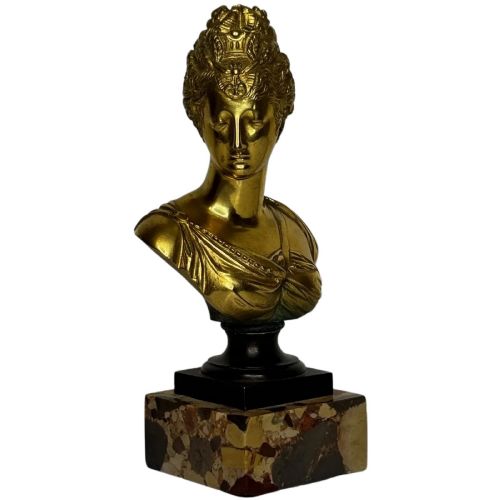



Vintage Metal Bust
A vintage metal bust brings sculptural presence to a room, offering historic character through patinated surfaces and solid cast forms.
Vintage Metal Bust
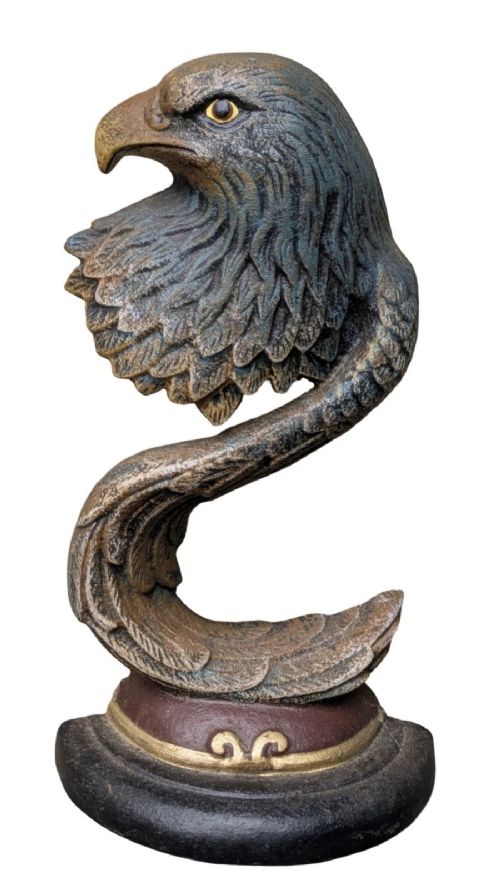
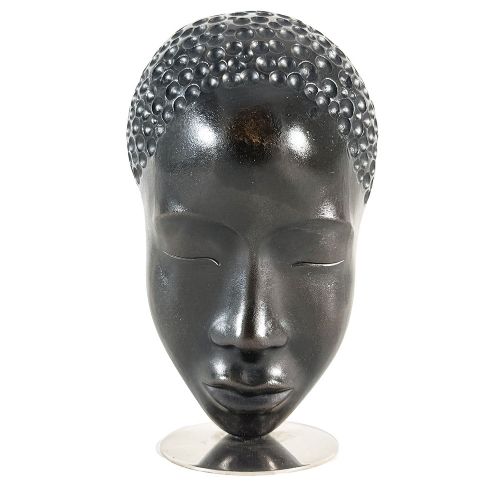
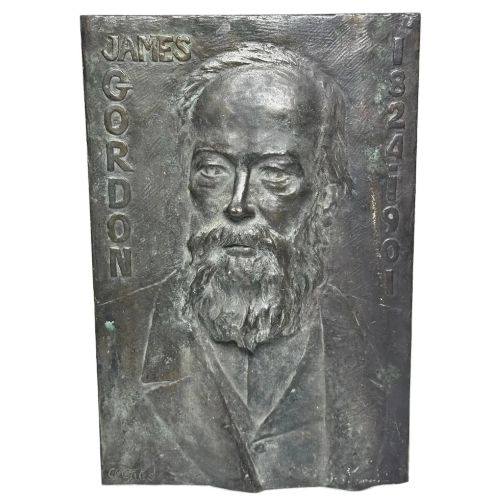
A vintage metal bust captures human and animal subjects in three dimensions, ranging from classical portraiture to utilitarian items like coat hooks and bookends. When exploring a vintage metal bust, collectors encounter diverse forms including literary figures, equestrian subjects, and tribal art pieces. These sculptures frequently serve as striking focal points on mantels, desks, and architectural mounts.
The selection encompasses works from the Georgian, Victorian, and Edwardian eras, alongside Art Deco creations and mid-century African bronzes. Materials span standard cast iron, patinated bronze, and gilt metal, often mounted on marble plinths. This variety reflects shifting artistic styles across the nineteenth and twentieth centuries.
Materials and construction methods
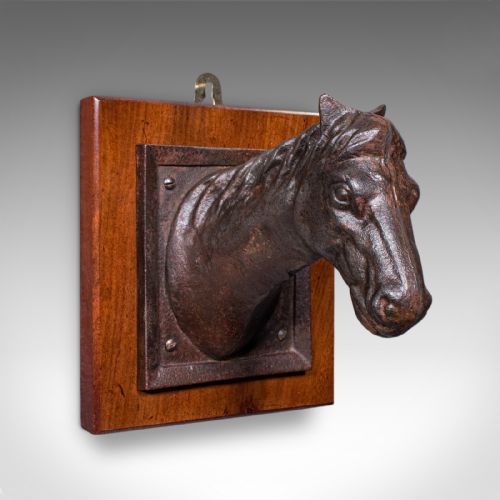
Makers finished cast metal through chasing and polishing, defining the contours of portraits and decorative objects. Iron elements on utilitarian items like horse head hitching posts provided durability for heavy domestic or architectural use. Gilt finishes added reflective highlights to clock mounts and decorative relief plaques.
Vintage Metal Bust Retail Price Guide 2026
Typical asking prices for vintage metal bust among the pieces listed under this phrase on Sellingantiques today, from the lower quarter to the upper quarter. They describe what is for sale here now, not the wider market.
The inventory records diverse forms, including portrait sculptures, bookends, wall masks, and architectural horse head hitching posts.
Distinguishing quality in cast sculpture
Quality rests in the crispness of the casting and the sensitivity of the modelling, where finer details remain sharp rather than softened by worn moulds. The depth and warmth of the patination contribute significantly to a piece's visual impact, distinguishing carefully finished surfaces from flat, industrial coatings. Integrated marble plinths and signature markings also indicate higher workshop standards.
The weight and balance of the metalwork reveal the integrity of the original construction, particularly in functional objects like bookends and wall hooks. Superior patinated bronze examples demonstrate nuanced tonal variations across the cast metal. Lesser pieces show minor casting flaws or simpler, uniform surface treatments.
Hagenauer·P.H Mourey·J C De Blezer
The Vintage Metal Bust Glossary
- Patinated bronze
- Bronze that has been treated with chemical solutions to produce a specific surface colour and aged finish. This process protects the underlying metal while enhancing sculptural depth.
- Cast iron
- An iron-carbon alloy poured into moulds to create rigid, heavy objects. It was commonly utilised for durable architectural pieces and utilitarian items.
- Gilt bronze
- Bronze coated with a thin layer of gold or gold-coloured alloy. It was frequently applied to decorative clock mounts and ornamental sculptures.
- Neoclassical
- A style inspired by the classical art and architecture of ancient Greece and Rome. It prioritises proportion, restraint, and classical portrait subjects.
Vintage Metal Bust: Frequently Asked Questions
How do I clean a metal bust?
Dust the surface gently with a soft, dry brush to remove particles without disturbing the underlying finish. Avoid harsh chemical cleaners or abrasive cloths that might strip the historic patination from the metal.
For stubborn grime, consult a professional conservator rather than attempting aggressive polishing at home. Maintaining the original surface crust preserves both the character and historical integrity of the piece.
What periods do these busts span?
The selection includes works from the Georgian, Victorian, and Edwardian eras, alongside later Art Deco and mid-twentieth-century productions. These date ranges cover diverse aesthetic movements from classical revivalism to early twentieth-century modernism.
Stylistic cues such as neoclassical drapery or Art Deco geometry help indicate the likely era of execution. Each period utilised distinct casting methods and finishing treatments.
Are all these pieces solid bronze?
Materials vary widely across the inventory, encompassing cast iron, patinated bronze, gilt metal, and general cast metal alongside mixed media compositions. Some sculptures incorporate heavy iron for functional utility, while others feature fine bronze casting for portraiture.
Checking the weight and examining the surface coloration helps identify the specific metal used in each object. Descriptions frequently note the primary material alongside any secondary stone or wood elements.
How were horse head pieces used?
Horse head items in the collection served practical roles as architectural salvage, hitching posts, and equestrian tack hooks in domestic and stable settings. Their robust iron construction was designed to withstand outdoor conditions and heavy daily use.
Over time, these utilitarian objects transitioned into decorative interior elements appreciated for their sculptural equestrian form. They are frequently mounted on walls or displayed freestanding in hallway spaces.