



Vintage Metal Birds
When you handle vintage metal birds, you find sculptures, cages, and vessels cast in brass, bronze, and iron across the nineteenth and twentieth centuries.
Vintage Metal Birds
Vintage metal birds encompass decorative sculptures, garden statues, and practical items like birdcages, bowls, and bookends. Buyers searching this phrase meet domestic ornaments and garden pieces cast from solid metals and alloys.
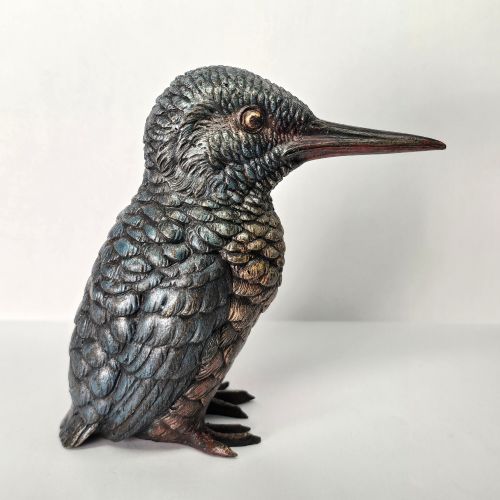
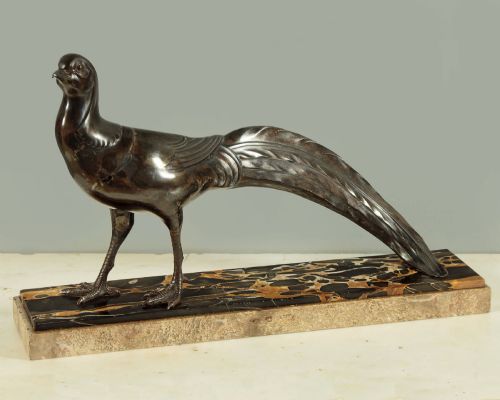
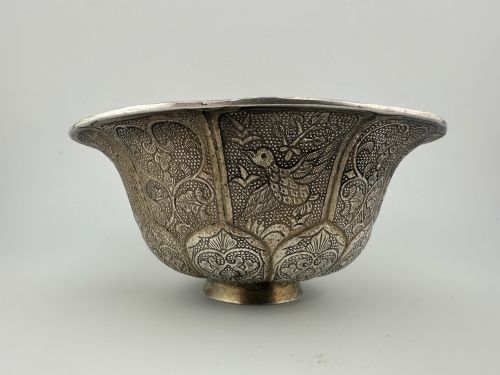
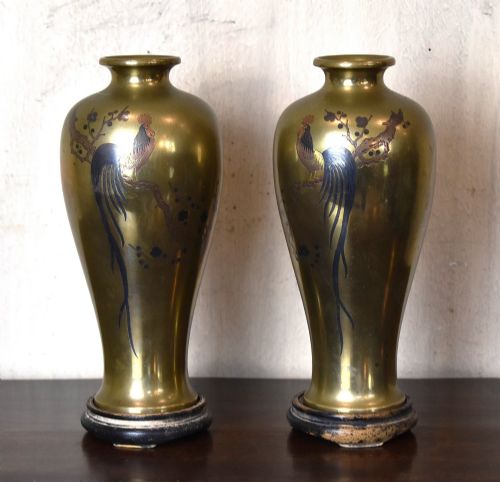
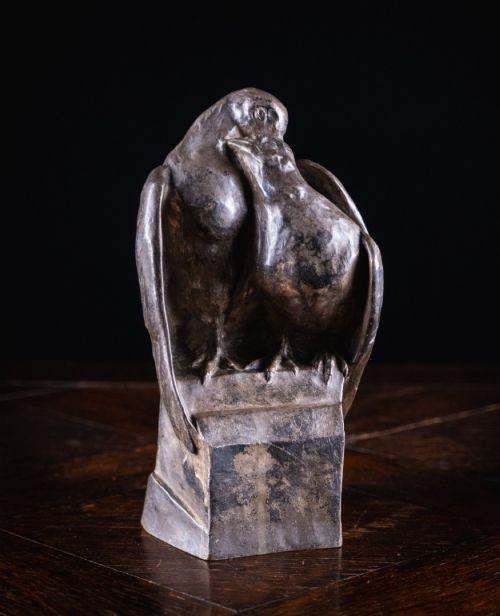
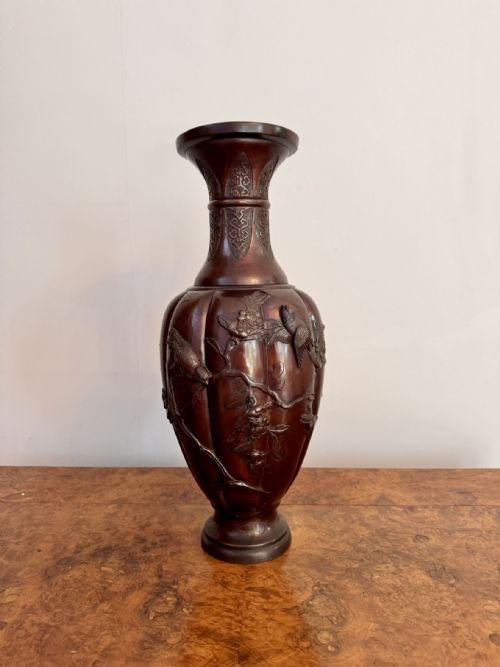
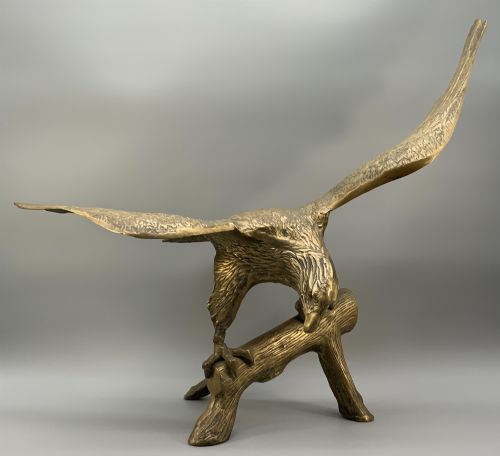
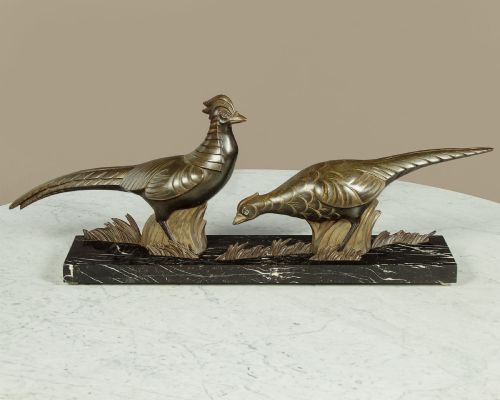
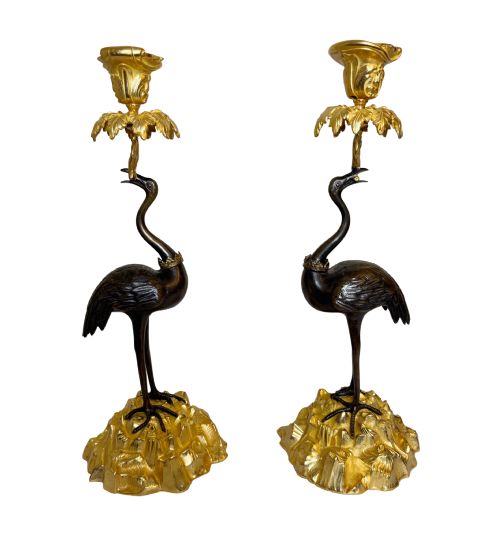
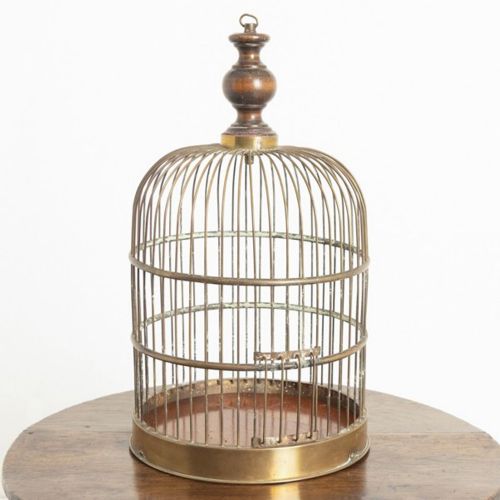
The selection on this page leans toward sculptural figures such as eagles, pheasants, and owls, alongside nineteenth-century brass birdcages and Japanese bronzes. These objects cross European and Asian decorative traditions from the Victorian period to the mid-twentieth century.
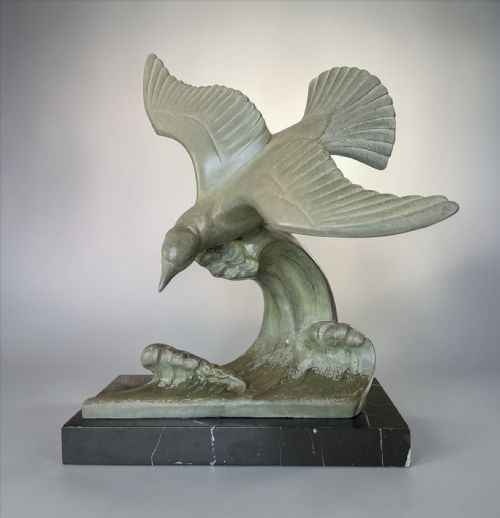
Makers utilised diverse forms ranging from French Art Deco seagulls to Austrian cold-painted bronze ducks and heavy cast iron garden statues. Each piece reflects the aesthetic priorities of its decade of origin, spanning Meiji period metalwork and early twentieth-century foundry work.
How they were made
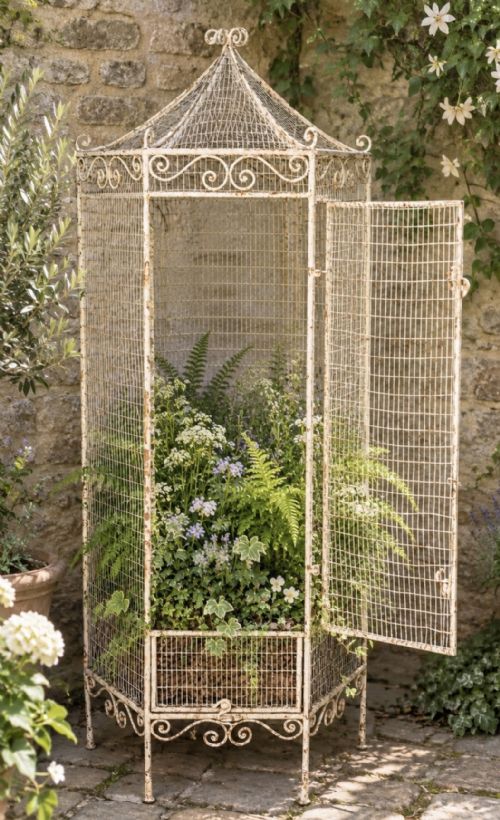
Foundries cast these pieces using brass, bronze, copper, spelter, and cast iron, often finishing surfaces with cold painting, gilding, or enamel work. Sculptors shaped metals into realistic animal forms, while wire and sheet metal workers constructed intricate cages and tole ware.
Japanese pieces demonstrate cloisonné enamel and lacquer techniques applied to metal bases, alongside detailed bronze casting for garden okimono. European workshops employed traditional casting methods for heavy bookends, candlesticks, and structural birdcages.
Surfaces frequently show applied decoration such as polychrome paint or gilt bronze details, binding the metal core to detailed avian imagery. The integration of marble bases, onyx plinths, and wooden elements supports heavier metal sculptures.
Vintage Metal Birds Retail Price Guide 2026
Typical asking prices for vintage metal birds among the pieces listed under this phrase on Sellingantiques today, from the lower quarter to the upper quarter. They describe what is for sale here now, not the wider market.
Listings span periods from the Victorian era through the 1930s, featuring materials including brass, bronze, copper, and cast iron.
What varies in quality
Quality rests upon the precision of the casting and the crispness of the chased or engraved detail on feathers and foliage. Superior sculptures capture anatomical movement and naturalistic posture rather than relying on uniform, mass-produced textures.
The integrity of the original surface finish, whether cold-painted enamel, gilt bronze, or patinated brass, dictates the visual strength of the object. Pieces retaining their intended colour and surface treatment without heavy intervention sit at the higher end of the range.
Frederique Cederlund-Ozanne·Karl Griesbaum
The Vintage Metal Birds Glossary
- Spelter
- A zinc-based alloy commonly utilised for decorative figures and bookends during the late nineteenth and early twentieth centuries. It takes patination well to simulate bronze.
- Cold Painted Bronze
- A method where bronze sculptures receive paint finishes applied without high-temperature firing. This technique saw wide adoption in Austrian animalier bronzes.
- Cloisonné
- An enamelling technique where metal wire forms compartments on a metal base to hold coloured enamel pastes. Japanese chargers and vessels frequently display this method.
- Okimono
- Japanese decorative objects designed for display on shelves or tables rather than ritual use. These metal figures depict animals with naturalistic precision.
- Tole Ware
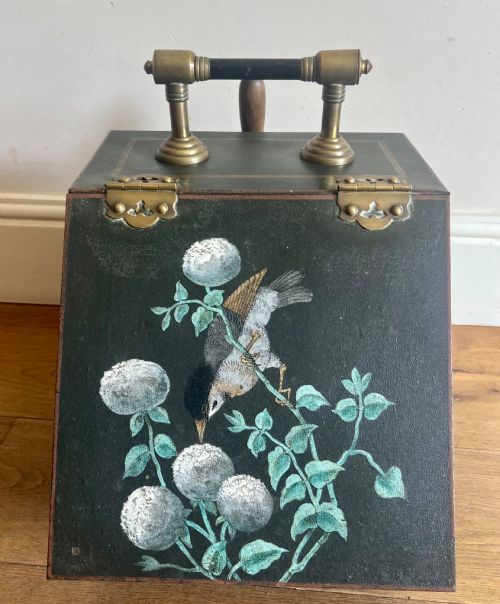
- Enamelled and japanned sheet metal items produced for domestic utility and decoration. These objects often feature hand-painted floral or animal motifs.
Vintage Metal Birds: Frequently Asked Questions
What metals were used for vintage metal birds?
Foundries cast these sculptures and objects in brass, bronze, copper, cast iron, and spelter. Some pieces incorporate white metal, silver plating, or zinc.
Surface finishes include enamel, gilding, and cold paintwork to render realistic plumage and decorative colouration.
How do I care for antique metal birdcages?
Metal birdcages require gentle dusting with a soft brush to protect wire structures and decorative joints. Avoid liquid cleaners that might strip historic patination from brass or iron.
Keep these objects away from damp environments to prevent oxidation on exposed iron and copper surfaces.
Are vintage metal bird sculptures hollow or solid?
Construction methods vary by period and object type, with larger garden statues and figures typically cast hollow to reduce weight. Smaller decorative items, bookends, and miniatures are often cast solid.
Foundries balanced structural stability with material weight, particularly for pieces mounted on marble or onyx bases.
Where were Japanese bronze bird sculptures made?
Japanese metalworkers produced garden okimono, vases, and cloisonné vessels during the Meiji period and surrounding decades. Workshops utilised traditional bronze casting and enamelling traditions.
These pieces frequently reached Western markets through export trade, combining local avian motifs with skilled foundry work.