





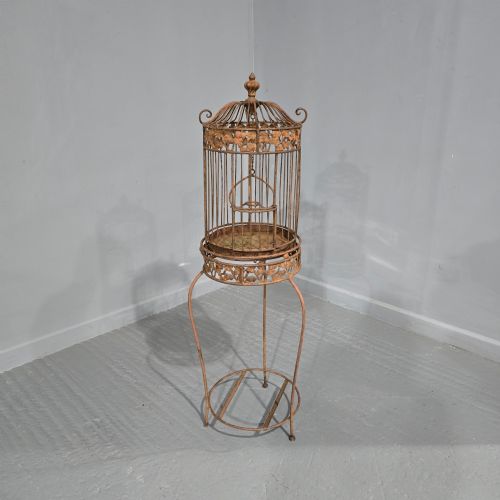
Vintage Metal Birdcage
These vintage metal birdcage pieces bring architectural form and period charm to interiors, offering a distinct decorative presence.
Vintage Metal Birdcage
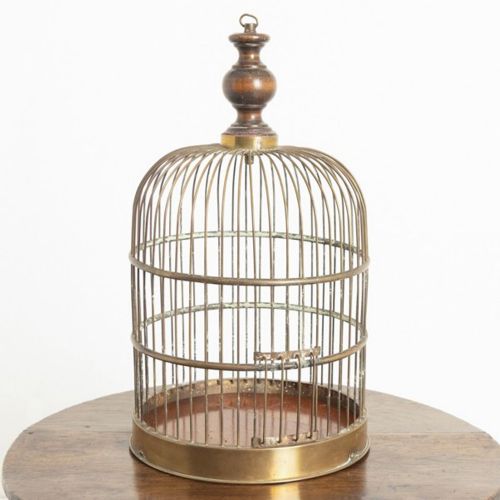
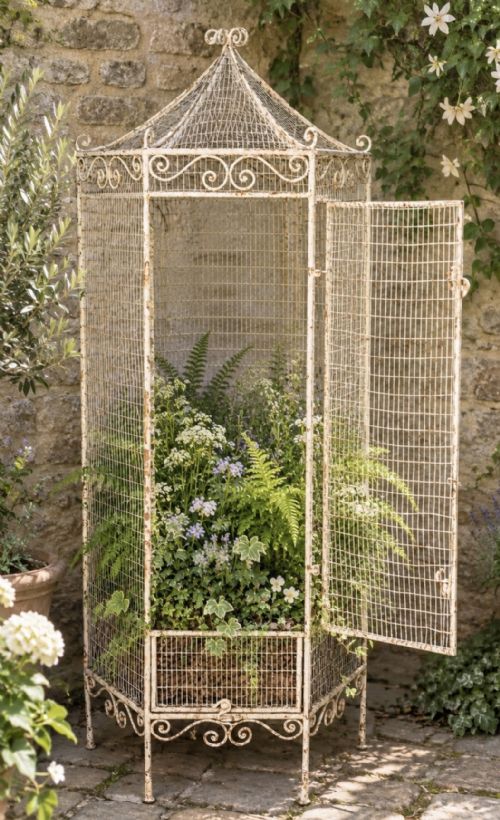
A vintage metal birdcage encompasses varied forms ranging from hanging brass structures to elaborate chandeliers and substantial wire frames. These decorative objects span periods from the nineteenth century through the mid twentieth century, including Victorian and Edwardian examples.
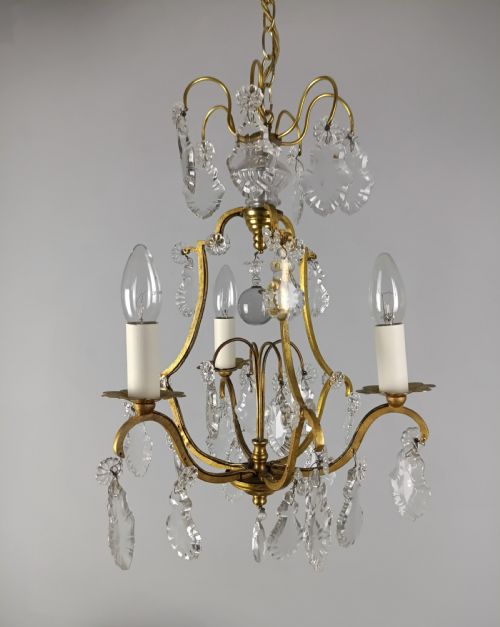
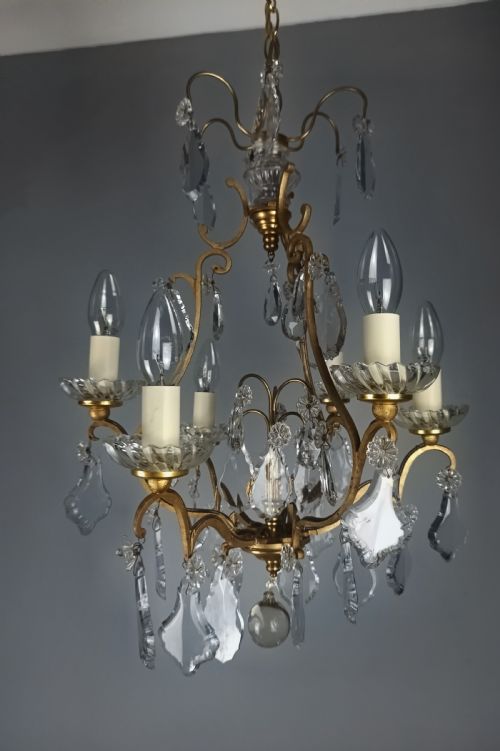
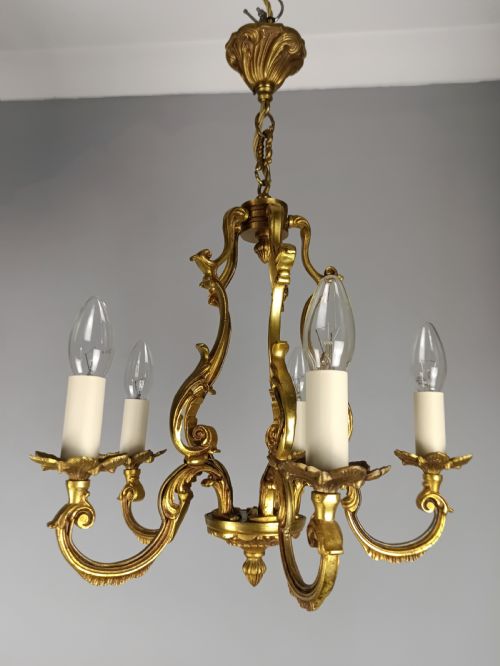
The pieces on this page appear in styles such as French Rococo Revival, French Provincial, and Art Nouveau alongside country house designs. Buyers will encounter both utilitarian cages built for birds and decorative lighting fixtures styled after cage architecture.
How they were made
Construction relies on metals like brass, wrought iron, copper, and zinc, frequently paired with wire mesh and structural wood elements. Gilt metal and applied paint provide surface finish and colour across the diverse array of forms.
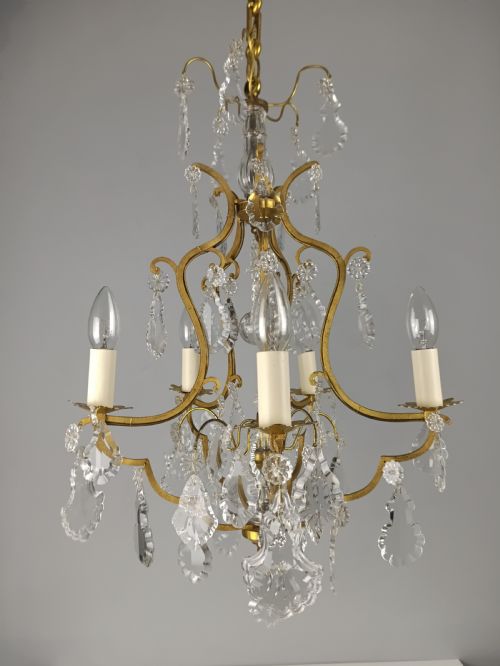
Chandeliers integrate crystal and glass drops within gilded bronze or metal frameworks housing multiple light sources. Mechanical examples incorporate automaton movements, as seen in singing bird designs originating from Germany.
Vintage Metal Birdcage Retail Price Guide 2026
Typical asking prices for vintage metal birdcage among the pieces listed under this phrase on Sellingantiques today, from the lower quarter to the upper quarter. They describe what is for sale here now, not the wider market.
Listings feature periods from the nineteenth century through the nineteen fifties, encompassing brass, iron, wood, and crystal materials.
What varies in quality
Quality rests in the weight of the metalwork, the complexity of the wire or brass construction, and the integrity of the original surface finish. Substantial brass frames and crisp cast iron demonstrate superior foundational making compared to lighter alternatives.
Artistic execution distinguishes standard utilitarian cages from high decorative works, particularly in French gilded chandeliers with crystal elements or fine automaton mechanisms. The cohesion of period style, whether Art Nouveau or Rococo Revival, dictates the refinement of the piece.
Karl Griesbaum
The Vintage Metal Birdcage Glossary
- Automaton
- A mechanical device that imitates the movement of a living creature, utilised in singing bird boxes and cages. This mechanism creates movement and sound through clockwork engineering.
- Gilt bronze
- Metal alloy coated with a thin layer of gold, providing a durable and decorative surface finish. This material appears frequently on French chandeliers.
- Wire mesh
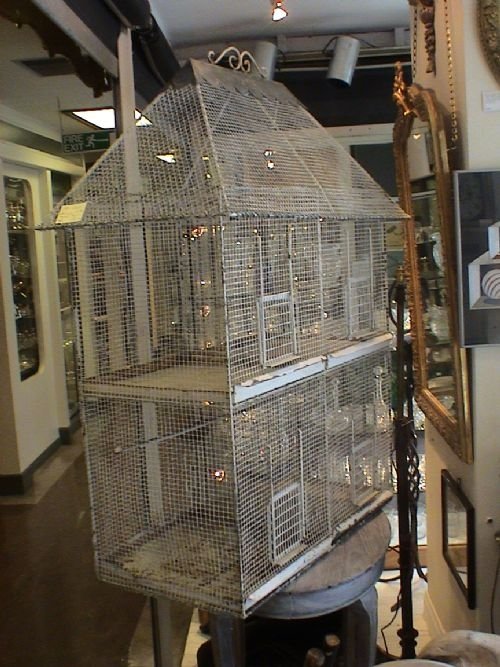
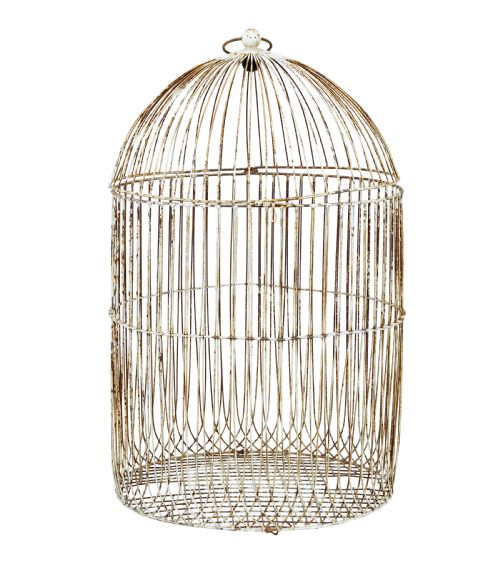
- A woven metal grid forming the body of many cages, allowing visibility while containing the interior space. It provides structural transparency.
- Chandelier
- A branched ornamental light fixture suspended from the ceiling, styled here in the form of a birdcage. These fixtures incorporate glass and crystal drops.
Vintage Metal Birdcage: Frequently Asked Questions
What are vintage metal birdcages made from?
These pieces utilise brass, cast iron, copper, zinc, and wire mesh, often finished with paint or gilt metal. Crystal and glass elements appear on chandelier variants.
Wood and automaton mechanisms also feature in specific German and French designs from the collection.
How do I identify a Victorian birdcage?
Victorian examples often employ cast iron or heavy wire frames, frequently paired with stands or robust country house forms. The period spans the nineteenth century up to nineteen hundred.
Detailing reflects the heavier industrial and domestic design priorities of nineteenth century workshops.
Where were French birdcage chandeliers made?
These lighting fixtures originate from French workshops adhering to styles like Rococo Revival, Provincial, and Chateau aesthetics. They combine cage architecture with multiple light sources and crystal drops.
Gilt bronze and gilded metal form the structural framework for these decorative objects.
Can these birdcages be hung up?
Many examples are designed specifically for suspension, including hanging brass cages and wired chandelier variants. Others are built as freestanding objects on stands or flat surfaces.
Checking the upper loops or mounting points confirms whether a piece is intended for hanging.