






Decorative Birdcage
A decorative birdcage brings sculptural form and textural wirework into a room, offering an atmospheric focal point derived from utilitarian animal husbandry.
Decorative Birdcage
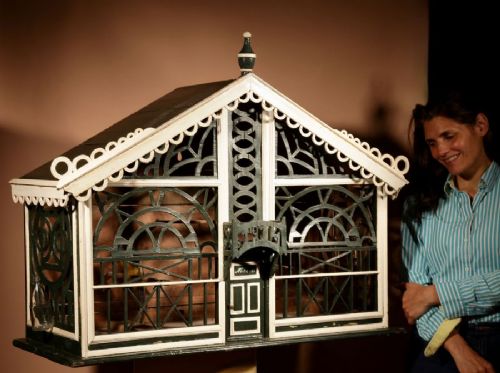
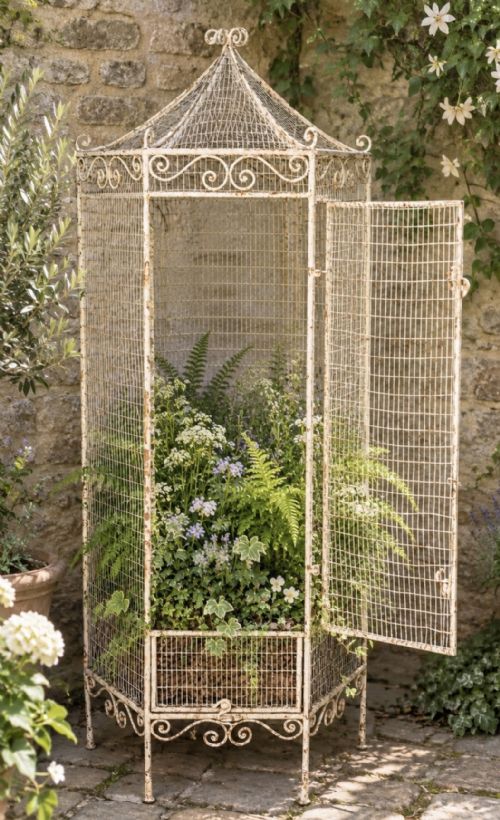
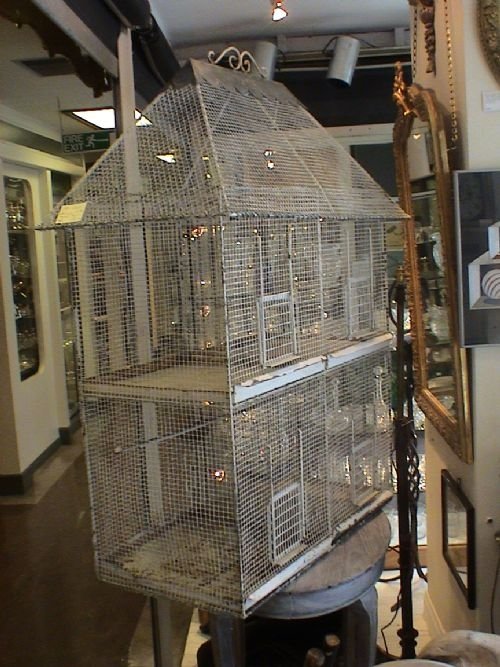
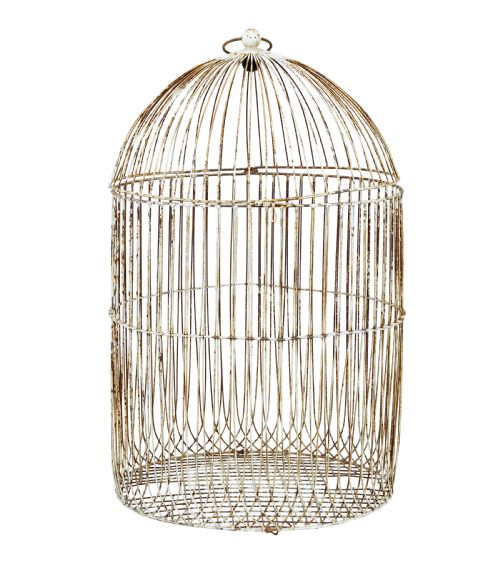
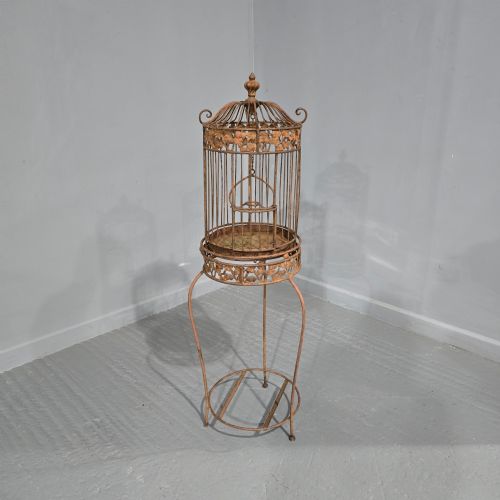
A decorative birdcage is a structural object shaped by past domestic keeping of songbirds and exotic pets. The examples seen on this page span several decades from the nineteenth century into the mid twentieth century, encompassing architectural forms and simpler hanging designs.
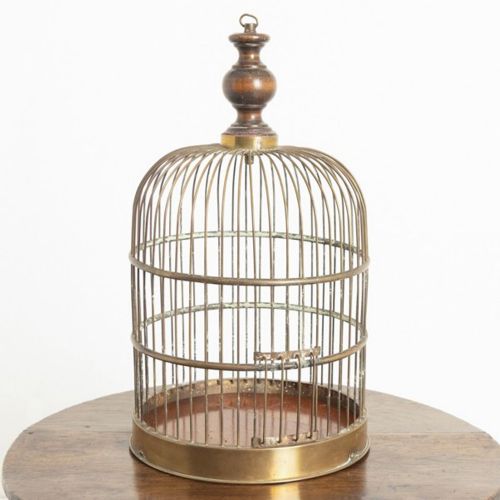
The version most commonly encountered is constructed from brass or wire frame materials, often adopting round profiles or intricate fretwork. These pieces draw on Victorian, Edwardian, and French provincial styles, shifting the enclosure from a functional animal dwelling into a purely ornamental furnishing.
Materials and construction
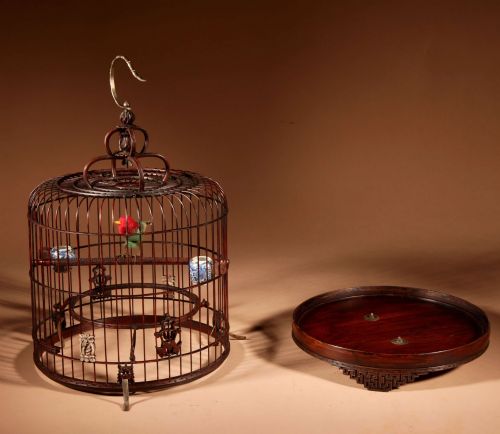
Construction relies heavily on metals such as brass, copper, cast iron, and wire mesh, which provide both structural integrity and fine linear detail. These metallic elements are frequently paired with wood or bamboo to build tiered pagoda frameworks and carved decorative enclosures.
Techniques range from hand carved bamboo joinery found in Chinese examples to soldered wire frames and cast iron stands from the Victorian era. Surface treatment involves applied paint and natural patination developed over centuries of age and exposure.
Decorative Birdcage Retail Price Guide 2026
Typical asking prices for decorative birdcage among the pieces listed under this phrase on Sellingantiques today, from the lower quarter to the upper quarter. They describe what is for sale here now, not the wider market.
Listings feature pieces spanning the nineteenth century through to the 1940s, utilising brass, bamboo, wrought iron, and zinc.
Assessing quality and craftsmanship
Quality in a decorative birdcage rests in the complexity of its construction and the integrity of its materials. Substantial brass wirework and precise fretwork demonstrate superior craftsmanship compared to simpler production pieces.
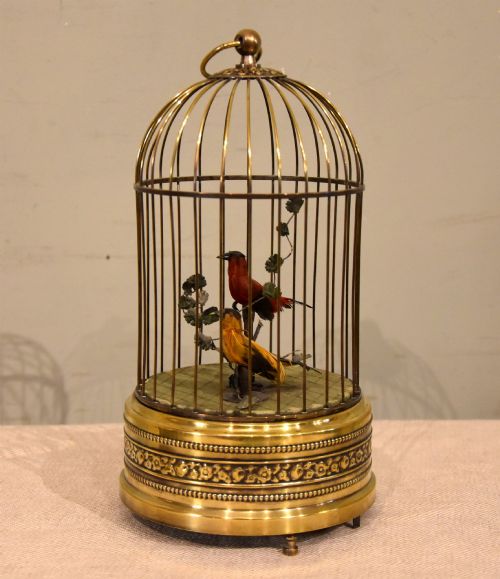
The presence of integrated architectural details, such as multi storey pagoda structures or mechanical singing bird automata, elevates a piece significantly. Finer examples maintain original surface patination and structural soundness across delicate wire frames and hanging mounts.
The Decorative Birdcage Glossary
- Automaton
- A mechanical device enclosed within a cage that simulates movement or sound, such as singing birds. These mechanisms require intricate clockwork engineering.
- Fretwork
- Ornamental perforated woodwork created by cutting patterns through thin boards. It appears on architectural birdcages to add decorative surface texture.
- Wire frame
- A structural skeleton constructed from interlaced metal wires forming the enclosure of the cage. This technique defines the visual lightness characteristic of nineteenth century examples.
- Chateau style
- A design aesthetic drawing from French country houses and aristocratic residences. Pieces in this category often utilise zinc and weathered metal finishes.
Decorative Birdcage: Frequently Asked Questions
How were decorative birdcages used originally?
Originally, these enclosures housed live songbirds and exotic pets within domestic parlours and drawing rooms. The intricate designs allowed owners to display prized birds while complementing interior furnishings.
Over time, many of these enclosures transitioned into purely ornamental objects, appreciated for their architectural silhouettes rather than their function as animal housing.
Where should I place a birdcage in my home?
These pieces function effectively as hanging focal points or as floor standing decorative objects atop dedicated iron stands. Their open wirework and metallic frames allow light to pass through, making them suitable for corners or near windows.
Smaller variants also sit comfortably on tables or shelves, where their detailed fretwork and period materials can be viewed at close range.
How do I identify a Victorian birdcage?
Victorian examples frequently utilise heavy cast iron bases, brass wire construction, or substantial wire frames designed to support hanging installations. The aesthetic often incorporates ornate metalwork or period decorative motifs.
Consulting the materials and construction techniques helps distinguish these mid to late nineteenth century items from later twentieth century reproductions.
What maintenance do antique cages require?
Antique metal and wooden structures benefit from gentle dusting with a soft brush to protect delicate wirework and carved bamboo elements. Avoid harsh chemical cleaners that might strip the historic patina accumulated on brass and copper surfaces.
Ensuring stable indoor humidity levels protects organic materials like bamboo and wood from warping over time.