


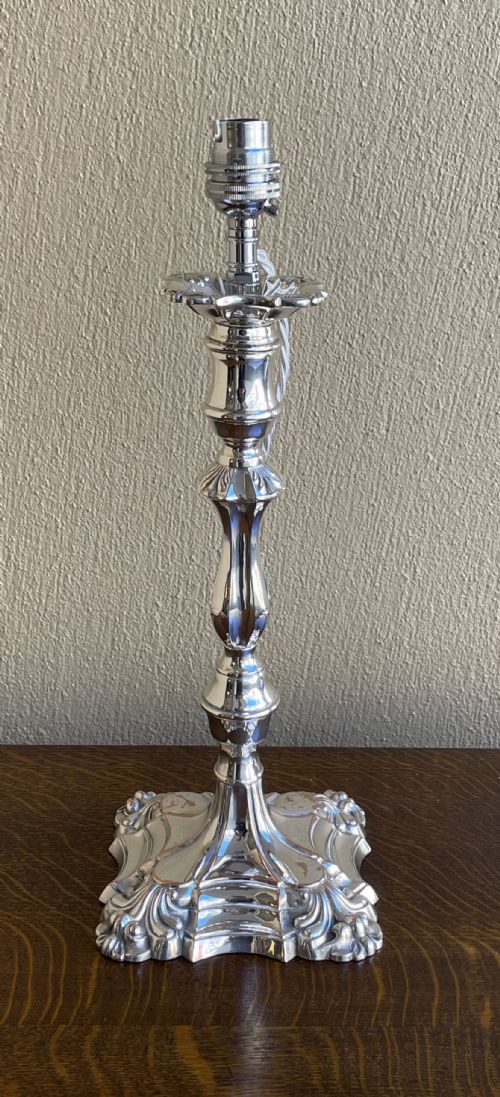


Vintage Metal Bedside Lamp
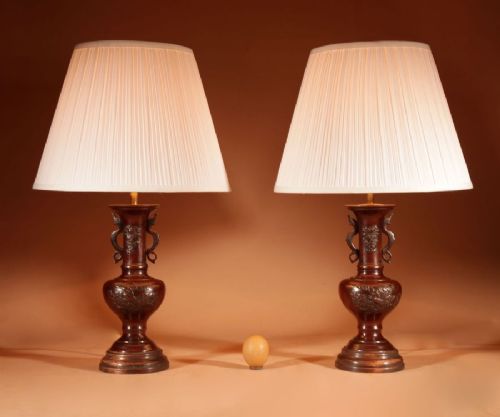
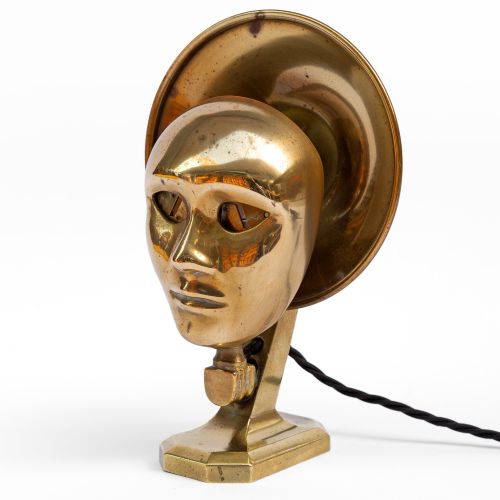
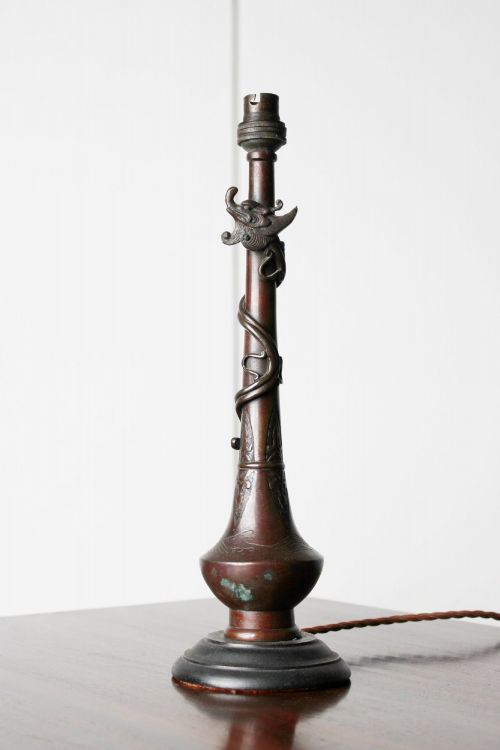
A vintage metal bedside lamp brings character to a room through heavy brass, bronze, and silver-plated finishes spanning the early twentieth century.
Vintage Metal Bedside Lamp
A vintage metal bedside lamp encompasses lighting pieces forged from materials such as brass, bronze, gilt metal, and silver plate. These items often date from the Edwardian era through the 1920s and 1930s, reflecting diverse design movements.
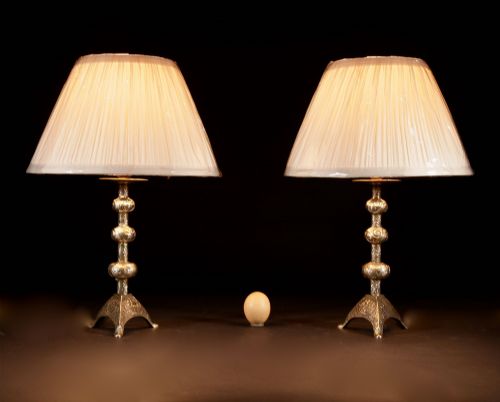
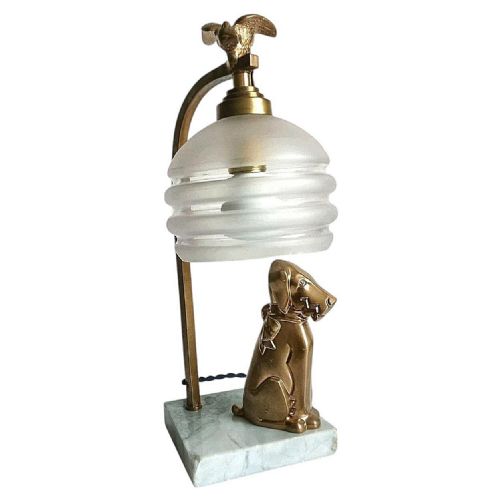
The versions most commonly met on this page include solid brass structures, silver-plated columns, and gilt metal mounts combined with materials like glass, marble, and fabric shades. Forms range from classical Revival styles to Art Deco novelties and Arts and Crafts copper work.
How they were made
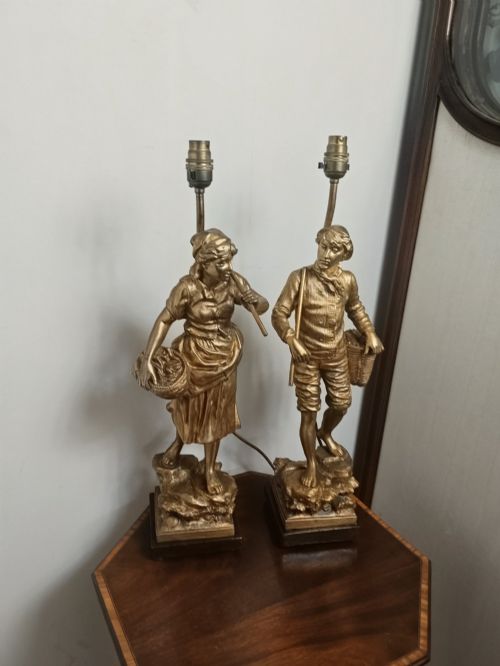
Makers utilised casting, beating, and plating techniques on metals like brass, bronze, and copper to create durable light fittings. Spelter and gilt metal also appeared frequently, often mounted onto bases of marble or onyx.
Surface treatments included patination, silver plating, and gilding to enrich the appearance of the metal. Details were cast or applied by hand, integrating elements such as glass components and parchment leather.
The selection includes styles ranging from Art Nouveau and Art Deco to Chinoiserie and French Neoclassical.
What varies in quality
The standard of a piece depends upon the weight and purity of the metal used, whether solid brass and bronze or plated base metals. Heavier castings and finer chased detailing distinguish superior examples from simpler production items.
Artistic execution in decorative elements, such as figurative mounts or integrated stylistic references, determines the grade of the object. The integration of supporting materials like marble bases and cut glass further influences the overall standard.
E Rousseau·WAS Benson
The Vintage Metal Bedside Lamp Glossary
- Spelter
- A zinc alloy frequently utilised as a less costly alternative to bronze for decorative figures and lamp bases during the early twentieth century. It accepts metallic finishes well to simulate heavier bronzes.
- Toleware
- Painted or lacquered metalware, often tin or steel, used in lamp bodies and decorative components. It provides vibrant colour and surface pattern.
- Ormolu
- Gilt bronze produced by applying a finely ground high-carat gold-mercury amalgam to a bronze object. This technique imparts a rich golden sheen.
- Cloisonné
- An ancient technique for decorating metal object surfaces, in which compartments are created by soldering wires to the metal body and filling them with enamel. These are seen on decorative vase-form lamp bodies.
- Silver Plate
- A thin layer of silver applied to a base metal core, such as copper or brass, to provide the appearance of solid silver. It is common on Edwardian and later lamp columns.
Vintage Metal Bedside Lamp: Frequently Asked Questions
What materials make up these lamps?
These lamps consist primarily of metals including brass, bronze, copper, gilt metal, and silver plate. They incorporate secondary elements like glass, marble, onyx, porcelain, and fabric.
Heavier pieces utilise solid cast bronze or brass, while lighter examples employ plated metals or zinc-based spelter over structured frames.
How do I date a metal lamp?
Dating relies on identifying stylistic markers such as Edwardian neoclassical details, Arts and Crafts beaten textures, or Art Deco geometric forms. Materials, manufacturing techniques, and wiring types offer further clues.
Signatures or stamps from makers and workshops can provide specific production periods within the nineteenth and twentieth centuries.
Were these originally bedside lamps?
Many items listed as table lamps served multiple domestic functions in reception rooms, halls, and bedrooms. Their scale and form determined their placement on side tables and surfaces.
Adaptation over time often means modern bedside use suits proportions originally intended for general table lighting.
How do I care for antique metal?
Maintenance involves dusting with a soft, dry cloth to prevent grime accumulation on patinated surfaces. Avoid harsh chemical cleaners that strip original finishes.
Preserving the metal requires keeping lamps away from excessive moisture and handling plated or gilt areas with care.