




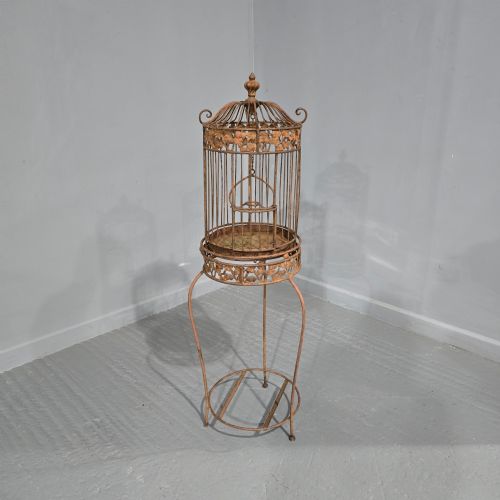


Vintage Metal Aviary
A vintage metal aviary brings architectural scale and garden character indoors, offering a sculptural home for plants or decorative objects.

Vintage Metal Aviary
When you search for a vintage metal aviary, you are looking at substantial architectural birdcages and decorative enclosures built from the late nineteenth century into the early twentieth century. These pieces encompass Victorian cast iron stands, substantial brass and copper structures, and large wire frame designs suited for display.
The versions you are most likely to meet on this page span several distinct periods, including 1870, 1880, 1890, 1900, 1910, and 1920. Styles range from English Country House and French Chateau to Art Nouveau and Victorian, reflecting diverse domestic interiors of the past.
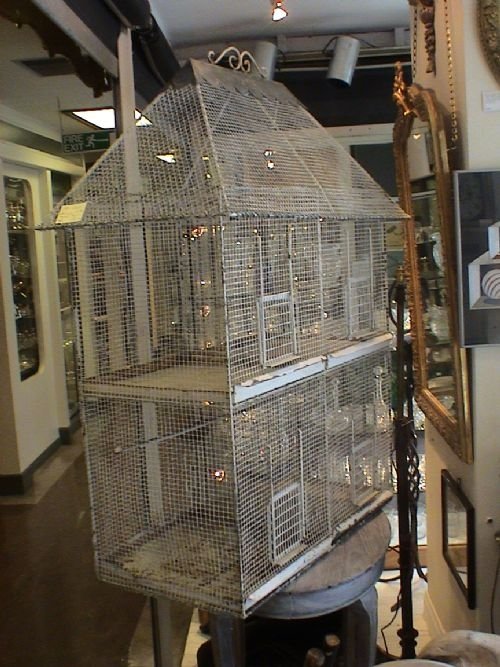
Object types vary from simple birdcages to large round parrot cages and cages mounted upon dedicated stands. Many examples function purely as decorative objects rather than functional housing for live birds.
Materials and construction
Construction relies on durable metals including brass, wrought iron, cast iron, copper, and zinc combined with wire mesh. Wood occasionally appears as a base or framing element alongside painted surfaces.
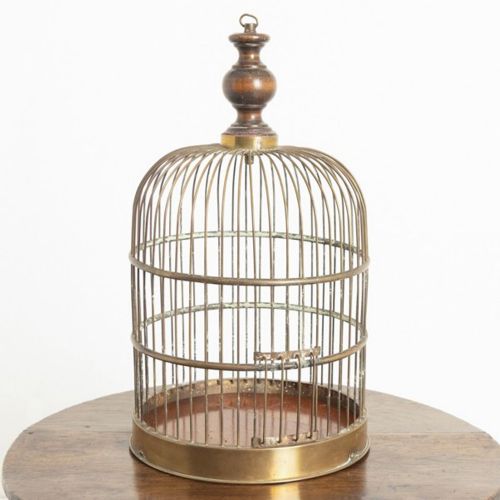
Metals were shaped, cast, and soldered or wired together to create sturdy architectural enclosures. Makers utilised heavy cast iron for stable bases and malleable brass or wire for intricate upper cages.
Vintage Metal Aviary Retail Price Guide 2026
Typical asking prices for vintage metal aviary among the pieces listed under this phrase on Sellingantiques today, from the lower quarter to the upper quarter. They describe what is for sale here now, not the wider market.
Parrots required exceptionally large round brass cages so they could climb without damaging their tail feathers.
What separates the best pieces
Quality rests in the structural ambition of the piece and the integrity of its metalwork. Substantial scale and complex engineering separate heavy floor-standing chatelaine or chateau cages from simple wire frames.
The material combination dictates the character of the piece, with mixed brass and copper work or detailed cast iron stands representing more elaborate workshop production than standard iron wire construction.
The Vintage Metal Aviary Glossary
- Birdcage
- A structure designed to confine birds, though antique examples frequently serve as decorative objects. These range from small hanging styles to massive floor-standing enclosures.
- Cast iron
- An iron-carbon alloy poured into moulds to create intricate shapes. This heavy material provides stability for large birdcages mounted on stands.
- Wire mesh
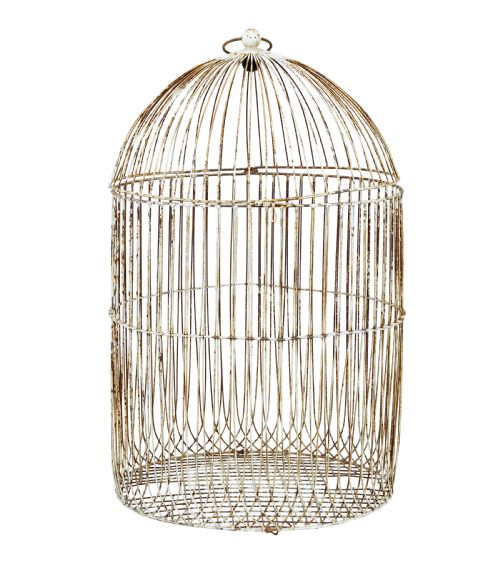
- A lattice of interwoven or welded metal wires forming the walls of the cage. It allows visibility while maintaining structural containment.
- French Chateau
- A style reflecting the grandeur of French country estates. Pieces from this tradition often incorporate zinc and ornate decorative ironwork.
Vintage Metal Aviary: Frequently Asked Questions
How were these cages originally used?
These enclosures were kept in grand homes and parlours to house exotic pet birds such as parrots or finches. Wealthy households displayed them as status symbols in prominent reception rooms.
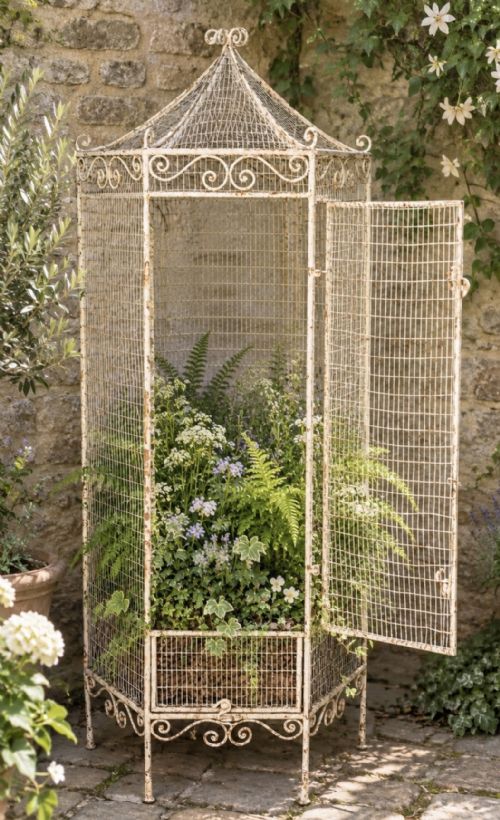
Over time, many of these structures transitioned into purely decorative interior accents, used to display trailing plants, dried botanicals, or collected objects.
How do I style a metal aviary at home?
Large floor-standing models work well positioned empty in a corner or empty hearth as a sculptural architectural element. Smaller hanging brass versions can be suspended near windows or from ceiling hooks to catch the light.
Avoid overcrowding the interior with too many small items. Letting the wirework and metal patina remain the primary focus preserves the aesthetic of the piece.
How can I tell the period of a cage?
Dating relies on observing material choices, manufacturing techniques, and stylistic clues. Victorian and Edwardian examples often feature heavy cast iron or detailed brass work.
Later pieces from the early twentieth century shift toward simpler wire frames and different joining methods. Comparing the patination of the metal helps establish its age.
Are all these pieces made of brass?
Brass is common, but listings feature a variety of metals including wrought iron, cast iron, copper, zinc, and painted wire. Each metal brings a distinct weight and colour to the object.
Some substantial pieces combine brass and copper elements within the same structure, while others utilise heavy iron specifically for the base stand.