


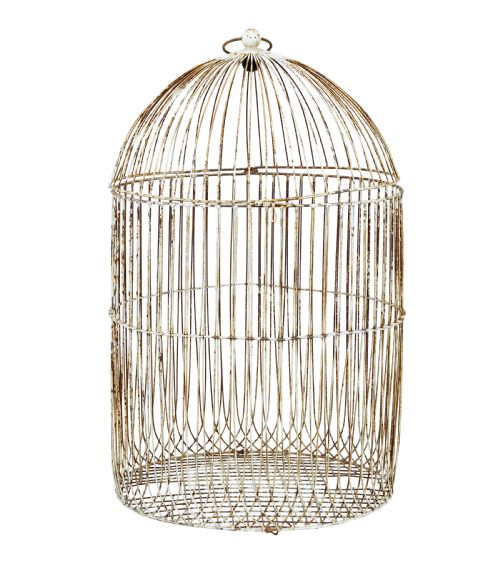

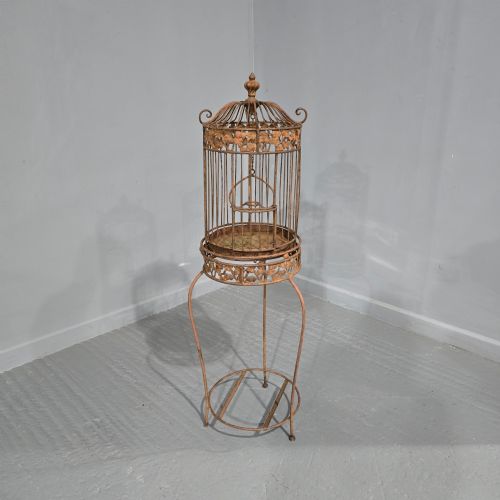


Victorian Bird Cage
These Victorian bird cage pieces bring sculptural wirework and gleaming brass into rooms that lack a focal point.

Victorian Bird Cage
A Victorian bird cage combines functional animal husbandry with domestic display, taking the form of hanging enclosures, table stands, and occasionally specialised breeding boxes. Most examples on this page date from the late nineteenth century and the Edwardian era, reflecting a period of intense fascination with household pets and decorative metalwork.
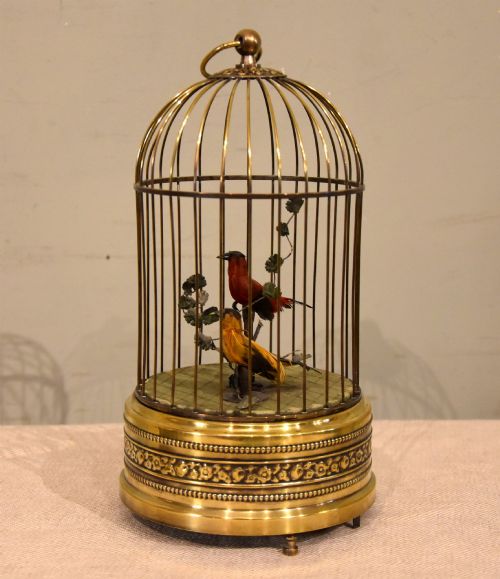
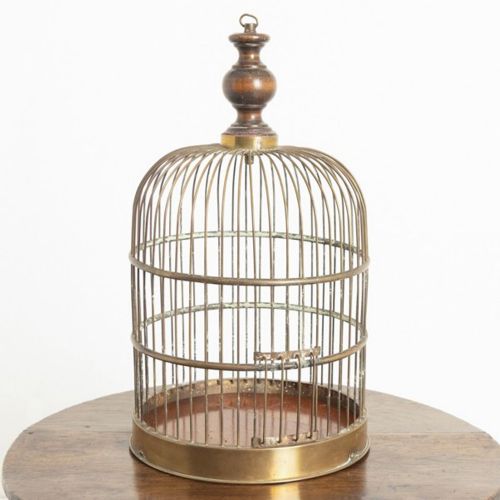
Forms range from modest wire frames to substantial brass and copper structures, alongside occasional furniture adaptations like occasional tables and tilt-top designs. The heavier examples often incorporate cast iron stands or include elaborate internal automata such as singing birds.
Buyers encounter French provincial styles, English country house aesthetics, and folk art interpretations among these listings. Each piece demonstrates how the Victorians transformed utilitarian animal housing into elaborate decorative objects for the parlour.
Materials and construction
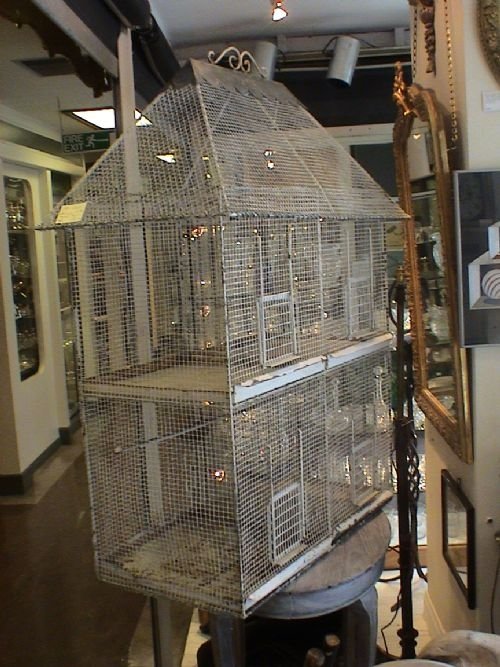
Makers constructed these enclosures using drawn wire mesh fixed to frames of brass, iron, or timber including mahogany and pine. Metal components were frequently soldered or riveted together, while wooden variants employed traditional joinery suitable for breeding or domestic housing.
Surface treatments included applied paint, polished brass finishes, and copper plating to resist corrosion from moisture and inhabitants. Wirework was painstakingly shaped by hand to create curved domes, rectangular housing, and complex geometric patterns.
Specialist elements like automaton mechanisms utilised clockwork gearing concealed within the base to animate mechanical birds. Stands integrated cast iron or turned wood to support the weight of substantial metal cages.
Victorian Bird Cage Retail Price Guide 2026
Typical asking prices for victorian bird cage among the pieces listed under this phrase on Sellingantiques today, from the lower quarter to the upper quarter. They describe what is for sale here now, not the wider market.
Listings feature brass, wrought iron, copper, and wire mesh alongside timbers such as mahogany and pine across the nineteenth and early twentieth centuries.
Judging quality and integrity
Quality rests upon the structural integrity of the wirework and the solidity of the primary frame, whether cast in iron or turned in mahogany. Superior items maintain rigid wire spacing without extensive solder repairs or replacement mesh.
The sophistication of the decorative elements distinguishes standard utility cages from high-status salon pieces. Finials, cast iron stands, and integrated automata demand precision craftsmanship that elevates the object beyond simple animal housing.
Surface preservation affects overall standing, with original paint, patinated brass, and untouched wooden finishes holding greater interest than heavily restored or stripped surfaces.
The Victorian Bird Cage Glossary
- Automaton
- A mechanical device driven by clockwork that simulates the movement or song of a live bird. These complex mechanisms were often housed in the base of brass enclosures.
- Wirework
- The shaped metal strands forming the enclosure walls and dome. This technique required considerable skill to maintain uniform spacing and structural strength.
- Tilt-top table
- A piece of furniture featuring a hinged tabletop supported by a bird cage mechanism. This allows the surface to pivot and fold vertically when not in use.
- Parrot cage
- A heavier, more robust enclosure designed to contain large hook-billed birds. These typically feature thicker gauge brass or iron bars rather than fine wire mesh.
Victorian Bird Cage: Frequently Asked Questions
What were victorian bird cages used for?
These enclosures served primarily to house pet birds kept for song or ornamental display in domestic parlours and conservatories. Some specialised forms functioned as breeding boxes or travel containers for moving livestock.
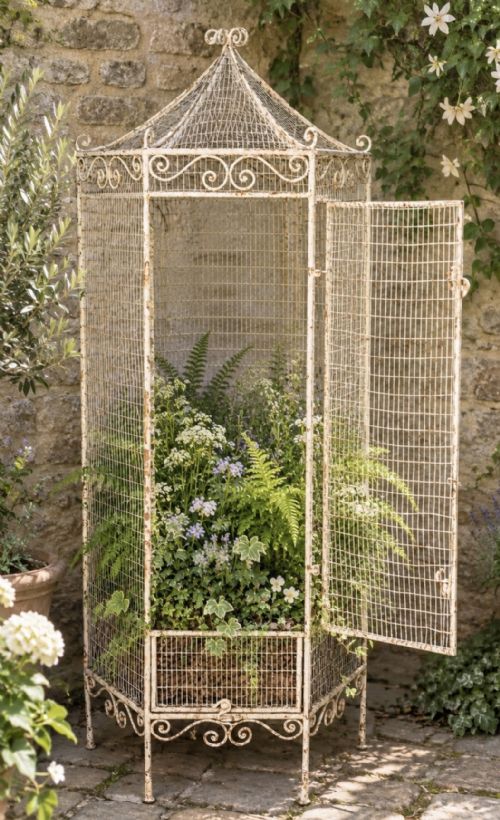
Over time, owners also utilised them purely as decorative objects to introduce botanical or architectural motifs into interior spaces.
How do I style a bird cage at home?
Large brass or wirework enclosures work effectively as freestanding focal points on tables, or hung from brackets in high-ceilinged rooms. They bring texture and vertical height to corners that require visual weight.
Collectors frequently display them empty to showcase the intricate wirework, or fill them with dried foliage, trailing plants, or decorative globes.
Are these cages suitable for live birds?
Antique enclosures are generally unsuited for modern animal husbandry due to historical materials, potential lead solder, and difficult cleaning access. Most surviving examples lack modern spacing standards and security for live pets.
Instead, contemporary owners treat them as historical decorative objects and works of folk art rather than functional aviaries.
How do I date a victorian bird cage?
Dating relies upon examining construction methods, metal types, and stylistic indicators such as Art Nouveau curves or cast iron base designs. Late nineteenth-century pieces often combine drawn wire with spun brass components and cast iron supports.
Comparative study of hardware, joinery, and patination helps distinguish genuine nineteenth-century work from later twentieth-century decorative reproductions.