





Vintage Metal Animal Figurine
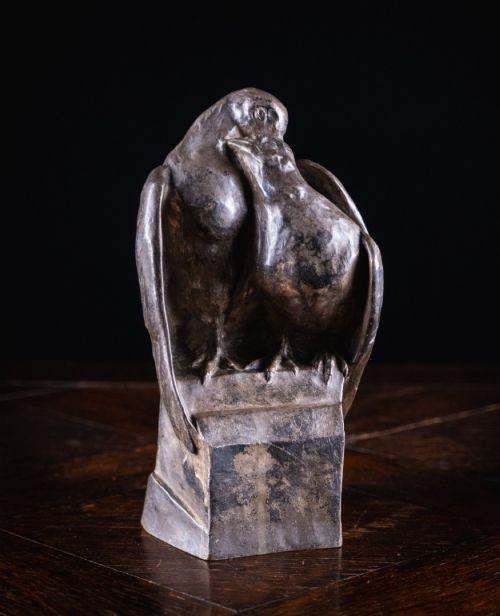
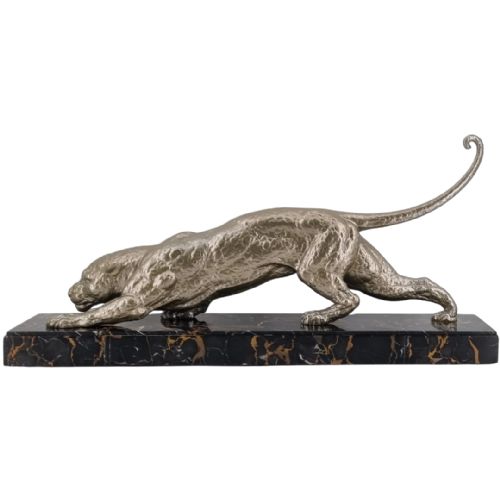
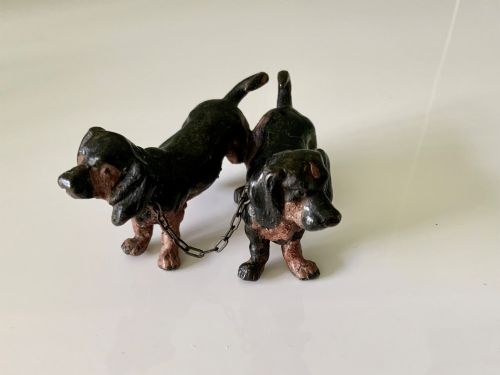
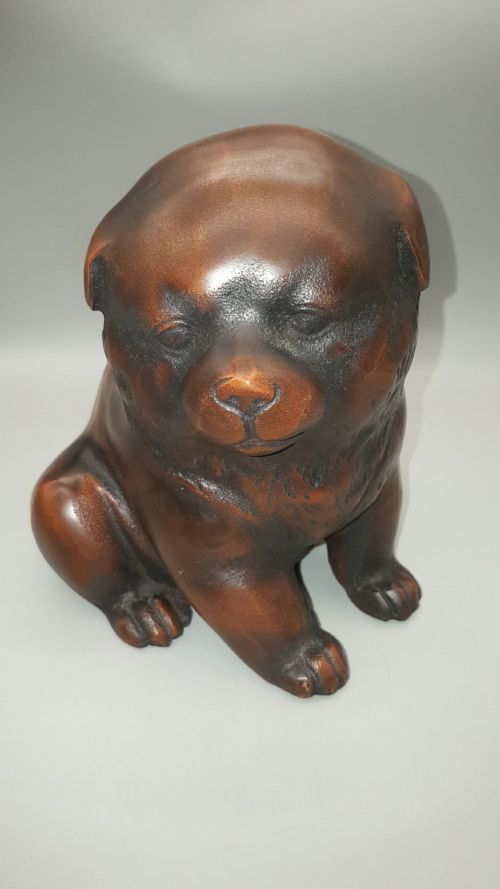
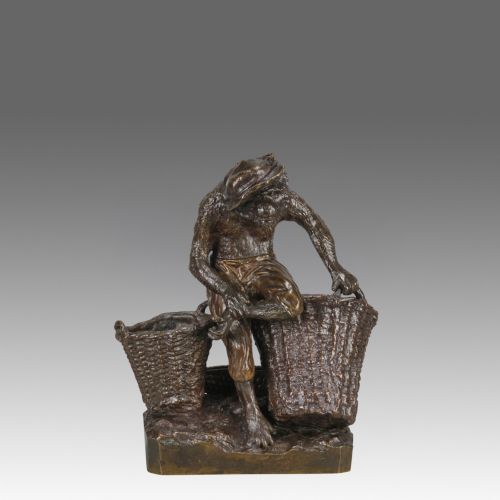
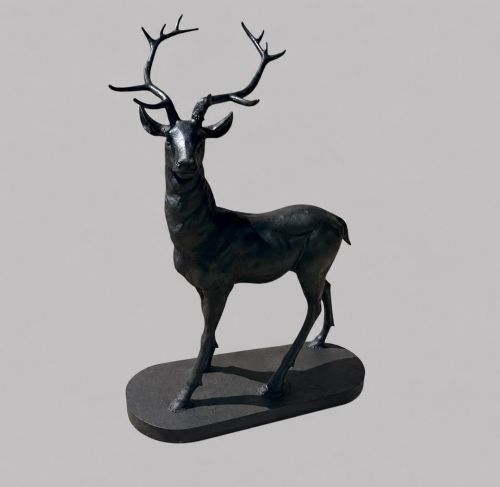
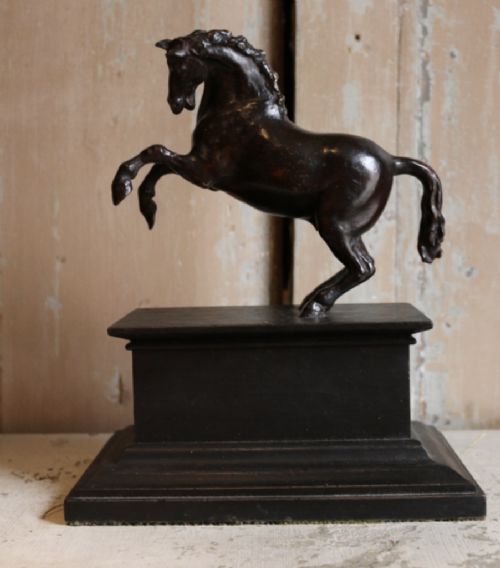
A vintage metal animal figurine captures the character of hounds, big cats and small domestic pets in solid bronze, spelter and cast iron.
Vintage Metal Animal Figurine
A vintage metal animal figurine brings creatures ranging from domestic dogs to wild panthers into domestic spaces through small sculptural works. These pieces take the form of tabletop ornaments, desk accessories, fireplace decorations and structural door stops. Buyers seeking a vintage metal animal figurine will encounter many examples from the early twentieth century, particularly Art Deco works depicting sleek cats and hunting hounds.
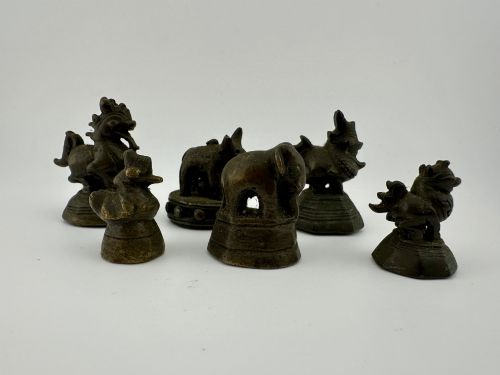
The material vocabulary spans traditional cast bronze, lighter spelter alloys, heavy cast iron and cold painted metal surfaces. Many subjects sit firmly within the nineteenth-century animalier tradition, capturing realistic muscle structure and energetic movement. Others adopt stylised Art Deco geometry or take functional forms such as novelty pepperettes, pin cushions and trade weights.
Materials and Casting
Foundry workers utilised the lost-wax method for fine bronzes, allowing sculptors to capture intricate fur textures, facial expressions and muscular tension. Spelter provided a more economical alternative to bronze during the early decades of the twentieth century, accepting patination and metallic finishes readily. Heavy cast iron suited utilitarian items such as door stops and large animal door ornaments requiring substantial weight.
Cold painting involved applying polychrome pigments directly onto warm metal surfaces to achieve realistic plumage and naturalistic coats, particularly on smaller Austrian models. Patination treatments created dark brown, black or silvered finishes that highlighted the contours of the underlying metal. Marble and onyx plinths frequently provided stable bases for heavier bronze and spelter figures.
Vintage Metal Animal Figurine Retail Price Guide 2026
Typical asking prices for vintage metal animal figurine among the pieces listed under this phrase on Sellingantiques today, from the lower quarter to the upper quarter. They describe what is for sale here now, not the wider market.
Nodding dogs and mechanical bell pigs bring sudden movement to static metal menageries.
Quality and Execution
The application of cold paint determines longevity and visual fidelity, with superior pieces retaining crisp colour gradients without heavy flaking. Heavy marble or onyx mounts matched to the scale of the animal indicate deliberate studio design rather than later adaptation. Signed works by established animalier sculptors display anatomical accuracy paired with distinct artistic interpretation.
D. H. Chiparus·Tsunemitsu·Christophe Fratin·C Masson·P. de Soete·Franze Bergman·Michel Decoux·Louis Riche·Isidore Bonheur
The Vintage Metal Animal Figurine Glossary
- Animalier
- A nineteenth-century artistic movement dedicated to the realistic portrayal of animals, particularly wild beasts in motion. Sculptors in this tradition studied anatomy closely at zoological gardens.
- Spelter
- A zinc-based alloy used as an accessible substitute for bronze in decorative figures. It is softer than bronze and typically carries a painted or patinated surface finish.
- Cold Painted
- A technique where enamel paint is applied to bronze without subsequent firing in a kiln. This method produces matte, detailed coloration found frequently on small Austrian animal models.
- Geschützt
- A German term meaning protected or registered, often stamped on continental metalware to indicate design registration. It serves as an indicator of period manufacture rather than a specific maker.
- Patina
- The surface sheen or colour alteration that develops on metal over time or through artificial chemical treatments. It protects the underlying material while defining the visual depth of the sculpture.
Vintage Metal Animal Figurine: Frequently Asked Questions
What is a cold painted bronze?
Cold painting involves applying oil-based or enamel colours to a bronze casting without high-temperature kiln firing. This technique produces vibrant plumage and natural coat markings on small figures.
Such finishes require gentle dusting and protection from moisture to preserve the original pigment layers over decades.
How do I identify spelter from bronze?
Spelter is lighter than bronze and has a softer composition that reveals a silvery-grey metal underneath worn painted surfaces. Bronze remains heavier and develops a warm metallic tone where friction occurs.
Examining the underside or base often exposes the underlying metal clearly without damaging the patina.
Where were Vienna bronzes made?
Vienna bronzes originated in Austrian workshops during the late nineteenth and early twentieth centuries, specialising in small, witty or realistic animal figures. Master craftsmen produced these pieces in specialised foundries before exporting them widely across Europe.
Collectors prize them for their humorous expressions and intricate cold-painted detailing.
How should I clean a metal animal figure?
Dusting with a soft, dry artist brush removes particles from crevices without disturbing the historical patina or painted surface. Liquid cleaners and abrasive polishes should be avoided entirely, as they strip away original finishes.
Keeping figures away from direct sunlight preserves the stability of cold-painted colours and stone bases.