





Vintage Metal Accent Table
These vintage metal accent table designs span early twentieth-century modernism and revival styles, bringing industrial and decorative utility to interiors.
Vintage Metal Accent Table
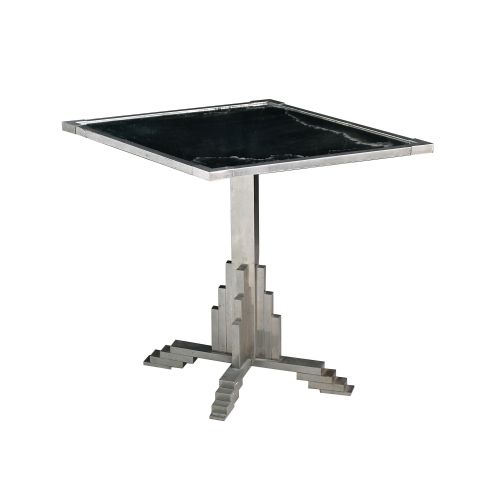
A vintage metal accent table encompasses smaller foundational pieces designed for functional placement within a room, including side tables, coffee tables, occasional tables, and garden tables. These forms emerge primarily from the early twentieth century, spanning Art Deco, Art Nouveau, and modernist movements.
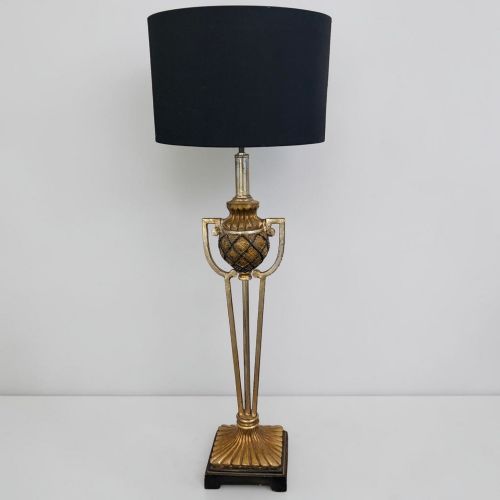
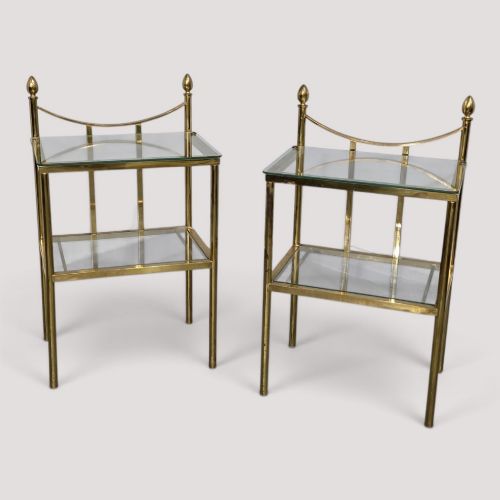
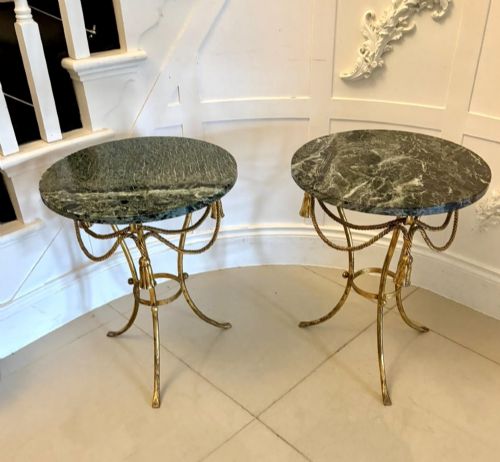
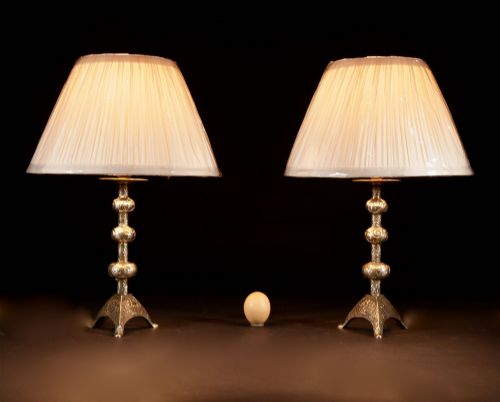
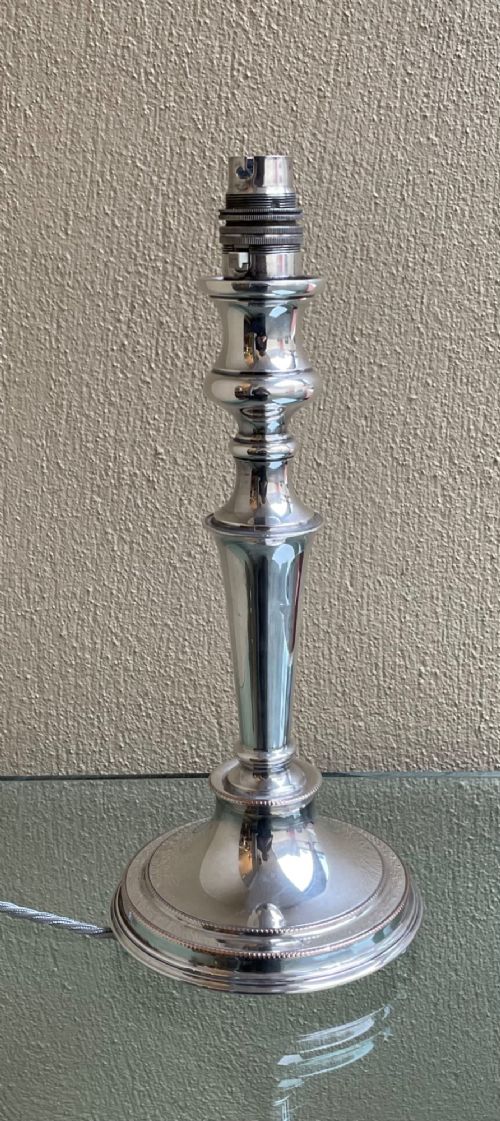
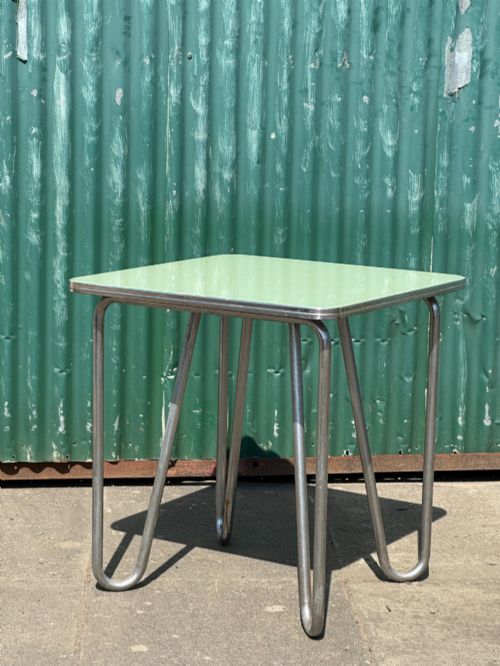
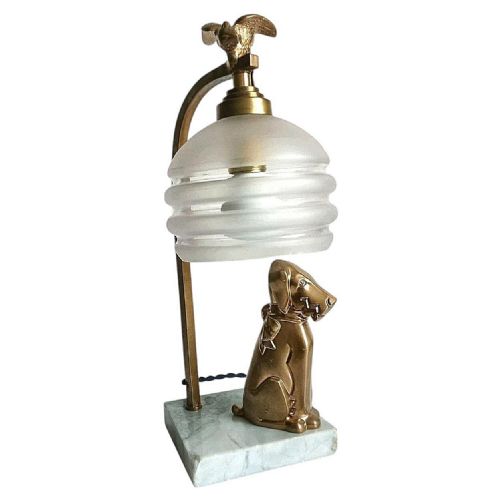
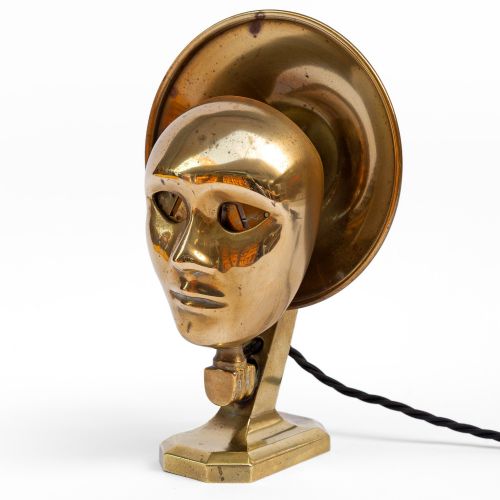
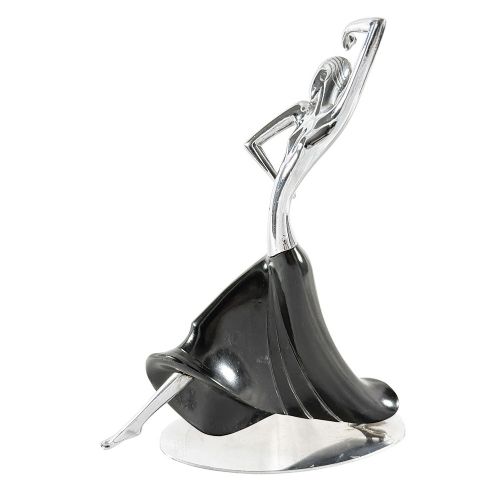
Buyers will frequently encounter compact side and occasional tables fabricated from chrome, brass, iron, and steel, often paired with glass, slate, or marble tops. The selection also heavily comprises lighting and decorative stands that utilise metal frameworks alongside table structures.
Materials and Construction
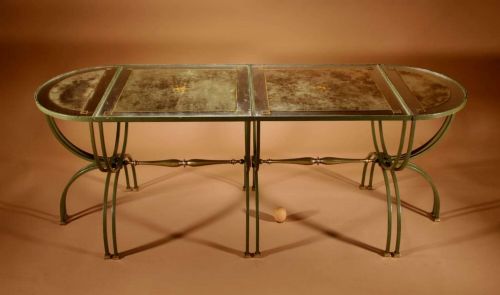
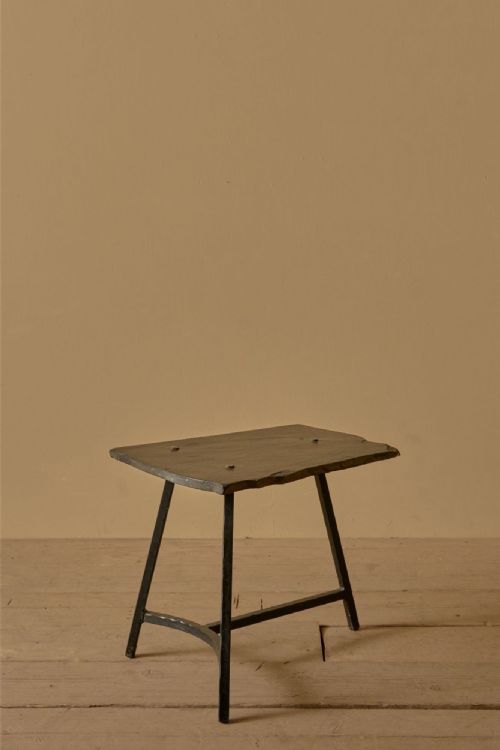
Construction relies heavily on durable metals such as brass, bronze, cast iron, chrome, steel, and copper, shaped through casting, forging, and plating techniques. These metallic structures are frequently combined with contrasting materials like natural marble, slate, mirrored glass, and fabric components.
Artisan execution appears in chased floral decoration, silver plating, and specialised patination applied to bronze, spelter, and gilt surfaces. Structural integrity is achieved through precise metal mounting and rigid joining of iron and steel frameworks.
Vintage Metal Accent Table Retail Price Guide 2026
Typical asking prices for vintage metal accent table among the pieces listed under this phrase on Sellingantiques today, from the lower quarter to the upper quarter. They describe what is for sale here now, not the wider market.
Materials documented across the inventory include bronze, brass, chrome, copper, iron, steel, marble, slate, and glass.
Assessing Standard and Craft
Quality separates through the purity and weight of the metal utilised, distinguishing solid cast bronze or heavy wrought iron from lighter plated alternatives. Finer examples display meticulous detailing in chased decoration, clean chrome plating, and intact original surface finishes without excessive wear.
The integration of secondary materials dictates overall refinement, where genuine marble, slate, and original glass tops elevate the piece above standard industrial production. Precision in joinery and the distinction of documented maker attribution further distinguish superior examples.
Oliver Percy Bernard·Barker Ellis·Muller Bros
The Vintage Metal Accent Table Glossary
- Art Deco
- A design style prevalent in the 1920s and 1930s characterised by streamlined geometric forms, chrome plating, and stylised motifs. It represented modernity and sleek industrial aesthetics.
- Spelter
- An alloy of zinc used as a cost-effective substitute for bronze in decorative figures and lamp bases, typically given a bronze-like metallic finish. It requires careful handling due to its relative softness.
- Ormolu
- Gilt bronze ornamentation applied to furniture and decorative objects, created by coating bronze in a finely ground mercury and gold amalgam. This technique was favoured in French decorative arts.
- Toleware
- Painted or lacquered metalware, frequently executed in black and gold lacquer finishes as seen in decorative urns and lamps. It emulates Asian lacquerwork techniques.
- Cloisonné
- An ancient enamelwork technique where metal wire is soldered to a metal base to create compartments filled with coloured paste and fired. These surfaces appear on decorative vases adapted for lighting.
Vintage Metal Accent Table: Frequently Asked Questions
What defines a vintage metal accent table?
A vintage metal accent table is a compact foundational piece constructed primarily from materials like brass, chrome, iron, or steel, dating from the early twentieth century or late nineteenth century. These items include side tables, coffee tables, and occasional tables designed for practical surface use.
They incorporate diverse stylistic influences ranging from Art Deco and modernist movements to neoclassical revivals. Their metallic frames frequently integrate glass, marble, or slate tops to balance industrial strength with decorative appeal.
Where should I place an accent table?
These tables suit placement beside seating arrangements in living rooms, hallways, or bedrooms where surface space is required for lamps or decorative objects. Their compact footprints allow them to function effectively as side tables, sofa tables, or occasional display surfaces.
Consider the surrounding decor style when positioning the piece to complement existing period or modern furnishings. Placing them away from excessive moisture and direct sunlight protects delicate glass, marble, or painted metal finishes.
How can I tell Art Deco from earlier styles?
Art Deco pieces from the 1920s and 1930s typically feature streamlined geometric shapes, polished chrome plating, and symmetrical modernism. They reject the ornate floral curves and heavy casting of earlier nineteenth-century and Edwardian revivals.
Earlier styles like Art Nouveau display organic, flowing lines inspired by natural plant forms, often utilising spelter or brass. Examining the structural lines and surface treatment immediately clarifies the stylistic period of the piece.