



Vintage Mechanical Glass Clock
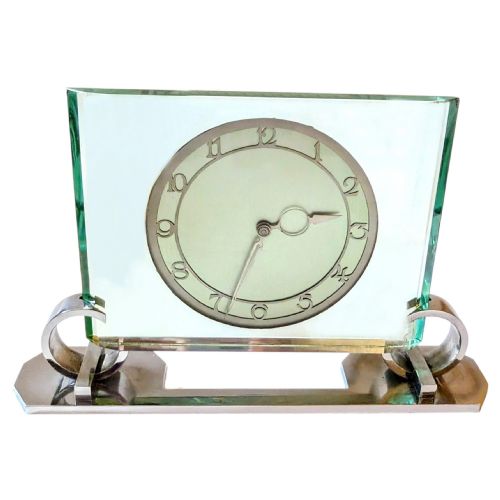
A vintage mechanical glass clock brings together precise horology and transparent casing, offering a clear view of intricate brass and steel gears.
Vintage Mechanical Glass Clock
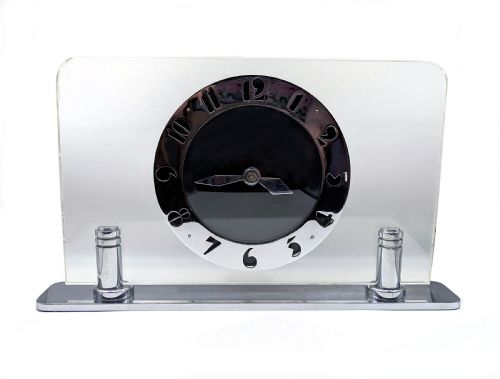
A vintage mechanical glass clock encompasses carriage clocks, skeleton timepieces, mantel designs and torsion anniversary pieces spanning the nineteenth and twentieth centuries. These objects originate largely from French, British, Swiss and German makers working in Victorian, Edwardian, Art Deco and Mid-Century Modern styles.
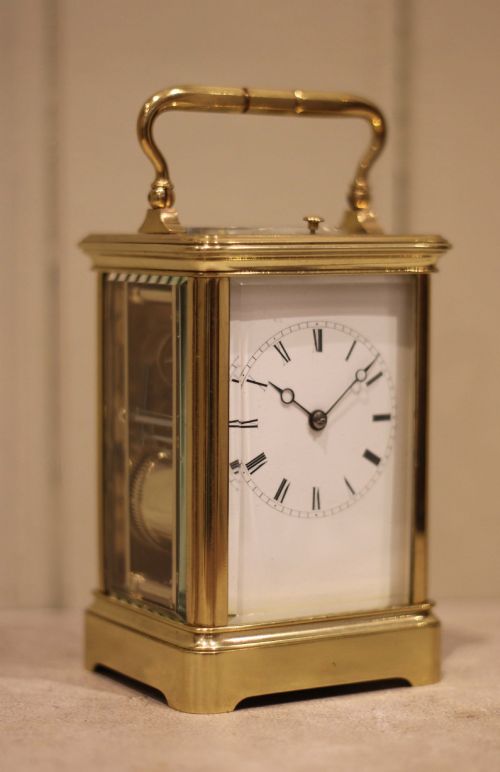
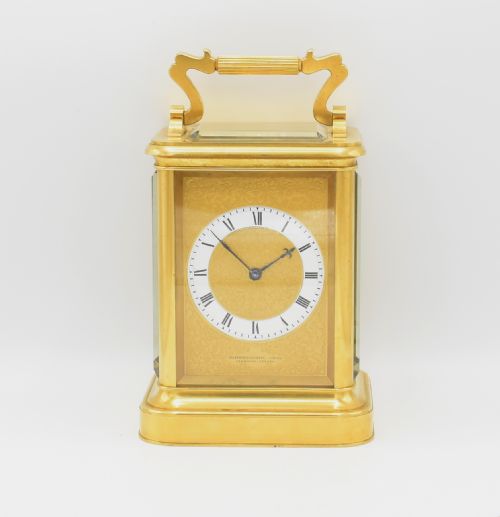
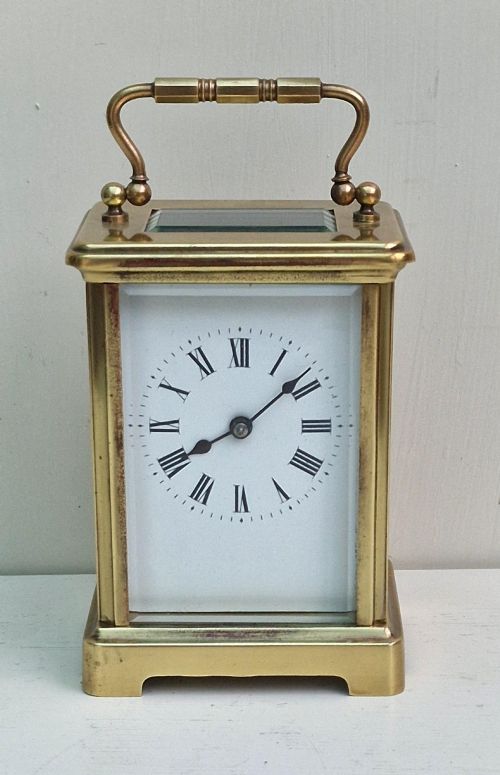
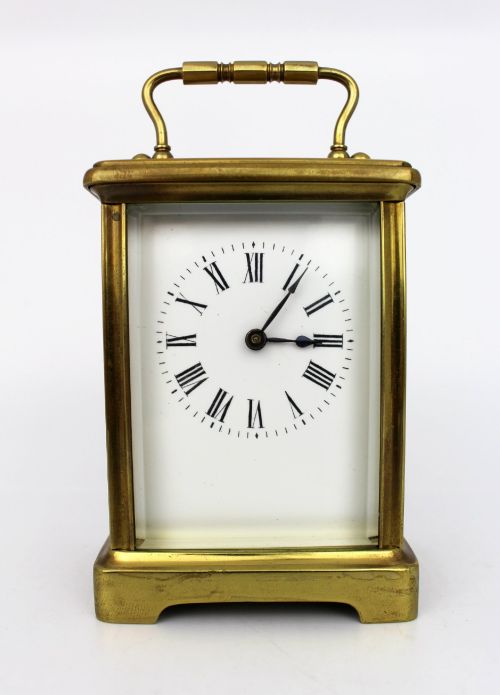
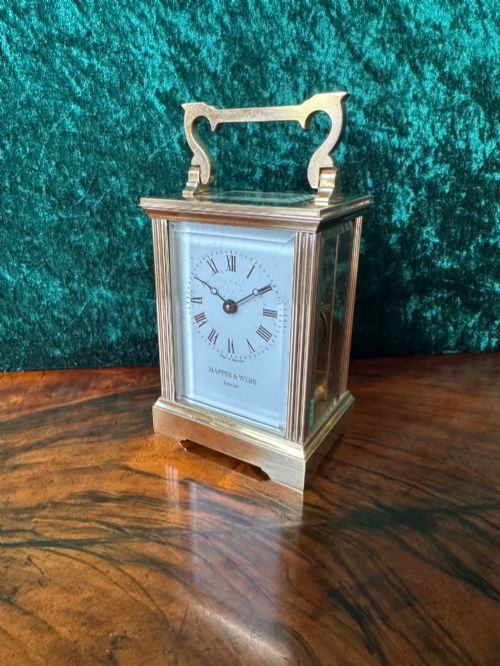
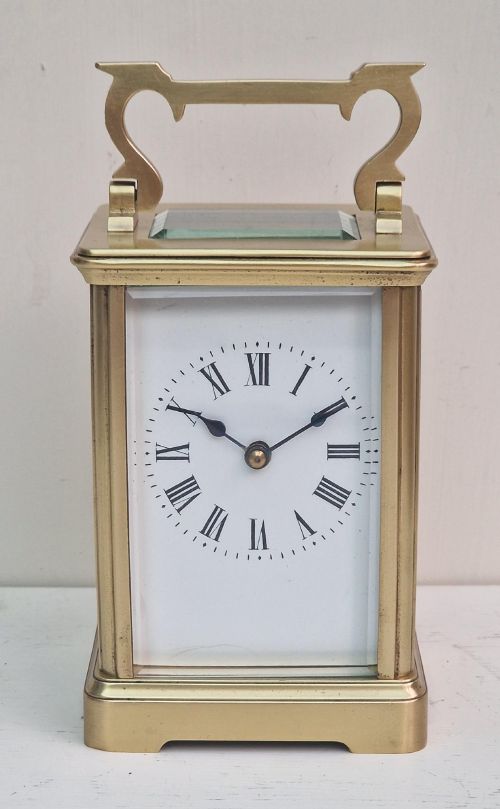
The most common form encountered on this page is the brass-framed carriage clock featuring bevelled glass panels that reveal the escapement and gear train within. Skeleton clocks and domed torsion year clocks also appear frequently, alongside glass mantel designs from the nineteen-thirties.
Materials and Construction
Construction relies heavily on heavy cast brass, gilt brass, chrome and rhodium plating to form robust skeletal frames and cases that house delicate steel gear trains. Enamel dials, painted numerals and engraved brass masks provide the face for many pieces.
Thick bevelled glass panels and glass domes encase the mechanisms, offering protection while maintaining visibility of the internal movement. Wood and mirror glass also serve as foundational materials in specific Art Deco and wall clock iterations.
Some nineteenth-century carriage clocks were built with tiny compasses embedded in their top handles, just in case the traveller lost the plot entirely.
Standards of Execution
Quality separates by the crispness of engraving on the brass case, the depth of gilding, and the precision finish applied to the steel pinions and wheels of the movement. Superior pieces feature jewelled escapements, fully engraved mask dials, and robust repeating or striking complications.
The clarity and thickness of the glass panels, the absence of chips on bevelled edges, and the presence of signed movements by established makers elevate an example above standard production.
Goldsmiths Alliance Ltd·Mappin and Web·Smiths Clockmakers·Richard Winter·Duverdrey and Bloquel·Jaeger LeCoultre·Clerke
The Vintage Mechanical Glass Clock Glossary
- Carriage clock
- A portable spring-driven timepiece originally designed for travel during the nineteenth century. These items typically feature a glass-panelled brass case and a folding handle on top.
- Skeleton clock
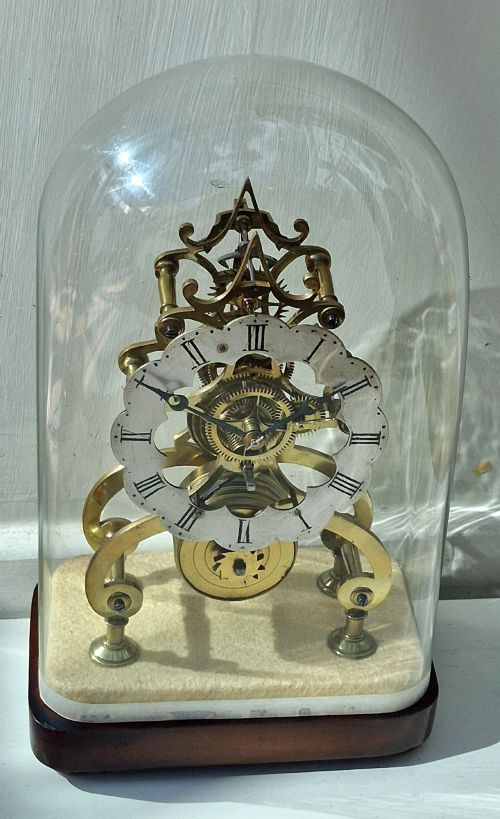
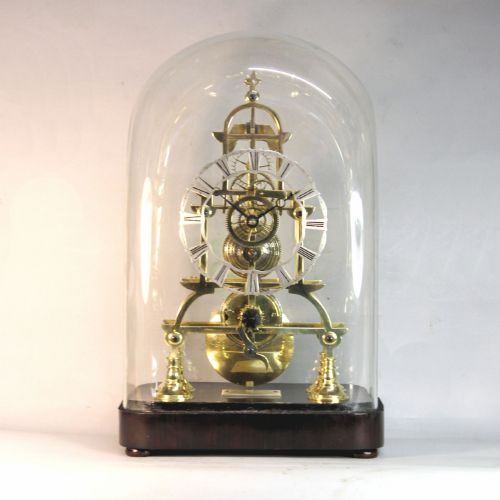
- A timepiece with an open framework designed to expose the entire gear train and movement to view. Such objects are often housed beneath a protective glass dome.
- Torsion clock
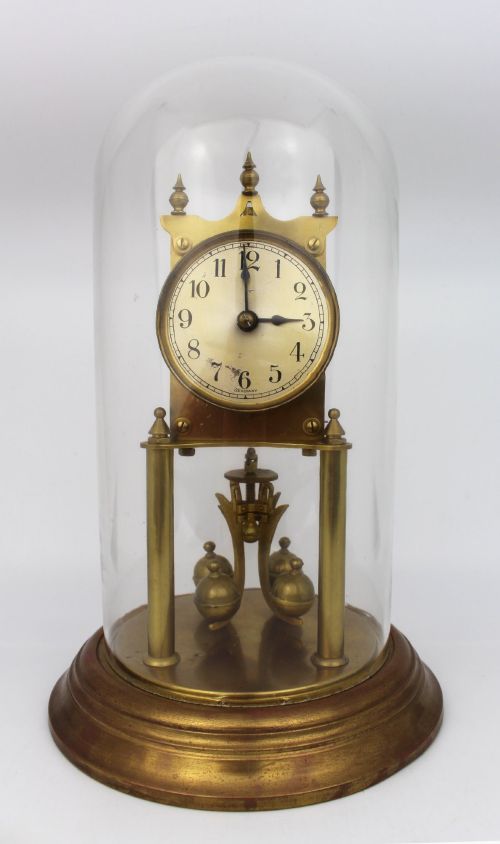
- A timepiece regulated by a torsion pendulum that rotates back and forth rather than swinging. These mechanisms are frequently known as anniversary clocks.
- Escapement
- The mechanical linkage that converts rotational force into controlled impulses to maintain the pendulum or balance wheel motion. This assembly dictates the ticking rhythm of the clock.
Vintage Mechanical Glass Clock: Frequently Asked Questions
How do I wind a mechanical carriage clock?
Insert the winding key into the arbour located on the backplate or dial face, turning it gently until resistance indicates full tension. Take care not to overwind the mainspring.
Ensure you handle the glass panels carefully by the brass frame rather than the glazed sections during the process.
What is a torsion anniversary clock?
A torsion clock utilises a slow-moving pendulum suspended on a thin metal strip that twists continuously. This design allows the movement to run for long periods between windings.
The glass dome must remain in place to protect the delicate suspension spring from draughts that could alter its timing.
How do skeleton clocks display time?
Skeleton clocks remove unnecessary dial plates and case surrounds to showcase the entire gear train, springs, and escapement directly to the viewer. The time is read from a small skeletonised chapter ring positioned within the brass framework.
These pieces sit openly on tables or beneath glass domes to protect the exposed brass and steel components from dust.
Why do some clocks feature a repeating mechanism?
A repeating mechanism allows the owner to press a button or pull a cord on the case, causing the clock to chime the last hour or quarter-hour on demand. This function proved useful during dark nights before electric lighting.
Such striking systems require precise coordination between multiple internal springs and levers visible through the glass panels.