






Vintage Marquetry Wall Art
Vintage marquetry wall art brings together intricate wood veneer inlay and decorative panels to transform plain walls with texture and pattern.
Vintage Marquetry Wall Art
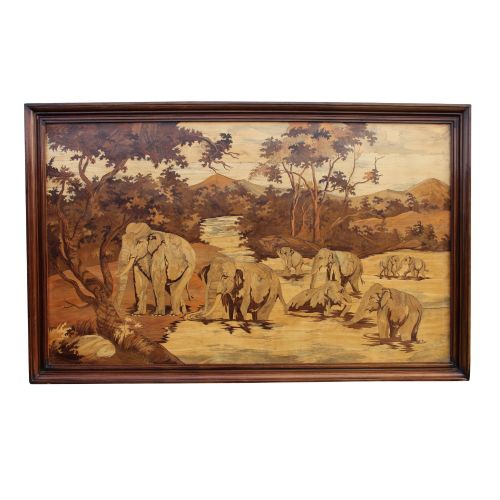
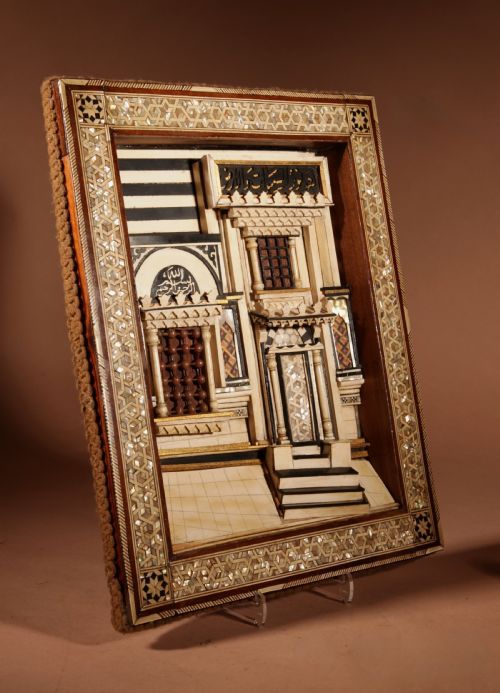
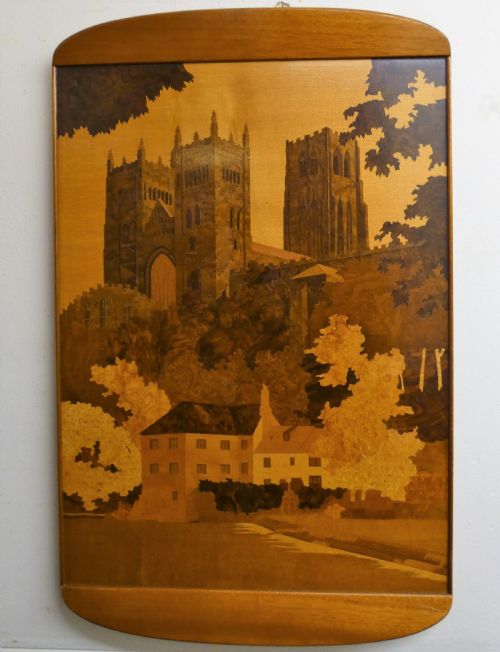
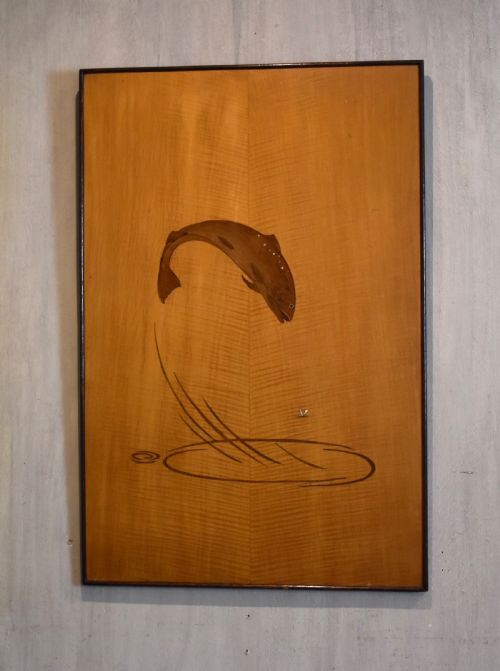
Vintage marquetry wall art encompasses decorative panels, mirrors, barometers, and architectural dioramas produced across various historical periods. These pieces utilise detailed wood inlay techniques to create pictorial scenes, geometric patterns, and architectural subjects.
The versions most commonly met on this page range from early twentieth-century Arts and Crafts and Art Deco pieces to Edwardian and nineteenth-century examples. Forms span from simple landscape panels depicting wildlife to complex architectural reliefs and framed wall mirrors.
How these pieces were made
Maker workshops built these items by applying fine wood veneers such as satinwood, walnut, teak, rosewood, and ebony onto supportive wooden bases. Craftsmen cut individual pieces of veneer by hand to fit intricate pictorial compositions.
Makers integrated various natural timbers alongside applied glass and silver-gilt details to achieve tonal contrast and depth. Finished panels received protective polish to highlight the natural grain and colour variations of the timber species.
Vintage Marquetry Wall Art Retail Price Guide 2026
Typical asking prices for vintage marquetry wall art among the pieces listed under this phrase on Sellingantiques today, from the lower quarter to the upper quarter. They describe what is for sale here now, not the wider market.
Materials recorded across the current selection include teak, rosewood, satinwood, ebony, walnut, and glass.
What varies in quality
Quality rests upon the precision of the veneer cutting and the complexity of the wood selection used within the composition. Finer examples display a sophisticated handling of timber grains to create natural shading without relying on excessive surface stain.
The artistic ambition of the design dictates the distinction between standard decorative items and exceptional studio work. Signed workshop pieces demonstrate a higher level of execution in both the woodwork and the accompanying frame construction.
Rowley Gallery·A.J Rowley
The Vintage Marquetry Wall Art Glossary
- Marquetry
- The art of applying pieces of veneer to a structure to form decorative patterns and pictorial designs. This technique relies on contrasting timber colours and grains.
- Veneer
- Thin slices of fine wood glued onto core panels to produce decorative surfaces. Selected timbers provide varied tones across the artwork.
- Diorama
- A three-dimensional scene representing architectural subjects or historical structures. These relief works project forward from the wall.
- Specimen wood
- Timber chosen for its distinctive colour, grain, or natural rarity. Makers utilised these woods to render specific details in pictorial panels.
Vintage Marquetry Wall Art: Frequently Asked Questions
What periods do these pieces span?
The selection covers items from the nineteenth century, the Regency era, Edwardian times, and the early twentieth century. Specific decades represented include the 1900s, 1920s, and 1930s.
Different stylistic movements influenced makers during these periods, ranging from Arts and Crafts and Art Deco to Moorish Revival and Mid-Century Modern designs.
How should I hang heavy wall panels?
Wall panels and architectural dioramas require secure fixings suited to the weight of the timber and backing structure. Heavy mirrors and cabinets need appropriate wall plugs and screws.
Consulting a professional framer ensures that hanging hardware distributes the load evenly without straining the original wooden frame or joints.
How do I clean wooden marquetry?
Dust surfaces gently with a dry, soft cloth to prevent the accumulation of grit in the veneer joints. Avoid using harsh chemical cleaners or excess moisture.
Applying a specialist microcrystalline wax periodically helps nourish the timber and protect the polished surface without darkening the original wood tones.
What materials appear in these pieces?
Makers utilised a wide array of timbers including satinwood, walnut, teak, rosewood, ebony, oak, beech, and diverse specimen woods. Glass and silver-gilt elements also feature on specific mirror and panel designs.
Different wood species provide the natural colour palette required to render figures, landscapes, and geometric motifs without paint.