


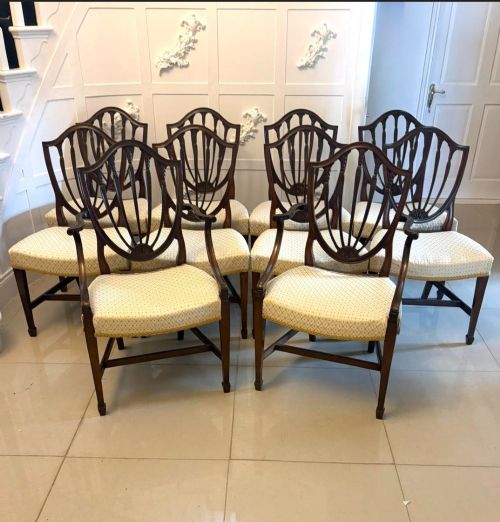
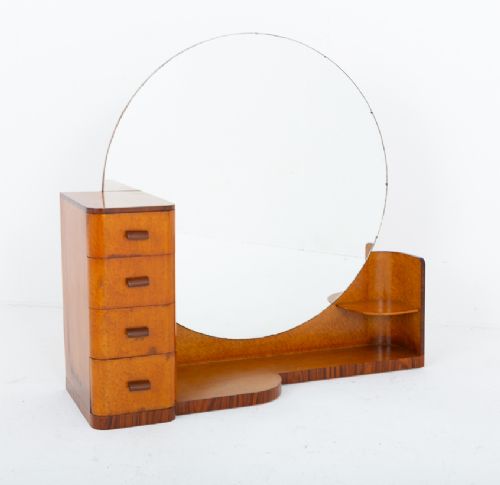
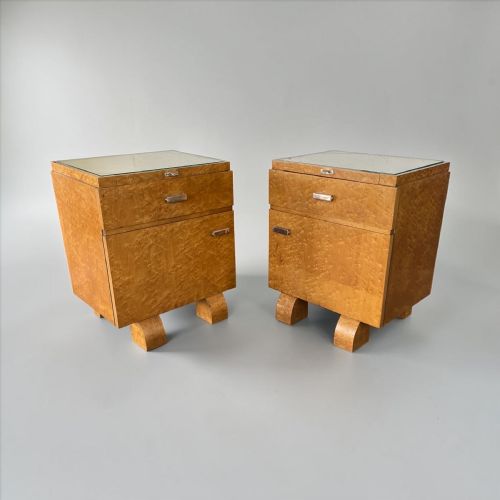
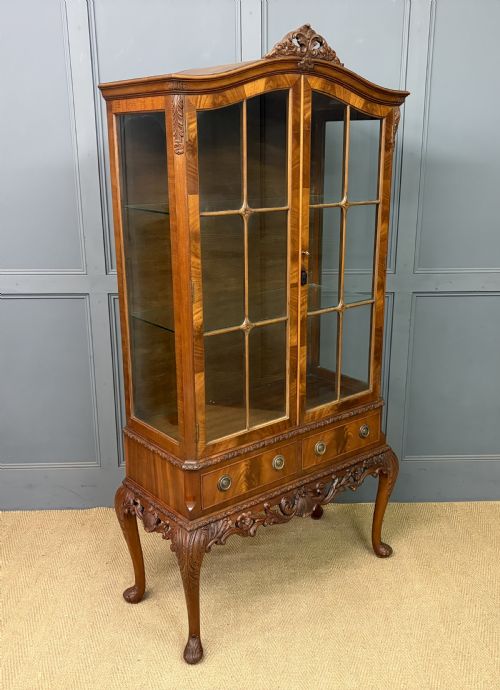
Vintage Maple Furniture
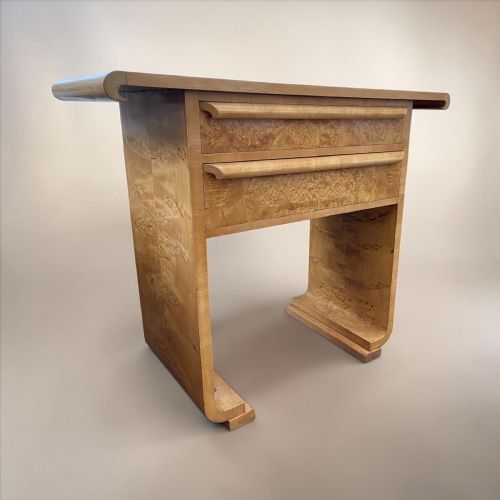
Vintage maple furniture brings together the striking grain of birds eye maple and the clean geometric lines of Art Deco design.
Vintage Maple Furniture
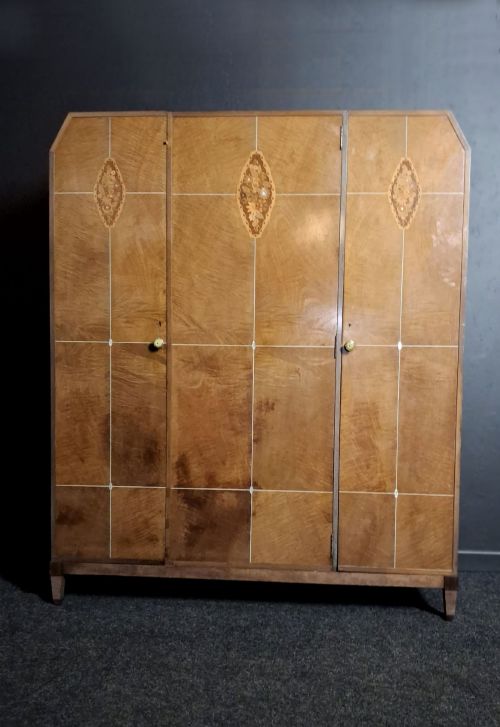
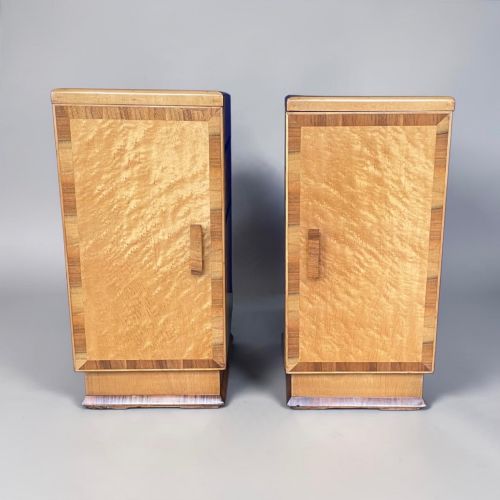
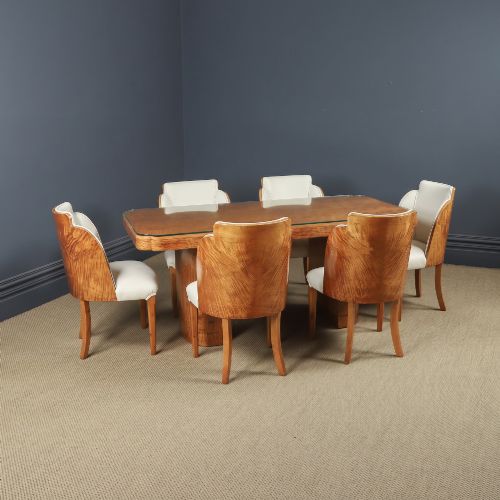
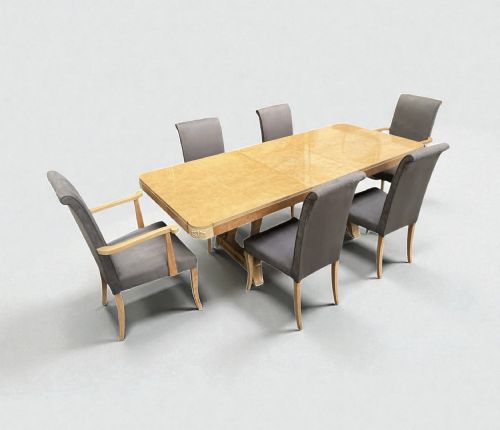
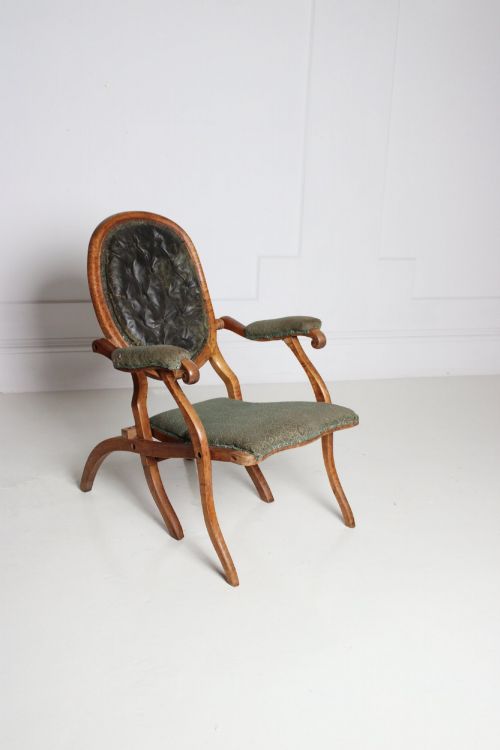
Vintage maple furniture spans pieces from the nineteenth century through the Art Deco period of the nineteen-thirties, with a heavy concentration of twentieth-century bedroom and dining suites. When buyers search for vintage maple furniture, they encounter everything from blonde birds eye maple beds and tallboys to walnut-banded bedside cabinets and large cocktail bars.
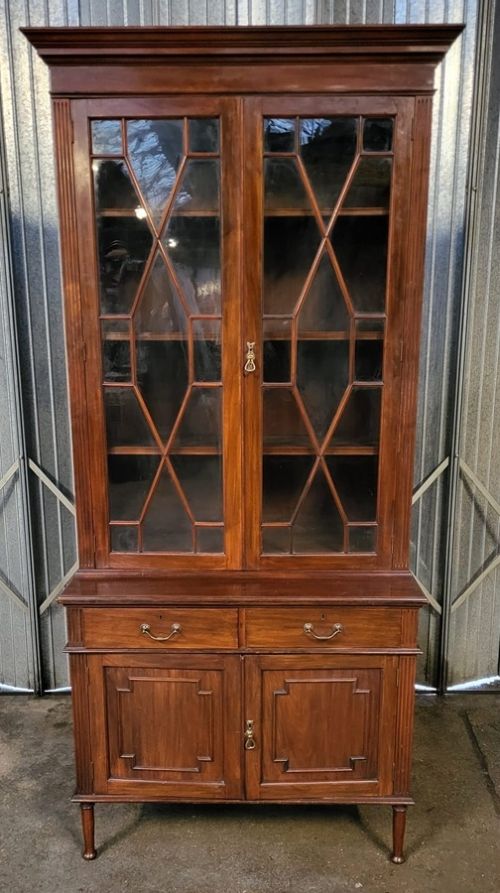
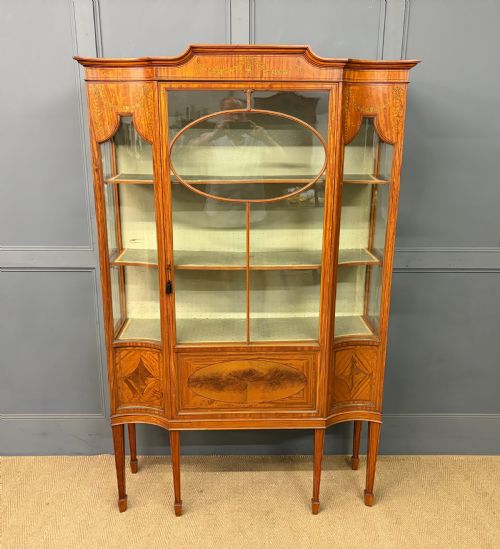
The material repertoire includes birds eye maple, burr maple, and blonde maple, frequently paired with contrasting timbers such as walnut, mahogany, and satinwood. Makers such as Maple and Co. and Hille produced many of the desks, wardrobes, and display cabinets seen in this range.
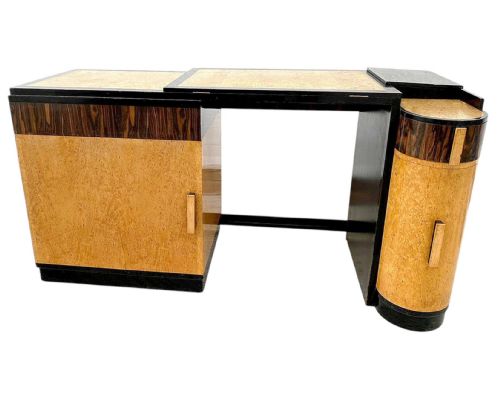
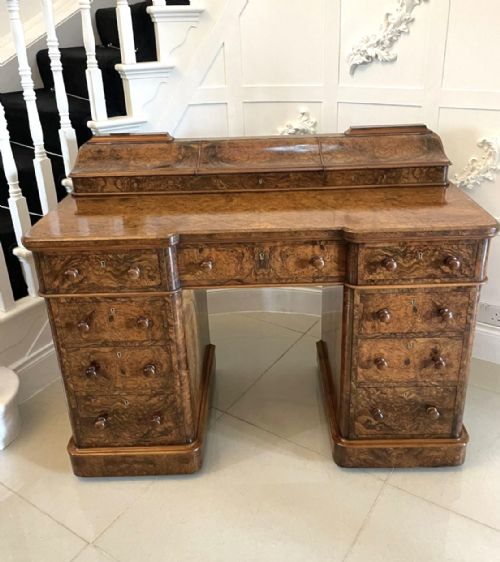
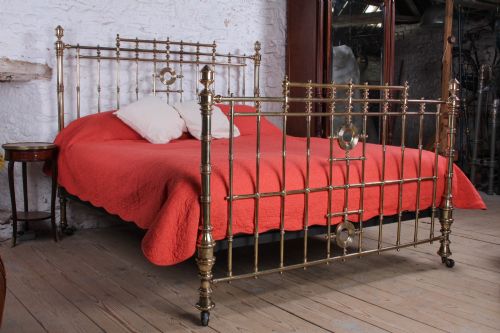
The selection ranges from Victorian kneehole desks and Edwardian writing tables to sleek nineteen-thirties Odeon beds and skyscraper dressing tables. Pieces often incorporate brass hardware, glass tops, and leather inserts to complete the design.
How they were made
Craftsmen utilised figured veneers like birds eye maple and burr maple applied over solid secondary timbers, creating rich patterns across wardrobe doors and table tops. Cabinetmakers combined these light maples with darker contrasting borders in walnut, mahogany, and satinwood to frame the drawer fronts and panels.
Nineteen-thirties construction often involved curved ply and blockboard frameworks finished with thick blonde maple veneers, seen particularly in wardrobes, beds, and cocktail bars. Earlier nineteenth-century examples relied on traditional joinery methods for desks, work tables, and revolving bookcases.
Surface treatments included clear lacquers to protect the distinctive timber grain, complemented by brass handles, locks, and occasional glass top protectors. Black lacquer accents appeared on specific twentieth-century items to heighten the contrast against the pale maple.
Vintage Maple Furniture Retail Price Guide 2026
Typical asking prices for vintage maple furniture among the pieces listed under this phrase on Sellingantiques today, from the lower quarter to the upper quarter. They describe what is for sale here now, not the wider market.
Listings feature periods from the nineteenth century through the nineteen-forties, with a strong focus on nineteen-thirties Art Deco design.
What varies in quality
The matching and layout of the timber grain across large surfaces distinguishes standard cabinetmaking from exceptional work. Superior pieces display symmetrical veneers that flow continuously across drawers and doors, whereas lesser examples use fragmented or mismatched grain patterns.
The integration of secondary woods and decorative inlay work sets the standard for construction. Fine execution involves precise brass fittings, robust internal framework, and clean joints that endure decades of daily use without movement in the timber.
Maple and Co·Hille·Harry and Lou Epstein·Fortnum and Mason
The Vintage Maple Furniture Glossary
- Birds Eye Maple
- A figure in maple wood that resembles tiny swirling eyes caused by local depressions in the growing rings. It is highly prized for decorative veneer on Art Deco bedroom suites.
- Blonde Maple
- A pale, natural finish applied to maple timber to preserve its bright golden-yellow tone without darkening. This look became central to nineteen-thirties modernist furniture.
- Skyscraper Style
- An architectural furniture form from the Art Deco era characterised by stepped silhouettes and vertical emphasis. It appears frequently in twentieth-century beds and wardrobes.
- Kneehole Desk
- A compact writing desk featuring a central recess for the legs flanked by pedestals of drawers. Victorian and Edwardian examples often include leather-lined writing surfaces.
Vintage Maple Furniture: Frequently Asked Questions
How do I clean vintage maple furniture?
Dust surfaces regularly with a soft, dry cloth to prevent accumulation in the intricate grain patterns. Avoid harsh chemical cleaners and silicone polishes that can degrade the original lacquer.
Apply a traditional microcrystalline wax occasionally to nourish the veneer and maintain the soft sheen. Keep pieces away from direct sunlight and heat sources to prevent the wood from drying out.
Where were these pieces made?
Most items originate from English workshops and London firms operating during the nineteenth and twentieth centuries. Prominent retailers and manufacturers designed and retailed these suites from capital showrooms.
Some pieces reflect international design influences, such as Swedish Grace styles, while maintaining standard British or European construction methods.
Can I use a maple bedside cabinet daily?
These cabinets suit regular bedroom use, providing convenient storage for lamps and personal items. Their sturdy construction accommodates everyday handling.
Use coasters on glass or wood surfaces to protect the polished finish from moisture rings and scratches. Ensure drawers and cupboard doors open smoothly without forcing the mechanisms.