



Vintage Maple Cabinets
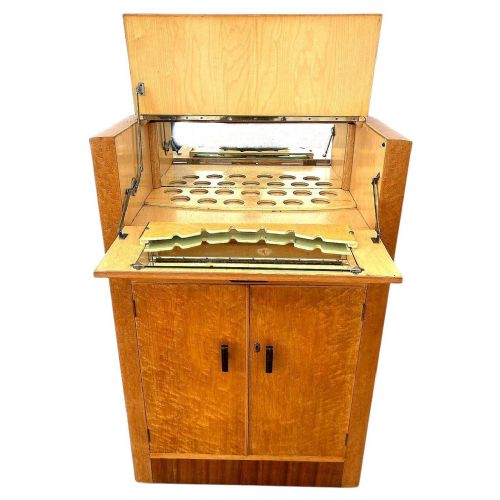
Vintage maple cabinets bring warmth and striking grain to a room, ranging from sleek 1930s cocktail pieces to 19th-century chests.
Vintage Maple Cabinets
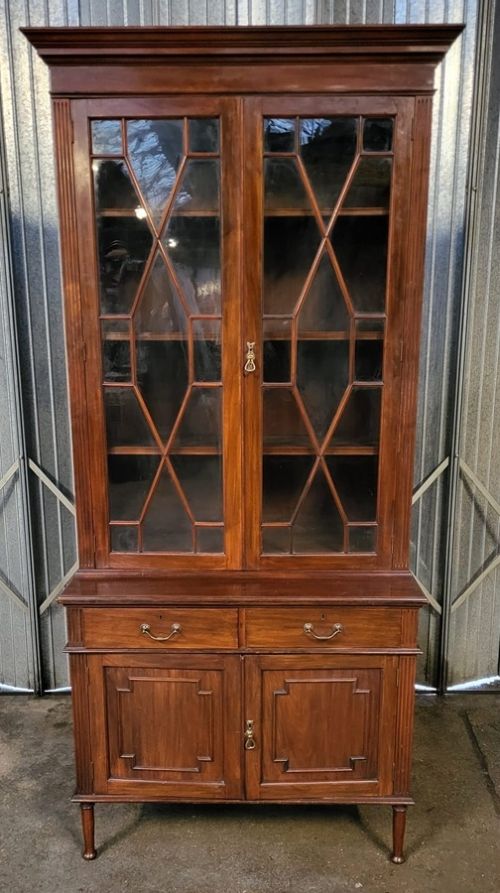
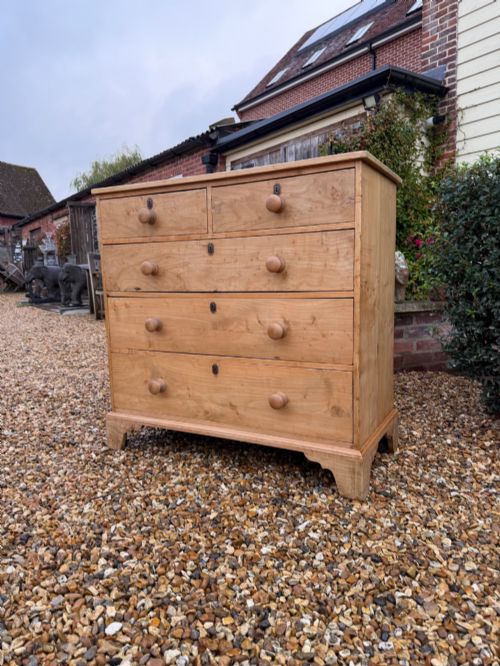
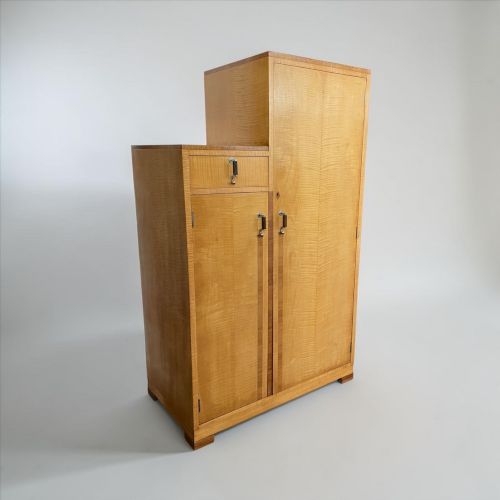
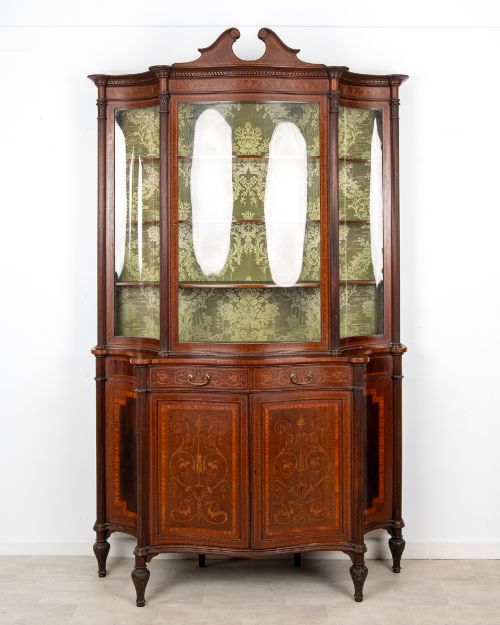
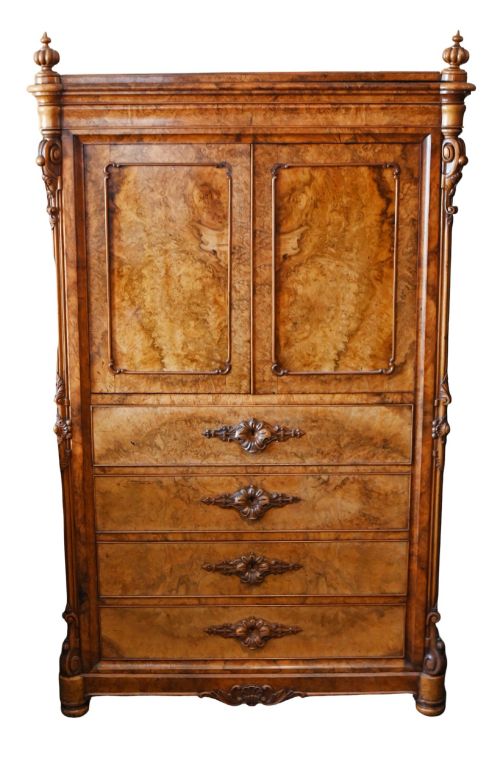
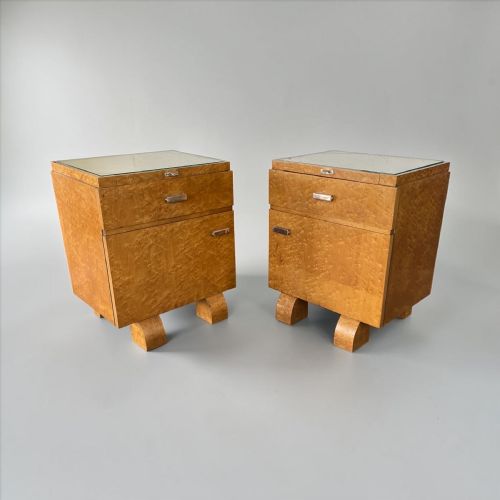
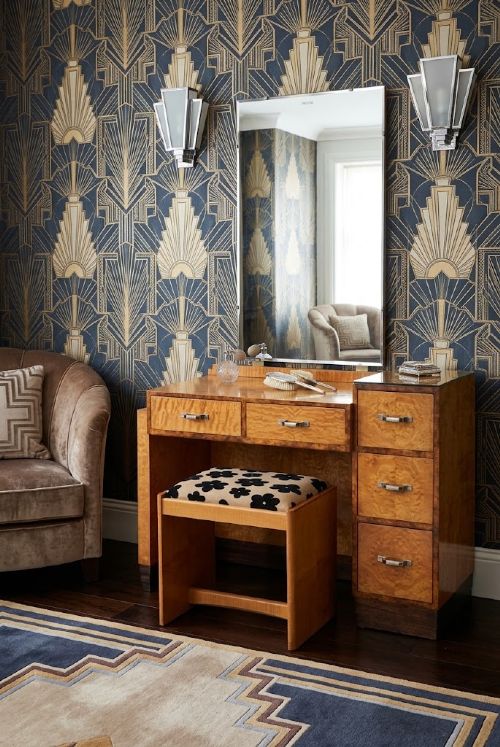
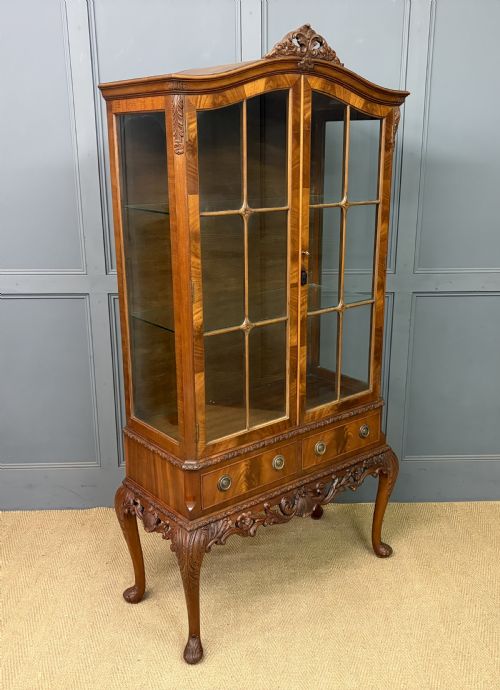
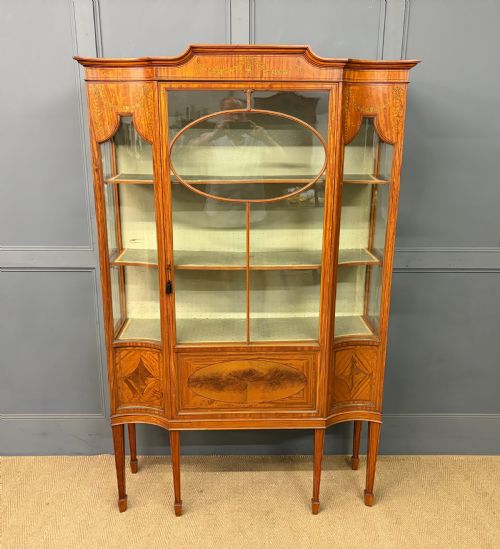
Earlier examples bridge Victorian, Edwardian, and French Louis Philippe styles, often combining maple with mahogany, walnut, or satinwood. Makers such as Maple & Co. produced substantial bookcases, display cabinets, and chests of drawers during the 19th and early 20th centuries. Art Deco pieces from the 1920s and 1930s frequently employ geometric veneering and contrasting dark lacquers.
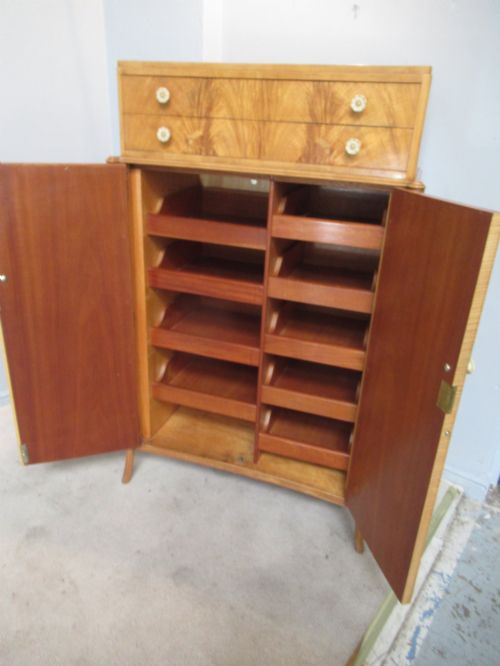
The selection includes specialised forms such as secretaire desk cabinets, compactum wardrobes, and beds with integral cabinets. French buffets and Biedermeier-influenced secretaires introduce marble tops and ormolu mounts to the timber. The overarching form depends heavily on the period, shifting from formal Edwardian display furniture to streamlined 1930s bedroom suites.
How they were made
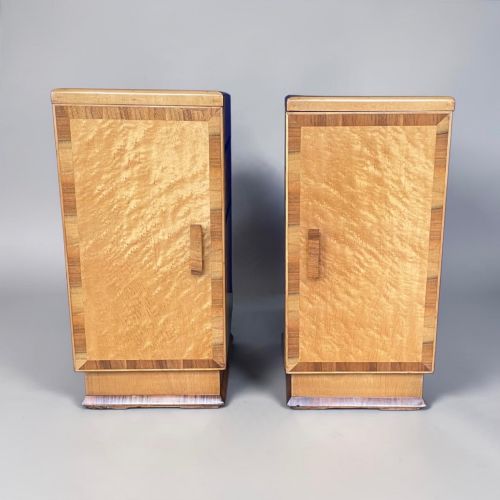
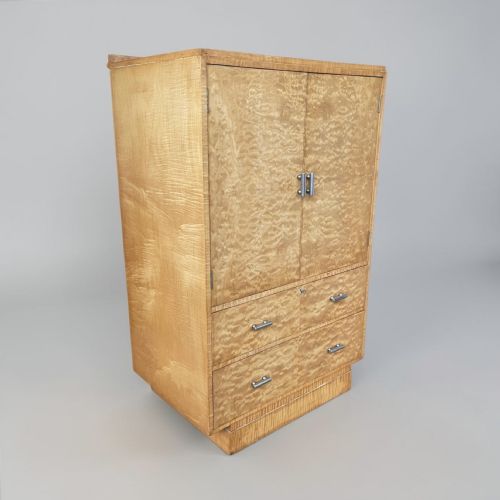
Makers constructed these cabinets using solid timber frames and applied veneers, particularly birds-eye maple, which displays characteristic small circular figuring. Workshops combined maple with contrasting woods such as walnut, mahogany, and satinwood to create border banding and decorative panels. Brass hardware, original glass, and ormolu mounts frequently complete the construction.
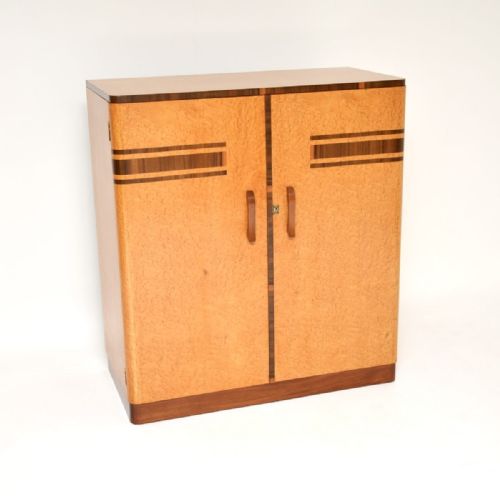
Art Deco items often feature book-matched veneers laid symmetrically across drawer fronts and doors, sometimes paired with black lacquer or chrome details. Earlier 19th-century pieces relied on traditional carcase construction with hand-cut dovetails for drawers and panelled doors. French examples integrated marble tops into sideboard and buffet designs alongside key-operated locks.
Vintage Maple Cabinets Retail Price Guide 2026
Typical asking prices for vintage maple cabinets among the pieces listed under this phrase on Sellingantiques today, from the lower quarter to the upper quarter. They describe what is for sale here now, not the wider market.
Listings feature items from the 18th century, 19th century, Edwardian period, and 1930s, utilising materials such as birds-eye maple, walnut, mahogany, glass, and brass.
What varies in quality
Quality rests primarily in the selection and matching of the timber veneer, particularly the consistency of birds-eye patterns across large surfaces. Cabinets by established makers like Maple & Co. or H&L Epstein demonstrate superior internal carcase construction and precise joinery compared to anonymous workshop pieces. The integration of original glass, brass handles, and ormolu mounts elevates a piece's integrity.
Art Deco items depend on the harmony of contrasting woods, such as walnut framing blonde maple, executed without lifting or cracking in the veneer. Substantial pieces like breakfront bookcases and cocktail bars reveal craftsmanship in the fitting of doors, drawers, and specialised internal compartments.
Maple and Co·H and L Epstein·Maurice Adams
The Vintage Maple Cabinets Glossary
- Birds Eye Maple
- A figure in maple wood where the grain swirls around small spots, resembling tiny eyes. This decorative veneer appears frequently on 1930s Art Deco cabinets and French furniture.
- Compactum
- A large wardrobe or clothes press designed with internal divisions for hanging garments, shelves, and drawers. These multi-purpose units suit bedroom storage.
- Breakfront
- A piece of furniture where the central section projects forward from the flanking sections. This architectural form provides depth and visual structure to large bookcases and sideboards.
- Ormolu
- Gilt bronze mounts used as decorative trim on furniture. French buffets and cabinets occasionally incorporate these cast metal elements.
- Secretaire
- A cabinet incorporating a pull-down writing flap that conceals small drawers and pigeonholes. These dual-purpose desks blend writing surfaces with enclosed storage.
Vintage Maple Cabinets: Frequently Asked Questions
What periods do these cabinets come from?
The listings span from the 18th century through the 19th century, Edwardian era, and up to the 1930s and 1940s. Art Deco pieces from the 1930s form a large portion of the available selection.
Earlier examples include Victorian, Edwardian, and Louis Philippe designs alongside items produced by prominent firms like Maple & Co.
Where were these cabinets used?
These pieces served primarily in bedrooms, drawing rooms, and dining rooms as practical storage and display units. Bedside cabinets and tallboys equipped sleeping quarters, while cocktail cabinets and sideboards appointed living spaces.
Larger bookcases and display cabinets functioned in studies and libraries to house collections.
How do Art Deco cabinets differ from Edwardian ones?
Art Deco cabinets from the 1930s favour blonde maple, geometric veneers, and contrasting dark woods or black lacquer. They often present streamlined silhouettes without heavy carving.
Edwardian and 19th-century pieces lean towards mahogany and satinwood inlay, glass-fronted bookcases, and traditional period styling associated with makers like Maple & Co.