



Vintage Majolica Pottery
These vintage majolica pottery pieces offer bold tin-glazed earthenware forms and vibrant polychrome glazes that transform interior spaces.
Vintage Majolica Pottery
When you search for vintage majolica pottery, you encounter a diverse range of tin-glazed earthenware objects spanning from the seventeenth century through the twentieth century. The selection on this page leans heavily toward nineteenth-century production, alongside notable eighteenth-century examples and turn-of-the-century pieces.
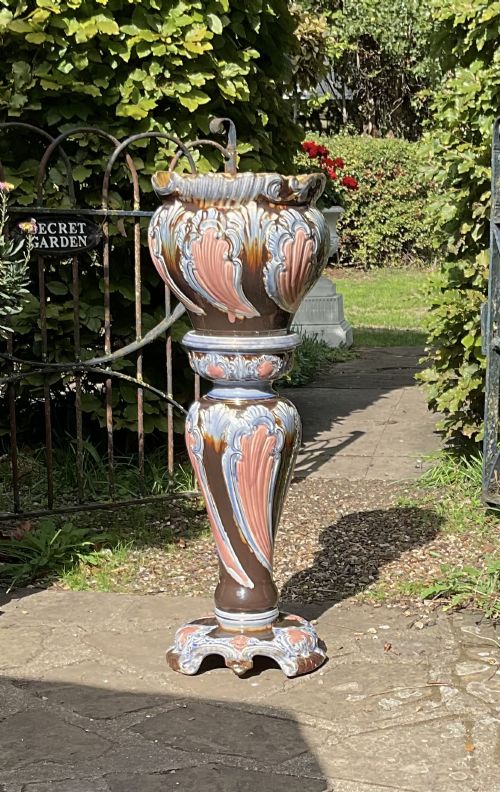
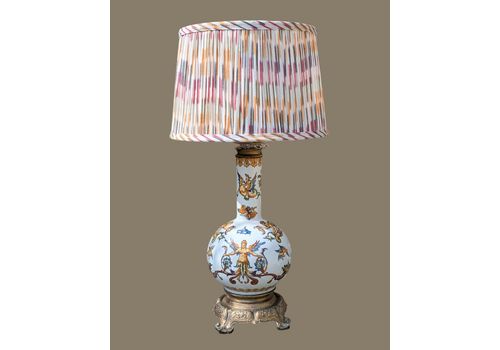
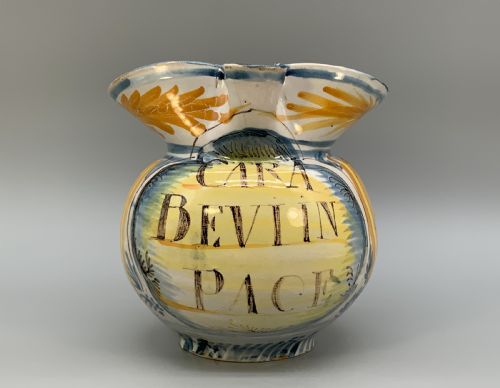
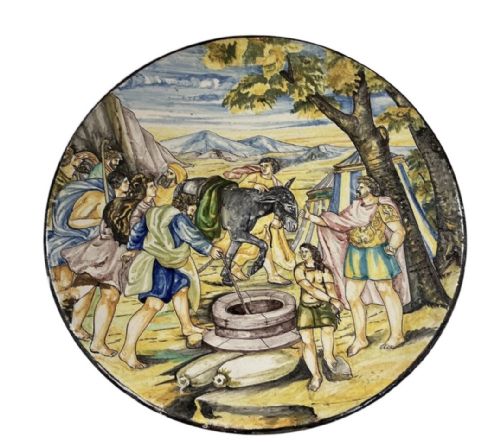
Forms range widely from practical domestic vessels to decorative display items. You will frequently find jardinieres, plant stands, apothecary jars, albarelos, chargers, and table lamps taking centre stage.
Geographic origins and stylistic influences are similarly broad, encompassing Italian maiolica traditions, French faience, Dutch Delft, English Victorian wares, and Renaissance Revival designs.
Materials and production
Makers shaped these items from earthenware clay, applying specialised glazes to create durable surfaces for both functional vessels and decorative display pieces.
Tin glaze served as the primary canvas for hand-painted polychrome decoration, allowing artists to employ manganese, yellow, and blue pigments across various styles.
Vintage Majolica Pottery Retail Price Guide 2026
Typical asking prices for vintage majolica pottery among the pieces listed under this phrase on Sellingantiques today, from the lower quarter to the upper quarter. They describe what is for sale here now, not the wider market.
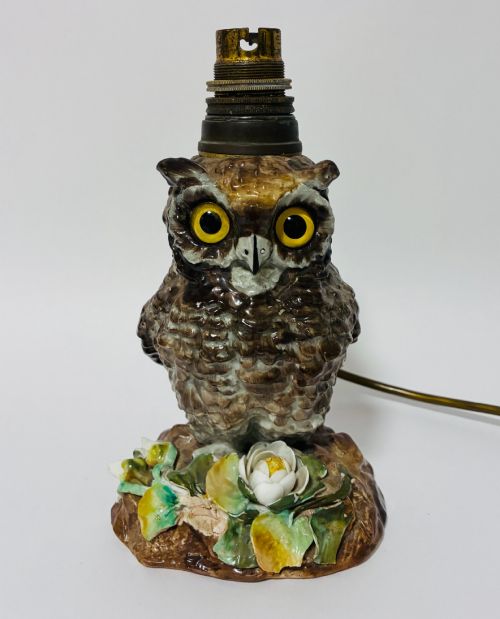
Owning an antique owl lamp base ensures your living room is forever guarded by a very watchful ceramic bird.
Assessing quality
The standard of a piece rests heavily on the crispness of the hand-painted detailing and the depth achieved within the polychrome or blue and white glazes.
Earlier centuries and specific regional workshops demonstrate superior control over form and firing, whereas later mass production sometimes yields simpler execution.
Cantagalli Faience·Gien faience·Julius Dressler·Woodlesford Art Pottery·Bassano pottery works
The Vintage Majolica Pottery Glossary
- Majolica
- A type of pottery decorated with opaque tin glazes, often featuring colourful polychrome painting. It encompasses Italian maiolica and later nineteenth-century revival wares.
- Faience
- European tin-glazed earthenware, particularly associated with French and Dutch production methods. It shares technical similarities with majolica traditions.
- Albarello
- A cylindrical earthenware jar used by apothecaries to store drugs and ointments. These pieces often feature painted labels or intricate geometric patterns.
- Charger
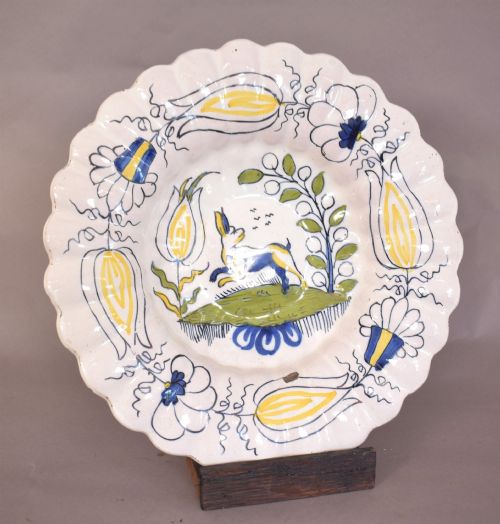
- A large decorative plate intended for display on a wall or sideboard rather than for dining. They frequently showcase elaborate narrative scenes or floral motifs.
- Jardiniere
- An ornamental ceramic pot or stand designed to hold live plants. These items often incorporate naturalistic moulded details such as foliage or animal forms.
Vintage Majolica Pottery: Frequently Asked Questions
What is vintage majolica pottery?
Vintage majolica pottery comprises tin-glazed earthenware objects spanning several centuries, including Italian maiolica, French faience, and English Victorian wares.
These pieces range from functional apothecary jars and table lamps to decorative chargers and large plant stands.
How were apothecary jars used?
Albarelos and pharmacy jugs stored dry drugs, herbs, and liquid medicines in historical dispensaries and apothecaries.
Their distinctive waist shape allowed pharmacists to grip them easily on crowded shelves.
How do I display a charger plate?
Charger plates are traditionally displayed on walls using specialised wire hangers or set upright on sideboards using sturdy plate stands.
Their large scale and painted surfaces make them effective focal points in a room.
How can I tell different periods apart?
Earlier pieces from the seventeenth and eighteenth centuries often display tin-glaze characteristics tied to traditional Italian or Dutch delft production.
Nineteenth-century and later revival pieces frequently introduce heavier moulded forms, naturalistic plant designs, and brighter polychrome palettes.