
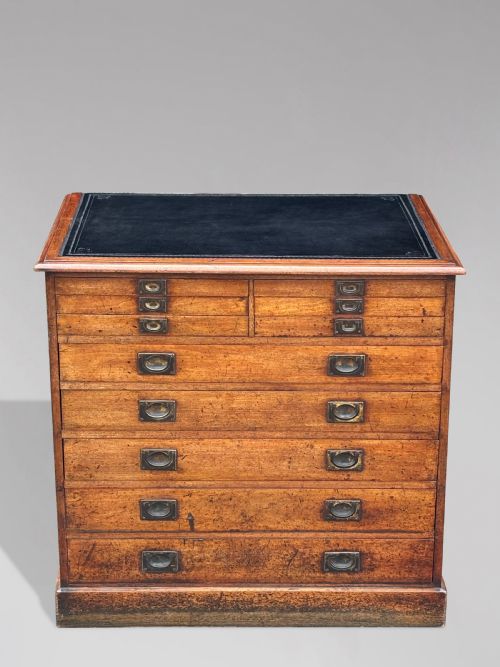
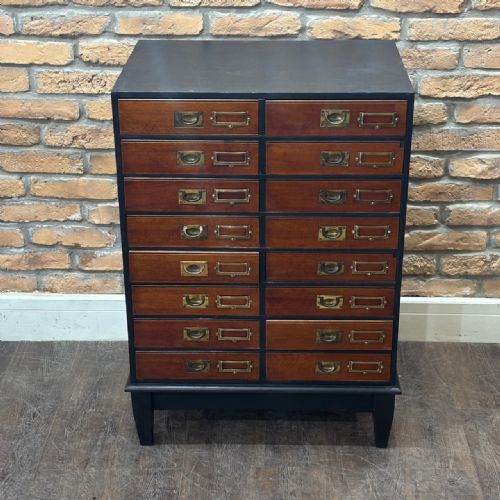
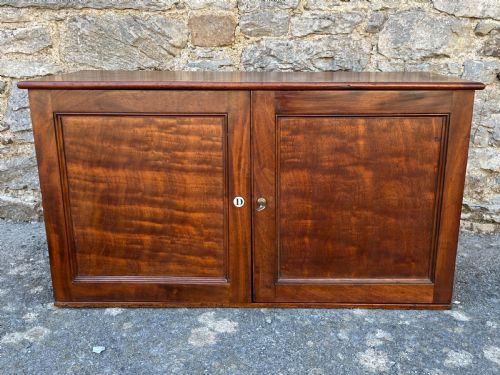

Vintage Mahogany Filing Cabinet
A vintage mahogany filing cabinet brings serious timber and practical storage into a room, offering a handsome answer to modern clutter.
Vintage Mahogany Filing Cabinet
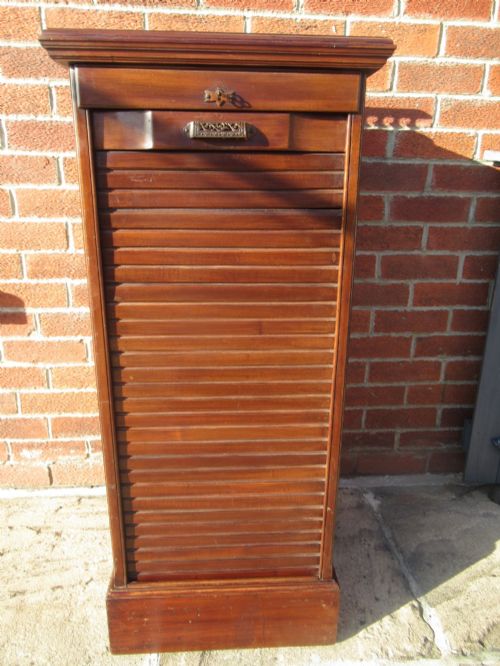
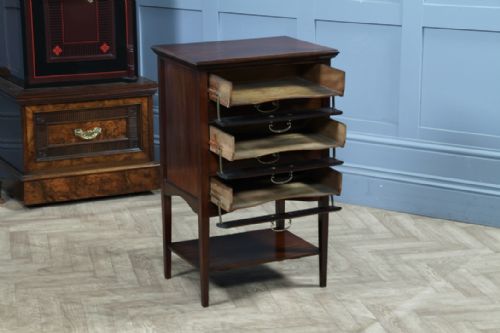
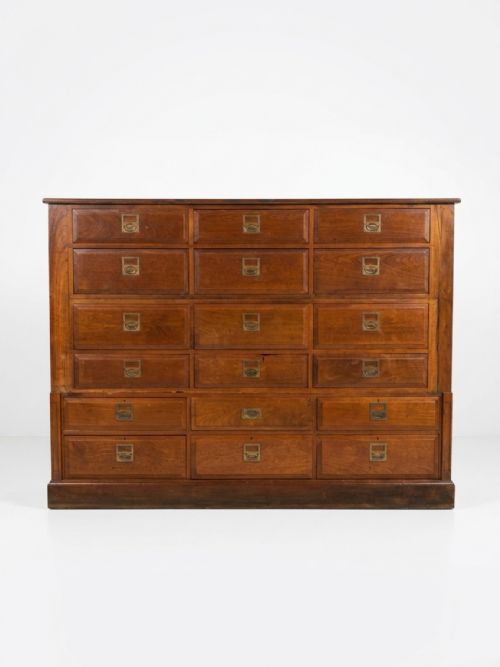
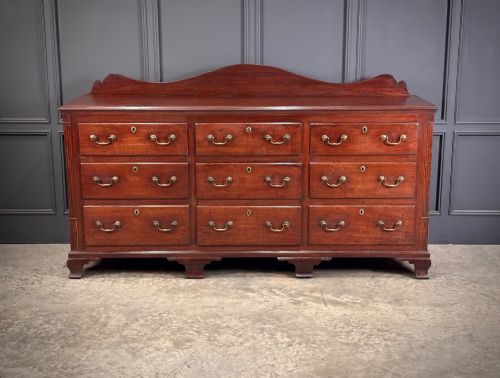
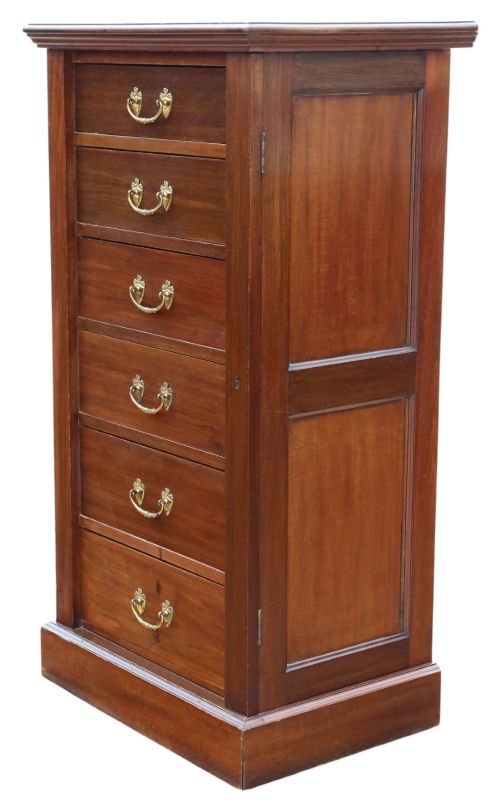
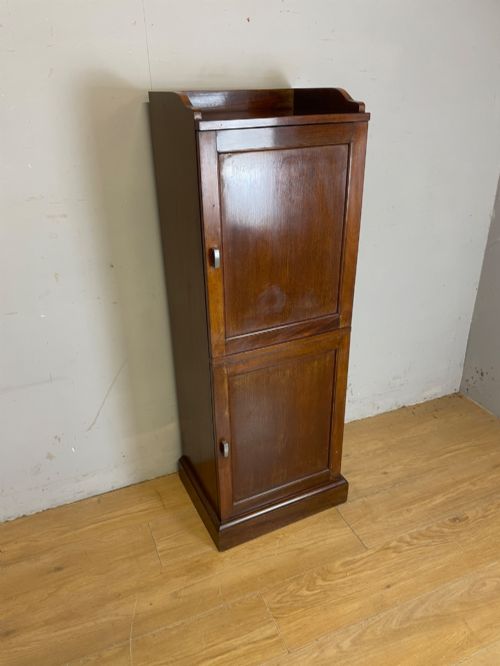
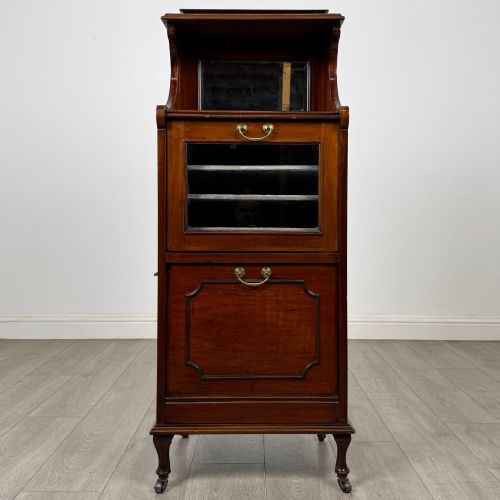
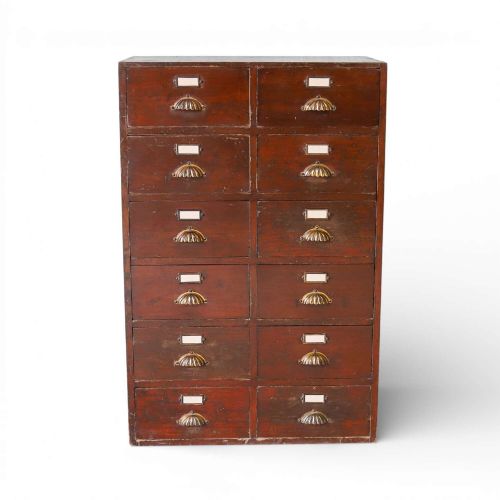
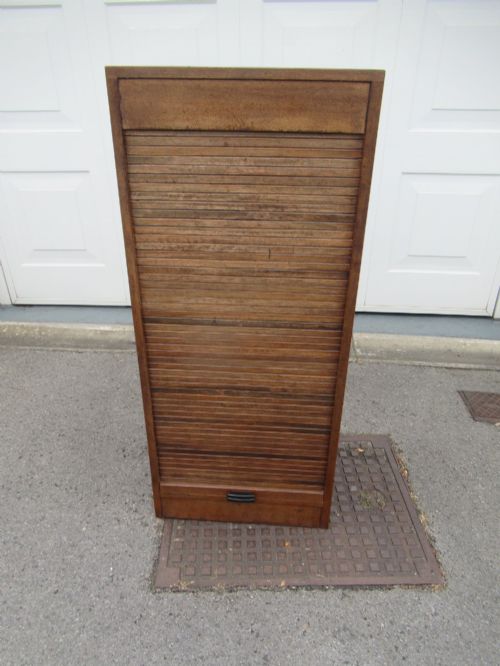
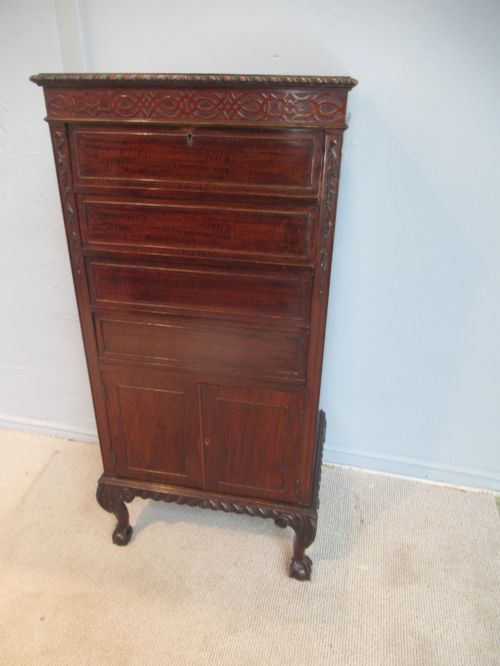
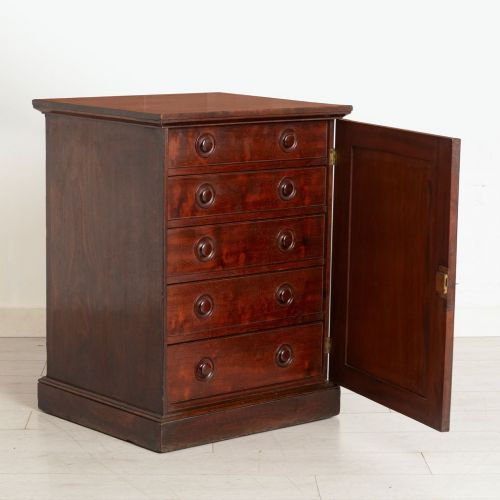
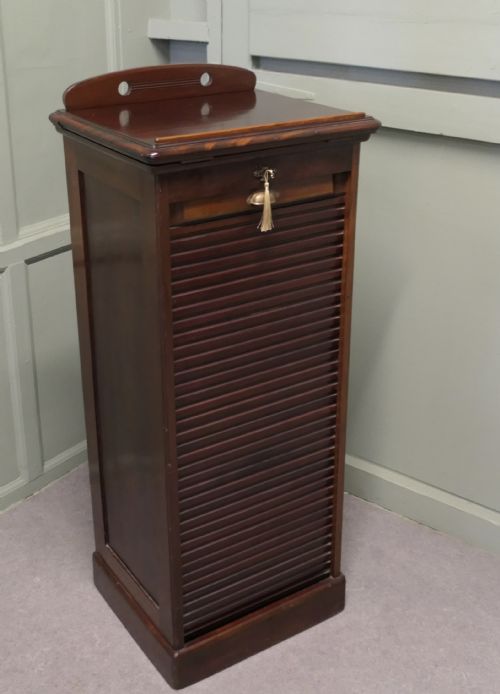
A vintage mahogany filing cabinet serves as a hardworking piece of office furniture, with examples spanning from the eighteenth century through the Edwardian era and into the 1930s. Buyers searching for a vintage mahogany filing cabinet encounter diverse forms, including multi-drawer units, tambour front designs, and campaign styles.
Quality and Craftsmanship
Quality rests in the selection of the mahogany timber and the crispness of the secondary details, such as original brass shell pulls and label holders. Superior examples display thoughtful proportions and robust internal drawer construction.
The integrity of the mechanism, whether a tambour shutter or heavy-duty drawer runners, separates standard utilitarian pieces from exceptional office furniture. Retaining original hardware and untouched surface patination elevates the standing of any piece.
Listings feature mahogany paired with brass, leather, and inlay wood across the eighteenth, nineteenth, and early twentieth centuries.
The Vintage Mahogany Filing Cabinet Glossary
- Tambour
- A flexible sliding shutter formed of narrow strips of wood glued to canvas. This mechanism allows smooth access to enclosed filing compartments without swinging doors.
- Wellington chest
- A tall, narrow chest of drawers secured by a locking side pilaster that fastens over the drawer edges. This secure format suits the storage of documents and valuables.
- Campaign
- Portable furniture built in sections with recessed brass fittings for travel. These sturdy pieces were designed to withstand the rigours of military movement.
- Cartonnier
- A freestanding cabinet fitted with horizontal compartments or drawers for holding papers and files. French examples frequently incorporate leather detailing.
- Bank of drawers
- A multi-drawer storage unit designed for commercial or workshop use. These heavy timber pieces provide extensive organisational capacity.
Vintage Mahogany Filing Cabinet: Frequently Asked Questions
How do I date a cabinet?
Dating relies on examining the construction methods, timber choice, and hardware styles. Eighteenth and nineteenth-century pieces show hand-cut dovetails and vernacular joinery.
Later Edwardian and 1930s examples often incorporate machine-made elements and patented filing mechanisms. Comparing handles, locks, and internal linings against known period styles helps confirm the age.
Are these cabinets suitable for modern paper?
Many vintage filing cabinets and banks of drawers accommodate modern paper sizes within their generous proportions. Measuring the internal drawer dimensions before purchase ensures your documents will fit properly.
Some specialist letter files may require folders tailored to older dimensions. Adaptability varies significantly between domestic music cabinets and heavy-duty office pedestals.
How do I care for mahogany?
Mahogany thrives in stable environments away from direct sunlight and strong heat sources. Regular dusting with a dry, soft cloth preserves the timber finish.
Application of appropriate wax polish maintains the lustre of the wood without building up heavy residue. Avoid placing damp items directly onto the vulnerable leather or timber surfaces.
What is a tambour front?
A tambour front consists of narrow wooden slats attached to a fabric backing, allowing the door to slide smoothly around a curved track. This clever design conceals filing compartments while saving space in a busy study.
Originating in earlier cabinetry, the mechanism became popular on office furniture during the early twentieth century. Smooth operation depends on clean tracks and undamaged slats.