
Vintage Mahogany Clock Case
When you search for a vintage mahogany clock case, you find housing for longcase, wall, and mantel timepieces shaped by Georgian, Victorian, and Edwardian hands.
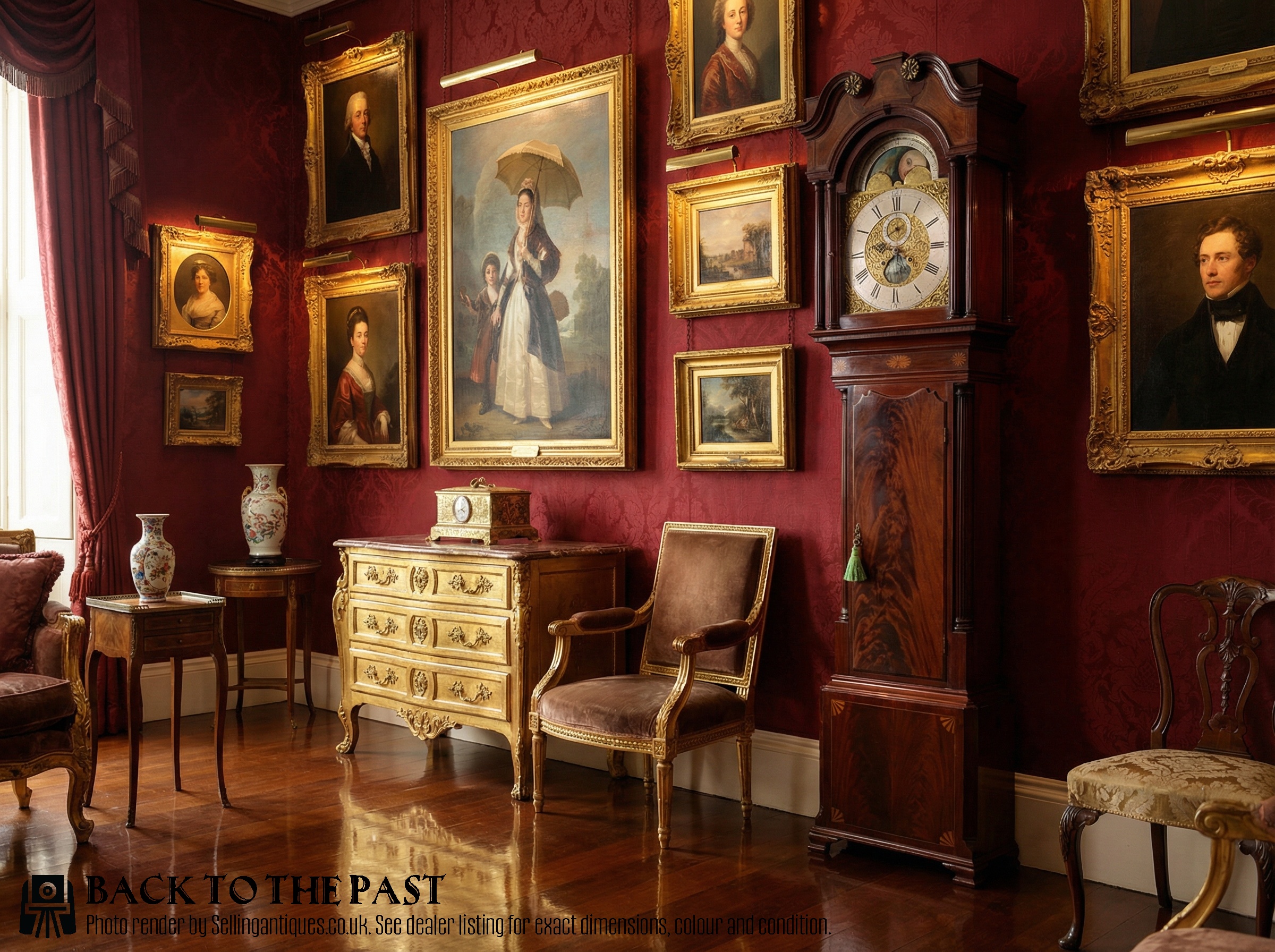
Vintage Mahogany Clock Case
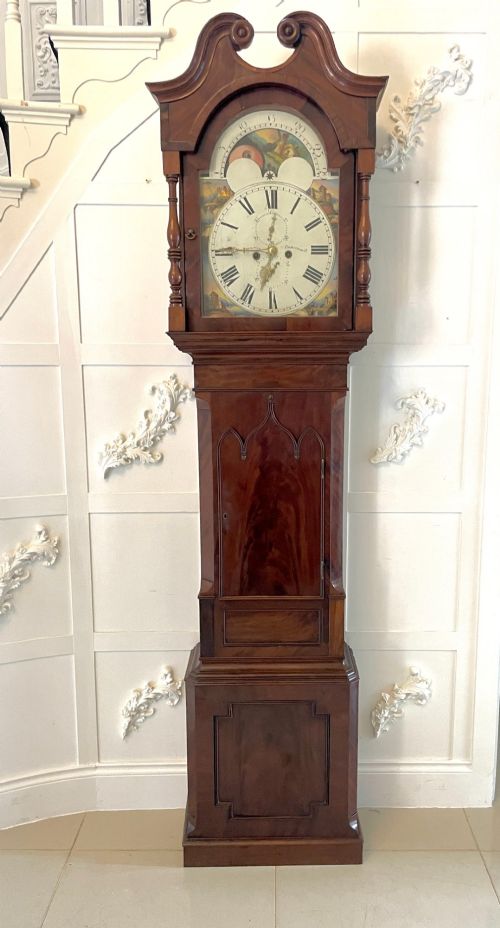
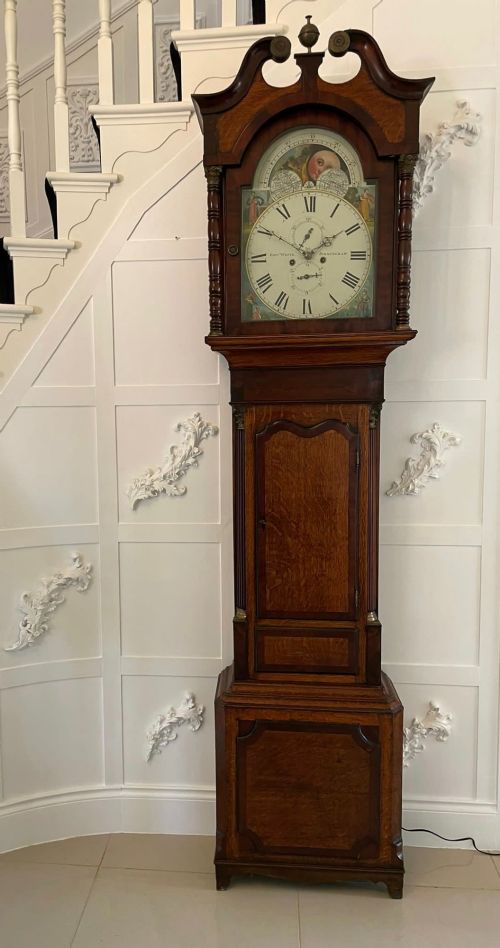
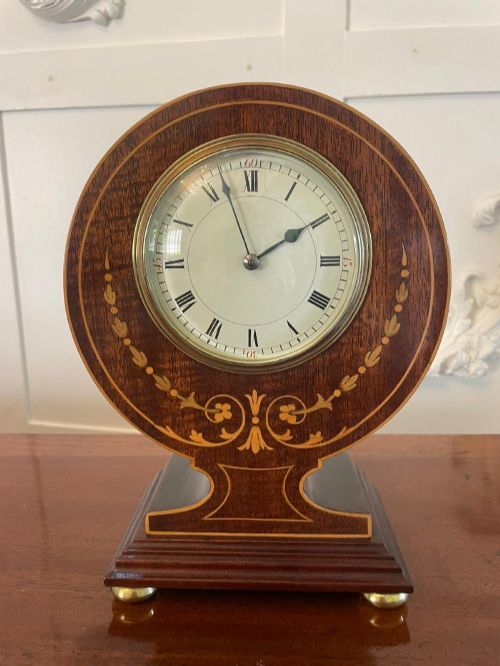
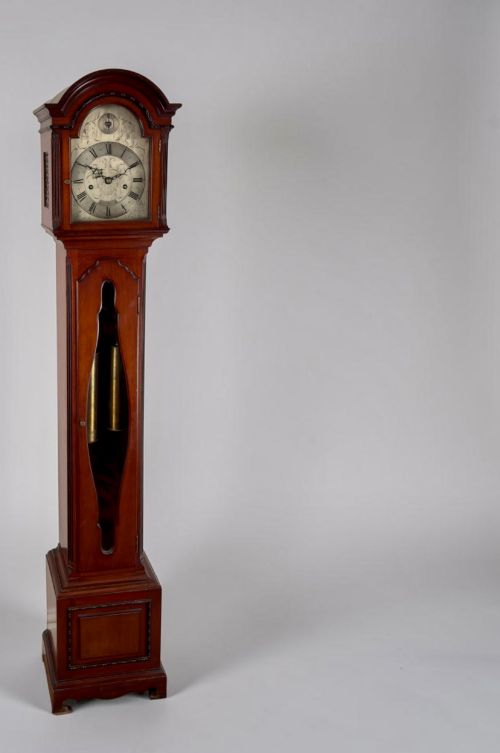
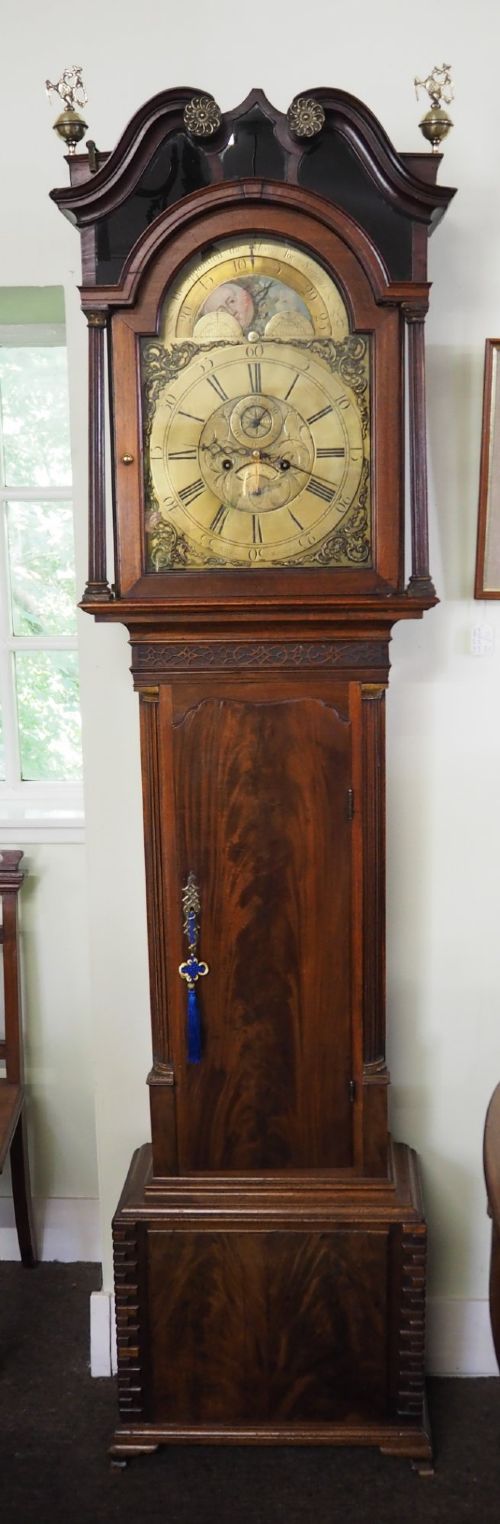
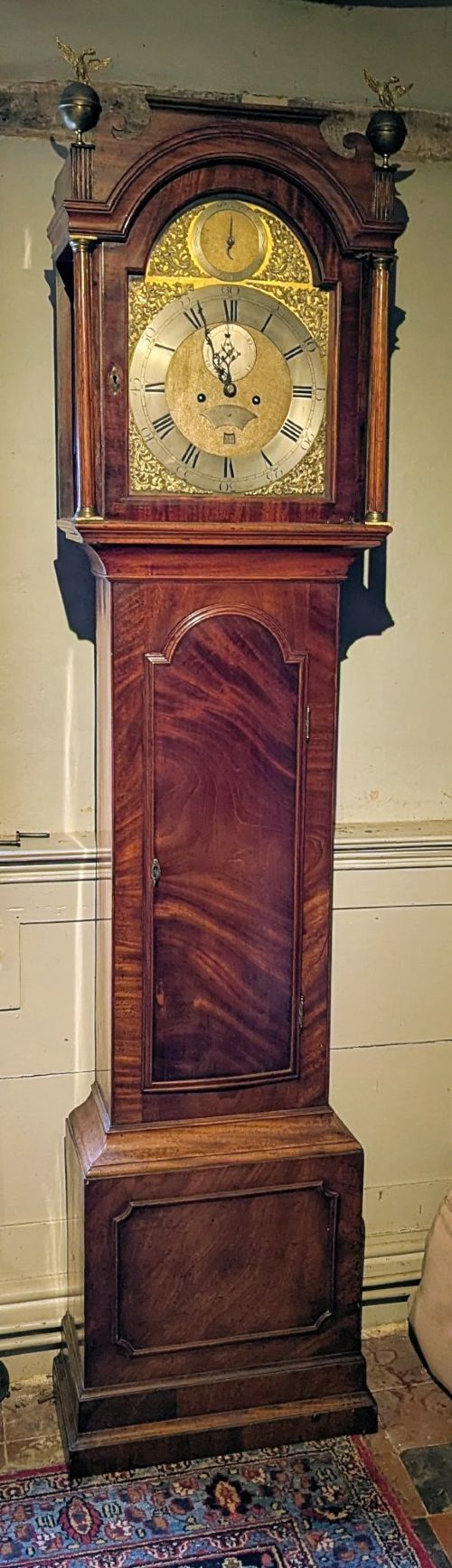
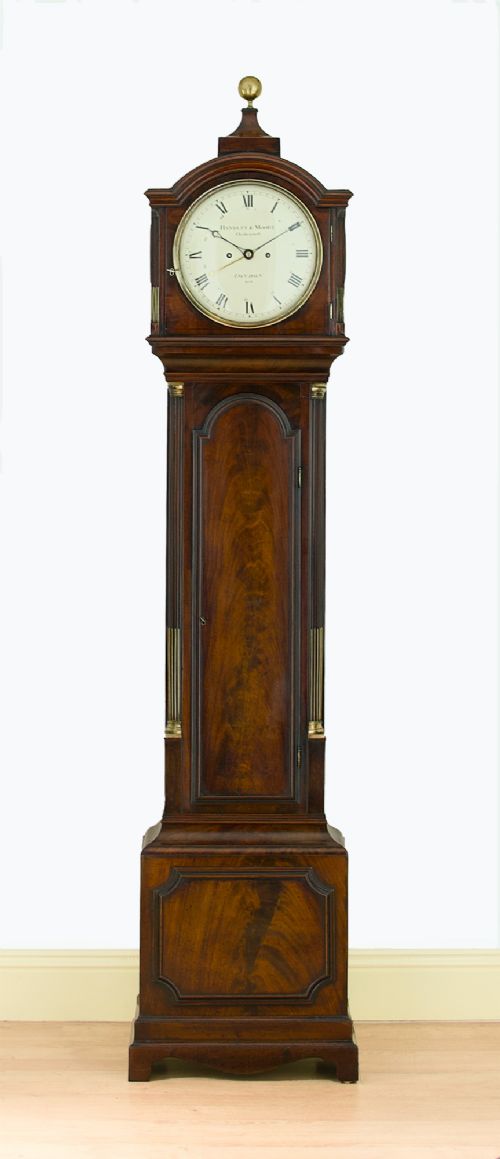
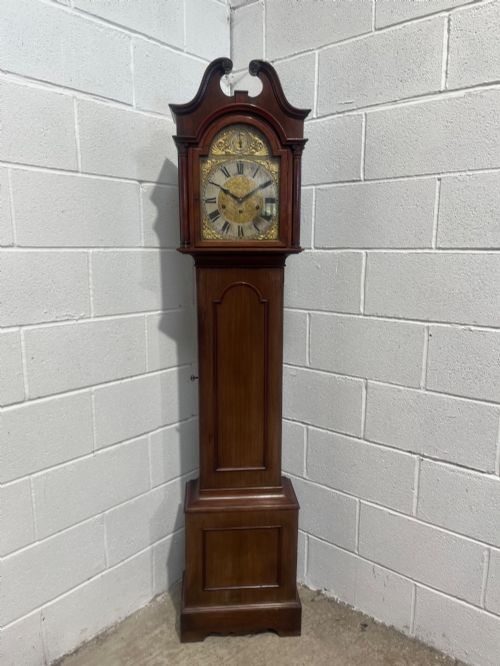
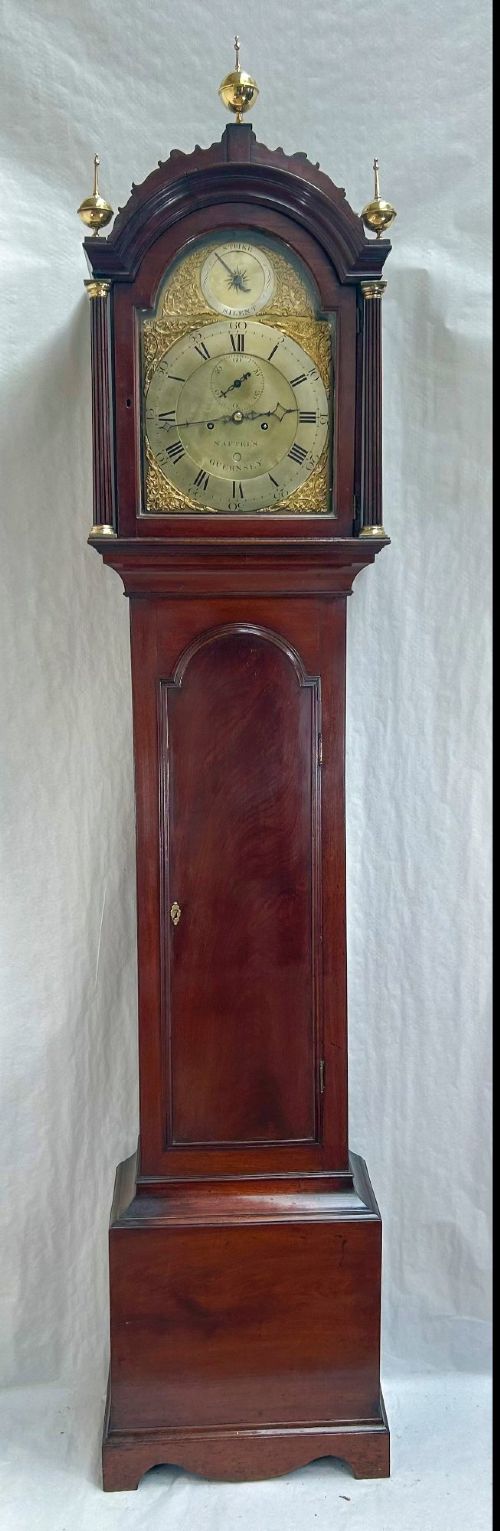
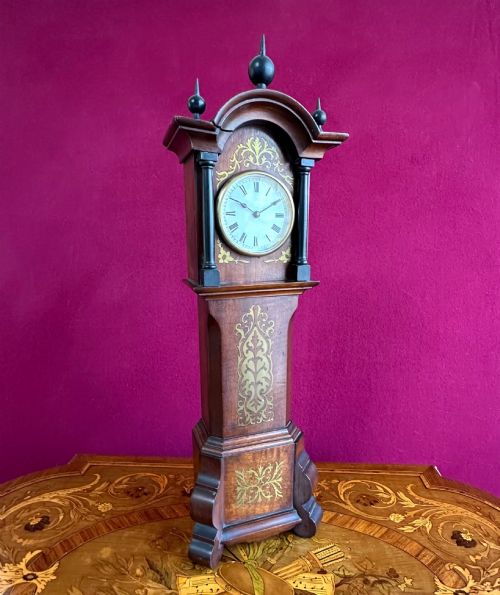
A vintage mahogany clock case is the timber housing designed to protect and display longcase clocks, grandfather clocks, wall clocks, and mantel clocks. Buyers searching this phrase encounter floor-standing longcase examples alongside wall-hanging drop-dial designs.
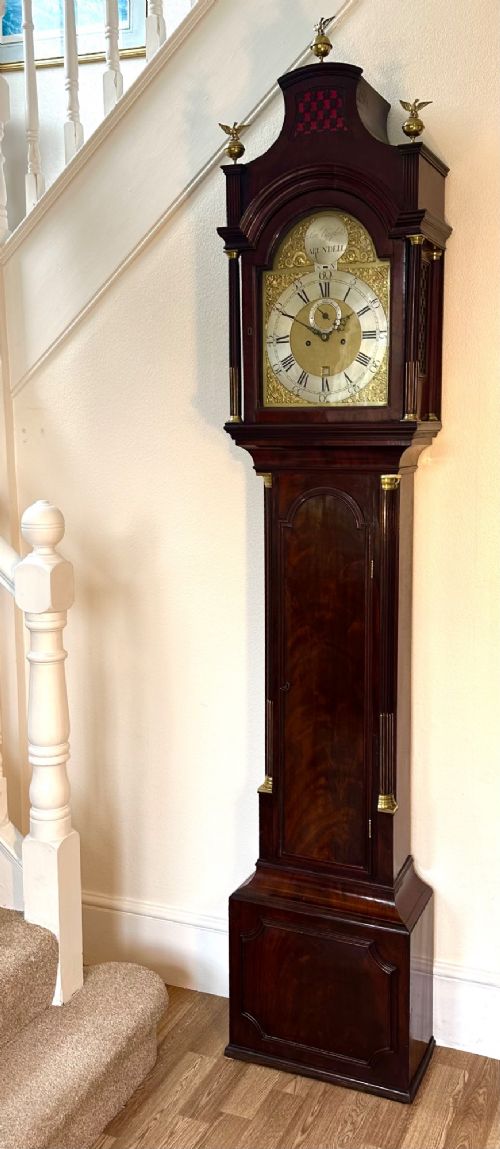
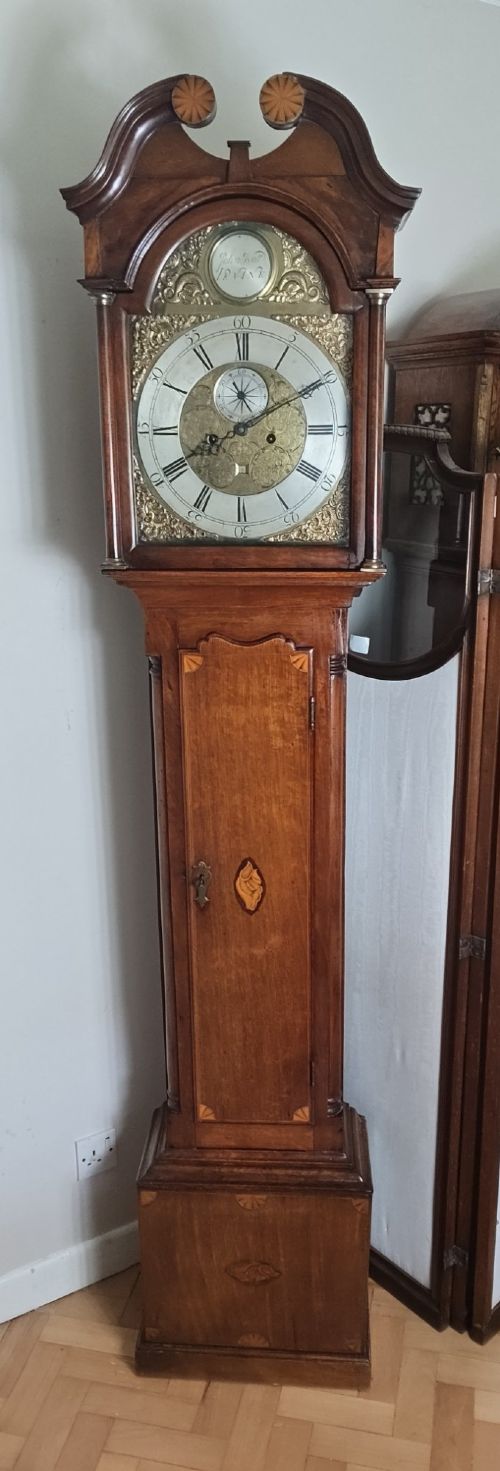
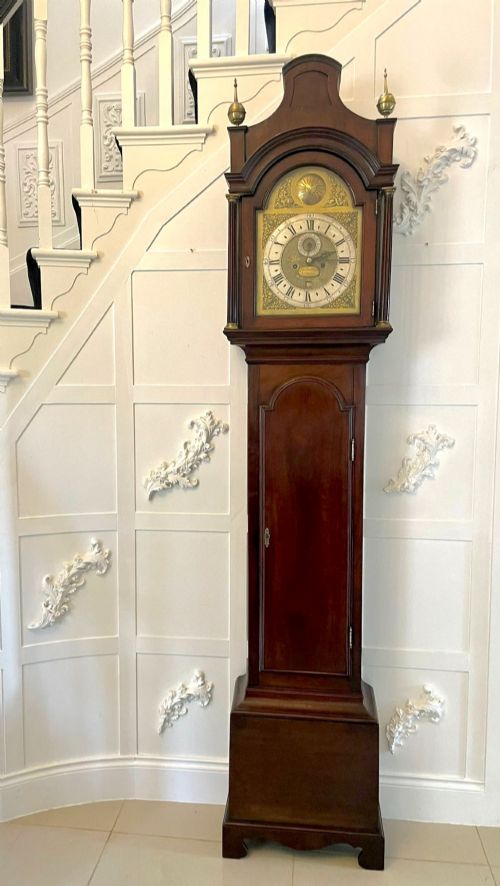
The pieces on this page span the 18th century, the Georgian period, the 19th century, and the Edwardian era. Floor-standing tall cases dominate the selection, showing regional British cabinet-making from London to Scotland.
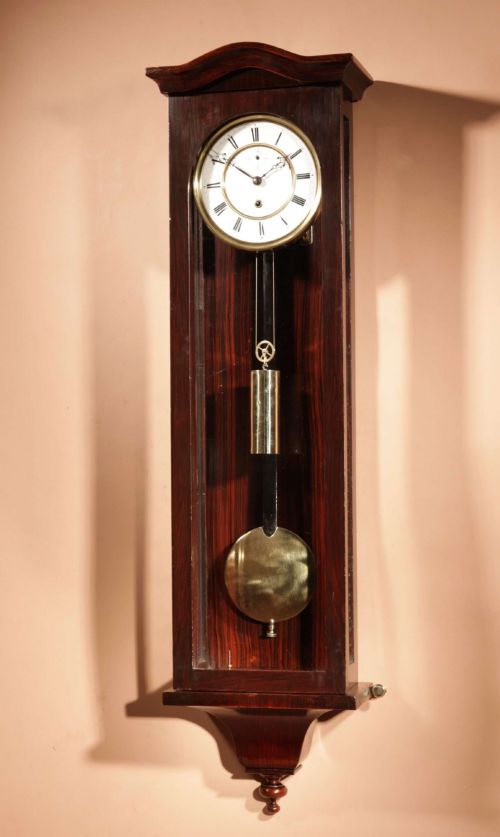
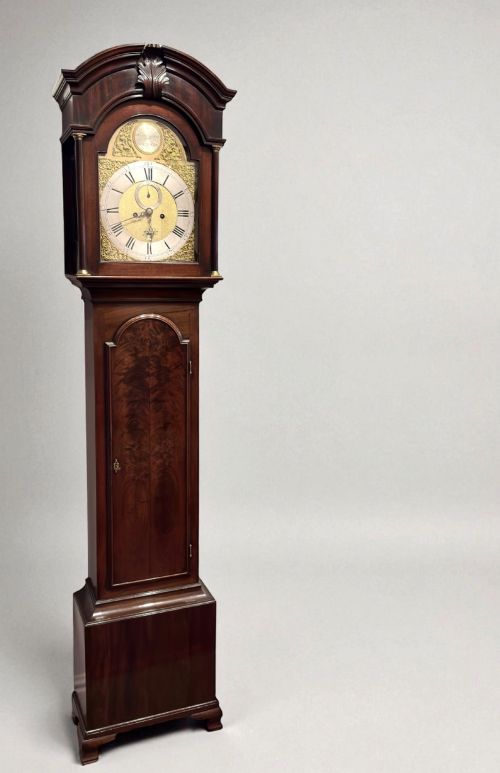
Tall cases range from simple proportions to arched dials with brass and silvered metal details. Wall-mounted variations utilise compact mahogany surrounds to house circular dials.
Materials and construction
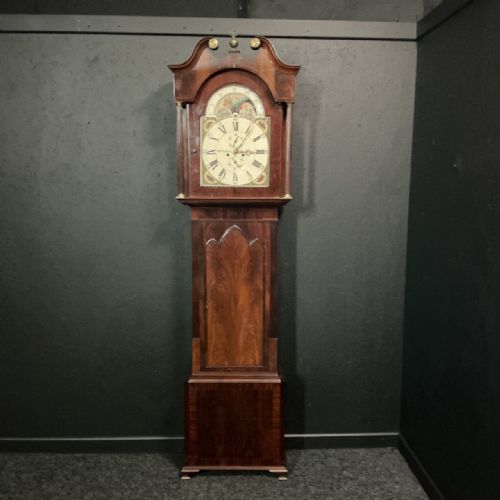
Makers built these housings primarily using mahogany, occasionally incorporating oak for internal framing or secondary elements. Timber selection often involved figured grain patterns such as flame mahogany to enhance visual depth on the trunk door and hood.
Glass panels fitted into brass bezels or wooden door frames protected the enamel, painted iron, or silvered metal clock faces. Brass fixtures appeared as dial spandrels, dial rings, and door hinges, complementing the dark reddish-brown tones of the timber.
The site's inventory includes floor-standing longcase forms and wall-mounted regulator styles spanning multiple centuries.
Assessing craftsmanship and proportion
Quality rests in the architectural harmony of the case and the crispness of any inlaid decoration, such as paterae. Superior examples display balanced proportions between the hood, trunk, and base, showing careful timber selection by the cabinet-maker.
Joinery methods and the retention of original brass or glass components dictate the integrity of a piece. Better housings maintain their structural stability and finish without heavy modern alterations to the wood.
Charles Shuckburgh·Gordon of Aberdeen·Gillett & Johnston·Handley & Moore·George Hallifax·Edward Shepley·Charles Dowsett·John Denbigh·William Moon·John Rainsford
The Vintage Mahogany Clock Case Glossary
- Longcase clock
- A tall pendulum clock enclosed in a wooden case standing directly on the floor. These tall housings are commonly referred to as grandfather clocks.
- Fusee
- A conical pulley used in clock movements to maintain even driving force as the mainspring unwinds. This mechanism frequently sits within wall-mounted and table clock housings.
- Dial
- The face of the clock showing the hours and minutes. Dials in these listings appear in materials such as enamel, painted iron, and silvered metal.
- Paterae
- Small circular or oval decorative ornaments carved or inlaid into furniture. They appear on select longcase designs from the Georgian and later periods.
- Regulator
- A precision pendulum clock designed for exact timekeeping. Their cases often feature elongated glass doors to observe the swing of the pendulum.
Vintage Mahogany Clock Case: Frequently Asked Questions
What is a grandfather clock case?
A grandfather clock case is the tall wooden housing that encloses the weights, pendulum, and movement of a longcase clock. These vertical structures protect the internal mechanics while displaying the dial at eye level.
Most examples stand well over six feet tall and feature a hood at the top, a long trunk in the centre, and a plinth base at the bottom.
How do I identify a Georgian clock case?
Georgian clock cases typically display classic architectural proportions, architectural mouldings, and rich mahogany or oak surfaces. Many feature arched hoods flanked by brass-stopped fluted columns.
Cabinet-makers of this period often incorporated subtle stringing or brass dial spandrels around the painted iron or brass clock faces.
Where were wall clock cases used?
Wall clock cases were hung in public buildings, railway stations, offices, and domestic hallways for clear visibility. Drop-dial and fusee variations allowed timepieces to be secured directly to wall surfaces.
These compact mahogany housings kept the movement elevated and protected from daily foot traffic while remaining easy to wind.
How do I care for mahogany clock cases?
Caring for mahogany clock housings involves placing them away from direct sunlight and sudden temperature shifts to protect the timber. Consistent indoor climates prevent the wood from warping or splitting.
Light dusting with a dry, soft cloth maintains the finish without applying heavy silicone polishes that can damage antique surfaces.