
Vintage Lowboy
A vintage lowboy is a compact, multi-drawer occasional table that brings understated historic utility to a hallway or bedroom.
Vintage Lowboy
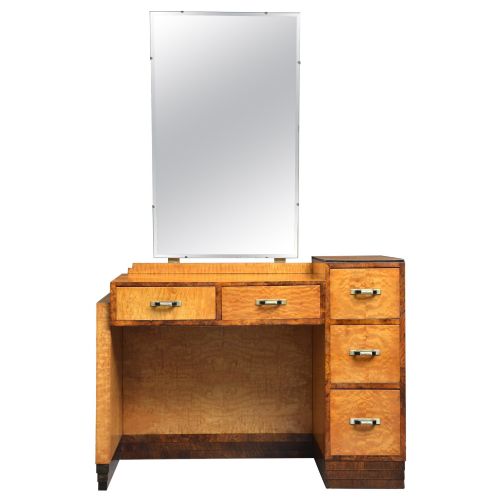
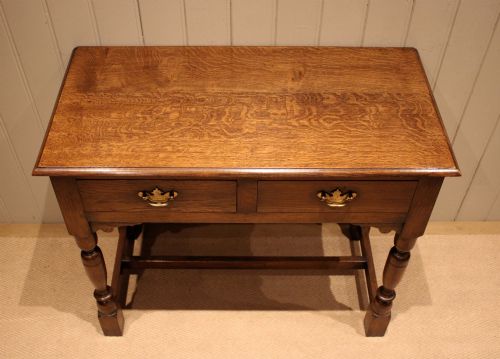
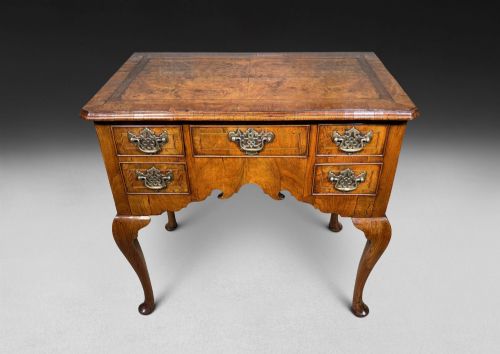
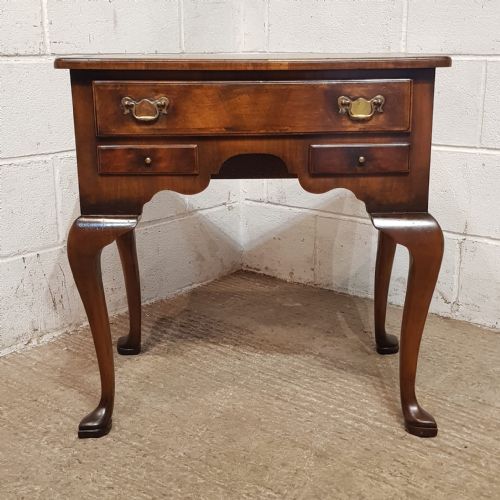
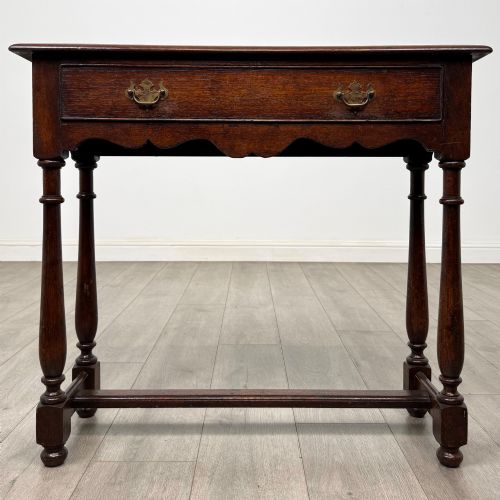
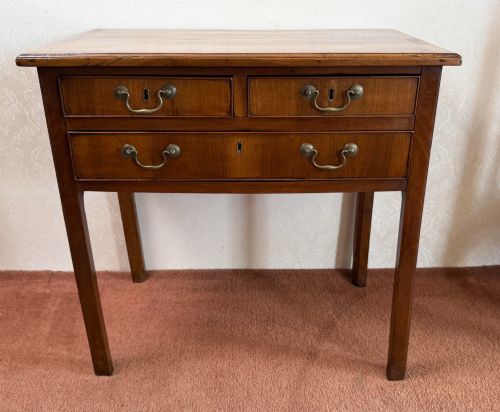
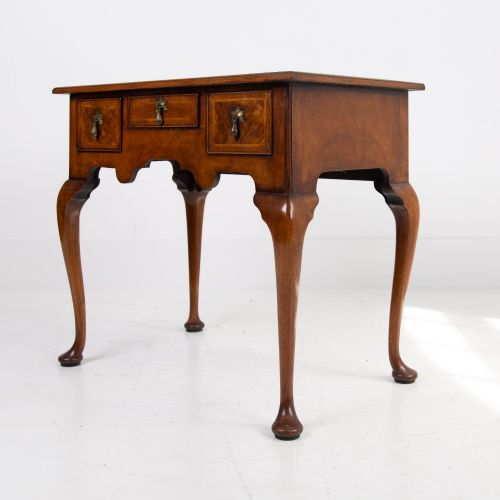
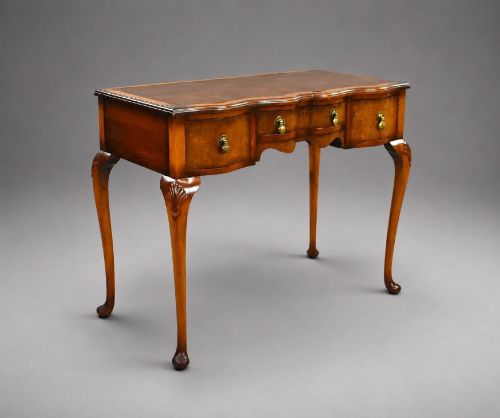
A vintage lowboy functions primarily as a small table with drawers, often utilised as a dressing table, side table, or hall table depending on its form and period. When searching for a vintage lowboy, buyers encounter pieces spanning the eighteenth century through to twentieth-century revivals, reflecting enduring forms in domestic furniture.
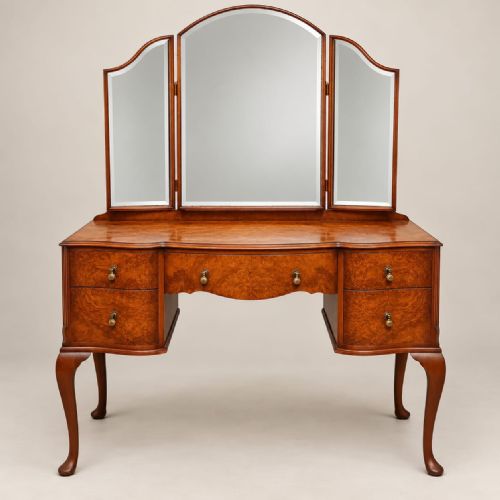
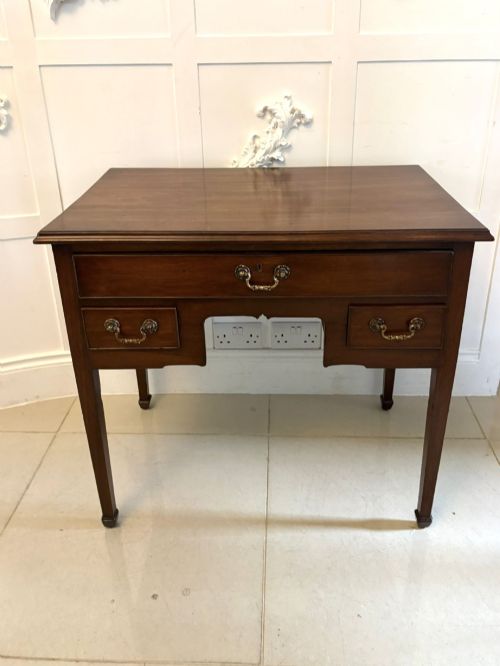
The selection ranges from genuine eighteenth-century walnut and mahogany examples to early twentieth-century revivals executed in burr walnut and oak. These smaller case pieces typically feature varying drawer configurations, supported by cabriole legs or turned supports.
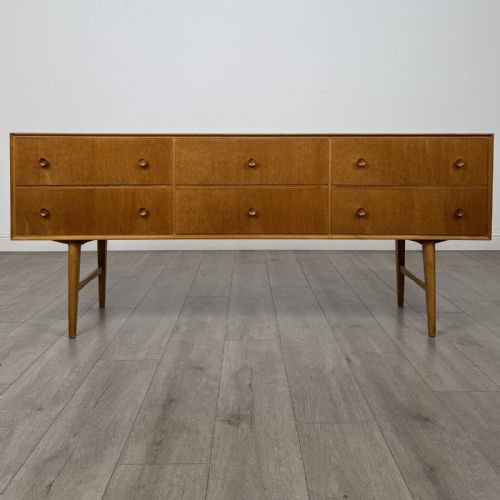
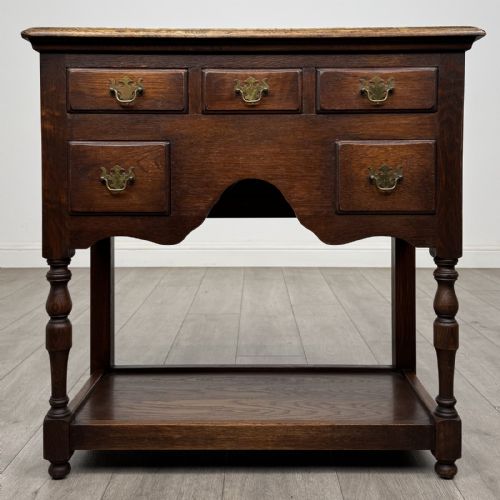
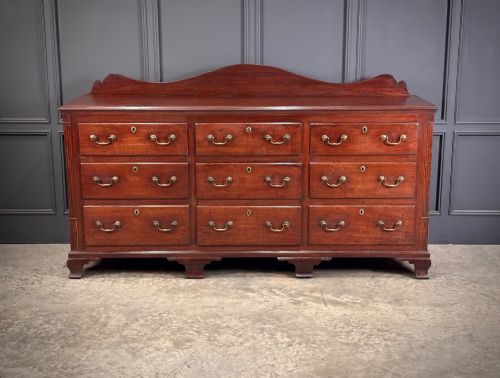
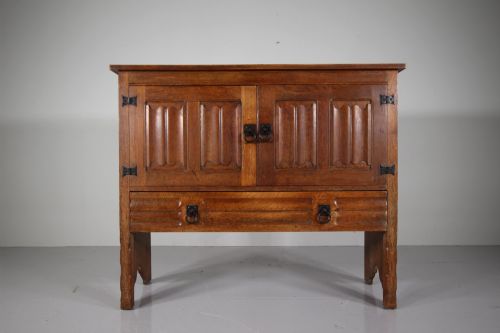
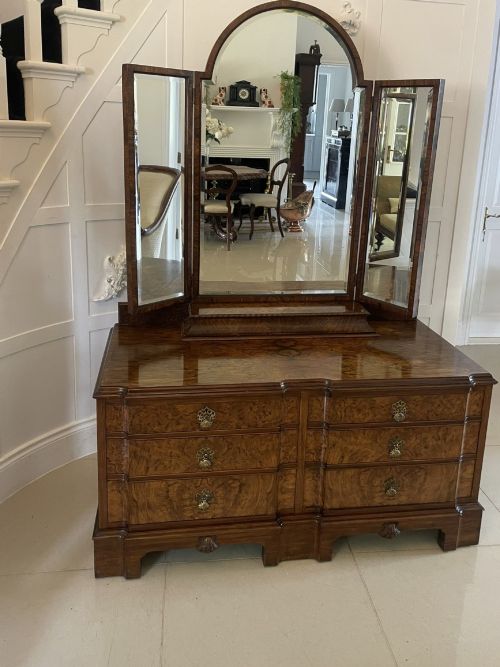
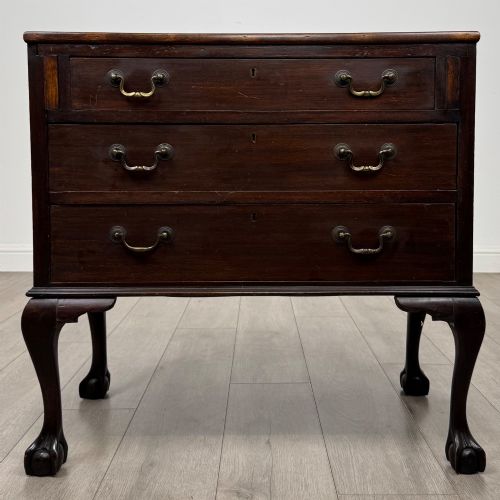
Alongside traditional Georgian and Queen Anne style lowboys, the listings include related forms such as oak side tables, dresser bases, and dressing tables. This variety shows how makers adapted the lowboy proportion across different eras and woods.
How they were made
Makers constructed these tables predominantly in solid oak, mahogany, and walnut, frequently selecting burr walnut veneer for decorative surfaces to highlight rich grain patterns. Drawer construction relies on traditional joinery methods housed within frames supported by timber legs.
Surface details often include brass hardware such as drop handles and backplates, complementing the polished wood. Structural framing combines softwood and hardwood elements depending on the period, with turned legs or cabriole legs shaping the profile.
Several lowboys moonlighted as desks before finding their current calling as hallway companions.
What varies in quality
The distinction between tiers rests upon timber selection, surface figure, and the crispness of proportion. Tables featuring carefully matched burr walnut veneer or finely figured mahogany display a higher grade of craftsmanship than plainer utility pieces.
Execution of legs and foot details, such as cabriole curves or turned supports, dictates the visual balance of the piece. Proportion and structural integrity remain the primary indicators of finer cabinet work across all periods.
Maple's of London
The Vintage Lowboy Glossary
- Lowboy
- A small, kneehole-free dressing table or side table with drawers, typically raised on four tall legs.
- Burr walnut
- Timber featuring swirling, knotted grain patterns prized for decorative veneer on cabinet fronts and table tops.
- Cabriole leg
- A furniture leg that curves outward and then tapers inward, frequently terminating in pad or claw feet.
- Dresser base
- A lower sideboard or console piece featuring drawers and surface top, originating from kitchen and dining environments.
Vintage Lowboy: Frequently Asked Questions
What is a lowboy used for?
A lowboy serves as a compact side table, dressing table, or hall table with integrated drawer storage. Its modest proportions allow it to fit into narrow spaces where larger case furniture cannot go.
Historically, these tables held personal items or writing materials. Today, buyers utilise them in hallways and bedrooms for surface display and concealed storage.
How do I date a lowboy?
Dating relies on timber choice, construction techniques, and stylistic markers such as leg shape and hardware. Eighteenth-century pieces display hand-cut joinery and period timber patination, whereas revivals from the twentieth century often use machine milling.
Revival pieces frequently imitate earlier Queen Anne or Georgian aesthetics using burr walnut veneer. Examining the secondary woods and drawer linings helps clarify the true age of the piece.
Where should I place a lowboy?
These tables suit hallways, living rooms, and bedrooms as accent pieces or functional console surfaces. Their low profile ensures they do not overpower smaller rooms.
Pairing a lowboy with a mirror creates a compact dressing station, while placing one in a hallway provides a drop zone for keys and post.