


Vintage Low Chair
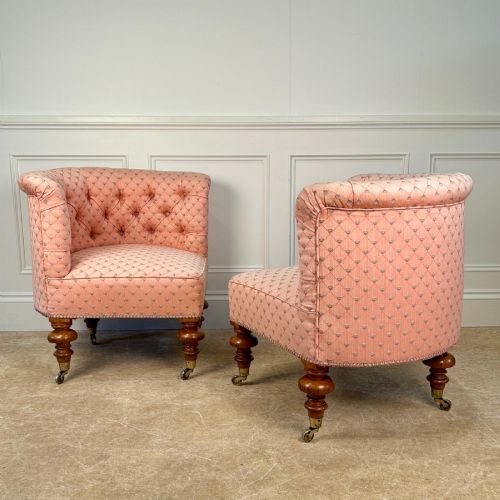
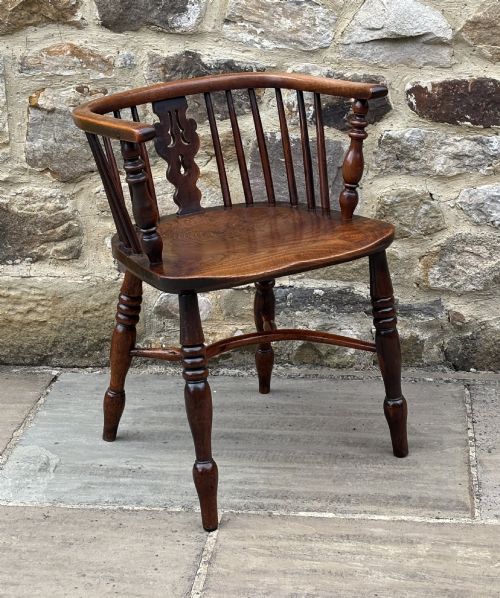
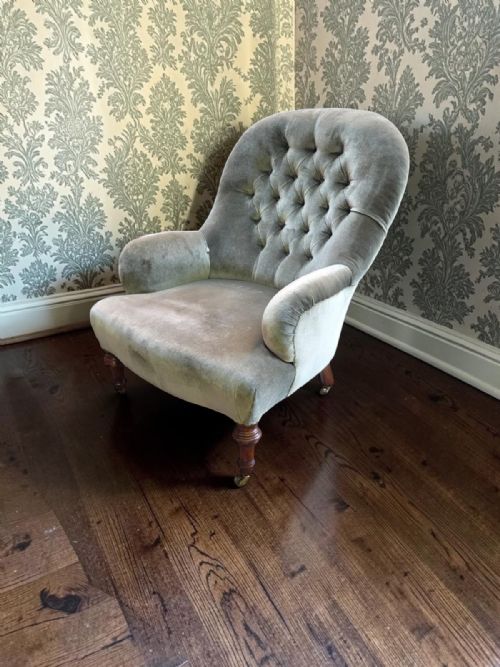
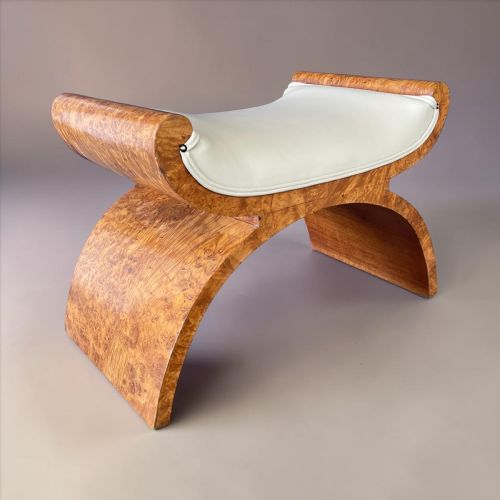
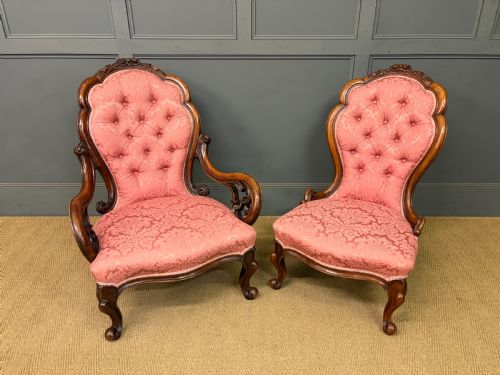
These vintage low chair options span nineteenth century nursing seats, deep tub frames and spindle back Windsor forms.
Vintage Low Chair
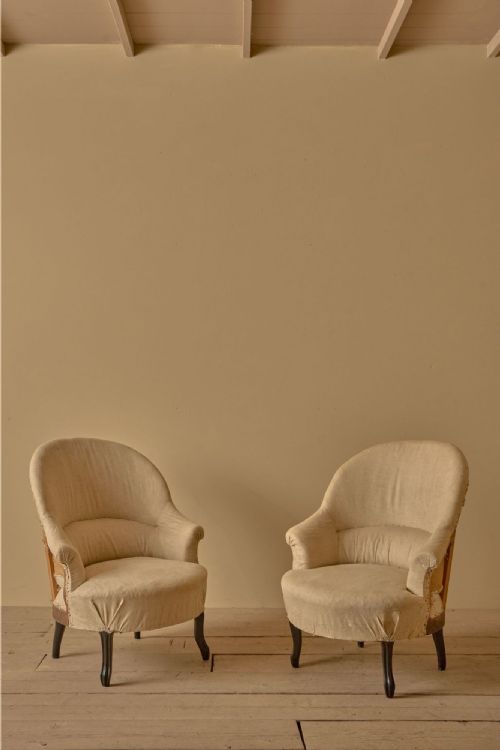
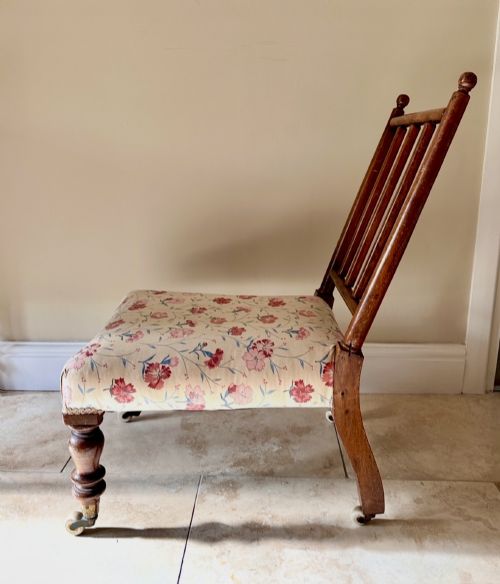
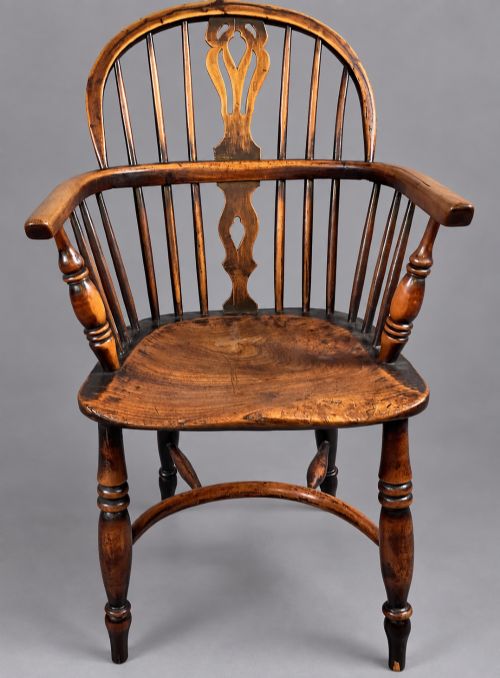
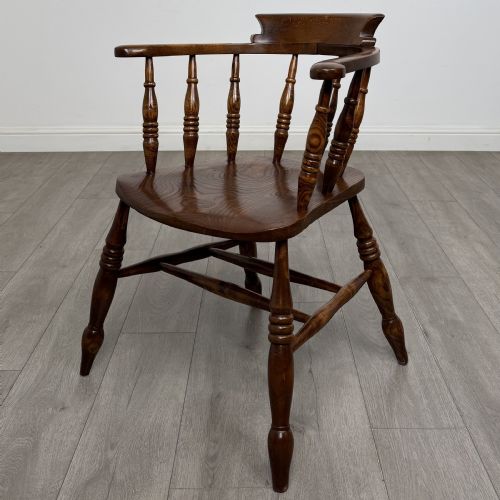
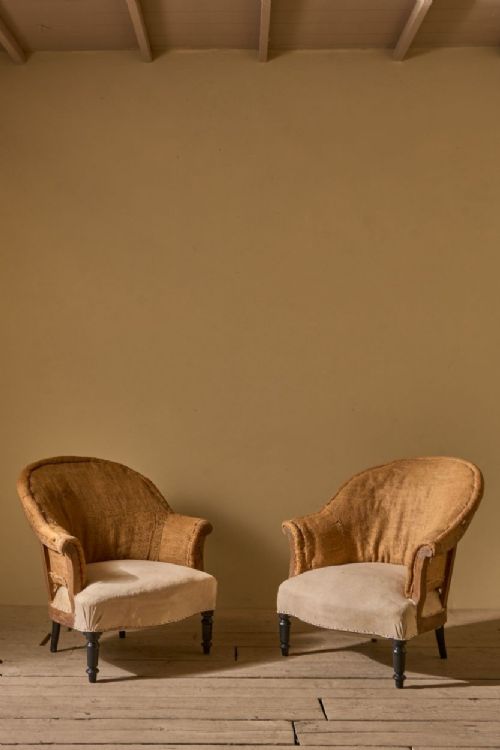
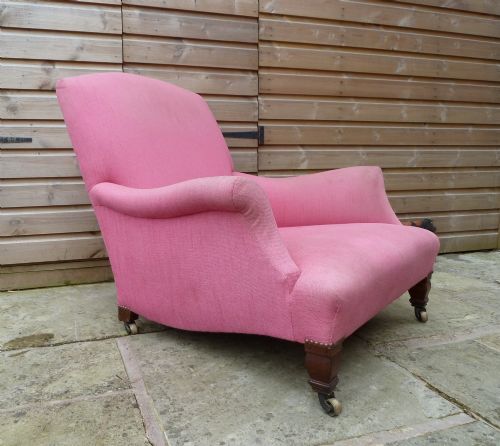
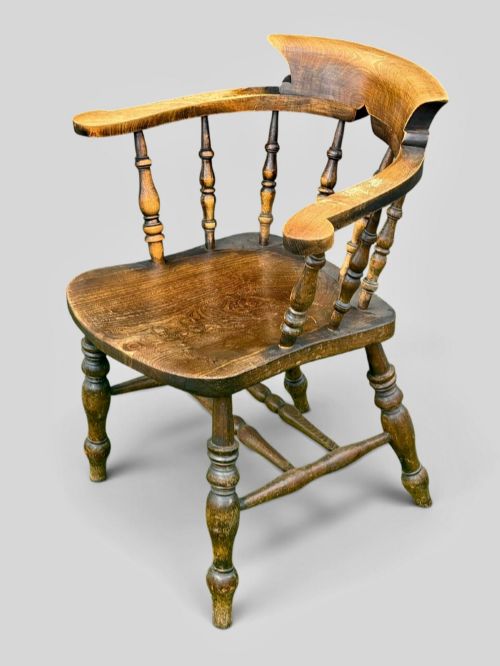
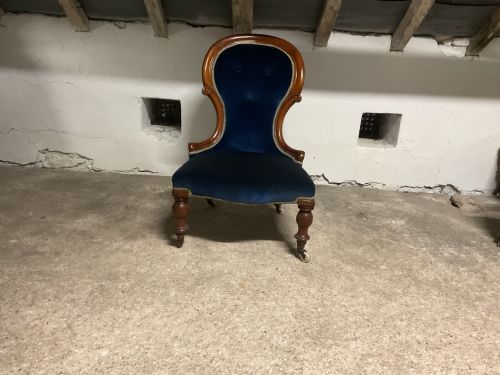
A vintage low chair serves a specific domestic function, designed closer to the floor for dressing, fireside seating or bedroom repose across the Victorian and Edwardian eras. Buyers exploring this category encounter varied forms, from low back Windsor chairs and smoker bows in elm and yew to upholstered French Napoleon III tub chairs and Victorian nursing seats.
The selection on this page centres heavily on nineteenth-century specimens alongside twentieth-century Arts and Crafts, Art Deco and Edwardian examples. Forms range from compact bedroom and slipper chairs to sturdy oak corner chairs and beech captains chairs, reflecting utilitarian and decorative domestic seating of the past.
How they were made
Construction relies upon traditional cabinetmaking woods such as mahogany, walnut, oak, beech, ash, yew and elm, paired with structural elements like brass castors or turned barley twist framing. Windsor and smoker bow variants utilise seasoned timber combinations, often bending ash and elm for spindles and bows while turning solid seats.
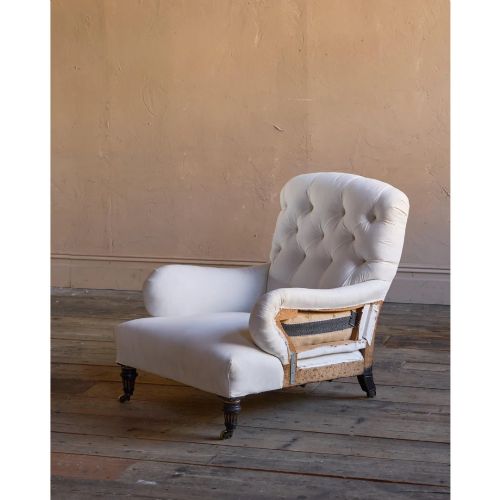
Upholstered forms depend upon traditional stuffing methods, employing hessian, calico, velvet, leather and needlepoint over buttoned or scrolled backs. Frames often show French influence, particularly in walnut salon and tub models designed for subsequent covering.
Listings feature periods spanning the Victorian and Edwardian eras alongside nineteenth-century French Napoleon III designs.
What varies in quality
Quality reveals itself through the integrity of the timber frame, the crispness of carved walnut or mahogany details, and the fidelity of traditional joinery in Windsor and captain chairs. Finer examples retain balanced proportions, sound foundational webbing and original turnings without undue replacement parts.
The distinction between standard commercial seating and superior pieces rests on the weight of the timber, the selection of figured veneers or dense yew, and the subtlety of aesthetic movement or period styling.
Harry and Lou Epstein·Liberty Morris And Co·Gabbitass Worksop
The Vintage Low Chair Glossary
- Slipper chair
- A low-seated upholstered chair traditionally used in bedrooms for changing shoes or dressing. These seats sit close to the floor and often feature buttoned backs or fringe trim.
- Windsor chair
- A wooden chair constructed with seating made from a thick sculpted plank into which legs and a back of slender turned spindles are fastened. Regional variations often utilise yew, elm and ash.
- Smoker's bow
- A sturdy low-backed Windsor armchair with a continuous curved arm rail resting on short spindles, commonly found in nineteenth-century English pubs and households.
- Napoleon III
- A nineteenth-century French eclectic style marked by deep-buttoned upholstery, tub shapes and rich walnut frames. These pieces frequently appear ready for bespoke textile covering.
- Nursing chair
- A low upholstered chair designed in the Victorian period to allow women to nurse infants comfortably without obstruction from high wooden arms.
- Barley twist
- A decorative turning technique resembling a spiralling rope, frequently utilised on the wooden legs and supports of mid-Victorian furniture.
Vintage Low Chair: Frequently Asked Questions
What is a vintage low chair used for?
These seats were originally designed for specific domestic tasks such as dressing in bedrooms, sitting comfortably by a fireplace or nursing children.
Today, buyers place them in living rooms, dressing areas and hallways where a compact, low profile fits comfortably beneath windows or beside larger sofas.
How do I tell a nursing chair from a slipper chair?
Nursing chairs are typically fully upholstered with low seats designed for Victorian dress customs, often featuring button backs or carved walnut frames.
Slipper chairs share the low profile but frequently lack arms entirely, specifically built for ease of changing footwear in private chambers.
What woods were used in these chairs?
Cabinetmakers utilised native hardwoods including mahogany, walnut, oak, beech, ash and elm, alongside figured yew in Windsor iterations.
Softer woods like beech often served for structural framing beneath upholstery, while richly grained walnut and mahogany were left exposed on carved show frames.
Are these chairs comfortable for modern daily use?
Many upholstered versions provide deep, supportive seating thanks to traditional sprung bases and padded backs, though low seat heights suit some sitters better than others.
Wooden Windsor and smoker bow variants offer firm upright posture, making them reliable choices for occasional seating or desks.