

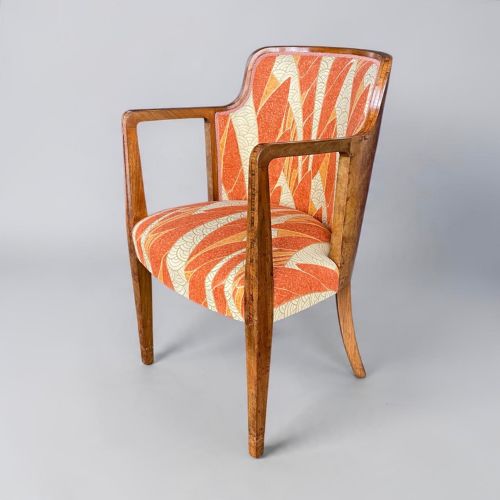
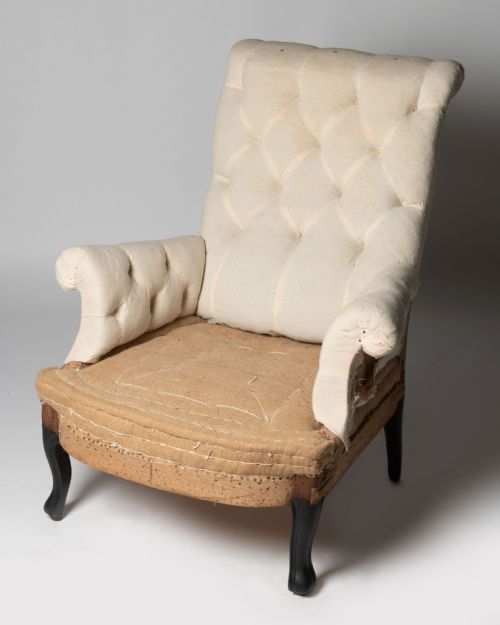
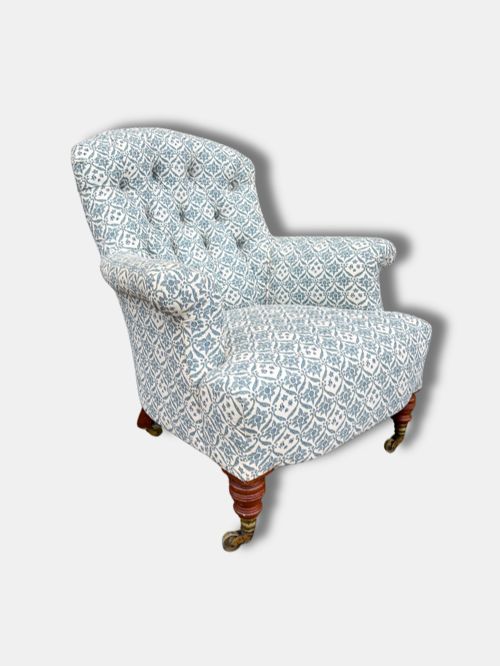
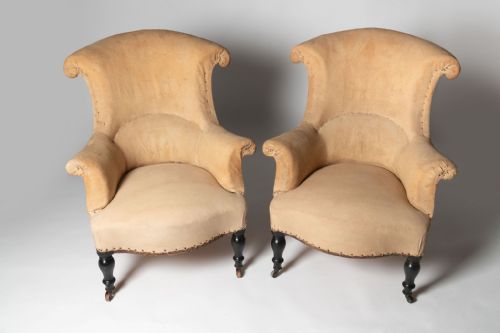
Vintage Lounge Seat
A vintage lounge seat provides deep, comfortable proportions for relaxing, bringing historic character and enduring seating styles to a room.
Vintage Lounge Seat
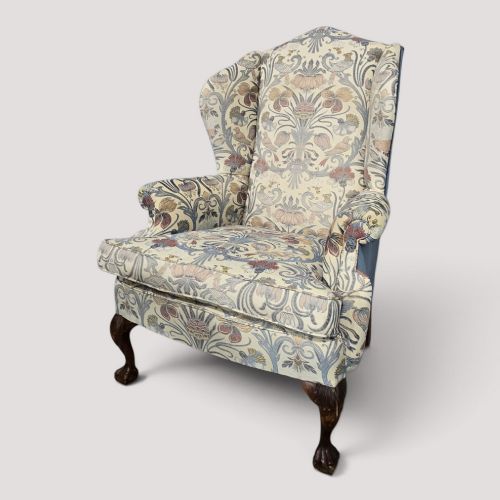
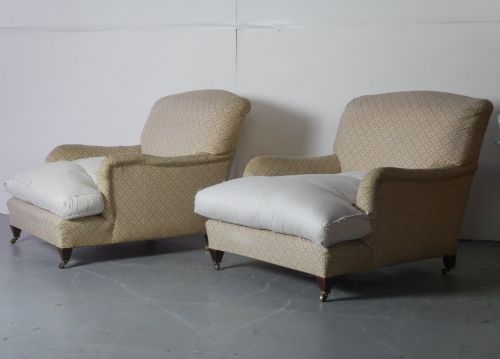
A vintage lounge seat encompasses a wide variety of historic seating forms designed primarily for comfort and relaxation. When searching for a vintage lounge seat, buyers encounter diverse seating types ranging from low club chairs and armchairs to daybeds and settees.
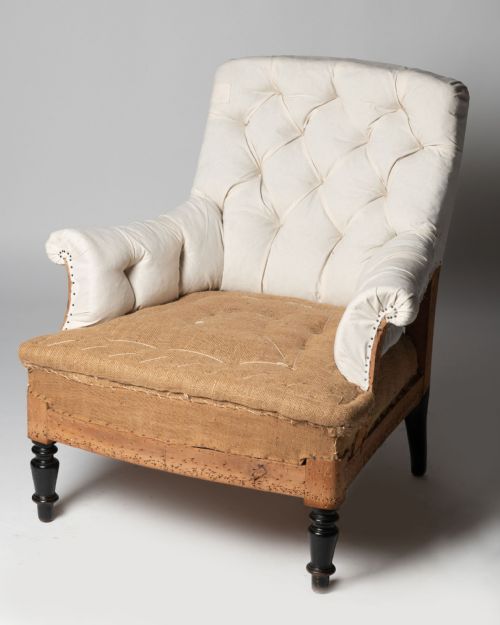
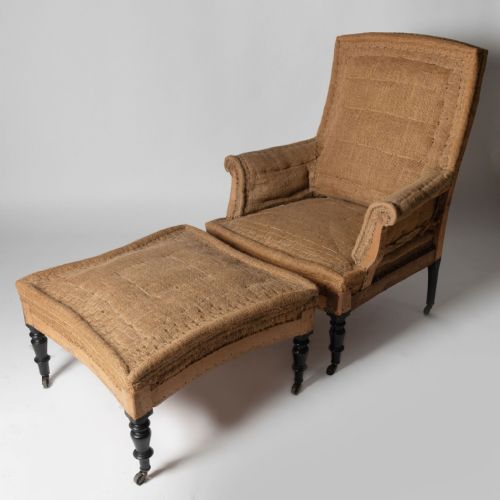
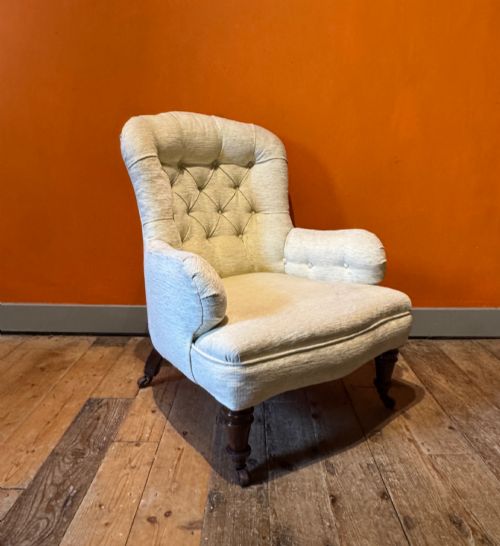
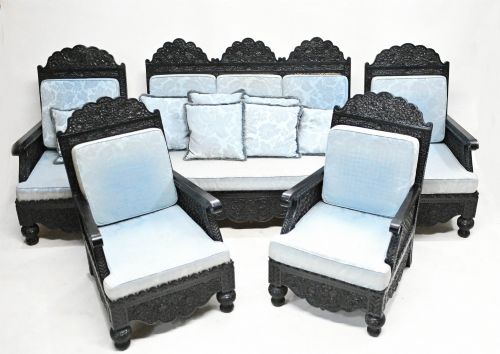
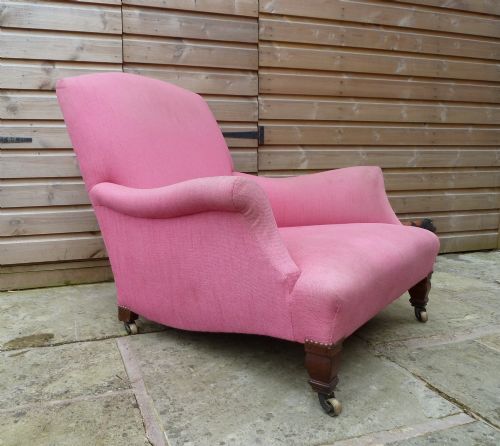
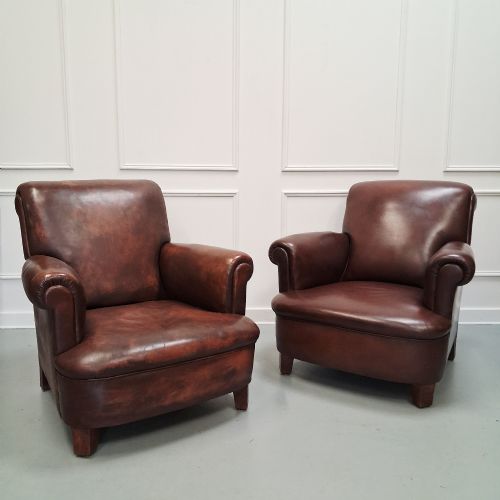
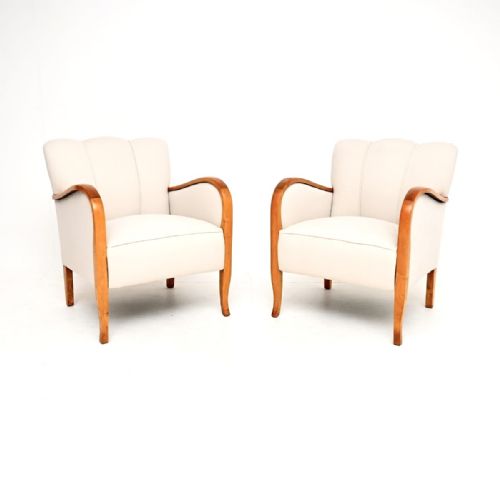
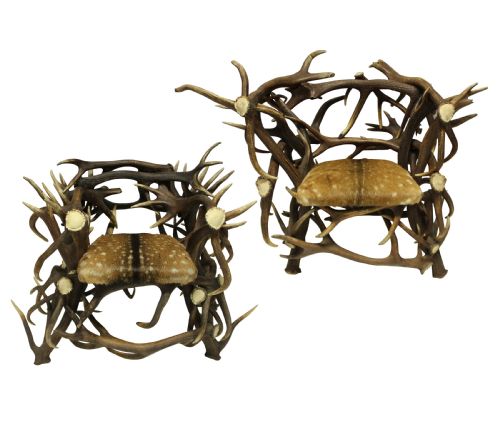
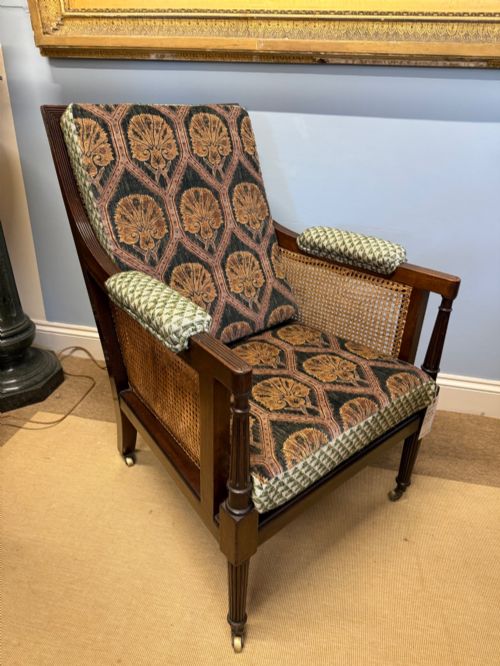
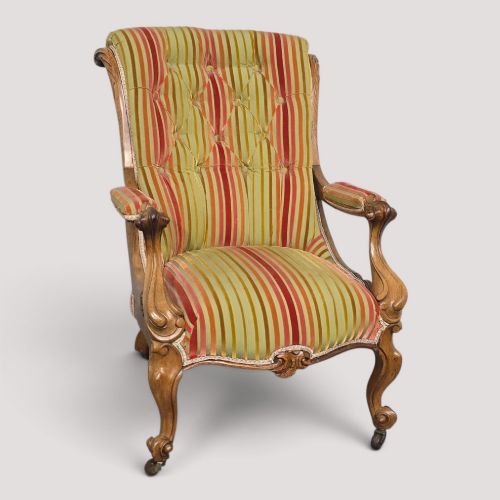
The selections span multiple eras, with strong representation from the Victorian period, Edwardian years, and the 1930s. Common forms on this page include button-back armchairs, bergere chairs with cane panels, leather club chairs, and matching seating suites originating from Britain, France, Sweden, and India.
These pieces function well in modern interiors by combining sturdy historical frames with deep seating profiles. Whether upholstered in fabric, velvet, or leather, each piece offers a distinct historic silhouette tailored for domestic comfort.
How they were made
Makers constructed the frames of these seats using solid timbers such as mahogany, walnut, oak, satin birch, padauk wood, and rosewood. These durable hardwoods provided the structural integrity required to support deep upholstery and heavy daily use.
Upholstery techniques varied by period, utilising traditional stuffing materials alongside brass details, split cane panels, and hand-stitched leather. Button-back padding and sprung seats gave these chairs their characteristic resilience and shape.
Vintage Lounge Seat Retail Price Guide 2026
Typical asking prices for vintage lounge seat among the pieces listed under this phrase on Sellingantiques today, from the lower quarter to the upper quarter. They describe what is for sale here now, not the wider market.
Listings feature seating forms from the eighteenth, nineteenth, and twentieth centuries, including Victorian, Edwardian, and Art Deco styles.
What varies in quality
The grade of timber and the precision of the frame joinery dictate the foundational quality of each piece. Finer examples utilise dense hardwoods with crisp, hand-carved details rather than softer woods or plain construction.
The standard of upholstery work and the choice of covering materials heavily influence the overall finish. High-end pieces feature careful hand-tack work, supportive internal springing, and premium leather or woven textiles that age gracefully.
Howard and Sons·Maurice Adams·Whytock and Reid·Hille
The Vintage Lounge Seat Glossary
- Bergere
- An enclosed armchair with cane or wicker side panels and a wooden frame. These chairs typically include loose seat cushions for added comfort.
- Club chair
- A deep, comfortable armchair upholstered in leather, originating in France and Britain during the early twentieth century. These chairs feature low backs and generous armrests.
- Button-back
- An upholstery style where buttons are pulled deep into the padding to create a diamond pattern. This technique secures the stuffing and provides firm back support.
- Daybed
- A long seating unit combining the functions of a chair and a bed for daytime resting. Examples appear in iron and wood across various nineteenth and twentieth-century styles.
- Settee
- A medium-sized upholstered seat with a back and armrests designed for two or more people. These pieces match the design language of accompanying armchairs in larger suites.
Vintage Lounge Seat: Frequently Asked Questions
What defines a club chair?
A club chair is a deep, low-slung armchair traditionally upholstered in leather. It prioritises relaxed seating and substantial armrests.
These chairs gained popularity for their comfort in studies and living rooms during the early twentieth century.
Where should I place a daybed?
A daybed works well in studies, sunrooms, or large bedrooms where casual resting space is needed. Its open profile prevents it from overwhelming smaller room layouts.
Position it against a wall or beneath a window to maintain clear pathways in the room.
How do I care for antique leather upholstery?
Antique leather requires regular dusting with a soft cloth and occasional treatment with appropriate conditioning balms. This prevents the hide from drying and cracking over time.
Keep leather furniture away from direct sunlight and heat sources to preserve its natural colour and suppleness.