
Vintage Log Bucket
A vintage log bucket sits beside the hearth to hold fuel, bringing functional metalwork and coopered timber into the living room.
Vintage Log Bucket
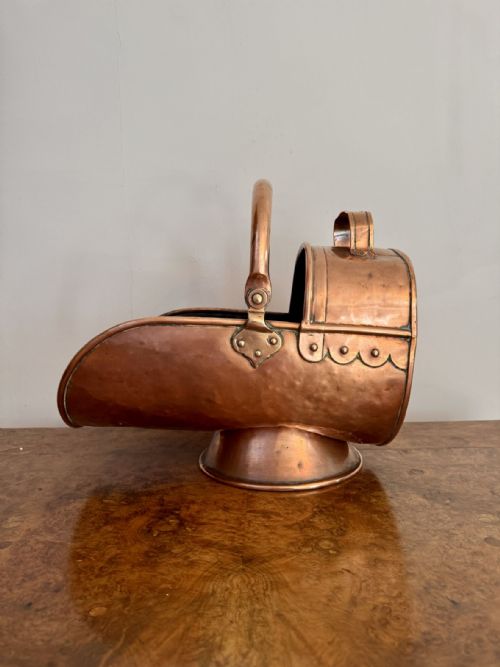
A vintage log bucket gathers hearth accessories and coal scuttles under one heading, serving the practical purpose of storing firewood near the fireplace. These vessels range from heavy metal containers to coopered wooden boxes spanning the Georgian, Victorian and Edwardian eras.
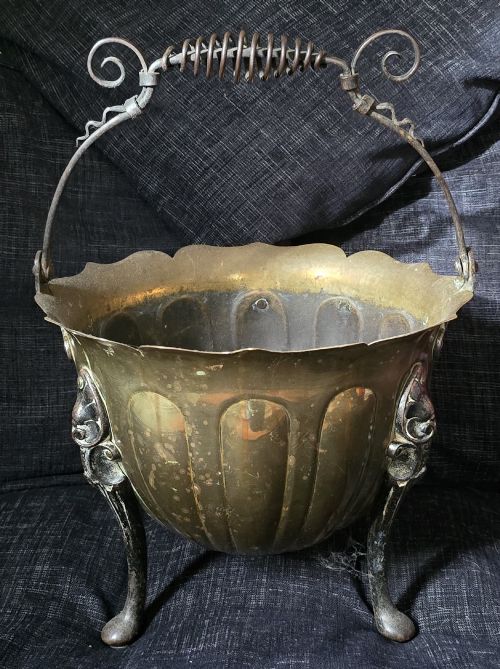
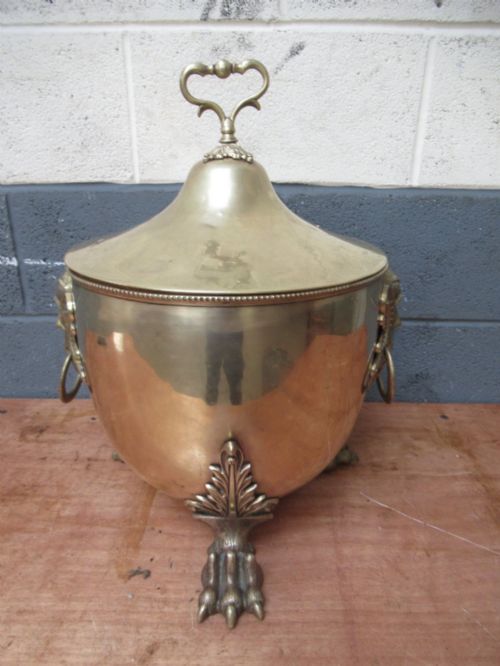
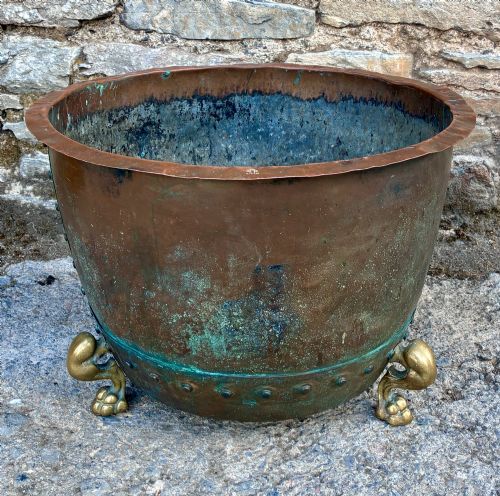
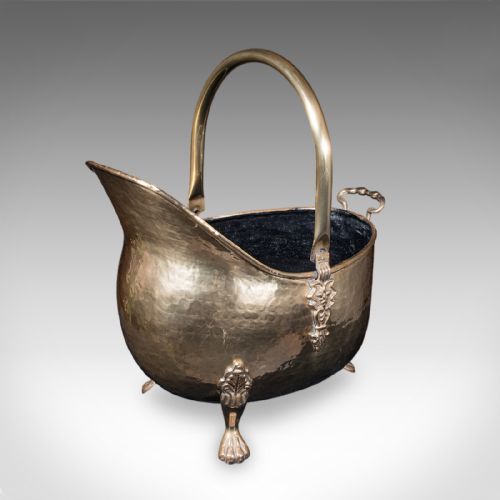
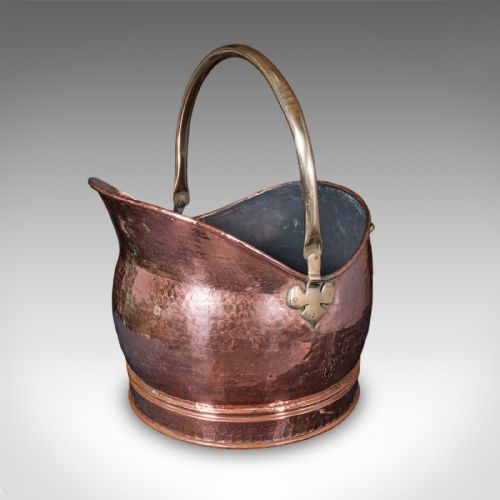
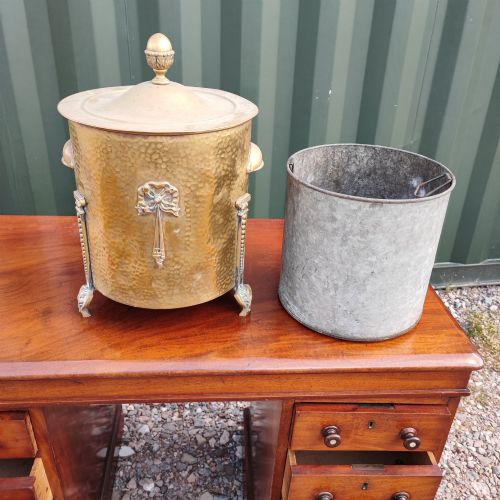
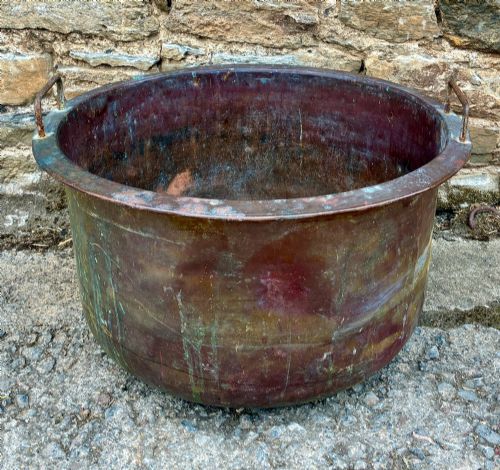
The most common examples met here are constructed from brass or copper, often dating from the nineteenth century. Many pieces dual-functioned historically as planters, jardiniere vessels or wash tubs before finding new life by the hearth.
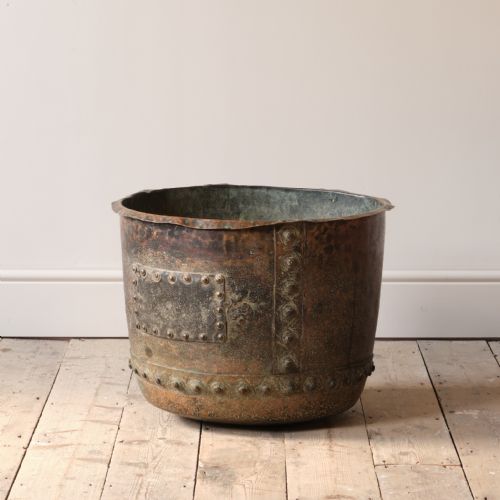
The material vocabulary stretches from riveted sheet metal to solid oak timber bound with iron or brass. Whether handling a Georgian leather fire bucket or a heavy Victorian copper bin, each specimen reflects domestic utilitarian needs of its period.
How they were made
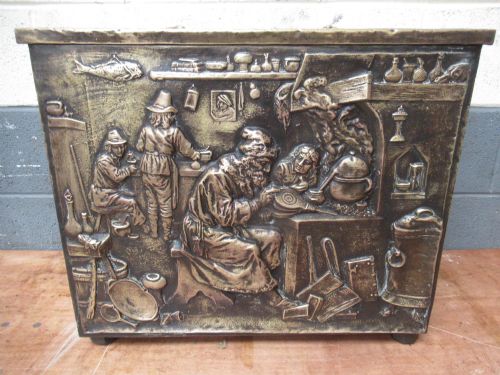
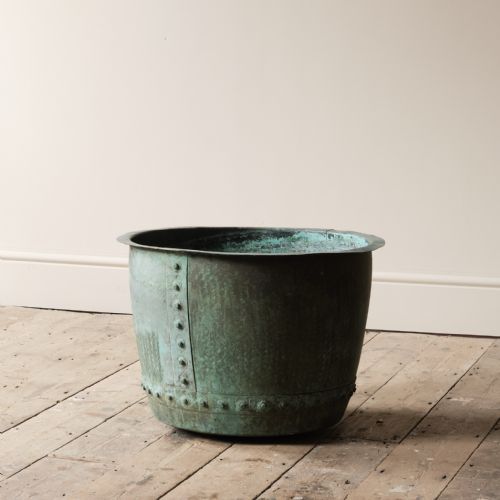
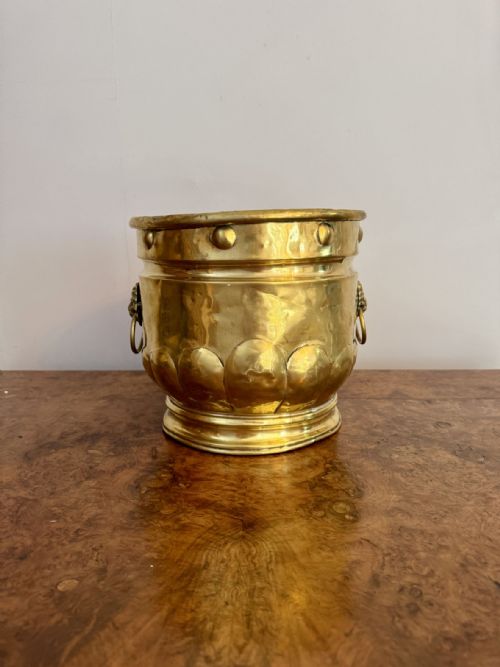
Metal vessels rely on hand-beaten sheet copper and brass joined by visible rivets, paired with wrought iron handles for lifting heavy loads of fuel. Workshops shaped these metals through hammering, sometimes adding embossed patterns or cast brass crests.
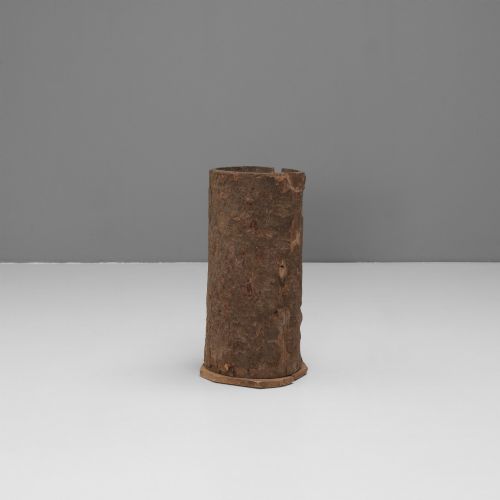
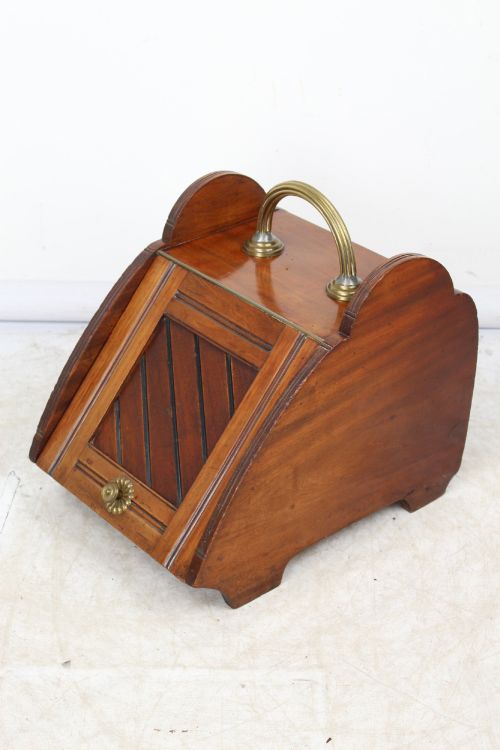
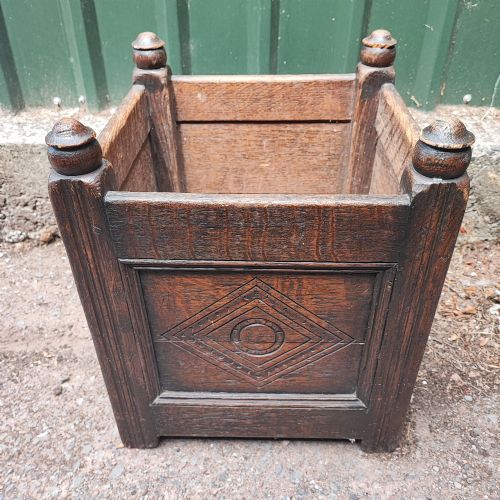
Wooden buckets utilise traditional cooperage techniques, building walls from staves of solid oak or mahogany bound together by tight metal bands. These timber barrels and boxes often feature interior liners to protect the wood from damp bark and ash.
Listings feature oak, mahogany, copper, brass, and wrought iron across Georgian, Victorian, and Edwardian periods.
What varies in quality
The integrity of construction separates standard utility vessels from finer examples, particularly in the weight of the metal gauge and the precision of the coopered joints. Heavy-gauge copper and solid oak retain their structural rigidity through decades of heavy timber loads.
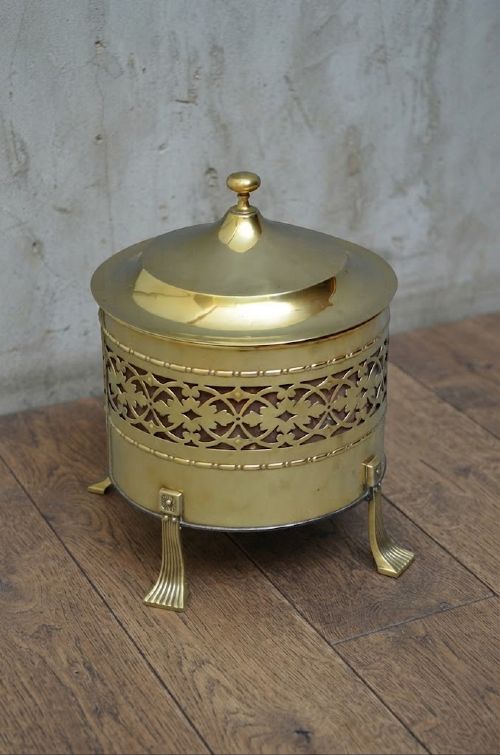
Design detail and decorative finishing elevate certain pieces, such as crisp fretwork, hand-hammered surfaces or well-executed Arts and Crafts brasswork. Original mounts, handles and intact liners preserve the authenticity of the object.
The Vintage Log Bucket Glossary
- Coopered
- Constructed from wooden staves bound together with metal hoops, typical of traditional bucket and barrel making. This technique ensures the vessel holds together under weight and changes in temperature.
- Jardiniere
- An ornamental pot or stand designed to hold plants or flowers. Many of these large metal vessels served this secondary domestic role.
- Scuttle
- A metal bucket or coal hod designed for carrying fuel to a fire, usually featuring a pivoted handle and a tipped lip for pouring. They form a core part of traditional fireside metalwork.
- Riveted
- Fastened with metal bolts or pins hammered flat at the ends. This method provides robust structural joints in heavy copper and iron vessels.
- Arts and Crafts
- A design movement valuing handcraftsmanship and simple forms over mass production. Pieces from this style often display honest construction and hammered metal textures.
Vintage Log Bucket: Frequently Asked Questions
Can I use a vintage log bucket for actual firewood?
These robust metal and timber vessels were built precisely for holding fuel beside the hearth. Their solid construction easily bears the weight of logs.
For wooden buckets, check that an interior liner remains intact to catch debris and protect the timber from moisture.
How do I clean a brass or copper log bucket?
A gentle wipe with a soft cloth removes everyday dust and preserves the darkened patina accumulated over decades. Avoid harsh chemical polishes that strip away the aged surface character.
Leaving the natural warmth of the metal untouched maintains the historic appearance expected in period fireside accessories.
Were these buckets originally meant for coal?
Many examples began their domestic lives as coal scuttles or fire buckets before transitioning to log storage. Their generous proportions accommodate various types of solid fuel.
Over time, changing heating methods led many of these containers to find secondary uses as planters and storage bins.
How do I date a copper log bucket?
Dating relies on observing manufacturing techniques, such as hand-riveting methods, handle attachments and the style of any decorative embossing. Georgian and Victorian pieces often show heavier gauge metal and hand-beaten textures.
Later Edwardian and twentieth-century variations frequently introduce machine-rolled edges or distinct Arts and Crafts motifs.