





Vintage Liquor Flask
These vintage liquor flask pieces combine pocket-sized silver and glass craftsmanship with practical spirit storage for the discerning collector.
Vintage Liquor Flask
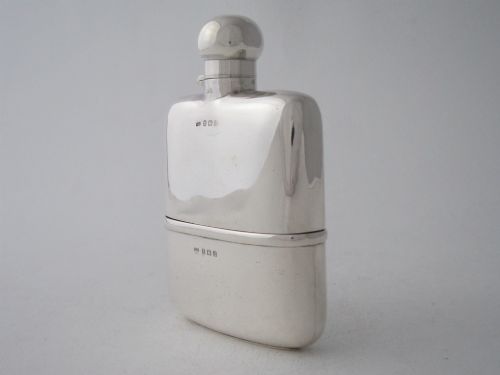
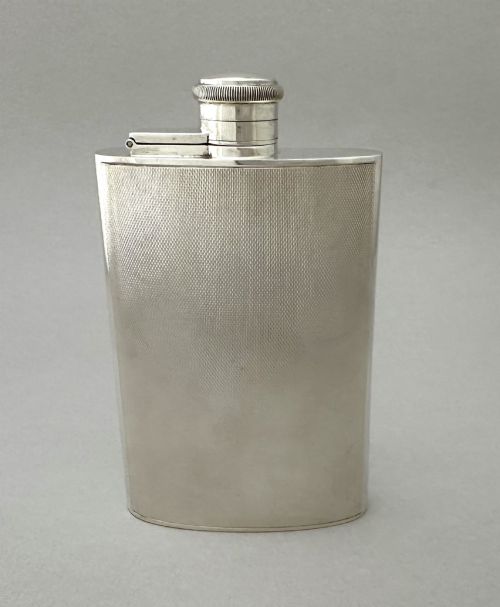
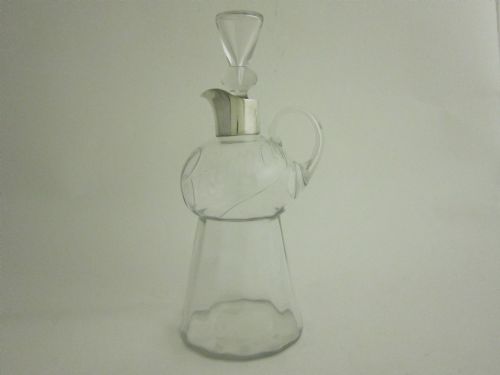
A vintage liquor flask encompasses portable hip flasks and spirit bottles designed for carrying or serving alcohol from the Victorian, Edwardian, and Art Deco periods.
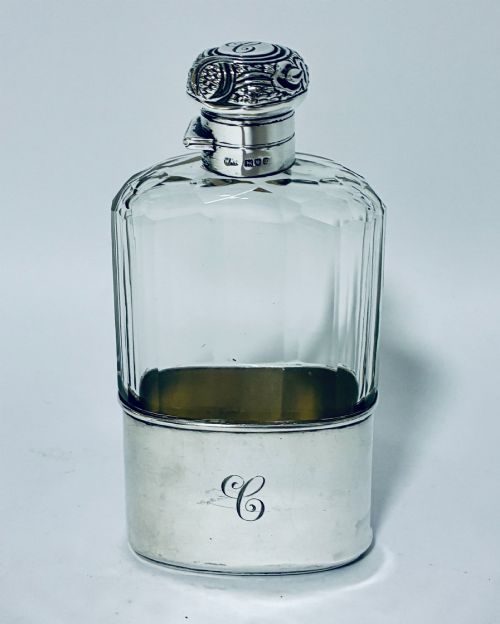
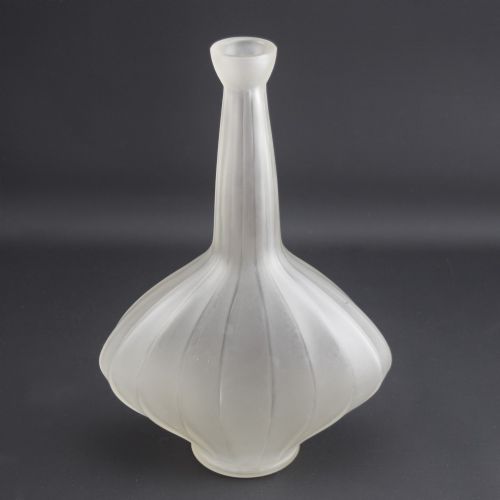
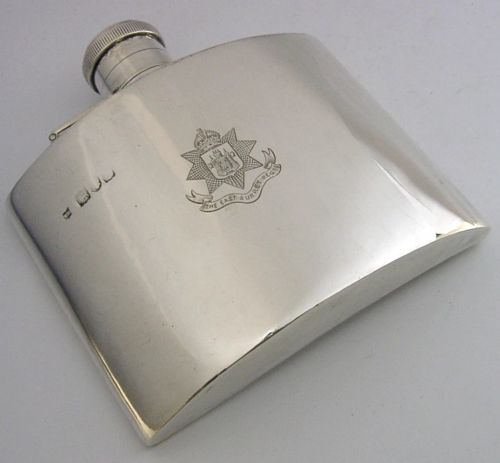
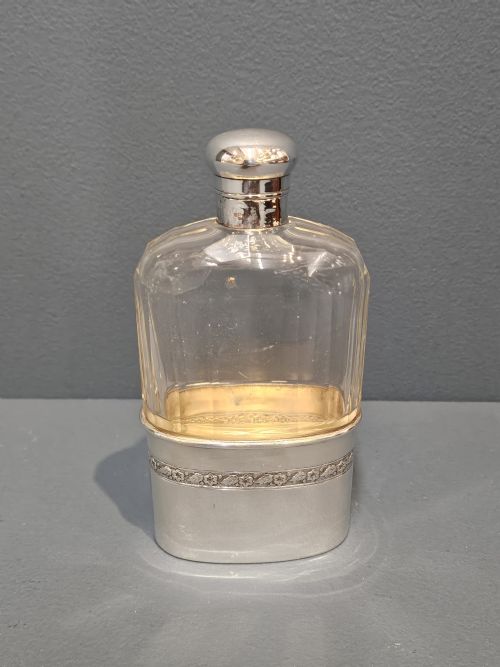
The selections on this page feature solid sterling silver, silver plate, and clear or frosted glass bodies, frequently paired with removable drinking cups.
Hip flasks and decanters dominate the forms, originating from English workshops and makers during the late nineteenth and early twentieth centuries.
How they were made
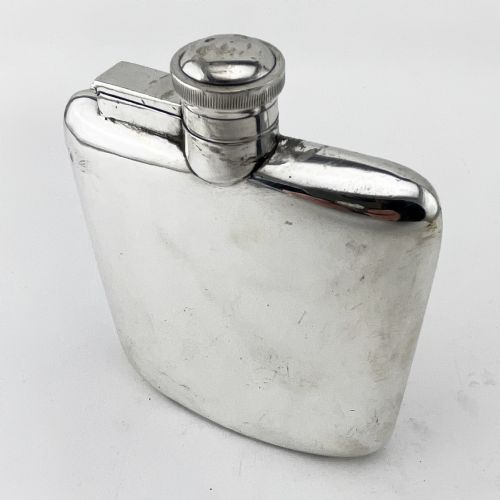
Silversmiths shaped sterling silver and silver plate into curved pocket forms, incorporating secure bayonet caps and flip tops to prevent spirit leakage.
Glassmakers produced clear, cranberry, and frosted glass bottles, sometimes encased in leather, crocodile skin, or fitted silver mesh jackets.
Vintage Liquor Flask Retail Price Guide 2026
Typical asking prices for vintage liquor flask among the pieces listed under this phrase on Sellingantiques today, from the lower quarter to the upper quarter. They describe what is for sale here now, not the wider market.
Listings span from the 18th century through the 1940s, utilising sterling silver, leather, and frosted glass.
What varies in quality
The weight of the solid silver and the crispness of the hallmarks separate standard production items from finer silversmith output.
The integration of secondary materials, such as genuine crocodile leather casing or matched removable silver cups, elevates the refinement of the piece.
JB Chatterley & Sons·James Dixon & Sons·Rene Lalique
The Vintage Liquor Flask Glossary
- Bayonet cap
- A secure bottle closure requiring a push and twist motion to seal the contents tightly. This mechanism prevents leaks during transport in a pocket.
- Sterling silver
- An alloy consisting of pure silver and other metals to increase durability for daily use. Silversmiths stamp these pieces with official hallmarking symbols.
- Removable cup
- A lower silver or plated section that slides off the bottom of a hip flask to serve as a drinking vessel. It fits flush against the glass or metal body.
- Mary Gregory glass
- Glassware decorated with white enamel silhouettes depicting children in pastoral scenes. This technique appears on specific turn-of-the-century spirit bottles.
- Silver plate
- A base metal coated with a thin layer of silver through electroplating. This method provided a bright finish at a lower cost than solid silver.
Vintage Liquor Flask: Frequently Asked Questions
How do I clean a silver hip flask?
Rinse the interior thoroughly with warm water and neutral soap to remove residual spirits without damaging the lining. Polish the exterior silver gently with a specialised cloth to preserve the original hallmarks.
Avoid harsh chemical dips that strip the natural patina accumulated over decades of handling. Store the flask dry with the cap slightly open to maintain internal freshness.
Were these flasks meant for daily carry?
Victorian and Edwardian hip flasks were engineered for hunting, travel, and outdoor pursuits where portable spirits were customary. Their curved profiles allowed them to slip easily into breast pockets or riding coats.
Heavier decanters and giant spirit flasks remained stationary on sideboards or within fitted wooden transport boxes.
How can I date an unmarked flask?
Examine the overall design style, such as the geometric lines typical of 1930s Art Deco or the ornate engraving characteristic of the Victorian era. The presence of screw caps, bayonet closures, or removable cups often points to specific manufacturing decades.
Matching the glass tint and leather wrap styles to known production periods helps narrow down the origin further.
Can I still drink from these flasks?
Most antique flasks remain functional, provided the internal soldering and cap seals are intact and clean. Inspect the interior for any residue or degradation of the lining before adding fresh spirits.
Silver and glass are generally safe for brief storage, though very old pieces are frequently acquired primarily for display.