





Vintage Lion Statues
These vintage lion statues bring a commanding presence to a room or garden, spanning heavy stone guardians and detailed bronze casts.
Vintage Lion Statues
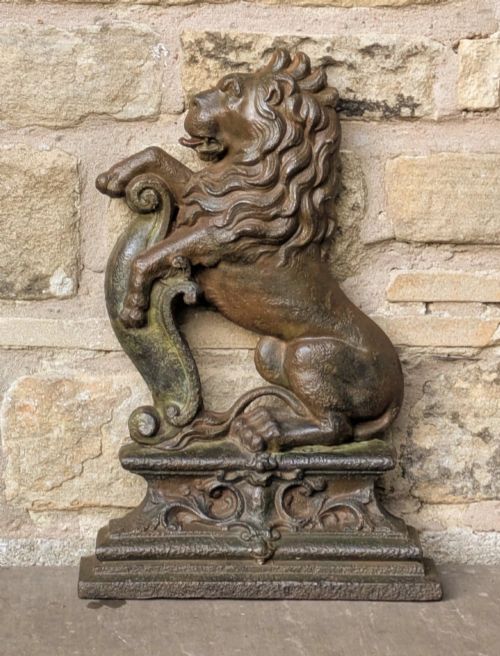
Vintage lion statues encompass a diverse group of sculptures, garden ornaments, and decorative figures spanning the nineteenth and twentieth centuries. Buyers searching this phrase meet everything from grand Italian marble garden figures to small ceramic bookends and cabinet bronzes.
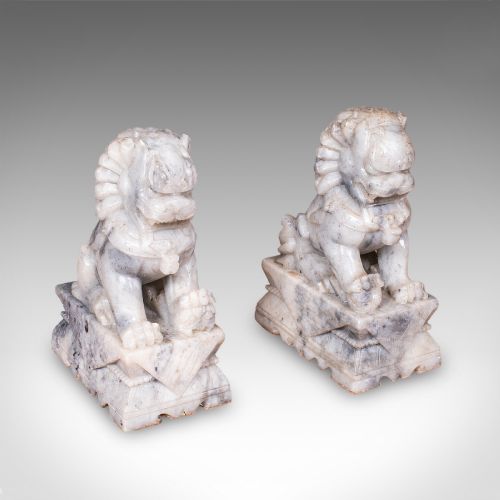
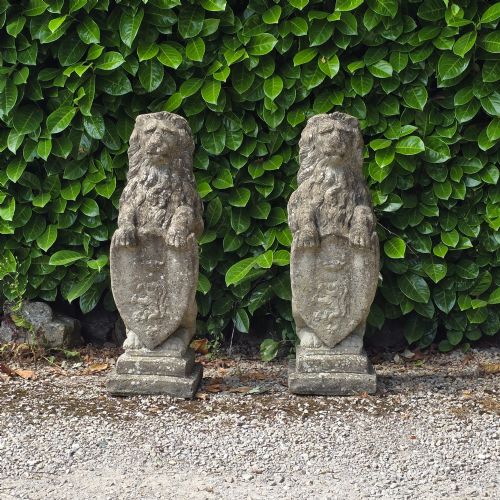
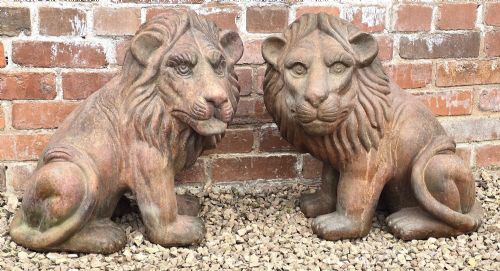
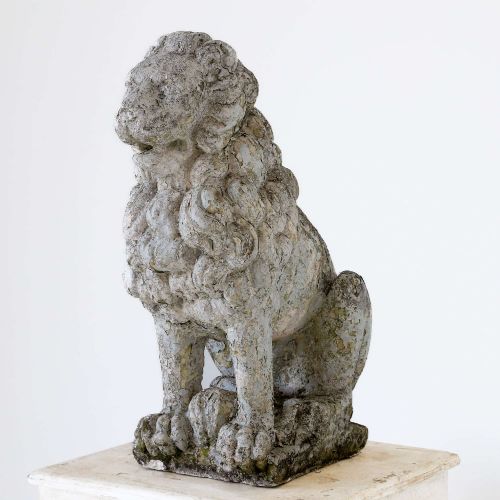
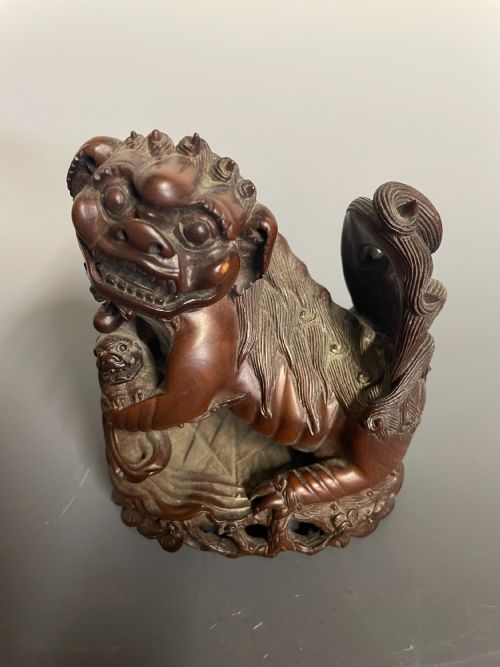
The selection frequently includes paired architectural sentinels such as Medici lions, Foo dogs, and temple guardians modelled in reconstituted stone, terracotta, or cast metal. Smaller tabletop bronzes and carved wooden animalier studies also appear regularly across these listings.
Materials and casting methods
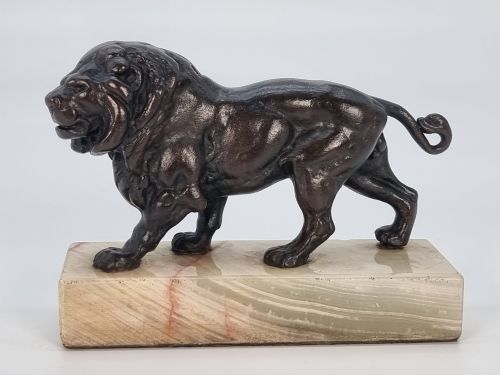
The physical weight of these pieces relies on traditional casting and carving mediums, notably Italian marble, terracotta, reconstituted stone, and heavy metals. Bronze figures often utilise the lost-wax method before receiving cold-painted finishes or dark patination.
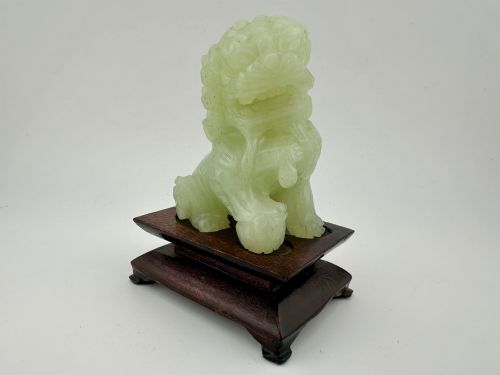
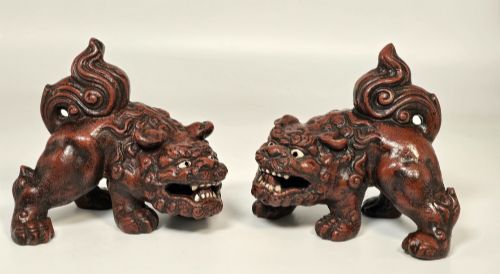
Ceramic and pottery examples employ earthenware bodies covered in rich glazes or hand-applied paint, while Asian works frequently feature carved jade, boxwood, or porcelain. Stone variants combine aggregate mixes with binders to withstand exterior weathering over decades.
Vintage Lion Statues Retail Price Guide 2026
Typical asking prices for vintage lion statues among the pieces listed under this phrase on Sellingantiques today, from the lower quarter to the upper quarter. They describe what is for sale here now, not the wider market.
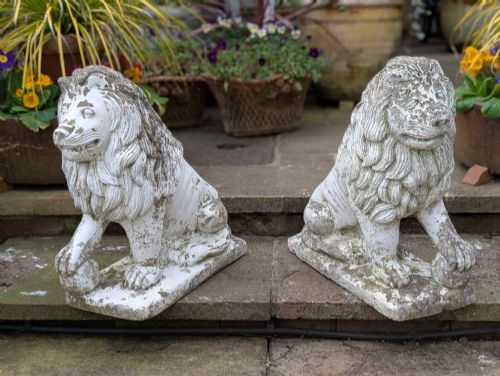
Several stone lions retain their original coats of old paint, proving that even fierce guardians occasionally endured home makeover trends.
Assessing sculptural quality
Material integrity heavily dictates worth, distinguishing hand-carved stone and patinated foundry bronze from mass-moulded composite substitutes. Original surface treatments, such as period paint or genuine weathering, separate untouched examples from later repainted pieces.
Eugene Emile Borga·Lancaster and Sons of Hanley·Mario Bucellati
The Vintage Lion Statues Glossary
- Animalier
- A nineteenth-century artistic movement dedicated to the realistic portrayal of animals. Sculptors in this tradition studied anatomy closely to capture creatures in natural movement.
- Foo Dog
- A traditional Chinese guardian lion, typically depicted in pairs outside temples and palaces. These mythical protectors symbolise prosperity and ward off malevolent spirits.
- Medici Lion
- A classic sculptural form modelled on the ancient marble sculptures in Florence. They feature a majestic seated lion resting one paw upon a sphere.
- Cold Painted
- A finishing technique where non-fired oil paint is applied to metal sculptures, particularly bronze. This method allows for vivid colour details but requires careful preservation.
- Post Finial
- An ornamental cap placed on top of a gatepost or architectural pillar. Lion figures frequently serve this structural role in garden architecture.
Vintage Lion Statues: Frequently Asked Questions
Where should I place a stone lion statue?
Large stone and terracotta iterations suit outdoor placement on garden terraces, flanking entrance steps, or atop designated post finials.
Smaller ceramic and bronze versions remain strictly for interior display on mantelpieces, desks, or within display cabinets.
How do I care for bronze lion sculptures?
Bronze figures benefit from periodic dusting with a soft brush and the occasional application of microcrystalline wax to protect the patina.
Avoid using harsh chemical cleaners or abrasive cloths that might strip the original surface finish.
Are Foo dogs and lions the same thing?
In East Asian art, guardian lions are frequently referred to as Foo dogs in Western terminology despite representing imperial lions.
They share symbolic guard duties but exhibit distinct stylistic conventions compared to European iterations.
How do I distinguish nineteenth-century stone?
Nineteenth-century garden pieces display natural weathering patterns, moss growth, and mineral erosion that modern replicas cannot easily replicate.
Examining the depth of the chisel marks or the composition of the aggregate offers further clues to the manufacturing era.