

Vintage Linen Storage
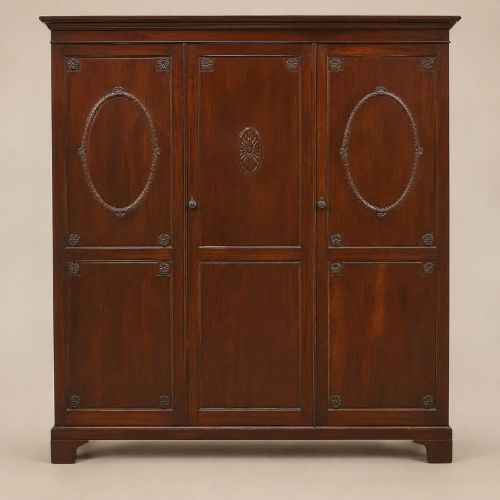
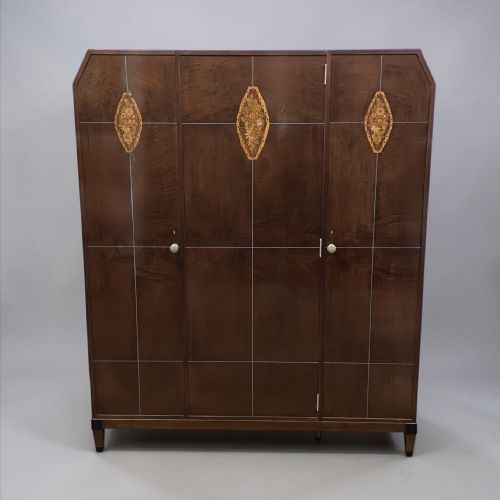
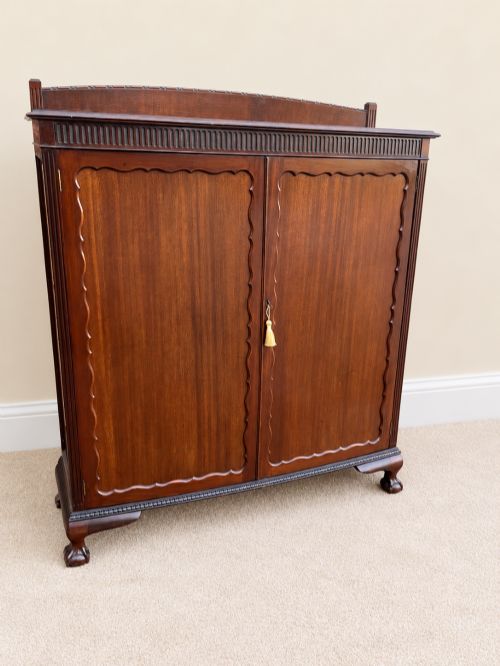
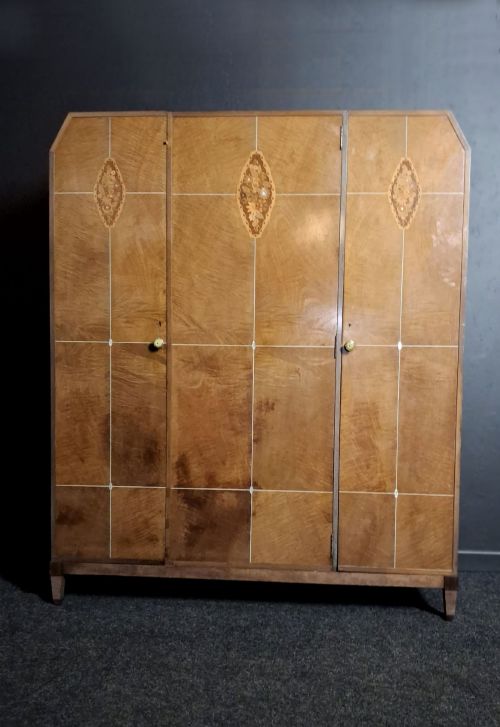
Vintage linen storage pieces bring character and practical depth to a room, offering sturdy wooden cupboards and presses built to last.
Vintage Linen Storage
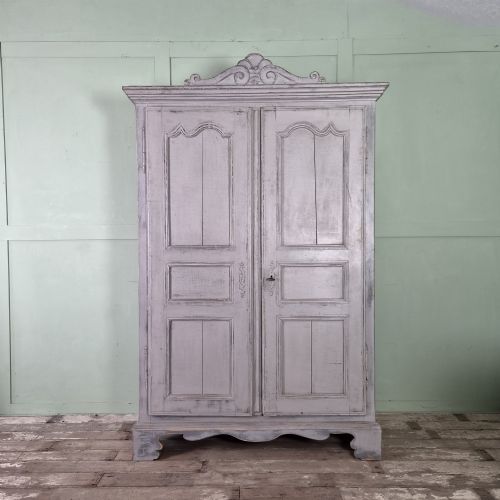
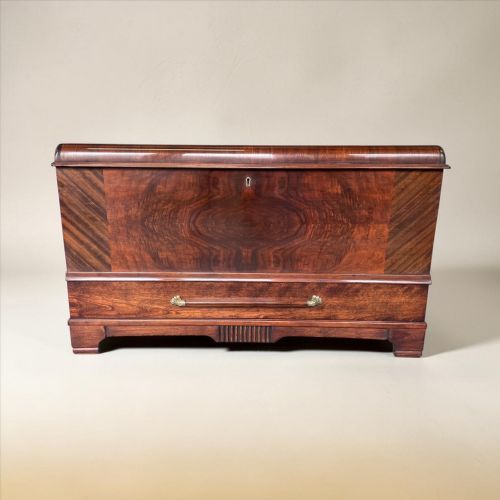
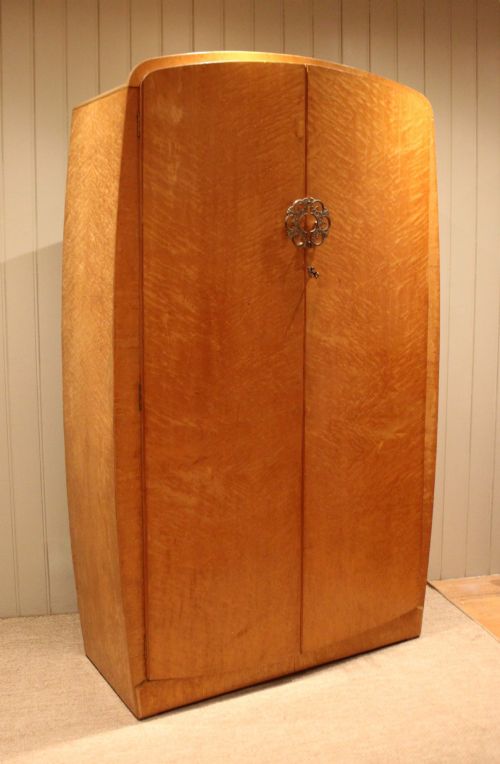
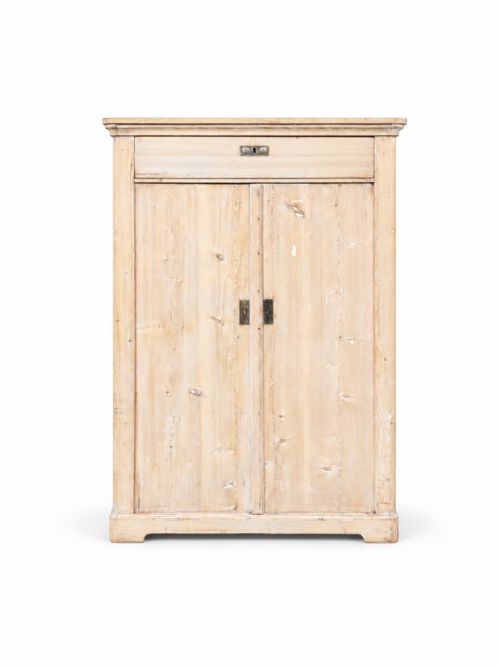
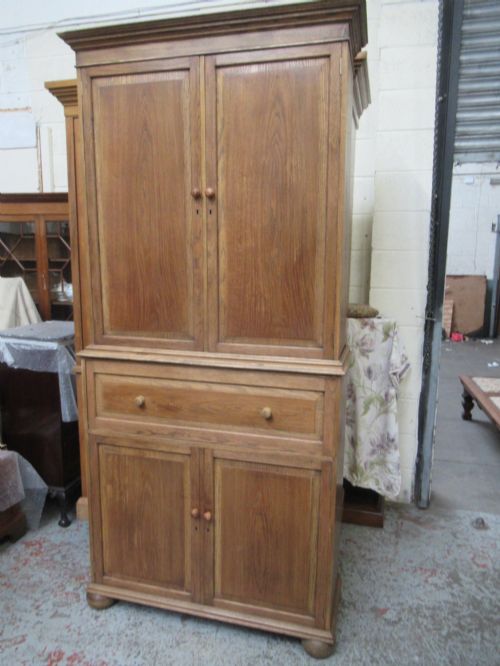
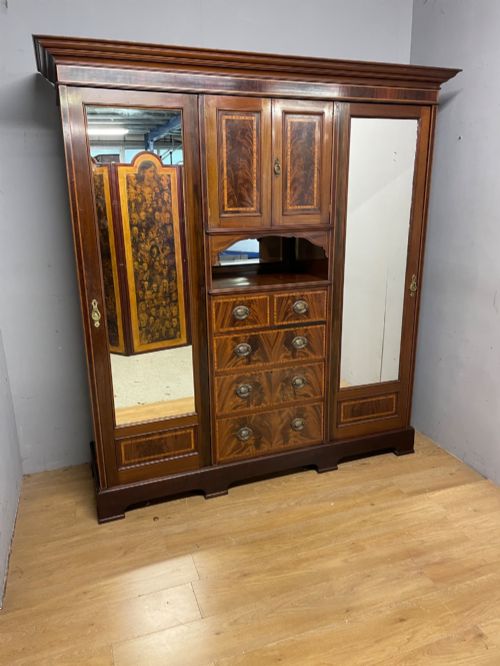
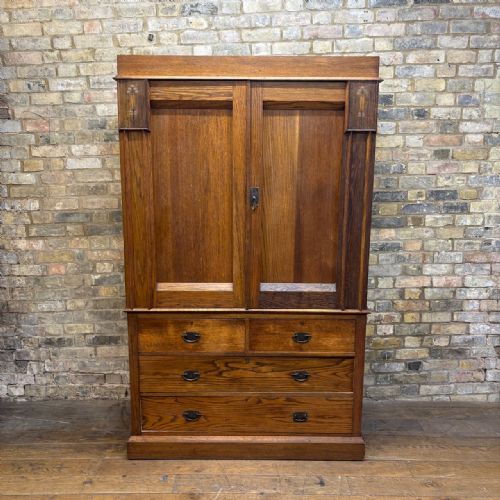
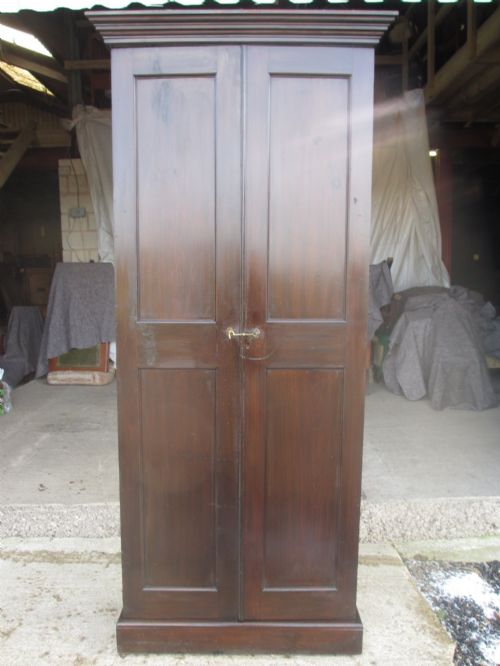
Vintage linen storage encompasses tall wardrobes, substantial linen presses, and housekeepers cupboards designed to hold household textiles and garments. When searching for vintage linen storage, buyers encounter everything from Georgian mahogany presses to Victorian pine cupboards and twentieth-century oak cabinets.
The selections span distinct periods, ranging from the Georgian and Regency eras through the Victorian and Edwardian decades up to Art Deco designs. These pieces served domestic households by keeping linens clean, pressed, and organised away from household dust.
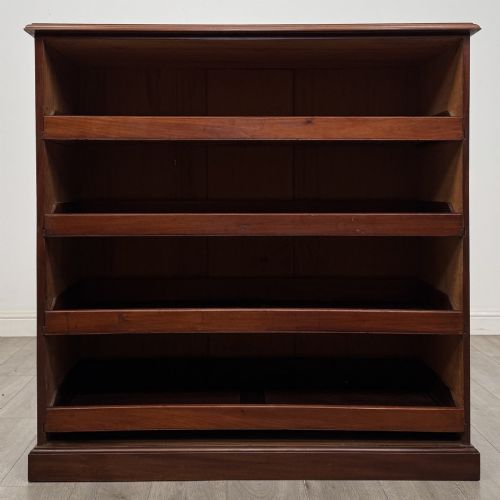
Pine and oak appear frequently in country and housekeepers variations, whilst mahogany and burr walnut dominate formal bedroom pieces and tallboys. Buyers find practical cupboards equipped with sliding trays, hanging space, and deep drawers suited for contemporary bedrooms.
How they were made
Cabinet makers utilised solid timbers such as mahogany, oak, and pine, often applying decorative veneers like burr walnut or flame mahogany to visible surfaces. Construction relied on traditional joinery, including dovetail joints for drawers and panelled doors designed to accommodate wood movement.
Finishes ranged from polished wax and dark french polish to painted surfaces and ebonised treatments, depending on the period and regional workshop traditions. Details like blind fretwork cornice work, satinwood inlay, and carved pillar panels demonstrated the skill invested in the better examples.
Vintage Linen Storage Retail Price Guide 2026
Typical asking prices for vintage linen storage among the pieces listed under this phrase on Sellingantiques today, from the lower quarter to the upper quarter. They describe what is for sale here now, not the wider market.
The listings span eight distinct periods, from eighteenth-century Georgian designs through to 1930s Art Deco cabinets.
What varies in quality
Quality rests in the choice of timber and the precision of the cabinet work, distinguishing substantial hardwood frames from lighter utility builds. Finer examples display carefully matched veneers, crisp carved details, and original internal fittings such as sliding linen trays rather than simplified modern alterations.
Proportion and structural integrity separate standard utility pieces from grander architectural items like Georgian linen presses or Cotswold School cupboards. The retention of original hardware, locks, and patinated surface finishes elevates the standing of an individual piece.
Heals Of London·Crown Furniture
The Vintage Linen Storage Glossary
- Linen press
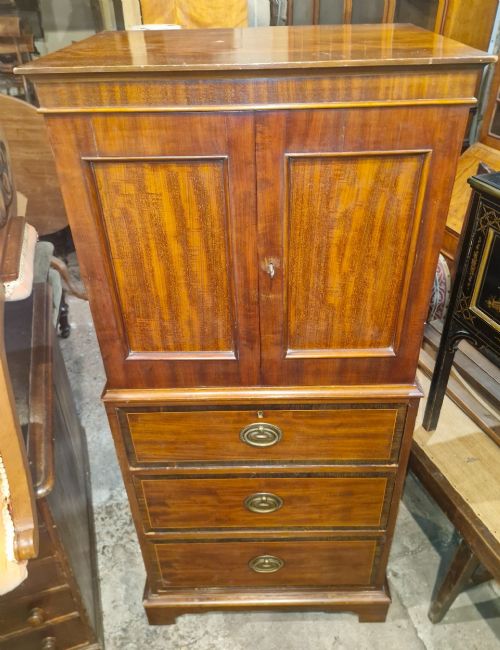
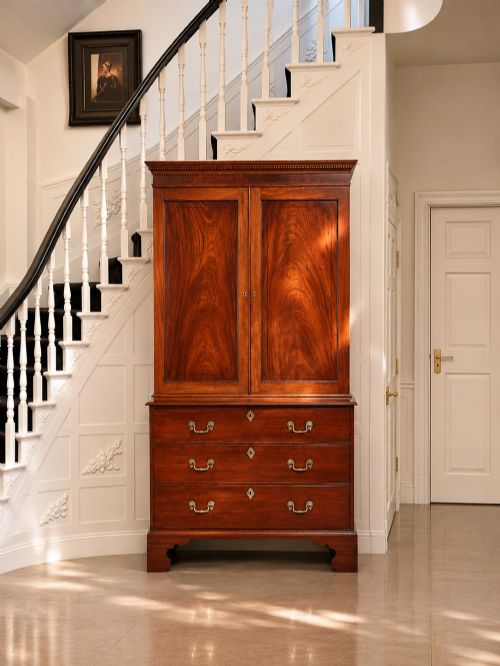
- A tall piece of furniture featuring sliding trays or shelves in the upper section for folded textiles, paired with deep drawers below.
- Housekeepers cupboard
- A large utilitarian storage unit used in traditional homes for storing household linens, provisions, and domestic supplies.
- Tallboy
- A tall chest of drawers or a wardrobe-style cabinet that stacks storage vertically to maximise floor space.
- Coffer
- A heavy wooden chest or box with a hinged lid, primarily utilised for blanket and textile storage before fitted wardrobes became common.
- Crossbanded
- A decorative border technique where thin strips of veneer are laid across the grain of the primary wood surface.
Vintage Linen Storage: Frequently Asked Questions
What is a linen press?
A linen press combines upper cupboard doors enclosing sliding trays with lower drawers designed for folded garments and household textiles.
Historically, these pieces stood in bedrooms or landings to keep fabrics flat and protected from dust before modern wardrobes became standard.
How do I use a housekeeper's cupboard today?
Housekeeper cupboards provide immense internal capacity, making them ideal as pantry units in kitchens or as linen closets in hallways.
Their deep shelves and sturdy construction easily accommodate contemporary storage needs while adding traditional character to a room.
Are these wardrobes easy to dismantle?
Certain large nineteenth-century wardrobes and presses were built as knockdown pieces with modular sections to ease transport through narrow stairwells.
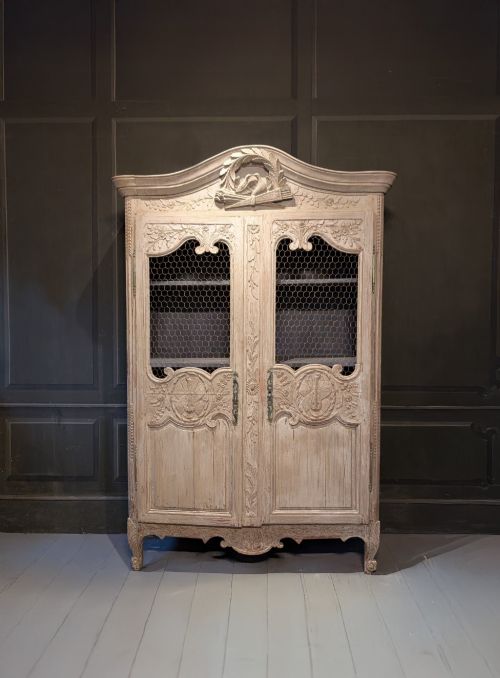
Checking the construction method helps determine if a massive wardrobe or knock-down pine armoire will fit into your designated room.