



Vintage Leather Goods
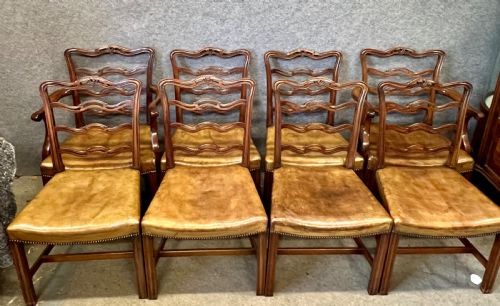
These vintage leather goods span robust nineteenth-century campaign tables and Edwardian armchairs to Georgian chests.
Vintage Leather Goods
Vintage leather goods comprise utilitarian seating, chests, desks, and travelling items produced across several centuries. When searching for vintage leather goods, buyers encounter practical items built for everyday use, from library armchairs to campaign coffee tables.
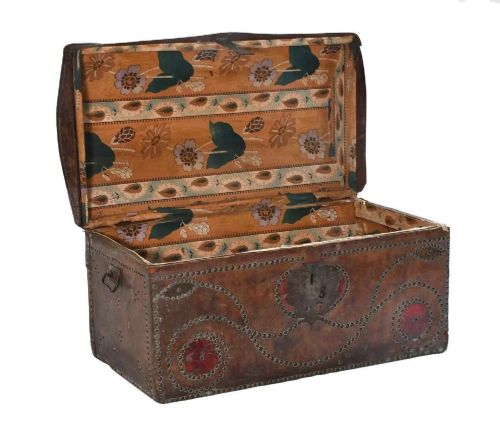
The selection ranges from eighteenth-century chests with studded leather to twentieth-century desks and seating. Victorian and Edwardian examples dominate the offerings, often combining sturdy wooden frames with hard-wearing leather surfaces.
How they were made
Joinery techniques reflect traditional cabinet-making standards, particularly in pedestal desks and library steps. Leather is typically applied to writing surfaces, upholstery, and protective trunk coverings, secured with studs or tension.
Vintage Leather Goods Retail Price Guide 2026
Typical asking prices for vintage leather goods among the pieces listed under this phrase on Sellingantiques today, from the lower quarter to the upper quarter. They describe what is for sale here now, not the wider market.
Listings feature items spanning the eighteenth century through to the 1960s, incorporating mahogany, oak, brass, and iron materials.
What varies in quality
Quality depends on the integrity of the timber framing and the condition of the original leather hides. Pieces retaining their structural stability and uncompromised surface materials sit at the upper end of the scale.
Proportion and practical scale distinguish better items, such as pedestal desks with well-balanced drawers or library steps with secure treads. Finer examples display careful timber selection, such as figured mahogany or inlaid satinwood.
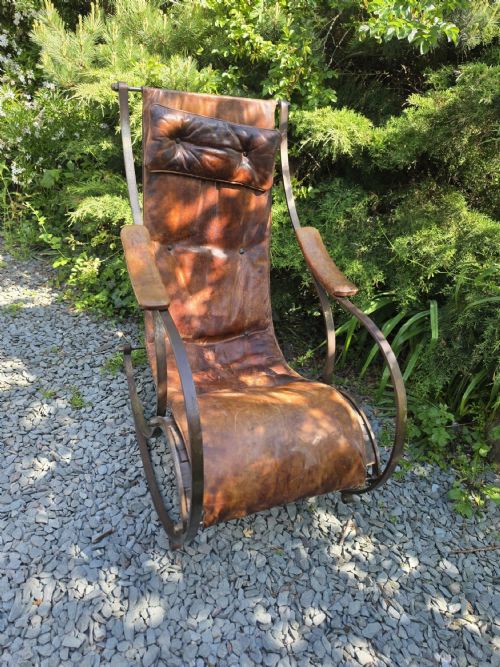
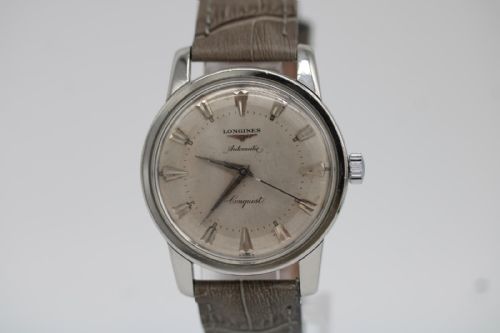
R W Wingfield·Shapland and Petter of Barnstaple·Longines
The Vintage Leather Goods Glossary
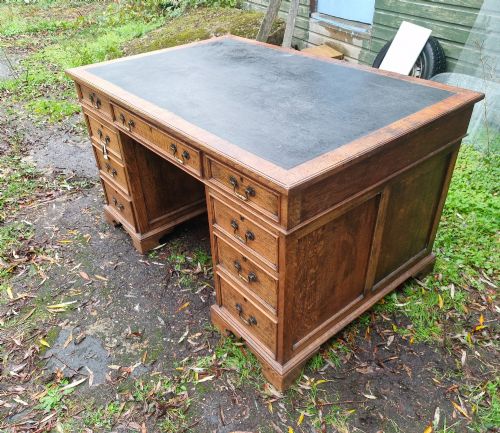
- Kneehole pedestal desk
- A large freestanding writing table featuring two pedestals of drawers with a central space for the user's legs. These items often incorporate inset leather writing surfaces.
- Campaign coffee table
- A low table adapted from portable military furnishings utilised during nineteenth-century campaigns. They typically incorporate brass corners and folding or sturdy frames.
- Library steps
- Free-standing wooden steps designed for reaching high bookshelves in domestic libraries. Period sets frequently utilise mahogany or oak construction.
- Chesterfield
- A deep-buttoned, upholstered sofa or seating form traditionally featuring low back and armrests of equal height. Original leathers define the vintage examples.
- Inlaid satinwood
- Furniture decorated with contrasting woods embedded into a light satinwood surface. This technique highlights decorative writing desks from the early twentieth century.
Vintage Leather Goods: Frequently Asked Questions
How do I clean vintage leather?
Maintenance requires gentle dusting and the occasional application of appropriate leather balms to preserve suppleness. Avoid harsh chemical cleaners that strip natural oils from nineteenth-century hides.
Keeping pieces away from direct heat sources prevents the leather from drying and cracking over time. Natural patination is best preserved through minimal, careful handling.
Are these desks suitable for daily work?
Pedestal desks and Davenport-style writing tables provide substantial surface area and functional drawer space for modern use. Their robust timber construction accommodates contemporary writing instruments and equipment.
Checking dimensions and kneehole clearances ensures comfortable seating posture during extended working periods. Many period desks were built to ergonomic standards of their respective eras.
How can I date a mahogany desk?
Dating relies on examining construction methods, drawer linings, and hardware styles alongside the timber characteristics. Regency and Victorian pieces exhibit specific structural traits and turning details typical of their decades.
Secondary woods used in drawer interiors often provide clues regarding regional manufacturing origins. Comparing brass handles and lock mechanisms also aids in establishing the period.
What is a campaign coffee table?
Campaign furniture was originally constructed for military officers on the move, featuring removable legs or folding mechanisms for transport. These items utilised durable brass fittings to protect corners during travel.
Twentieth-century adaptations repurposed these portable designs into domestic low tables. The combination of brass hardware and timber creates a distinctive military aesthetic.