

Vintage Leather Case
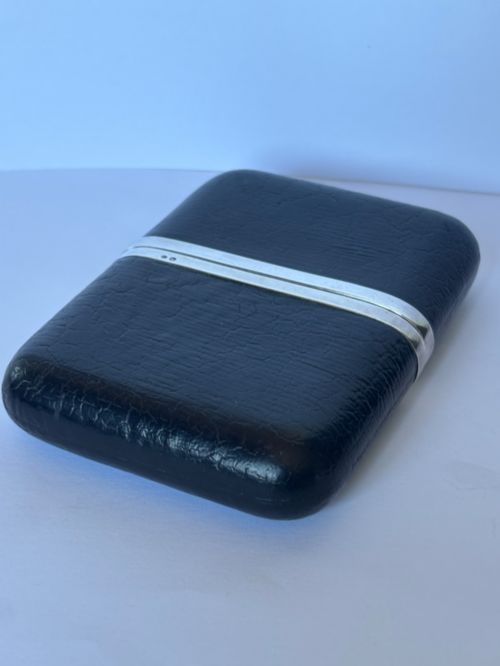
A vintage leather case carries the marks of travel from the nineteenth century through to the mid-century.
Vintage Leather Case
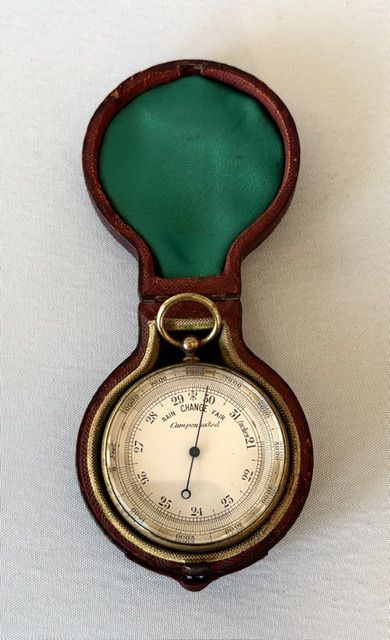
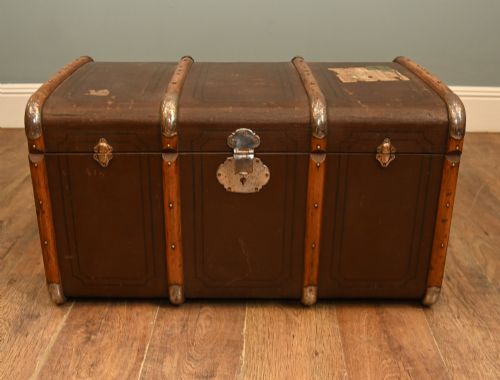
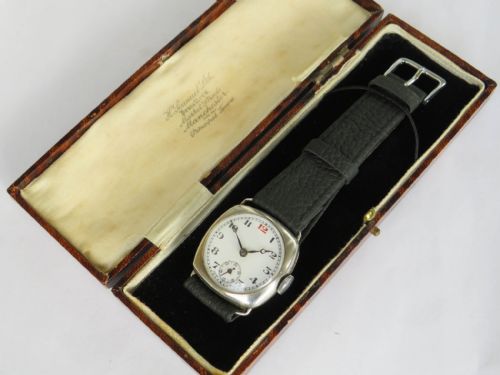
When you search for a vintage leather case, you encounter functional containers spanning Gladstone bags, steamer trunks, hat boxes, and small fitted receptacles for watches, scientific instruments, and travel beakers. These items originate from periods including the Victorian era, the Edwardian years, and the Art Deco decades of the nineteen-thirties.
The objects take many forms, from large storage boxes and travel luggage down to compact vanity cases and cigar holders. Leather serves as the primary exterior covering, often paired with internal fittings of brass, glass, and silver.
The listings on this page reflect a wide span of decades, stretching from the late seventeenth century through to the nineteen-sixties. Buyers find both large utilitarian luggage and small luxury accessories designed for personal carriage.
How they were made
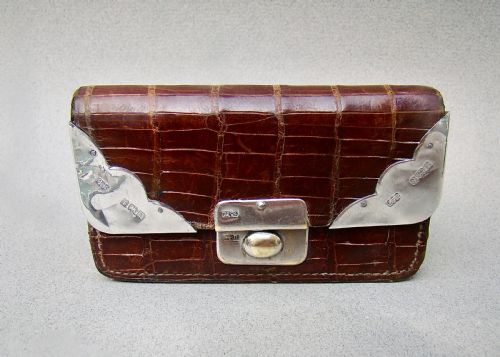
Maker workshops utilised cattle hide, crocodile skin, and painted leather over rigid structural carcases, securing the edges with stitching and metal hardware. Brass clasps, locks, and hinges provide structural reinforcement and closure.
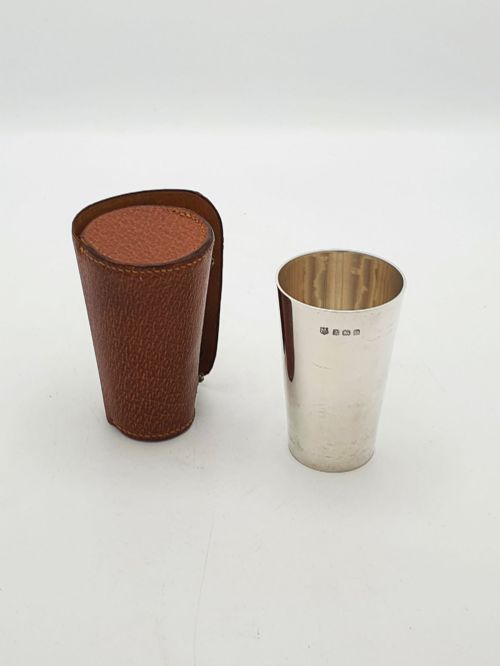
Fitted interiors incorporate silver, sterling silver, glass bottles, and silk or velvet linings to hold pocket watches, medical instruments, and vanity items securely in place during transit.
Vintage Leather Case Retail Price Guide 2026
Typical asking prices for vintage leather case among the pieces listed under this phrase on Sellingantiques today, from the lower quarter to the upper quarter. They describe what is for sale here now, not the wider market.
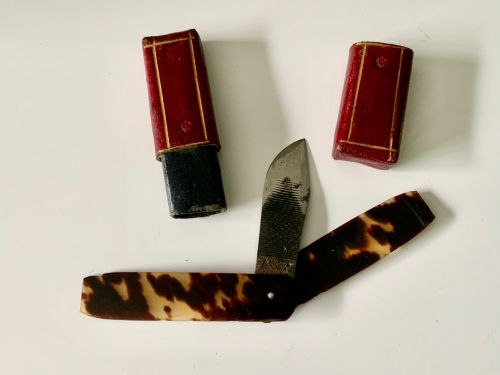
A veterinary vaccinating lancet hides inside its own dedicated pocket, ready for nineteenth-century farm calls.
What varies in quality
The standard of a piece depends on the integrity of the hide, the precision of the stitching, and the quality of the internal fittings. Maker marks and hallmarked silver components elevate the standing of individual items.
Completely fitted interiors with their original glass bottles, instruments, or silver components intact distinguish superior examples from plain containers that have lost their contents over time.
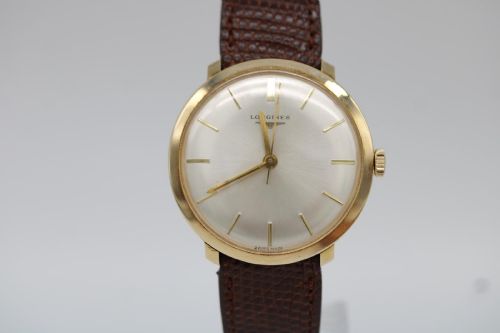
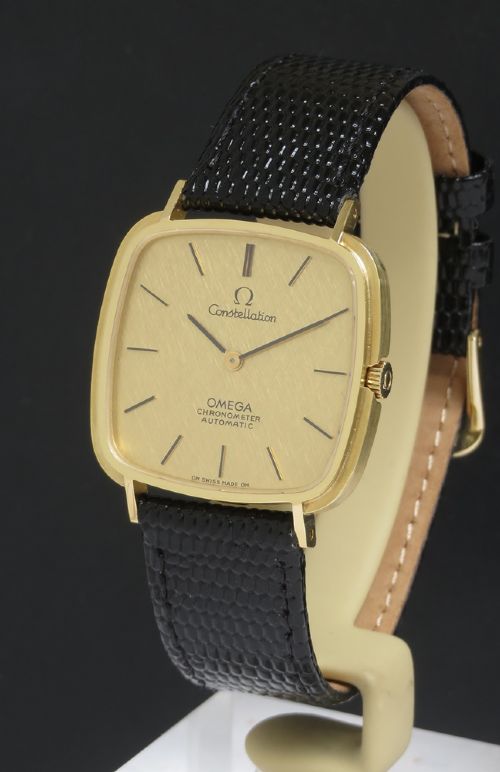
Longines Baume·Omega·Henri Jacot·J C Vickery·Dunhill London·James Dixon And Sons
The Vintage Leather Case Glossary
- Gladstone bag
- A light portmanteau formed of a stiff leather body that opens into two equal compartments. This style gained popularity during the Victorian period for rail and carriage travel.
- Steamer trunk
- A large travel case built with a lower profile than traditional wardrobes to fit beneath cabin berths on ships. These pieces often feature reinforced leather exteriors and robust brass latches.
- Etui
- A small ornamental box for holding needles, cosmetics, or writing implements. Victorian examples frequently appear lined with silk and fitted with silver tools.
- Carriage clock
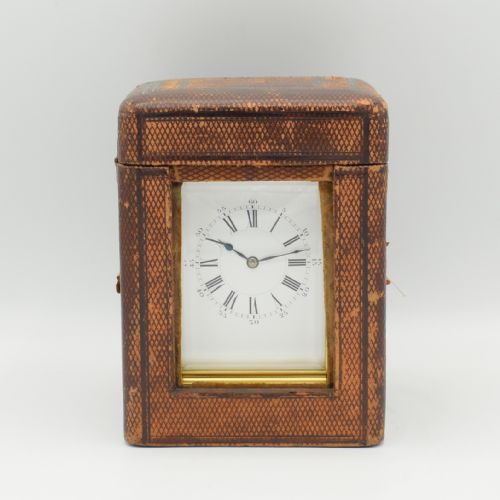
- A small spring-driven clock designed for travel, housed in a brass and glass case. Many survive with their original fitted leather carrying boxes.
- Hallmark
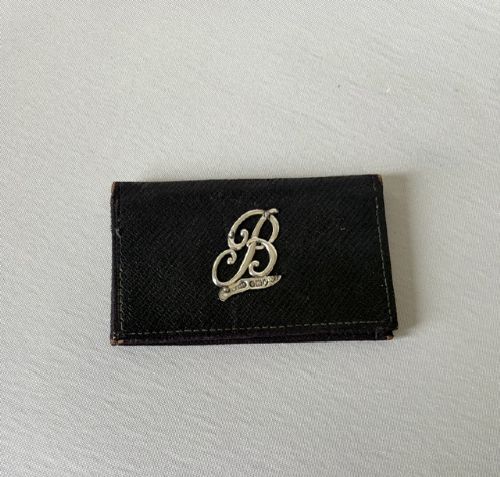
- An official stamp applied to precious metals indicating purity and origin. Silver mounts on leather travel cases often carry these assay marks.
Vintage Leather Case: Frequently Asked Questions
How do I date a leather case?
Dating relies upon stylistic markers, construction methods, and any accompanying hallmarks on silver mounts or locks. Victorian and Edwardian pieces often display specific registration marks or maker stamps.
Hardware styles change across decades, shifting from heavy brass fastenings on nineteenth-century trunks to streamlined Art Deco clasps in the nineteen-thirties.
Were these cases meant for travel?
Many of these items were built specifically for journeys by rail, ship, or carriage. Gladstone bags, steamer trunks, and officer compass cases served practical transport needs.
Smaller vanity cases and fitted travel beakers catered to the personal comfort of travellers moving between hotels and country houses.
How should I clean vintage leather?
Maintenance requires gentle cleaning to preserve the natural oils within old animal hides. Avoid harsh modern detergents that dry out the material.
Applying a specialised leather wax helps maintain flexibility in antique hide without darkening the surface excessively.
What is a fitted interior?
A fitted interior contains custom compartments designed to hold specific items such as glass medicine bottles, razors, or scientific instruments. These sections use wood or card frames lined with leather or velvet.
Survival of the original contents indicates that the case and its accessories have remained together since manufacture.