




Vintage Leather Bench Seat
A vintage leather bench seat brings enduring character and low-slung seating to a hallway or fireside, combining sturdy frames with patinated hides.
Vintage Leather Bench Seat
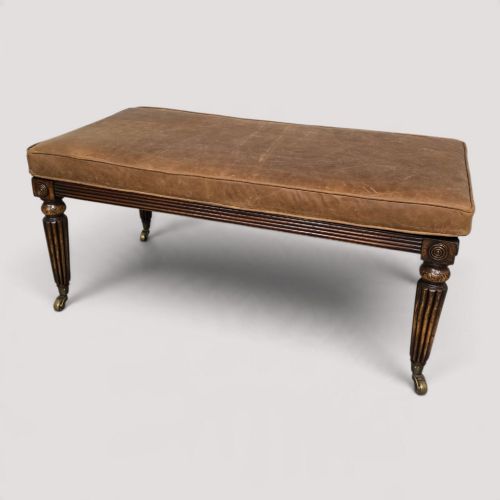
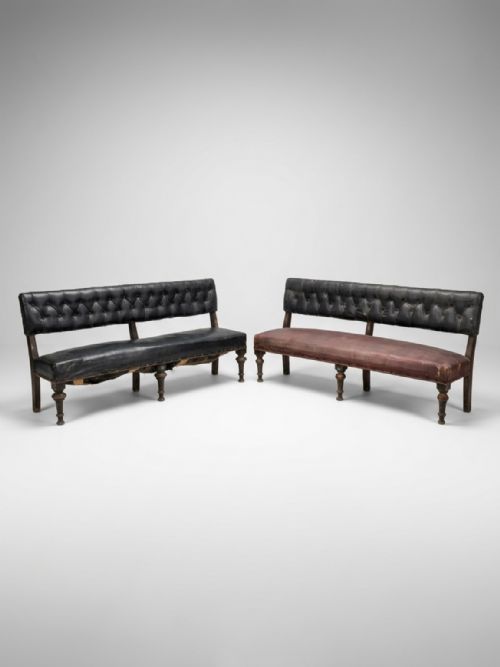
When searching for a vintage leather bench seat, you will most frequently encounter club fenders, piano stools, and traditional hall seats dating from the nineteenth century through the Art Deco period. These pieces span Victorian, Edwardian, and 1930s designs, reflecting the domestic habits of their eras.
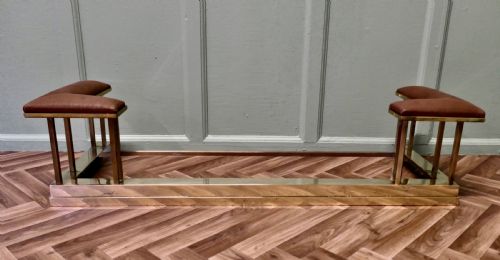
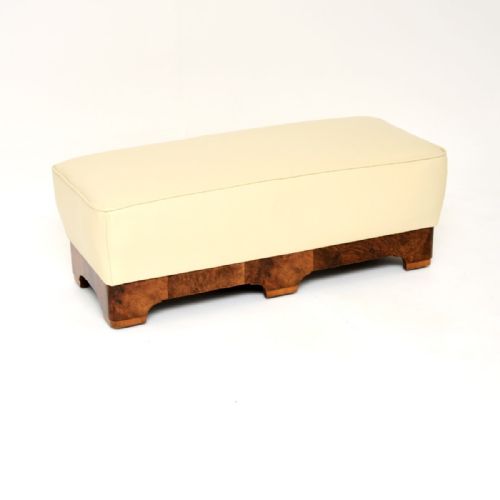
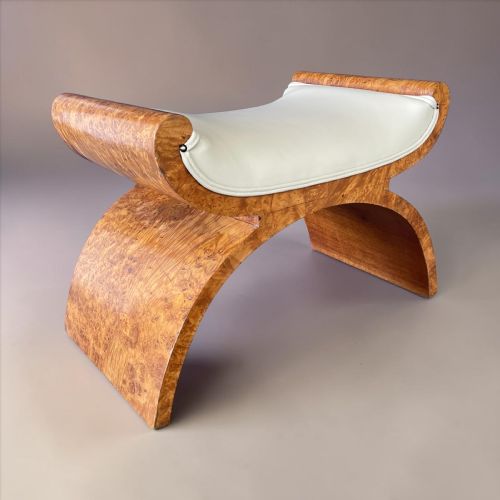
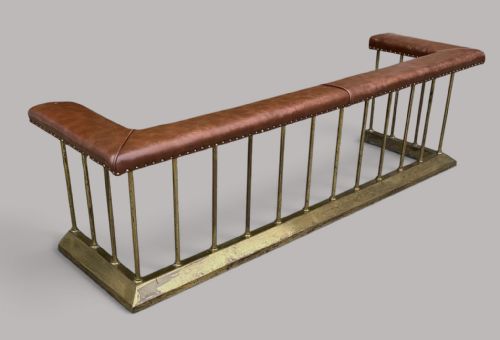
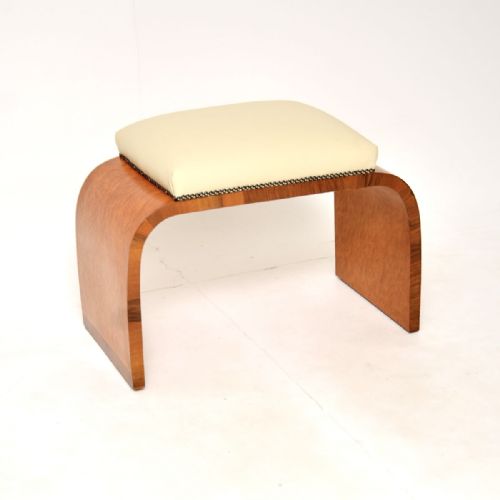
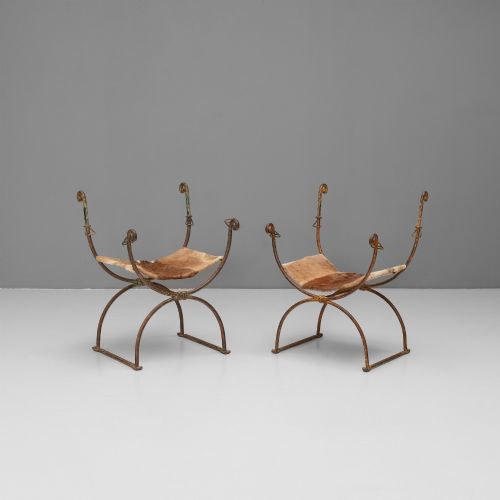
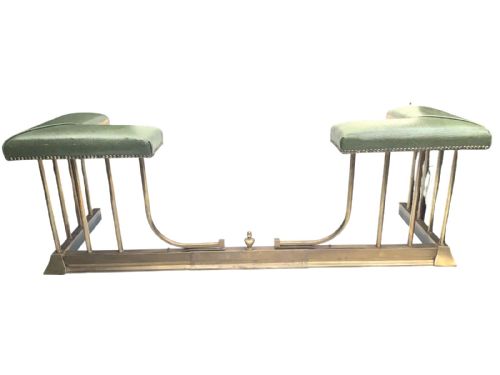
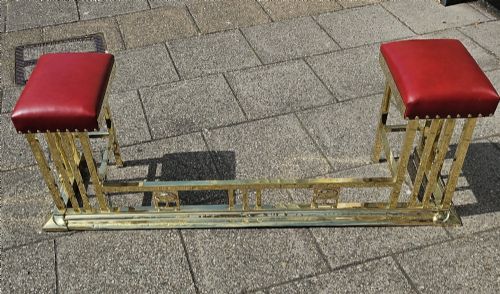
Club fenders dominate the offerings, providing cushioned leather seats built over brass, steel, iron, or oak frames designed to flank a fireplace. Stools and ottomans in mahogany, burr walnut, and birds eye maple offer alternative forms of low seating with upholstered leather tops.
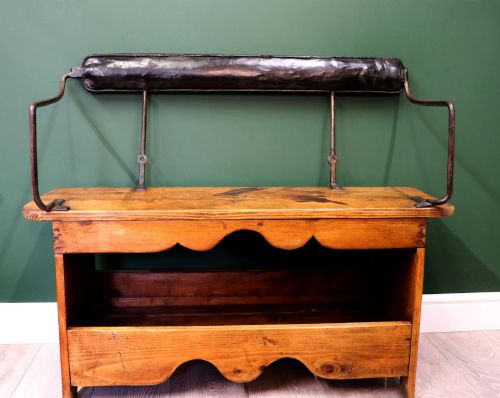
Origins range across English country house styles, French Belle Époque banquettes, and nineteenth-century Italian settees. Each form serves a practical domestic function, whether providing fireside perches or hallway resting places.
Materials and construction
Frames combine structural metals and dense hardwoods such as brass, steel, iron, mahogany, oak, and burr walnut. Metalwork on fenders frequently incorporates tubular brass or heavy forged iron, sometimes accented with copper details.
Upholstery relies upon durable natural leather, often seen in mature tan or green shades, paired occasionally with velvet trim. Wood components feature polished finishes, carved oak elements, and veneered burr walnut or birds eye maple.
Vintage Leather Bench Seat Retail Price Guide 2026
Typical asking prices for vintage leather bench seat among the pieces listed under this phrase on Sellingantiques today, from the lower quarter to the upper quarter. They describe what is for sale here now, not the wider market.
Some Edwardian brass club fenders incorporate hidden extending mechanisms so the hearth seating can stretch to accommodate extra guests.
Assessing quality and construction
Quality rests in the substantial weight of the metal framework and the density of the underlying timbers, distinguishing solid brass or heavy iron fenders from lighter constructions. The richness of the timber grain, from figured burr walnut to carved oak, marks the finer examples.
The finish and maturity of the leather upholstery dictate visual appeal, where supple, aged hides with natural patination elevate a piece above standard replacements. Joinery details, such as carved lions heads on oak frames or neat brass detailing, signal superior workshop output.
Harry and Lou Epstein·William Birch
The Vintage Leather Bench Seat Glossary
- Club Fender
- A low upholstered seat built around a fireplace hearth with an open metal framework. It allows people to sit close to the fire on padded leather cushions.
- Burr Walnut
- A highly figured wood veneer taken from the burl growths of walnut trees. It displays swirling, organic patterns prized in Art Deco stool designs.
- Banquette
- A long upholstered bench or sofa designed for wall placement or interior seating. French examples from the Belle Époque often feature velvet trim alongside leather.
- Birds Eye Maple
- A figured timber showing small, circular eye patterns caused by local distortions in wood growth. It creates a distinctive speckled surface on mid-century stools.
Vintage Leather Bench Seat: Frequently Asked Questions
How do I date a leather stool?
Dating relies on combining the timber type, frame style, and upholstery methods visible in the piece. Victorian examples often use heavy mahogany and dark turned legs, while 1930s pieces favour burr walnut and streamlined Art Deco geometry.
Edwardian items frequently display polished brass frameworks paired with Chesterfield-style buttoned leather tops.
Where should I place a long stool?
Long stools and ottomans suit wide hallways, bedroom ends, or living room spaces where supplementary seating is required. Their low profile avoids blocking sightlines.
They also function effectively as impromptu coffee tables or convenient spots for changing shoes near an entryway.
Are these seats comfortable for daily use?
Most pieces provide firm, supportive seating derived from traditional horsehair or sprung upholstery methods beneath the leather hide. They are built for upright sitting rather than lounging.
The sturdy brass, steel, and hardwood frames ensure the structures withstand regular daily use in busy domestic settings.