



Vintage Leaded Glass Frame
These vintage leaded glass frame pieces bring rich colour and historic architectural character to any room.
Vintage Leaded Glass Frame
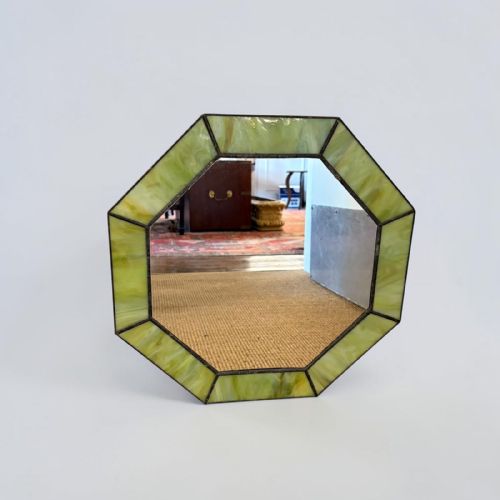
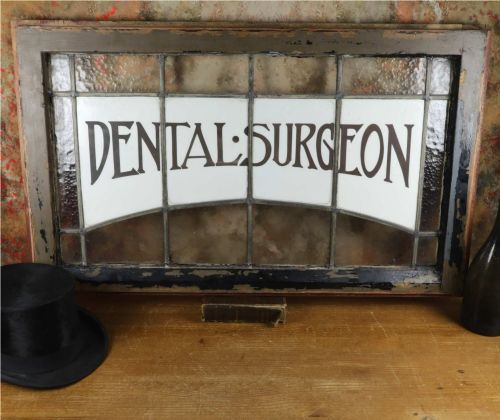
When you search for a vintage leaded glass frame, you are looking at architectural salvage and decorative panels that incorporate historic glazing. These items originate from periods spanning the Victorian era through the 1930s, capturing design movements like Arts and Crafts, Art Nouveau, and Gothic Revival. The inventory includes stained glass windows, architectural salvage, and pendant lights.
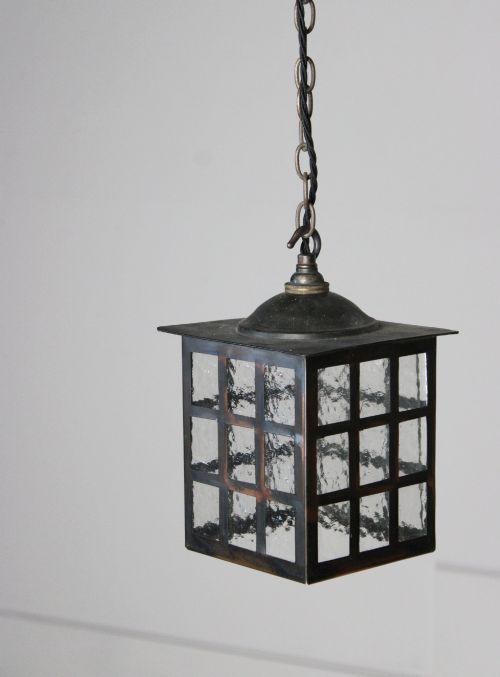
You are most likely to meet Edwardian and 1900s windows on this page, often featuring hand-painted scenes, birds, flowers, or figural designs. Panels range from simple square-paned church windows to elaborate church windows with arch tops and amber bullseyes. Some pieces cross over into lighting, such as copper lantern pendant lights incorporating glass panels.
How they were made
Makers constructed these pieces using glass held together by lead cames, frequently set within timber, pine, wood, iron, or copper frames. Artisans often combined traditional stained glass techniques with hand-painted details, creating pictorial scenes of countryside landscapes, castles, and figures.
Structural framing materials varied depending on the intended architectural application, with heavy wood and iron supporting larger window assemblies. Smaller panels and hanging lanterns utilised lighter copper framing and delicate lead work to secure individual glass segments.
Vintage Leaded Glass Frame Retail Price Guide 2026
Typical asking prices for vintage leaded glass frame among the pieces listed under this phrase on Sellingantiques today, from the lower quarter to the upper quarter. They describe what is for sale here now, not the wider market.
Object forms on this page include stained glass windows, architectural salvage, stained glass panels, and pendant lights.
What varies in quality
Quality in these items rests upon the complexity of the glazing design and the execution of any hand-painted pictorial elements. Pieces featuring detailed countryside scenes, figural work like Dutch children, or specific motifs such as birds on branches demand greater artisan skill than simple geometric panes.
The choice of supporting materials and hardware also defines the build standard, from robust church window timber frames to delicate copper lantern housings. The integrity of the lead cames and the depth of colour within the stained or painted glass dictate the overall visual impact.
The Vintage Leaded Glass Frame Glossary
- Lead came
- The H-section lead strip used to hold individual pieces of glass together in a window. Artisans solder the joints of these strips to form a rigid structural network.
- Bullseye
- A small, circular centre piece of blown glass showing a concentric ripple pattern. These appear as decorative accents within larger leaded glazing schemes.
- Architectural salvage
- Building elements rescued from older structures slated for demolition or remodelling. This category includes windows, signs, and panels preserved for reuse.
- Stained glass
- Glass coloured by the addition of metallic salts during its manufacture, often further detailed with painted enamels. It forms the primary decorative medium for these panels.
- Gothic Revival
- An architectural and design style popular in the nineteenth century that revived medieval Gothic forms. This influence appears in pointed arches and church window designs.
Vintage Leaded Glass Frame: Frequently Asked Questions
How do I hang a leaded glass window?
These panels require secure anchor points attached directly to wall studs or window reveals due to their substantial weight. Steel chain or robust brackets distribute the load safely without stressing the lead cames.
Alternatively, many buyers mount them inside existing window frames to act as functional transoms or decorative interior partitions.
How do I clean vintage stained glass?
Wipe the glass gently with a soft cloth and a mild, neutral soap solution. Avoid harsh chemical cleaners that can degrade the lead cames or damage painted surfaces.
Take care around hand-painted sections, as historical pigments can be sensitive to excessive moisture and abrasion.
How can I tell the period of a window?
Stylistic clues such as floral motifs point toward Edwardian design, while geometric square panes often align with Victorian church architecture. Painted figures and specific subjects like Dutch children typically indicate later 1930s production.
Examining the frame materials, such as pine versus copper, also helps narrow down the era of manufacture.