





Vintage Lake District Artwork
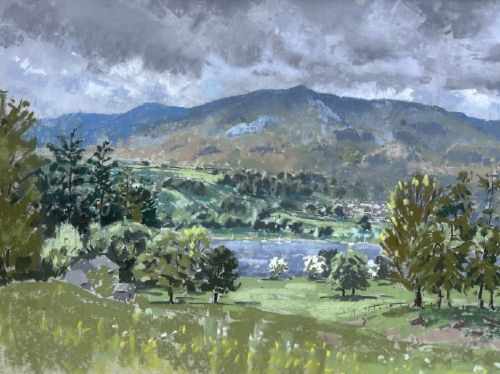
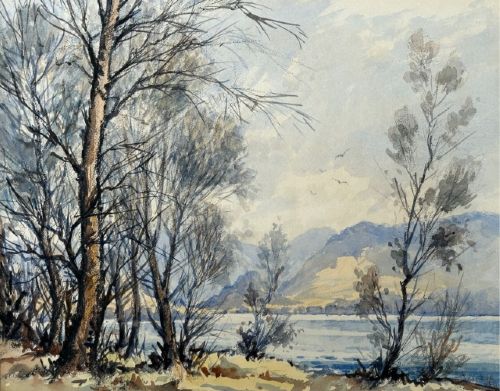
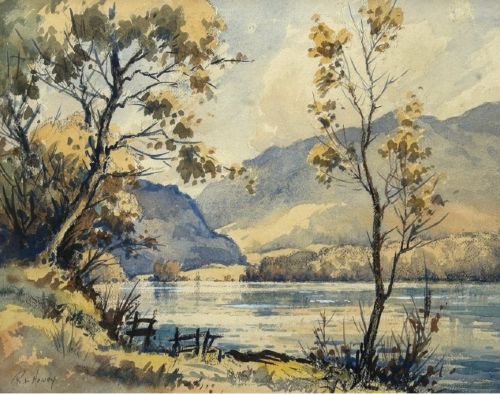
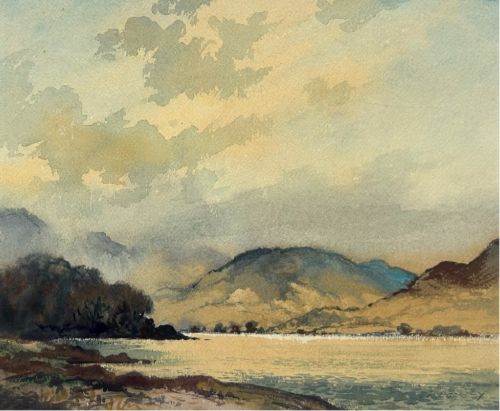
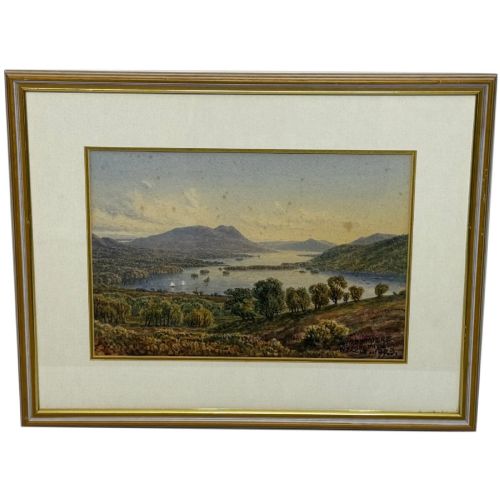
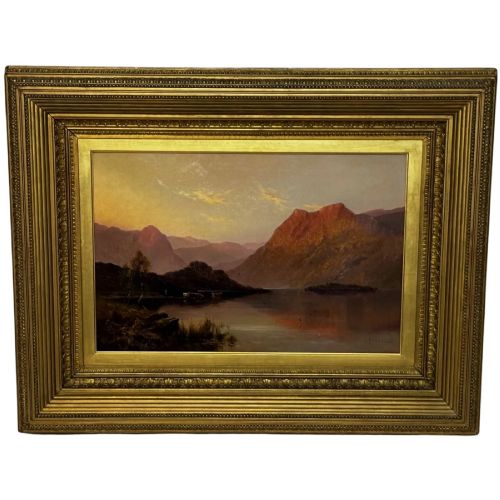
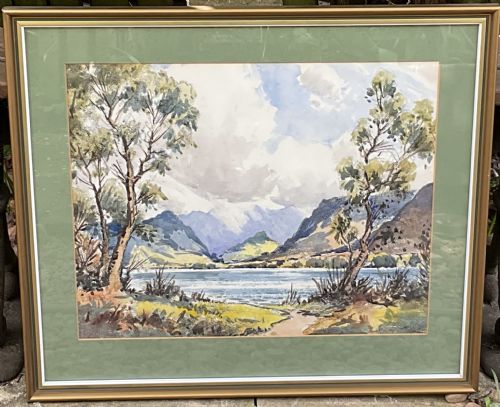
These vintage lake district artwork pieces capture Cumbrian topography through watercolours, oils, and ink sketches that bring historic Lakeland scenery directly into your interior.
Vintage Lake District Artwork
Vintage lake district artwork spans original watercolours, oil paintings, and ink drawings depicting Cumbrian topography from the eighteenth century through to the mid-twentieth century. Buyers searching this phrase encounter landscape views focused on recognisable locations such as Windermere, Derwentwater, Grasmere, and Ullswater.
The selection on this page relies heavily upon mid-twentieth century watercolours by regional painters alongside earlier Edwardian and Georgian topographical sketches. These works record the changing light and distinct terrain of the Lake District fells, valleys, and estuaries.
Framed works dominate the selection, often protected behind glass in period wood frames that complement the paper and canvas mediums. Subjects range from sweeping mountain vistas to intimate woodland and waterside studies.
Materials and techniques
Artists utilised watercolour pigment applied to paper, often reinforced with pen-and-ink line work to define topographical details like crags and stone walls. Many works employ layered washes to capture the atmospheric weather conditions characteristic of the Cumbrian landscape.
Oil paintings in the collection utilise heavy impasto on canvas or board to build texture within the landscape, recording the weight of fell-sides and heavy skies. Gilt framing frequently encloses these works, adding a formal finish to the mid-century and earlier compositions.
Vintage Lake District Artwork Retail Price Guide 2026
Typical asking prices for vintage lake district artwork among the pieces listed under this phrase on Sellingantiques today, from the lower quarter to the upper quarter. They describe what is for sale here now, not the wider market.
The listings span from 18th century Georgian sketches up to post-war 1960s impressionist watercolours.
Judging quality in Lakeland scenes
Quality rests upon the artist's direct observational skill and their ability to render the specific topography and shifting light of the Lake District without resorting to formulaic scenery. Stronger pieces demonstrate confident brushwork or precise pen control that gives genuine structure to the mountains and water.
Condition of the paper, pigment vibrancy, and the presence of original framing elements also separate standard topographical records from more accomplished fine art examples. Works signed by known regional practitioners carry greater historical weight through documented provenance.
William Taylor Longmire·Alfred Fontville de Breanski Jr·Robert Leslie Howey·Helen Layfield Bradley·Edward Dayes·Edward Horace Thompson·Claude Muncaster·Frederick Tucker·Percy Lancaster
The Vintage Lake District Artwork Glossary
- Watercolour
- A paint consisting of a pigment suspended in a water-based solution, traditionally applied to paper for transparent landscape effects.
- Impasto
- The process or technique of laying on paint thickly so that it stands out from a surface, adding physical depth to oil paintings.
- Topographical
- Relating to the detailed mapping and accurate visual representation of specific physical places, such as Cumbrian lakes and fells.
- Wash
- A thin, transparent layer of diluted watercolour pigment spread evenly across paper to create skies or water.
- Provenance
- The chronological ownership and exhibition history of a piece, establishing its authenticity and attribution to a specific artist.
Vintage Lake District Artwork: Frequently Asked Questions
How do I date a lake district watercolour?
Dating relies upon stylistic markers, artist signatures, and framing materials recorded in the specific piece documentation. Victorian and Edwardian works often feature tighter detail, whereas mid-century examples lean towards impressionistic washes.
Paper stock, mounts, and backing boards also provide clues to age. Comparing handwriting on titled works against known regional artist records helps narrow down the decade.
What subjects appear most often?
Views focus on major Cumbrian waters and surrounding fells, including Windermere, Grasmere, Derwentwater, and the Leven Estuary. Artists frequently returned to specific viewpoints around Ambleside and Keswick.
Compositions balance reflective lake surfaces with rising mountain ranges, capturing seasonal shifts from autumn woodland tones to bright summer shadows across the valleys.
Are these pieces original?
The selection comprises original hand-painted watercolours, unique oil paintings, and direct pen-and-ink drawings rather than modern mass-produced reproductions. Each piece represents a singular creative effort by the credited artist.
Signatures, brush textures, and ink variations confirm the hand-rendered nature of the works. Studio labels and inscriptions on the reverse often corroborate their origin.
How should I frame and hang them?
Protect works on paper from direct sunlight to prevent watercolour pigments from fading against the backing board. Retaining period wood frames preserves the historical character where structural condition permits.
Keep pieces away from damp environments like unheated kitchens or bathrooms to protect canvas, paper, and gilt finishes. Professional framing using acid-free materials ensures long-term preservation.